Medical & affiliate disclosure: CTX Stat provides educational laboratory information and is not a substitute for professional medical advice, diagnosis, or treatment. CTX Stat may receive compensation from some outbound provider links when an affiliate program is active; provider comparisons and rankings are based on consumer fit, effective cost, access, policies, and reputation—not commission.
Quick Take: Quest Health vs Ulta Lab Tests
Bottom line: choose Quest Health if you want the simplest official Quest-branded experience, included Quest blood draw, a smaller curated menu, and built-in independent healthcare provider oversight. Choose Ulta Lab Tests if you are price-shopping multiple routine biomarkers, want a broader direct-access menu, and are comfortable checking test details, draw fees, and state availability carefully before checkout.
- Quest Health: consumer-initiated testing through Quest, generally no insurance billing, 150+ online tests, most in-person collections at Quest Patient Service Centers, PWNHealth physician oversight, and an additional physician service fee that commonly starts at $6. Quest states tests are not currently available in Arizona, Hawaii, or Puerto Rico.
- Ulta Lab Tests: a direct-access lab marketplace with many individual tests and panels, online ordering, collection through nearby patient service centers, and generally lower posted prices on many common routine tests; Ulta lists a standard specimen collection fee of $12.95 that may vary by location.
- Best price is not always the best order: match exact test components, specimen type, fasting requirements, turnaround time, add-on fees, and follow-up options before comparing totals.
| Feature | Quest Health | Ulta Lab Tests |
|---|---|---|
| Business model | Official Quest consumer lab shop | Third-party/direct-access lab ordering marketplace |
| Typical buyer | Self-pay consumer who wants a curated official Quest experience | Self-pay consumer comparing prices or building a larger custom order |
| Insurance | Quest Health says purchases are direct-pay and not billed to insurance. | Ulta’s FAQ says insurance is not billed for orders through its platform. |
| Collection fee | Quest says the registered lab test covers the Quest PSC visit and blood draw. | Ulta lists a standard specimen collection fee of $12.95, which may vary by location. |
| Provider oversight | PWNHealth oversight and result support included with purchase. | Ulta materials describe physician-reviewed or medical-director-supported results in some contexts; verify what is included for the specific order before purchase. |
| State restrictions | Quest Health: not currently available in Arizona, Hawaii, or Puerto Rico. | Ulta consumer FAQ lists New York, New Jersey, and Rhode Island as unavailable; some Ulta business-facing pages also mention Hawaii, so verify by ZIP code at checkout. |
Pricing comparison: what a self-pay consumer may actually pay
Prices change frequently, promotions appear and expire, and some tests have age, sex, location, or repeat-purchase restrictions. The snapshot below reflects publicly visible pricing checked on August 8, 2026. Always confirm the final checkout total, including physician service fees, draw fees, discounts, and duplicate-panel adjustments.
| Common test | Quest Health posted price | Quest Health likely checkout note | Ulta Lab Tests posted price | Ulta likely checkout note |
|---|---|---|---|---|
| Complete Blood Count (CBC) | $29.00 | + $6.00 physician service fee shown on product page. | $22.95 | Add standard $12.95 draw fee unless different collection fee is shown. |
| Comprehensive Metabolic Panel (CMP) | $49.00 | Quest lists CMP under liver and kidney tests; physician service fee starts at $6. | $22.95 | Ulta quick order and product pages list CMP at $22.95 on common listings. |
| Hemoglobin A1c | $39.00 | + $6.00 physician service fee shown on product page. | $22.95 | Add collection fee; verify if A1c with eAG is a separate product. |
| Lipid panel | $59.00 | Quest shows Cholesterol (Lipid) Panel at $59 in related products. | $22.95 | Ulta quick order lists Lipid Panel and Lipid Panel with Ratios at $22.95. |
| TSH | $44.10 sale price, regular $49.00 | + $6.00 physician service fee; Quest’s TSH product includes reflex free T4 if TSH is abnormal. | $22.95 for TSH; $49.95 for TSH and Free T4 | Add collection fee; compare whether you need TSH alone or TSH plus free T4. |
| Vitamin D 25-hydroxy | $67.50 sale price, regular $75.00 | Quest lists Vitamin D under liver/kidney health with sale pricing. | $46.95 | Add collection fee; confirm exact vitamin D assay name. |
Lab Tech Insight
Panels can be cheaper than individual tests, but panels can also duplicate analytes you already ordered. Quest says it may automatically deduct overlapping components in the cart so you are not charged twice for the same component; Ulta shoppers should also check for overlap when combining panels.
Practical pricing takeaway: Ulta often looks less expensive for common routine labs even after a standard draw fee, especially when ordering several tests at once. Quest Health may be more straightforward when you want a single official Quest order, a bundled provider-review workflow, and a blood draw included in the purchase price.
Which should you choose?
| If your priority is… | Lean toward… | Why |
|---|---|---|
| Simple official Quest experience | Quest Health | Purchase, register, schedule, collect, and view results through Quest’s consumer pathway. |
| Lowest total for routine labs | Ulta Lab Tests | Ulta’s posted prices for many routine analytes are often lower, though draw fees and promotions must be included. |
| Broad à la carte menu | Ulta Lab Tests | Ulta’s quick order page lists many individual tests and panels beyond a smaller curated consumer menu. |
| Built-in result support and prompt-attention outreach | Quest Health | Quest describes PWNHealth result evaluation, prompt-attention outreach, and the ability to discuss results. |
| Using FSA/HSA card | Either, verify eligibility | Quest says HSA/FSA cards are accepted for many purchases, and Ulta says it accepts most HSA debit cards; plan rules still control reimbursement. |
| You live in a restricted state | Verify before shopping | State rules differ. Quest Health excludes AZ, HI, and PR; Ulta consumer FAQ excludes NY, NJ, and RI, with some pages also referencing HI. |
For more context on specific biomarkers, see CTX Stat’s Lab Tests hub, Results Guide, and condition-focused explainers in Conditions. If you are comparing vendor options beyond these two, start with our lab test providers overview.
Lab quality, reference intervals, and result interpretation
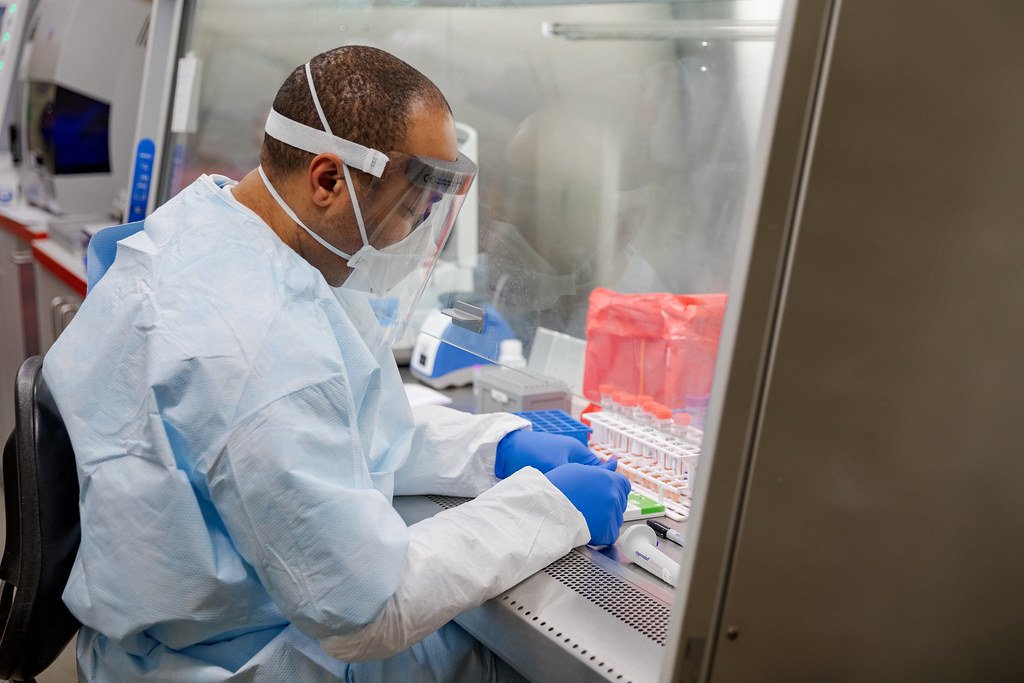
Both Quest Health and Ulta are connected to clinical laboratory testing, but the ordering website is not the same thing as the performing laboratory. In the United States, CLIA regulations apply to facilities that test human specimens for health assessment, and CDC describes CLIA as establishing quality standards for laboratory testing on human specimens. Quest states that its consumer tests are performed in CLIA-certified laboratories and are the same lab tests doctors use and recommend, while Quest Diagnostics also says its testing locations are appropriately licensed or certified under CLIA and required state licensure programs. Ulta’s public materials state that specimens are analyzed at national CLIA-certified laboratories. Reference intervals matter. MedlinePlus explains that reference ranges can vary because laboratories may use different methods, and the word “normal” can be misleading. Your result should be interpreted using the reference interval on that specific report and in the context of your health history, symptoms, medications, and prior results.
Lab Tech Insight
A result just outside the reference interval is not automatically a diagnosis, and a result inside the interval does not automatically rule out disease. Lab results are decision-support data; clinicians interpret them alongside history, exam findings, medications, timing, and pre-analytical factors.
Direct-to-consumer and direct-access tests can be useful for cost transparency and personal tracking, but FDA cautions that consumers should understand what is being tested and how results should be used with other clinical information. For abnormal, critical, unexpected, or symptom-related results, bring the full PDF report to a qualified healthcare professional rather than relying on a single dashboard flag.
Preparation and specimen factors that can change your result
Before ordering from Quest Health, Ulta Lab Tests, or any other direct-pay vendor, read the preparation instructions for the exact test. Some tests require fasting, morning collection, medication timing, abstaining from supplements such as biotin, or avoiding heavy exercise before collection. Quest and Ulta both publish test-specific preparation notes on many product pages; Ulta’s FAQ also instructs consumers to fast when their lab test or wellness package requires it.
- Fasting: Many CMP and lipid-related orders may request fasting, depending on the exact panel and clinician goal. If instructions conflict, ask the ordering provider or customer support before collection.
- Timing: Hormones, cortisol, iron, and some medication-monitoring tests can be time-sensitive.
- Supplements and medications: Do not stop prescribed medication without clinician guidance, but record what you take. Some assays can be affected by supplements or biologic drugs.
- Specimen type: Serum, plasma, whole blood, urine, and saliva are not interchangeable. The same-sounding test may require a different tube, preservative, or handling process.
- Repeat testing: For trends, try to use the same laboratory, same method, and similar collection conditions when possible.
For a deeper checklist, see CTX Stat’s lab test preparation guide and blood test results explained.
Questions to ask before ordering
- What clinical question am I trying to answer, and has a clinician recommended this test?
- Is the exact biomarker list the same between Quest Health and Ulta?
- Is there a physician service fee, draw fee, shipping fee, or location surcharge?
- Is the test available in my state and for my age/sex category?
- Does the test require fasting, morning collection, or special medication timing?
- Will I receive a full PDF lab report with reference intervals and test method notes?
- What support is available if a result is critical, positive, or unexpected?
- If I plan to share results with my doctor, will they accept outside direct-access labs for decision-making?
Next step: Make a short list of the exact tests you need, then compare the final checkout total using CTX Stat’s Compare Lab Test Prices resource. Do not order large “wellness” panels just because they are discounted if you do not know how the results will be used.
FAQs: Quest Health vs Ulta Lab Tests
Is Quest Health the same as Quest Diagnostics?
Quest Health is the consumer-facing online shop operated under the Quest brand for people buying selected tests directly. Quest Diagnostics is the broader clinical laboratory company and patient service center network. Quest states that Quest Consumer Inc. and certain affiliates are distinct from HIPAA-covered Quest Diagnostics laboratory services, so read the applicable privacy and terms language when purchasing.
Is Ulta Lab Tests cheaper than Quest Health?
Often, yes for common routine tests such as CBC, CMP, A1c, lipid panel, and TSH, based on publicly listed prices. However, Ulta may add a specimen collection fee, while Quest Health commonly adds a physician service fee. The only fair comparison is the final checkout total for the exact same analytes.
Does Quest Health include the blood draw fee?
Quest’s help center says that at a Quest Patient Service Center, the registered lab test covers the visit and blood draw, and no separate printed order is needed if the order is registered correctly.
Does Ulta Lab Tests add a blood draw fee?
Yes. Ulta’s FAQ says there is a specimen collection fee; the standard draw fee is $12.95, but it may vary depending on the collection location selected.
Can I use insurance?
Quest Health says its consumer purchases are intended for direct payment, are not billed to insurance, and cannot be submitted for insurance reimbursement. Ulta’s FAQ similarly describes direct payment rather than insurance billing.
Which service is better for a large custom panel?
Ulta is usually more flexible for building a large custom self-pay order because its menu includes many individual tests and specialty panels. Still, bigger is not always better: unnecessary testing increases the chance of confusing incidental abnormalities and follow-up costs.
Are direct-to-consumer lab results reliable?
Reliability depends on the performing laboratory, test method, specimen handling, and whether the correct test was ordered for the clinical question. CLIA establishes quality standards for U.S. labs that test human specimens, but result interpretation still requires clinical context.
Should I order labs without talking to a doctor?
For basic cost-shopping or repeating a known marker, direct-access labs may be practical. For symptoms, abnormal prior results, pregnancy, medication monitoring, infectious disease concerns, or possible urgent issues, involve a qualified healthcare professional before and after testing.