Medical & affiliate disclosure: CTX Stat provides educational laboratory information and is not a substitute for professional medical advice, diagnosis, or treatment. CTX Stat may receive compensation from some outbound provider links when an affiliate program is active; provider comparisons and rankings are based on consumer fit, effective cost, access, policies, and reputation—not commission.
Quick take
- A complete blood count, or CBC, measures red blood cells, white blood cells, platelets, hemoglobin, hematocrit, and red blood cell size indicators. It is one of the most commonly ordered blood tests.
- A high or low complete blood count result is not a diagnosis by itself. The meaning depends on which line is abnormal, how far it is from the lab’s reference range, whether it is new or persistent, and what symptoms or medical history are present.
- Low hemoglobin, low hematocrit, or low RBC count often points toward anemia, blood loss, iron deficiency, vitamin deficiency, chronic inflammation, kidney disease, or other causes your clinician may evaluate.
- High white blood cells commonly occur with infection, inflammation, medication effects, smoking, stress, pregnancy, or less commonly bone marrow and blood disorders.
- Low white blood cells may happen after some viral infections, from certain medicines, autoimmune conditions, nutritional deficiencies, bone marrow disorders, or cancer treatments.
- High or low platelets can reflect inflammation, iron deficiency, recent bleeding, infection, spleen or bone marrow problems, medication effects, or clotting and bleeding disorders.
What a CBC measures
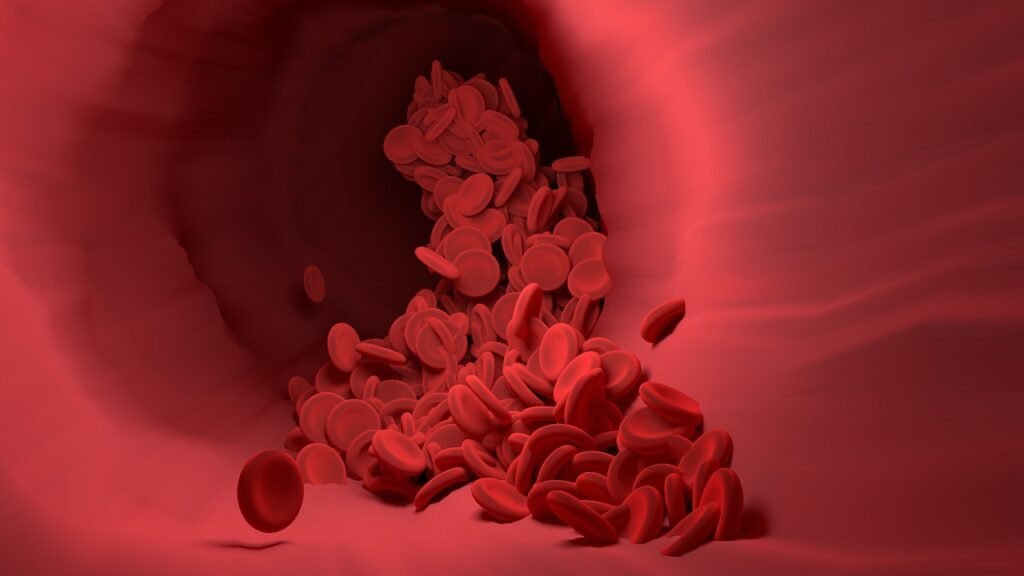
A complete blood count is a panel of blood measurements that gives a snapshot of the cells circulating in your blood. MedlinePlus explains that a CBC measures red blood cells, white blood cells, platelets, hemoglobin, hematocrit, and mean corpuscular volume, while a CBC with differential breaks white blood cells into their major types. The National Heart, Lung, and Blood Institute notes that CBC results can help check for anemia, infection, immune system disorders, blood cancers, bleeding problems, and treatment effects.
The most important first step is to identify which CBC value is high or low. A mild isolated flag can have a different meaning than several abnormal values moving in the same direction.
| CBC item | What it reflects | Why high or low results may matter |
|---|---|---|
| RBC count | Number of red blood cells | Red cells carry oxygen. Too few can fit an anemia pattern; too many can occur with dehydration, low oxygen states, smoking, altitude, or overproduction. |
| Hemoglobin | Oxygen-carrying protein inside red cells | Often the key number used to identify anemia severity. |
| Hematocrit | Percentage of blood volume made up by red cells | Can fall with anemia or bleeding and rise with dehydration or increased red cell mass. |
| MCV | Average red blood cell size | Low MCV suggests smaller red cells; high MCV suggests larger red cells. This helps narrow anemia patterns. |
| RDW | Variation in red blood cell size | Higher RDW means red cells vary more in size, which can help interpret anemia patterns. |
| WBC count | Total white blood cells | White cells respond to infection, inflammation, immune activity, medications, and bone marrow signals. |
| WBC differential | Types of white blood cells | Neutrophils, lymphocytes, monocytes, eosinophils, and basophils can point toward different patterns. |
| Platelet count | Blood cell fragments involved in clotting | Low platelets may raise bleeding concerns; high platelets may occur with inflammation, iron deficiency, or marrow-related disorders. |
Why reference ranges matter
There is no single universal “normal” CBC range for everyone. Reference intervals can differ by laboratory method, age, sex, pregnancy status, altitude, and sometimes other population factors. For that reason, the range printed next to your result is usually more useful than a general chart online.
Still, broad adult examples help orient the conversation. The NHLBI lists example adult CBC ranges such as white blood cells around 4,500 to 10,000 cells per microliter, platelets around 140,000 to 450,000 cells per microliter, and sex-specific hemoglobin and hematocrit ranges. MedlinePlus Medical Encyclopedia also emphasizes that normal value ranges may vary slightly among laboratories and that people should discuss their specific results with a healthcare professional.
Do not interpret one flagged value in isolation
A CBC is pattern-based. For example, a low hemoglobin result means something different when MCV is low than when MCV is high. A mildly high WBC count during a respiratory infection is different from a persistent or very high WBC count with abnormal cells on a smear. Trends, symptoms, medications, and repeat testing often matter as much as the first number.
What high or low red blood cell results can mean
The red blood cell side of the CBC includes RBC count, hemoglobin, hematocrit, MCV, MCH, MCHC, and RDW. Merck Manual Consumer Version describes these measurements as the red cell count, the amount of oxygen-carrying hemoglobin, the proportion of blood made up of red cells, and measures of red cell size and hemoglobin content.
Low RBC, hemoglobin, or hematocrit
Low RBC count, low hemoglobin, or low hematocrit often fits an anemia pattern. Anemia means the blood has a reduced ability to carry oxygen, but it does not identify the cause. The American Society of Hematology notes that iron-deficiency anemia is evaluated with blood tests that should include a CBC, and that additional tests may be needed to identify iron deficiency and distinguish it from other conditions.
Common possibilities your clinician may consider include:
- iron deficiency, sometimes from menstrual bleeding, gastrointestinal blood loss, pregnancy, or low iron intake;
- vitamin B12 or folate deficiency;
- chronic kidney disease or chronic inflammatory conditions;
- recent or ongoing bleeding;
- inherited hemoglobin conditions such as thalassemia or sickle cell disease;
- bone marrow conditions or treatment effects, including chemotherapy in the right clinical setting.
High RBC, hemoglobin, or hematocrit
High red cell results can reflect either a true increase in red cells or a concentration effect when plasma volume is lower. MedlinePlus Medical Encyclopedia lists possible reasons for high RBC, hemoglobin, or hematocrit such as dehydration, kidney disease with increased erythropoietin production, long-term low oxygen levels, smoking, testosterone use, living at high altitude, and polycythemia vera.
A high hematocrit after heavy sweating or dehydration may be handled differently than a persistently high hemoglobin in a smoker, someone using testosterone, or someone with symptoms such as headaches, itching after warm showers, or clotting history. Persistent high values usually deserve clinician review.
MCV: small, normal, or large red blood cells
MCV is one of the most useful CBC clues because it describes average red blood cell size.
- Low MCV is called microcytosis and often points clinicians toward iron deficiency or thalassemia trait, though other causes exist.
- Normal MCV can occur in early iron deficiency, anemia of chronic disease, kidney disease, mixed deficiencies, or acute blood loss.
- High MCV is called macrocytosis and may be seen with vitamin B12 or folate deficiency, alcohol use, liver disease, hypothyroidism, certain medications, or marrow disorders.
What high or low white blood cell results can mean
White blood cells are part of the immune system. A standard CBC may report the total WBC count, while a CBC with differential reports the types of white cells. MedlinePlus explains that the differential separates the five major white blood cell types, which can help clarify why the total WBC count is high or low.
High WBC count
A high WBC count is called leukocytosis. According to Mayo Clinic, common reasons for a high white blood cell count include infection, medication reactions, bone marrow conditions, immune system issues, sudden stress such as hard exercise, and smoking. Specific causes can include allergies, asthma, burns, infections, corticosteroids or epinephrine, pregnancy, inflammatory diseases, leukemia, lymphoma, tuberculosis, and others.
The differential matters. For example, a high neutrophil count often fits bacterial infection, inflammation, physiologic stress, steroid effect, or smoking. A high lymphocyte count may be seen with some viral infections and certain blood disorders. Eosinophils may rise with allergies, asthma, drug reactions, parasitic infections, and some inflammatory or blood conditions.
Low WBC count
A low WBC count is called leukopenia. The most clinically important part is often the absolute neutrophil count, or ANC, because neutrophils help defend against bacterial and fungal infections. Mayo Clinic’s patient education on low white blood cell count explains that low WBC count is often related to low neutrophils and that many causes are possible, including medications and bone marrow-related conditions.
Low WBC results can occur with:
- recent viral infection;
- certain prescription medicines;
- autoimmune disease;
- vitamin B12, folate, or copper deficiency;
- chemotherapy, radiation, or other cancer treatments;
- bone marrow disorders or blood cancers in selected cases.
Fever plus very low neutrophils is urgent
If you have been told you are neutropenic, especially after chemotherapy or immune-suppressing treatment, fever can be an emergency. Follow the specific instructions from your oncology, hematology, or prescribing team.
What high or low platelet results can mean
Platelets help form clots and stop bleeding. A platelet result outside the reference range does not automatically mean you have a clotting or bleeding disorder, but it does tell clinicians whether follow-up is needed. The NHLBI notes that a routine CBC may identify high or low platelet counts and that diagnosis of a platelet disorder depends on the physical exam and other blood test results.
Low platelets
Low platelets are called thrombocytopenia. Mild decreases are sometimes temporary, but very low platelets can increase bleeding risk. Possible causes include viral infections, medication effects, immune thrombocytopenia, liver disease or enlarged spleen, pregnancy-related conditions, bone marrow problems, and treatment effects.
Symptoms that make a low platelet count more concerning include unusual bruising, pinpoint red-purple spots on the skin, nosebleeds, bleeding gums, blood in urine or stool, unusually heavy menstrual bleeding, or bleeding that is hard to stop.
High platelets
High platelets are called thrombocytosis or thrombocythemia depending on the cause. The NHLBI explains that thrombocytosis can be found on a CBC and may require other tests such as a blood smear or bone marrow tests depending on the situation. High platelets can be reactive, meaning they rise because of another issue such as inflammation, infection, iron deficiency, surgery, bleeding, or spleen removal. Less commonly, high platelets reflect a bone marrow condition.
Common high and low CBC patterns
The table below is a practical pattern guide. It is not a diagnostic chart; it shows why clinicians look at combinations rather than one number.
| Pattern on CBC | Common interpretation questions | Possible next tests or follow-up |
|---|---|---|
| Low hemoglobin + low MCV | Is this iron deficiency, thalassemia trait, chronic inflammation, or mixed disease? | Ferritin, iron/TIBC, reticulocyte count, review of bleeding history, sometimes hemoglobin electrophoresis. |
| Low hemoglobin + high MCV | Could this involve B12 or folate deficiency, alcohol, liver disease, thyroid disease, medications, or marrow changes? | B12, folate, TSH, liver panel, medication review, reticulocyte count, smear. |
| High hemoglobin or hematocrit | Is it dehydration, smoking, sleep apnea, testosterone, altitude, lung or heart disease, or a marrow disorder? | Repeat CBC, oxygen assessment, erythropoietin level, JAK2 testing when clinically appropriate. |
| High WBC + high neutrophils | Is there infection, inflammation, steroid use, smoking, physiologic stress, or a marrow condition? | Differential, exam, infection evaluation, inflammatory markers, repeat CBC, smear if persistent or extreme. |
| Low WBC or low neutrophils | Is this temporary after infection, medication-related, autoimmune, nutritional, inherited, or marrow-related? | Repeat CBC with differential, ANC trend, medication review, B12/folate/copper, smear, specialist referral when needed. |
| High platelets | Is it reactive from inflammation, infection, iron deficiency, surgery, bleeding, or a primary marrow process? | Ferritin and iron studies, inflammatory markers, repeat CBC, smear, hematology evaluation if persistent or very high. |
| Low platelets | Is the result real, medication-related, immune-related, infection-related, liver/spleen-related, or marrow-related? | Repeat CBC, smear to rule out platelet clumping, medication review, liver tests, viral testing when appropriate. |
| Several cell lines low | Are red cells, white cells, and platelets all affected? | Prompt clinician review; may require smear, reticulocyte count, nutritional tests, infection tests, or hematology referral. |
Reasons a CBC can be temporarily abnormal
Not every high or low CBC result means a chronic illness. MedlinePlus notes that diet, activity level, medicines, menstrual period, hydration, and other factors can affect CBC results. Temporary changes may also occur around acute infection, inflammation, strenuous exercise, pregnancy, recent surgery, recent bleeding, or recovery from illness.
That said, “temporary” should not be assumed without context. A clinician may want to repeat the CBC, compare it with prior results, or add a differential, smear, iron studies, reticulocyte count, vitamin tests, kidney or liver tests, thyroid testing, inflammatory markers, or infection testing.
What to do next after a high or low CBC result
- Read the lab’s reference range. A number that is flagged by one lab may not be flagged by another.
- Identify which section is abnormal. Red cells, white cells, and platelets point clinicians toward different questions.
- Check whether it is mild, moderate, or severe. The farther a result is from range, the more important timely review becomes.
- Compare with older CBCs. A stable lifelong pattern may be less concerning than a sudden drop or rise.
- Look for symptoms. Fatigue, shortness of breath, fever, bruising, bleeding, weight loss, night sweats, swollen lymph nodes, chest pain, or black stools can change urgency.
- Review medications and supplements. Steroids, chemotherapy, immune suppressants, testosterone, anticoagulants, anti-seizure medicines, antibiotics, and other drugs can affect CBC interpretation.
- Ask whether a repeat CBC with differential is needed. Repeating the test can confirm whether the abnormality persists and whether a trend is developing.
When to seek prompt care
Get urgent medical help for severe shortness of breath, chest pain, fainting, confusion, uncontrolled bleeding, black or bloody stools, vomiting blood, a new widespread purple rash, fever with known very low white cells or neutrophils, or a CBC result your ordering clinician labels critical.
If you are paying cash or repeating a CBC
If a clinician recommends a repeat CBC and you are comparing self-pay options, focus on the test configuration and the total checkout cost. A CBC without differential may not answer the same question as a CBC with differential. Also check whether the listed price includes the lab draw, clinician order, processing, and any provider-charged service fee. State rules, collection locations, and whether results are reviewed by a clinician can vary by company and location.
For a cash-pay retest, you can compare current lab options here: .
FAQs
Does a high or low CBC mean cancer?
Usually, no. Many abnormal CBC results are caused by common issues such as infection, inflammation, iron deficiency, medication effects, dehydration, or recent illness. However, certain persistent, severe, or multi-line abnormalities can be seen with blood cancers or bone marrow disorders, so follow-up depends on the pattern and clinical context.
What is the most important number on a CBC?
There is no single most important CBC number for everyone. Hemoglobin is central when evaluating anemia; WBC and absolute neutrophil count are important for infection-risk questions; platelet count matters for bleeding and clotting risk. The overall pattern is usually more important than one value.
Can dehydration make a CBC look high?
Yes. Dehydration can concentrate the blood and make hemoglobin, hematocrit, or RBC-related values appear higher. This is one reason clinicians may repeat a CBC when the result does not fit the overall picture.
Can an infection make a CBC high or low?
Yes. Infections can raise white blood cells, especially neutrophils in many bacterial infections. Some viral infections can lower white blood cells temporarily or shift the differential toward lymphocytes. The type of infection, timing, severity, and immune status all matter.
What does low MCV mean on a CBC?
Low MCV means red blood cells are smaller than average. Common possibilities include iron deficiency and thalassemia trait, but the correct interpretation depends on hemoglobin, RBC count, RDW, ferritin, iron studies, and clinical history.
What does high RDW mean?
High RDW means red blood cells vary more in size than expected. It can occur with iron deficiency, vitamin B12 or folate deficiency, mixed anemia patterns, or recovery after blood loss or treatment. RDW is interpreted with hemoglobin and MCV.
Should I repeat an abnormal CBC?
Often, yes, but the timing depends on how abnormal the result is and whether you have symptoms. Mild isolated abnormalities are commonly rechecked, while critical or symptomatic results may require prompt evaluation.
Is a CBC with differential better than a regular CBC?
It depends on the question. A CBC with differential gives more detail about white blood cell types, which can be helpful when the WBC count is high or low or when infection, allergy, inflammation, immune problems, or blood disorders are being considered.
Source Notes
- MedlinePlus — Complete Blood Count Cbc
- National Heart, Lung, and Blood Institute: Blood Tests
- MedlinePlus Medical Encyclopedia: CBC blood test
- Merck Manual Consumer Version: Complete Blood Count Table
- American Society of Hematology: Iron-Deficiency Anemia
- Mayo Clinic: High White Blood Cell Count Causes
- NHLBI: Platelet Disorders Diagnosis
- nhlbi.nih.gov — Thrombocythemia Thrombocytosis