Medical & affiliate disclosure: CTX Stat provides educational laboratory information and is not a substitute for professional medical advice, diagnosis, or treatment. CTX Stat may receive compensation from some outbound provider links when an affiliate program is active; provider comparisons and rankings are based on consumer fit, effective cost, access, policies, and reputation—not commission.
The short answer: the self-pay aldosterone blood test cost is usually lowest when you order aldosterone alone, but the clinically more useful option for high blood pressure workups is often aldosterone plus renin or an aldosterone-renin ratio. Current direct-to-consumer examples include an Ulta Lab Tests aldosterone blood test listed at $55.95, an Ulta aldosterone/plasma renin activity ratio test listed at $116.95, HealthLabs’ aldosterone-to-renin ratio test listed at $149, and Quest Health’s Primary Aldosteronism Test listed at $89 plus a $6 physician service fee. Quest’s product is important to read carefully: it measures plasma renin activity first and performs reflex aldosterone only if renin is out of range, so it is not the same buying experience as a full aldosterone-renin ratio panel drawn up front.
Quick Take
- Typical self-pay range: about $56 for aldosterone alone and about $117–$149 for aldosterone-renin ratio testing from reviewed online providers.
- Best clinical context: aldosterone is commonly paired with renin when the question is primary aldosteronism, a hormone-related cause of high blood pressure.
- Preparation matters: time of day, seated/upright posture, sodium intake, potassium level, and medication effects can change the interpretation.
- Do not stop medications on your own: several blood pressure medicines affect renin or aldosterone, but changing them can be unsafe without clinician guidance.
- Total cost check: confirm whether the displayed price includes the order/physician review, routine blood draw, aldosterone and renin components, reflex testing, and result review.
Current self-pay price comparison
For cost shopping, do not compare the aldosterone price alone unless the same components are being tested. A single aldosterone result answers a narrower question than aldosterone plus renin. If your clinician is evaluating possible primary aldosteronism, the Endocrine Society describes screening as measurement of serum or plasma aldosterone and plasma renin, with calculation of the aldosterone-to-renin ratio; potassium is also assessed to help interpret aldosterone accurately.
| Provider option | Listed consumer price | What appears to be included | Important cost/ordering notes |
|---|---|---|---|
| Ulta Lab Tests — Aldosterone Test | $55.95 | Aldosterone, LC/MS/MS; blood draw; serum specimen; average process time listed as 5–6 business days | Lower-cost option if aldosterone alone is what was requested. It does not include renin unless ordered separately or as a ratio panel. |
| Ulta Lab Tests — Aldosterone and Plasma Renin Activity Ratio Test | $116.95 | Aldosterone/plasma renin activity ratio, LC/MS/MS; 3 biomarkers; average process time listed as 5–6 business days, up to 8 business days | More directly aligned with many primary aldosteronism screening workflows than aldosterone alone. |
| HealthLabs — Aldosterone-to-Renin Ratio Test | $149 | Blood draw through its lab network; provider page describes ordering online, visiting a local lab, and results in 1–3 business days for many tests | Higher displayed price than Ulta’s ratio option in this check, but marketed as a combined aldosterone-renin ratio test. |
| Quest Health — Primary Aldosteronism Test | $89 + $6 physician service fee, total $95 before any other checkout changes | Plasma renin activity first; aldosterone is performed only as reflex testing if renin is out of range | Good to compare only if you specifically want Quest’s reflex model. Results are typically available 5–7 business days after sample collection. |
| Labcorp OnDemand | No clear standalone aldosterone consumer product identified in the reviewed OnDemand product listings | Labcorp performs physician-ordered Aldosterone, LC/MS testing, but that is separate from the OnDemand shop experience | Labcorp’s test menu lists Aldosterone, LC/MS, CPT 82088, LC/MS-MS methodology, and usual result turnaround of 4–7 days for provider-ordered testing. |
| Own Your Labs | No public aldosterone or renin listing identified in the reviewed shop index | Own Your Labs’ FAQ states standard blood-draw orders are fulfilled at participating Labcorp patient service centers where available | Not a clear fit for this specific aldosterone topic unless the test becomes available in its catalog. Its FAQ lists resident restrictions for NY, MA, MD, NJ, and RI, with different limits by order type. |
State availability can matter as much as price. Quest Health says lab tests are not currently available through its site in Arizona, Hawaii, and Puerto Rico, while noting a separate Arizona pathway through Sonora Quest. Quest also states that physician oversight is included with orders and that any PWN-related fees are shown before payment.Ulta’s FAQ states that its direct-access service is not available in New York, New Jersey, and Rhode Island; another current Ulta direct-access page also notes Hawaii as unavailable for that pathway, so shoppers should check their ZIP code before assuming availability.
What the aldosterone blood test measures
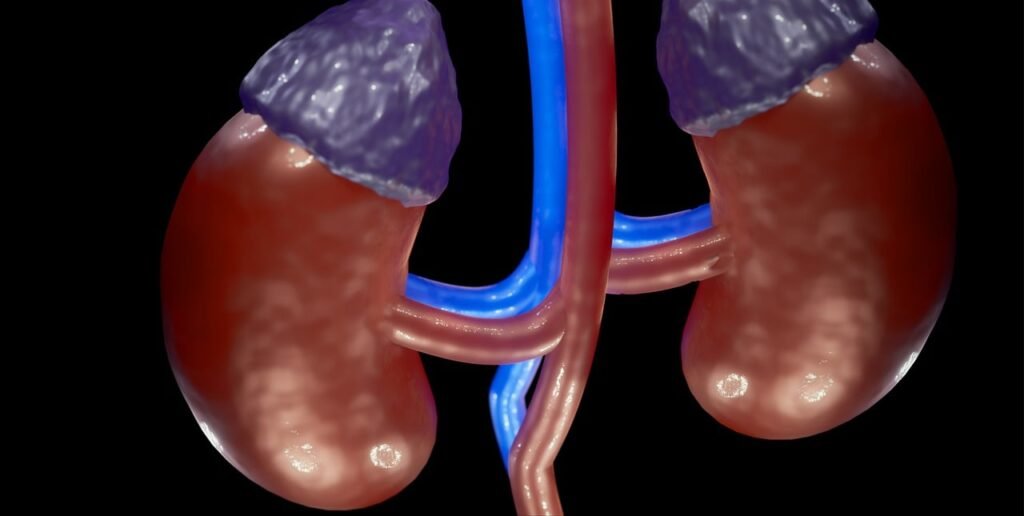
Aldosterone is a hormone made by the adrenal glands. Its job is to help regulate blood pressure and fluid balance by affecting how the kidneys handle sodium and potassium. In simplified terms, more aldosterone tends to increase sodium and water retention and increase potassium loss. That is why aldosterone testing often appears in workups for high blood pressure, low potassium, adrenal disorders, or suspected primary aldosteronism. Quest Health explains that aldosterone helps control blood pressure by balancing sodium, potassium, and water in the bloodstream, and Labcorp describes aldosterone as part of the renin-angiotensin system that affects sodium transport and potassium excretion.The specimen is usually blood. Labcorp’s Aldosterone, LC/MS test menu lists serum or plasma as acceptable specimen types, a 1.2 mL volume, red-top, gel-barrier, or lavender-top EDTA tubes, and LC/MS-MS methodology. LC/MS-MS is a mass-spectrometry method often used for steroid hormones because it can be more analytically specific than many older immunoassays, although your result must still be interpreted using the performing laboratory’s reference interval and protocol.
Lab Tech Insight
Aldosterone is not a “walk in whenever” hormone if the result will be used for a hypertension workup. The number can shift with posture, salt intake, kidney blood flow, potassium, and medications. A technically valid blood draw can still be clinically hard to interpret if the collection conditions were not the conditions assumed by the reference range.
Why aldosterone is often paired with renin
The most common reason shoppers compare aldosterone testing is concern about primary aldosteronism, sometimes called Conn syndrome. This is not the only cause of high blood pressure, and an online lab test cannot diagnose it by itself. Still, it is clinically important because it is a potentially treatable endocrine cause of hypertension. The 2025 Endocrine Society guideline states that all individuals with hypertension should be screened for primary aldosteronism with aldosterone and renin measurement and calculation of the aldosterone-to-renin ratio, with care guided by the results.Renin is the pairing marker because aldosterone is normally regulated through the kidney-adrenal hormonal pathway. In many primary aldosteronism patterns, aldosterone is inappropriately high relative to renin, and renin is low or suppressed. The Endocrine Society describes suppressed renin as a hallmark of the diagnosis and provides screening guidance that considers aldosterone concentration, renin concentration or activity, and the ratio together rather than treating aldosterone as a stand-alone yeso answer.This is why the cheapest aldosterone-only price is not automatically the best value. If the clinical question is “Could excess aldosterone be contributing to hypertension?” an aldosterone-only result may lead to a second order for renin, a repeat blood draw, and another wait for results. On the other hand, if a clinician specifically asked for aldosterone alone as part of a broader endocrine evaluation, a single aldosterone test may be exactly what was requested.
Preparation: posture, timing, sodium, potassium, and medications
Preparation is the part of aldosterone testing most likely to be underestimated by consumers. Many routine blood tests are fairly forgiving. Aldosterone and renin are different because both respond to the body’s volume and blood-pressure signals. Labcorp notes that factors such as dehydration, salt restriction, upright posture, and renal artery narrowing can increase renin and aldosterone, while high salt intake and supine posture can decrease both. Quest Health similarly notes that aldosterone and renin change through the day and can be affected by body position, medications, and stress.
Time of day and posture
The Endocrine Society recommends screening in the morning with individuals seated and avoiding dietary sodium restriction for the few days before screening. Quest Health’s consumer primary aldosteronism page adds a practical scheduling instruction: for best results, schedule the sample collection at least two hours after waking.Different laboratories and clinicians may use slightly different protocols, such as seated after a defined resting period or upright/ambulatory before the draw. What matters is consistency: the lab’s reference ranges and your clinician’s interpretation assume a collection condition. If you were lying down, seated, dehydrated after exercise, or rushing in after a stressful commute, tell the clinician reviewing the result.
Sodium and potassium
Do not intentionally restrict salt before an aldosterone-renin screening test unless your clinician tells you to. The Endocrine Society specifically says to avoid dietary sodium restriction during the few days before screening. Potassium is also important because low potassium can lead to a falsely low aldosterone result; if screening is negative but hypokalemia is present, the guideline says potassium should be corrected to the laboratory reference range and screening repeated.
Medications
Medication effects are a major reason aldosterone-renin testing may be repeated. The Endocrine Society lists several medication groups that can interfere with screening. Beta blockers, central alpha-2 agonists such as clonidine and methyldopa, and NSAIDs can lower renin. Mineralocorticoid receptor antagonists, diuretics, epithelial sodium-channel inhibitors such as amiloride and triamterene, ARBs, ACE inhibitors, and SGLT2 inhibitors can raise renin. Some medications can also lower or raise aldosterone itself.Do not stop blood pressure medication, diuretics, hormone therapy, or potassium-related medication on your own. The guideline discusses minimal-withdrawal and full-withdrawal strategies, but those are clinician-managed decisions because stopping or substituting blood pressure medication can be risky. If you are ordering a consumer test to discuss with your own clinician, bring a complete medication and supplement list to that conversation.
How results are commonly interpreted
Aldosterone interpretation depends on the reason for testing. A result that is “normal” for one collection condition or assay may not rule out a problem if the test was collected under less useful conditions or if medications suppressed the signal. The Endocrine Society emphasizes that aldosterone and renin values are influenced by individual variability, local laboratory assays, and other factors, and that clinicians should rely on local laboratory cut points where possible.In a primary aldosteronism screening context, clinicians look for a pattern: aldosterone that is inappropriately high relative to renin, with renin low or suppressed and the aldosterone-renin ratio elevated. The 2025 guideline gives example thresholds, but it also cautions that no cut point is perfect and that sensitivity and specificity change with the threshold chosen. This is one reason a borderline or unexpected result may be repeated on a different day, especially if potassium was low or medication effects were likely.High aldosterone with high renin can point in a different direction than high aldosterone with suppressed renin. For example, Labcorp notes that decreased kidney perfusion can increase both aldosterone and renin, and that secondary hyperaldosteronism can occur with conditions that reduce kidney blood flow, lower blood pressure, or lower plasma sodium. These patterns require medical evaluation; they are not something a consumer should self-diagnose from one lab value. Low aldosterone can also have multiple explanations, including collection conditions, sodium intake, medications, adrenal function, and kidney-renin signaling. If aldosterone was ordered with other adrenal or electrolyte tests, the surrounding results often matter more than the aldosterone number alone.
How to order and avoid surprise costs
Before buying, decide what question you are trying to answer with your clinician or with the clinician who will review your results. If the question is possible primary aldosteronism, a combined aldosterone-renin ratio product may prevent the common problem of paying for aldosterone alone and later learning that renin was needed too. If you choose a reflex product, make sure you understand when aldosterone will and will not be run.
When comparing providers, check these line items one by one:
- Advertised test price: aldosterone alone is usually cheaper than an aldosterone-renin ratio.
- Physician/order fee: Quest Health lists a $6 physician service fee on top of its $89 primary aldosteronism test price.
- Routine blood draw: confirm whether the standard in-person blood draw is included in the displayed price or charged separately by the collection site.
- Reflex testing: Quest Health’s product runs aldosterone only if plasma renin activity is out of range, so the listed price should not be interpreted as a guaranteed aldosterone result.
- Turnaround time: published estimates vary by provider and test. Ulta lists 5–6 business days for its aldosterone test and 5–6 business days, up to 8 business days, for its aldosterone/plasma renin activity ratio; HealthLabs describes many results as 1–3 business days; Quest Health lists 5–7 business days for its primary aldosteronism product; Labcorp’s physician-ordered Aldosterone, LC/MS menu lists 4–7 days.
- State restrictions: verify your state and ZIP code before paying, especially if you live in a state with direct-access testing limits.
- Insurance: many consumer-ordered lab marketplaces are self-pay. Quest Health states that tests purchased on QuestHealth.com are intended for direct payment, are not billed to insurance, and cannot be submitted for insurance reimbursement.
Lab Tech Insight
If you plan to share results with a clinician, save the full PDF report, not just the portal’s “normal” or “high” flag. For aldosterone-renin testing, the clinician needs the units, method, reference interval, posture or collection notes if provided, and whether renin was reported as plasma renin activity or direct renin concentration.
FAQs
How much does an aldosterone blood test cost without insurance?
Reviewed self-pay options range from about $55.95 for aldosterone alone to about $116.95–$149 for aldosterone-renin ratio testing. Quest Health’s primary aldosteronism product is listed at $89 plus a $6 physician service fee, but it is a plasma renin activity test with reflex aldosterone if renin is out of range rather than a guaranteed aldosterone-renin ratio panel.
Is aldosterone usually ordered by itself or with renin?
For suspected primary aldosteronism or hormone-related hypertension, aldosterone is usually interpreted with renin and an aldosterone-renin ratio. Aldosterone alone may be appropriate for certain clinician-directed endocrine questions, but it is less complete for many high-blood-pressure screening questions.
Do I need to fast before an aldosterone blood test?
Fasting is not usually the central preparation issue. The bigger issues are morning timing, seated or upright posture, normal sodium intake, potassium status, and medication effects. Follow the specific instructions from the ordering provider or laboratory because protocols vary by purpose.
What time should I schedule the blood draw?
Many screening protocols use a morning draw. The Endocrine Society describes morning testing with the individual seated, and Quest Health tells purchasers of its primary aldosteronism test to schedule collection at least two hours after waking.
Can blood pressure medicines affect the result?
Yes. Beta blockers, clonidine, methyldopa, NSAIDs, ACE inhibitors, ARBs, diuretics, mineralocorticoid receptor antagonists, amiloride, triamterene, SGLT2 inhibitors, and some hormone therapies can affect aldosterone, renin, or the ratio. Do not change prescribed medication without clinician guidance.
What other labs are commonly paired with aldosterone and renin?
Potassium is especially important because low potassium can make aldosterone look falsely low. Clinicians may also review sodium, creatinine, kidney function, and a broader metabolic panel depending on the situation. The Endocrine Society specifically notes that potassium is assessed alongside aldosterone and renin to help interpret aldosterone accurately.
Can I use an online aldosterone result to diagnose myself?
No. Aldosterone and renin results are sensitive to collection conditions, medications, assay method, and clinical context. A result can support a conversation with a clinician, but it should not be used by itself to diagnose primary aldosteronism, adrenal disease, kidney disease, or the cause of high blood pressure.
Practical next steps
- Clarify the test type: aldosterone alone, renin alone, aldosterone-renin ratio, or a reflex product are not interchangeable.
- Compare total price: include physician/order fees, routine blood draw, reflex rules, and whether both aldosterone and renin are included.
- Plan the draw conditions: ask about morning timing, seated/upright posture, sodium intake, potassium, and medication instructions before you schedule.
- Keep your medication list: bring prescription drugs, over-the-counter NSAIDs, hormones, diuretics, supplements, and potassium products to the clinician reviewing your results.
- Share the full report: include units, reference ranges, method, and collection notes so the result can be interpreted in context.
Use the CTX Stat nationwide comparison tool to review self-pay prices across major laboratory testing providers.