Medical & affiliate disclosure: CTX Stat provides educational laboratory information and is not a substitute for professional medical advice, diagnosis, or treatment. CTX Stat may receive compensation from some outbound provider links when an affiliate program is active; provider comparisons and rankings are based on consumer fit, effective cost, access, policies, and reputation—not commission.
Renin blood test cost depends first on which renin test you are buying. Most consumer-accessible options in the United States are plasma renin activity (PRA) tests or aldosterone-renin ratio (ARR) panels that use PRA. Current self-pay prices for commonly available online options are often in the about $95 to $149 range before optional add-ons, with the lowest advertised test price not always being the lowest final cost after order or physician-service fees. Direct renin concentration, sometimes called DRC, is a different method and is less commonly sold as a stand-alone direct-to-consumer product.
Quick Take
- Most online renin options use PRA. PRA measures renin activity, not just the amount of renin protein.
- Direct renin is not interchangeable with PRA. The result units, reference intervals, and aldosterone-renin ratio cutoffs differ.
- Expect practical self-pay totals around $95 to $149 for the common consumer options reviewed here, depending on whether aldosterone is included, reflexed, or purchased separately.
- Renin is often paired with aldosterone and potassium. The Endocrine Society recommends primary aldosteronism screening with aldosterone and renin, with potassium used to help interpret aldosterone.
- Preparation matters. Posture, time of day, sodium intake, potassium status, licorice products, and many blood pressure medications can change renin and aldosterone results.
Why the type of renin test changes the price
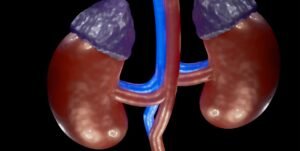
Renin is an enzyme made by the kidneys that helps regulate aldosterone, sodium balance, potassium balance, fluid volume, and blood pressure. MedlinePlus notes that renin and aldosterone usually rise and fall together, are highest in the morning, and can be affected by posture, stress, and medications. That is why a renin price comparison should never stop at the word “renin.” You need to know whether the product is PRA, direct renin concentration, renin with reflex aldosterone, or a full aldosterone-renin ratio panel.
Plasma renin activity (PRA) measures how much angiotensin I is generated over time when renin acts on its natural substrate. Labcorp’s test menu describes PRA as an activity assay reported in ng/mL/hour and notes that it differs from direct renin immunoassays. In PRA testing, the patient’s angiotensinogen level can influence the measured activity, which is one reason method and patient context matter.
Direct renin concentration (DRC) measures renin concentration by immunoassay. Direct renin is used by some laboratories and health systems, and the Endocrine Society guideline recognizes screening with renin “concentration or activity.” However, DRC uses different units and different ARR thresholds than PRA. A DRC result should not be interpreted using a PRA reference range.
Lab Tech Insight
When comparing prices, match the method, not just the test name. A “renin” product that reports ng/mL/hour is usually PRA. A result in mU/L, pg/mL, or a similar concentration unit may be direct renin, depending on the lab. If your clinician asked for a specific method, buy that method or ask before substituting.
Current self-pay pricing: PRA, reflex aldosterone, and ARR panels
The table below compares common consumer-facing options that were publicly available from major providers or provider pages. Prices can change, and a final checkout screen is the best source for the exact amount charged to you. This table is not ranked by commission; it is organized to make the test type and effective cost to the patient easier to compare.
| Provider | Product reviewed | What it appears to include | Advertised price and required fees | Effective self-pay cost to compare | Collection, turnaround, and availability notes |
|---|---|---|---|---|---|
| Quest Health | Primary Aldosteronism Test | Plasma renin activity first; aldosterone reflex testing if PRA is out of range | $89 test price plus $6 physician service fee | $95 before optional items | Blood draw at Quest; product page says results are typically available within 5–7 business days after sample collection. Quest Health states lab tests are not currently available in Arizona, Hawaii, or Puerto Rico, and individual tests may have additional restrictions. |
| Labcorp OnDemand | Aldosterone-Renin Ratio Test | Aldosterone, plasma renin activity, and ARR | $139 displayed price | $139 as displayed on the product page | Blood draw in person at a Labcorp location; page lists ages 18–100, results 4–7 days from when the sample arrives at the lab, and preparation requiring mid-morning collection after being upright at least two hours and seated 5–15 minutes. |
| Ulta Lab Tests | Plasma Renin Activity Test | Plasma renin activity, LC/MS/MS | $83.95 advertised in public search result; independent comparison listings have shown a $12.95 requisition charge | $83.95 advertised; about $96.90 if the requisition charge applies | Blood draw. Public listing shows average processing around 4–5 business days and no preparation instructions on that page, but ARR-style interpretation may require stricter preparation from your clinician. Confirm final checkout total and state eligibility. |
| HealthLabs | Aldosterone-to-Renin Ratio Test | Aldosterone-renin ratio product; blood draw | $149 displayed price | $149 as displayed | HealthLabs describes online ordering, local lab collection through a large partner network, and most results in 1–3 business days. Its “Why Choose” page states the listed price is the price paid, with no taxes, hidden fees, or shipping costs. |
| Own Your Labs | Shop page | No clearly listed renin or ARR product found in the public shop results reviewed | No renin price verified | Not comparable unless a renin product appears at checkout | Own Your Labs says a la carte blood tests are fulfilled at participating Labcorp locations, but its FAQ lists important state restrictions. If renin is not listed, this is not a practical renin-price option. |
Renin-only test or aldosterone-renin ratio: which price is more meaningful?
A renin-only test may look cheaper, but it may not answer the clinical question by itself. Renin is often ordered with aldosterone because the relationship between the two hormones is what helps clinicians sort through patterns such as primary aldosteronism, secondary aldosteronism, adrenal insufficiency, diuretic effects, kidney blood-flow issues, sodium depletion, or low-renin hypertension. MedlinePlus explains that an aldosterone test is often done at the same time as a renin test because the two hormones work together.
For commercial comparison, the important distinction is whether the product includes aldosterone up front. A renin-only PRA product may be appropriate when a clinician specifically wants PRA alone. But if the goal is aldosterone-renin ratio screening, buying renin alone and then separately buying aldosterone can end up costing more, require multiple orders, or create timing mismatch if the samples are not collected under the same posture and preparation conditions.
Quest Health’s consumer product takes a reflex approach: it begins with PRA and reflexes to aldosterone if the PRA level is out of range. Labcorp OnDemand and HealthLabs sell ARR-style products that include aldosterone and renin together. Ulta Lab Tests sells a PRA-only product, and aldosterone may need to be added separately if your clinician wants the ratio.
Direct renin vs PRA: what you are paying for
From a consumer standpoint, PRA is the more common self-pay listing. Labcorp’s renin activity test uses LC/MS-MS measurement of angiotensin I generation and has a typical laboratory turnaround of 4–7 days. Quest’s clinical materials describe a PRA-with-reflex-to-aldosterone pathway and list PRA test code 16846 and reflex pathway test code 13817.
Direct renin concentration is real and clinically used, but it is often encountered in hospital, reference-lab, or physician-ordered settings rather than simple consumer shopping pages. For example, hospital lab catalogs such as Munson Healthcare’s Renin Direct listing and Warde Medical Laboratory’s Direct Renin listing show direct renin collection and handling requirements. These pages are useful for understanding method and specimen issues, but they are not consumer price menus.
If your clinician requested direct renin, ask the ordering office or lab for the exact order name, code, units, and expected patient responsibility. Do not assume a lower-cost PRA product is an acceptable substitute. Conversely, if your clinician requested PRA or an ARR using PRA, a direct renin concentration result could create confusion because the ratio denominator and cutoffs differ.
Preparation and specimen handling can affect both accuracy and cost
Renin is a sensitive test. Poor preparation may not change the amount you pay, but it can increase the chance that your clinician repeats the test. That repeat draw is often the biggest avoidable cost.
The Endocrine Society’s 2025 primary aldosteronism guideline recommends morning screening with aldosterone and renin while the person is seated and avoiding dietary sodium restriction in the days before screening. It also emphasizes potassium measurement because low potassium may falsely lower aldosterone. The guideline notes that medications can interfere and that repeat testing may be appropriate when hypokalemia or medication effects could have produced a false negative or false positive.
Labcorp’s ARR specimen instructions are a good example of how specific these tests can be: collect blood mid-morning after the patient has been upright for at least two hours and seated for 5–15 minutes, then handle serum and frozen plasma appropriately. Labcorp’s PRA specimen instructions call for EDTA plasma, rapid separation, and freezing; they warn that non-frozen or non-separated samples may be rejected and that improper cold exposure before processing can contribute to falsely elevated renin through cryoactivation.
Lab Tech Insight
Renin is not just another routine tube. PRA commonly requires EDTA plasma that is separated and frozen. If you are using a third-party ordering service, make sure the collection site routinely handles the specific renin test being ordered. A rejected specimen can mean another appointment, another draw, and delayed answers.
Common factors that can change renin and aldosterone results
- Posture and time of day: Renin and aldosterone vary through the day and with lying, sitting, and standing.
- Sodium intake: Sodium restriction tends to raise renin; high sodium intake can lower it. ARR screening protocols often ask people not to restrict salt before testing unless a clinician gives different instructions.
- Potassium: Low potassium can affect aldosterone interpretation. Potassium is commonly checked alongside renin and aldosterone in primary aldosteronism screening.
- Medications: Diuretics, mineralocorticoid receptor antagonists such as spironolactone or eplerenone, ENaC inhibitors such as amiloride or triamterene, ACE inhibitors, ARBs, beta blockers, central alpha-2 agonists, NSAIDs, oral contraceptives, and hormone therapy may affect results. Medication changes can be risky; do not stop prescribed medications unless the ordering clinician tells you to.
- Licorice: MedlinePlus advises avoiding natural black licorice for at least two weeks before testing because it can affect results. Some lab protocols also mention licorice-root products and chewing tobacco containing licorice derivatives.
- Kidney, adrenal, heart, and liver conditions: These can change renin and aldosterone patterns, which is why results need clinical interpretation rather than isolated self-diagnosis.
How clinicians commonly interpret high and low patterns
Renin interpretation is pattern-based. A low or high result is not a diagnosis by itself. The same renin value can mean different things depending on aldosterone, potassium, sodium intake, posture, medications, kidney function, and blood pressure history.
| Pattern | Common clinical meaning | Why follow-up may be needed |
|---|---|---|
| Low renin with higher-than-expected aldosterone | Can fit a primary aldosteronism screening pattern when ARR and lab-specific cutoffs are met | Clinicians may repeat testing, assess potassium, review interfering medications, or consider confirmatory testing depending on the full case. |
| High renin with high aldosterone | Can be seen when the body is driving aldosterone through the renin-angiotensin system, such as volume depletion, diuretics, renovascular patterns, or some heart, liver, or kidney conditions | The cause is not determined from renin alone. Kidney function, electrolytes, blood pressure pattern, medications, and imaging or specialty evaluation may be relevant. |
| High renin with low aldosterone | Can occur in adrenal insufficiency or other salt-wasting states | Clinicians may pair with cortisol, ACTH, electrolytes, and clinical symptoms when appropriate. |
| Low renin with low aldosterone | Can be seen in some low-renin hypertension patterns, medication effects, Cushing-related patterns, licorice effect, or rare mineralocorticoid-like states | Medication and supplement history is especially important; repeat testing may be needed under standardized conditions. |
The Endocrine Society guideline gives specific screening examples for primary aldosteronism, including suppressed renin with aldosterone that is inappropriately high relative to renin and an elevated ARR. It also cautions that cut points are imperfect and that local laboratory assays, patient variability, medications, and conditions affect interpretation. In plain language: the number is only part of the answer.
How to compare total cost before ordering
Use this checklist before paying for a renin test online:
- Confirm the method. Is it plasma renin activity, direct renin concentration, or an ARR panel?
- Confirm what is included. Does the price include aldosterone? Is aldosterone reflexed only if renin is suppressed or out of range? Is potassium included?
- Compare the final checkout total. Include physician-service fees, requisition fees, processing fees, blood-draw fees, cancellation fees, and any state-dependent charges that appear before payment.
- Check the lab network. Make sure the available collection site can perform and process renin properly.
- Check state restrictions. Quest Health says its tests are not currently available in Arizona, Hawaii, or Puerto Rico. Ulta and other third-party services may restrict New York, New Jersey, Rhode Island, Hawaii, or other locations depending on the ordering pathway. Labcorp OnDemand says availability of some direct-access tests varies by state. Own Your Labs lists resident restrictions in its FAQ.
- Ask about insurance only if a clinician is ordering. Direct-to-consumer tests are usually self-pay. Quest Health states tests purchased on its site are intended for direct payment and cannot be submitted for insurance reimbursement. If your doctor orders the test, billing rules may be different.
When a self-pay renin test may not be the best route
Self-pay ordering can be useful when a person wants price transparency or when a clinician has already told them exactly what to order. But renin is more preparation-sensitive than many routine wellness labs. If you are being evaluated for resistant hypertension, low potassium, adrenal disease, kidney artery disease, adrenal insufficiency, or medication-related changes, a clinician-directed order may reduce the chance of buying the wrong method or collecting the sample under the wrong conditions.
A clinician can also decide whether renin should be paired with aldosterone, potassium, sodium, creatinine/eGFR, cortisol, ACTH, urine aldosterone, plasma metanephrines, or other tests. More testing is not always better; the right test combination depends on the question being asked.
FAQs
How much does a renin blood test cost without insurance?
Common self-pay options reviewed here range from about $95 for Quest Health’s PRA reflex product to $139–$149 for ARR-style products through Labcorp OnDemand and HealthLabs. Ulta Lab Tests has displayed a lower advertised PRA price, but any requisition or checkout fee should be verified before comparing totals.
Is direct renin the same as plasma renin activity?
No. PRA measures enzymatic activity by how much angiotensin I is generated over time. Direct renin concentration measures renin protein concentration by immunoassay. The units and aldosterone-renin ratio thresholds differ, so the tests are not interchangeable.
Should renin be ordered with aldosterone?
Often, yes. Renin is commonly interpreted with aldosterone, and potassium is often checked to support interpretation. A renin-only result may be useful for certain clinician-directed questions, but it is often less informative for primary aldosteronism screening.
Do I need to fast before a renin blood test?
Fasting rules vary by laboratory and clinical purpose. Some direct renin catalogs say fasting is recommended but not required, while many ARR protocols focus more on morning timing, upright posture, seated rest, usual salt intake, potassium status, and medication review. Follow the instructions attached to your order.
Why do some products include aldosterone only as a reflex?
A reflex pathway starts with renin and adds aldosterone only when the renin result meets the lab’s reflex rule. Quest’s pathway, for example, begins with PRA and reflexes to aldosterone when PRA is suppressed or out of range according to the product or clinical algorithm. This can reduce unnecessary aldosterone testing in some pathways, but it is different from buying a full ARR panel that measures both upfront.
Can I diagnose primary aldosteronism from my renin result?
No. A renin result can support a screening discussion, but it cannot diagnose or rule out a condition on its own. Primary aldosteronism evaluation depends on aldosterone, renin or PRA, ARR, potassium, medications, blood pressure history, repeat testing when appropriate, and clinician interpretation.
Practical next steps
- Write down the exact test your clinician wants: PRA, direct renin concentration, renin with reflex aldosterone, or aldosterone-renin ratio.
- Compare total cost, not just advertised price: include test price, physician/order fees, requisition fees, routine draw fees, and whether aldosterone or potassium must be purchased separately.
- Follow the preparation instructions exactly: especially timing, posture, salt intake, potassium correction if your clinician addresses it, and medication guidance.
- Check the units when results arrive: PRA and direct renin use different units and reference intervals.
- Review abnormal, borderline, or confusing results with a qualified clinician: renin is highly context-dependent, and repeat testing under standardized conditions is common when results do not fit the clinical picture.
Use the CTX Stat nationwide comparison tool to review self-pay prices across major laboratory testing providers.