Medical & affiliate disclosure: CTX Stat provides educational laboratory information and is not a substitute for professional medical advice, diagnosis, or treatment. CTX Stat may receive compensation from some outbound provider links when an affiliate program is active; provider comparisons and rankings are based on consumer fit, effective cost, access, policies, and reputation—not commission.
Quick take
- What it is: The eGFR blood test estimates glomerular filtration rate, a key measure of how well your kidneys are filtering waste from the blood.
- How it is calculated: Most eGFR results come from a blood creatinine test plus an equation that uses age and sex. Many U.S. laboratories now use race-free eGFR equations recommended by kidney and laboratory organizations.
- Why it matters: eGFR helps screen for kidney disease, monitor known kidney problems, guide medication decisions, and determine whether more testing is needed.
- Preparation: Fasting is usually not required for creatinine/eGFR alone, but follow instructions if the test is ordered with a metabolic, diabetes, or cholesterol panel.
- Important limitation: eGFR is an estimate, not a direct measurement. Results can be affected by muscle mass, diet, certain medicines, acute illness, pregnancy, and rapid changes in kidney function.
What is an eGFR blood test?
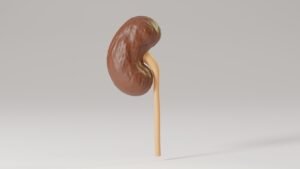
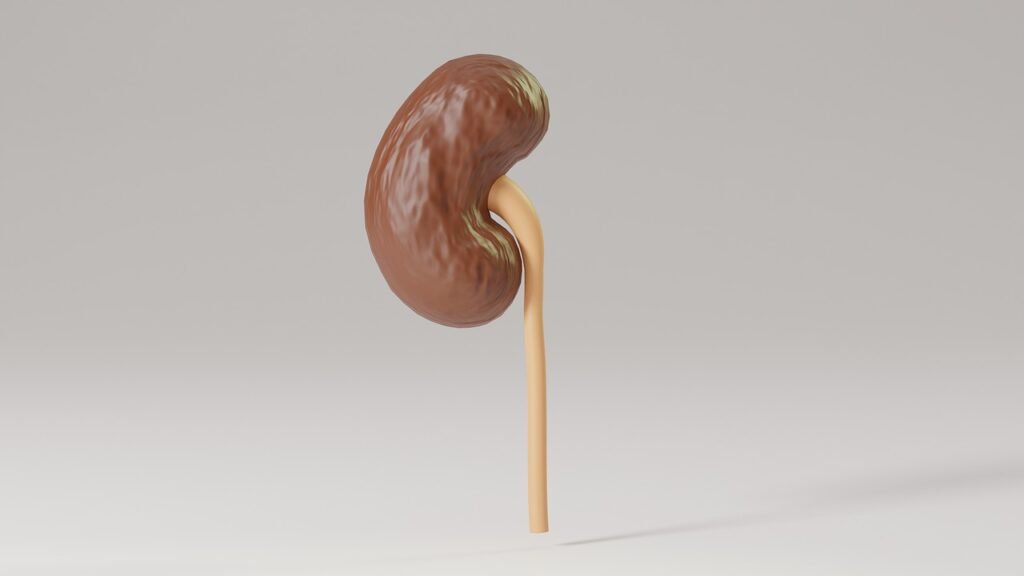
An eGFR blood test estimates your glomerular filtration rate: the rate at which the kidneys filter blood through tiny filtering units called glomeruli. Healthy kidneys remove waste products and extra fluid while helping regulate blood pressure, minerals, acid-base balance, and hormones involved in red blood cell production.
In everyday lab testing, eGFR is usually not measured directly. Instead, the laboratory measures a substance in your blood—most often creatinine—and uses a calculation to estimate filtration. Creatinine is a waste product related to muscle metabolism. When kidney filtration declines, creatinine often rises, but the same creatinine number can mean different things depending on age, sex, body size, muscle mass, diet, and other factors. That is why eGFR is more informative than creatinine alone for many adults.
The National Kidney Foundation describes eGFR as a practical way to estimate kidney filtering because direct measured GFR testing is more complex and not routinely needed for most people. The National Institute of Diabetes and Digestive and Kidney Diseases similarly notes that clinicians use blood creatinine to estimate GFR and often pair it with urine testing for albumin.
Many eGFR results are automatically reported when a clinician orders serum creatinine, a basic metabolic panel, or a comprehensive metabolic panel. You may see the result listed as “eGFR,” “estimated GFR,” “eGFRcr” for creatinine-based eGFR, or “eGFRcr-cys” when both creatinine and cystatin C are used.
Why an eGFR test is ordered
Clinicians order eGFR testing to screen for kidney disease, monitor kidney function over time, and evaluate whether kidney function is stable enough for certain medications or imaging contrast decisions. Chronic kidney disease can be silent early on, so blood and urine tests are often the only way to detect it before symptoms appear.
Testing is especially common if you have risk factors such as diabetes, high blood pressure, heart disease, obesity, older age, a family history of chronic kidney disease, a prior kidney injury, or long-term use of medicines that can affect the kidneys. The CDC reports that more than 1 in 7 U.S. adults has chronic kidney disease and many do not know they have it, which is one reason routine testing is emphasized for higher-risk groups.
Common reasons an eGFR blood test may be ordered include:
- Routine screening during a physical, especially in adults with diabetes or high blood pressure.
- Monitoring known kidney disease to see whether kidney function is stable, improving, or declining.
- Checking medication safety, because some drug doses depend on kidney function.
- Evaluating abnormal creatinine or BUN results found on a metabolic panel.
- Assessing dehydration, infection, or acute illness when kidney function may change temporarily.
- Pre-procedure evaluation before some imaging studies, surgeries, or treatments.
For kidney disease risk, eGFR is only part of the picture. Urine albumin testing is often equally important because kidney damage can be present even when eGFR is still in the normal range.
How to prepare for an eGFR blood test
For a creatinine-based eGFR alone, preparation is usually simple. A health professional draws a small blood sample from a vein in your arm, and the blood draw itself usually takes only a few minutes. MedlinePlus notes that your provider may give instructions about fasting or avoiding certain foods, depending on the situation and the other tests ordered with eGFR.
Ask whether you need to fast. eGFR alone often does not require fasting. However, if your eGFR is part of a comprehensive metabolic panel, diabetes evaluation, lipid panel, or other bundled blood work, you may be told not to eat for a certain number of hours.
Stay normally hydrated unless told otherwise. Dehydration can make kidney function markers look worse temporarily. On the other hand, drinking excessive amounts of water right before the test is not necessary and may not reflect your usual baseline.
Tell your clinician about medicines and supplements. Do not stop prescribed medication on your own, but tell the ordering clinician about prescription drugs, over-the-counter pain relievers, antibiotics, diuretics, creatine supplements, bodybuilding supplements, and herbal products. Some medicines can affect creatinine production, creatinine secretion, or kidney function itself.
Avoid unusual heavy exercise right before testing if possible. Strenuous workouts can transiently affect muscle breakdown markers and hydration status. If your result is unexpected and you recently had intense exercise, tell your clinician.
Ask about diet instructions. A large cooked-meat meal shortly before blood collection can temporarily influence creatinine in some people. You usually do not need a special diet before routine testing, but it is best to follow the lab’s instructions and avoid making unusual last-minute changes.
How to read eGFR results
eGFR is generally reported as mL/min/1.73 m². The “1.73 m²” part means the result is indexed to a standard body surface area, which helps laboratories compare kidney filtration across adults of different sizes. In medication dosing or very large or very small body size, clinicians may also consider non-indexed kidney function estimates or creatinine clearance.
Do not interpret eGFR from one result alone. A new low value may reflect dehydration, recent illness, medication effects, obstruction, acute kidney injury, or lab-to-lab variation. Chronic kidney disease is usually defined by kidney abnormalities that persist for at least three months, such as persistently reduced eGFR or persistent albumin in the urine.
| eGFR category | Common interpretation | What it may mean in practice |
|---|---|---|
| 90 or higher | Normal or high filtration | Usually reassuring if urine albumin and other kidney markers are normal. Kidney damage can still exist if urine albumin, imaging, or other findings are abnormal. |
| 60–89 | Mildly decreased | May be normal for some older adults. By itself, it does not necessarily mean CKD unless other kidney damage markers are present. |
| 45–59 | Mild to moderate decrease | Often categorized as G3a if persistent. Clinicians typically review prior results, urine albumin, blood pressure, diabetes status, and medications. |
| 30–44 | Moderate to severe decrease | Often categorized as G3b if persistent. Follow-up monitoring and kidney-protective management become more important. |
| 15–29 | Severe decrease | Often categorized as G4. Nephrology involvement may be needed, along with planning to reduce complications and slow progression. |
| Below 15 | Kidney failure range | Requires prompt medical evaluation. Some people may need dialysis or transplant planning, depending on symptoms, lab findings, and overall health. |
These categories align with widely used kidney disease staging frameworks from the KDIGO 2024 chronic kidney disease guideline, which classifies CKD by cause, GFR category, and albuminuria category. That last part is important: a person with an eGFR of 70 and high urine albumin may have more kidney risk than a person with the same eGFR and normal urine albumin.
What if my eGFR is high?
A high or normal eGFR usually means filtration is preserved. In most adults, an eGFR of 90 or higher is considered normal or high. However, “normal” does not always rule out kidney disease. Early diabetic kidney disease, some inflammatory kidney diseases, or structural kidney problems may show albumin, blood, or abnormal imaging before eGFR falls.
What if my eGFR is low?
A low eGFR suggests reduced kidney filtration, but the cause and urgency depend on context. A sudden drop from 95 to 48 during vomiting, infection, or dehydration is different from a stable eGFR around 48 for several years. Your clinician may repeat the test, compare it with prior results, check urine albumin-to-creatinine ratio, review medications, and evaluate blood pressure, blood sugar, electrolytes, and symptoms.
Seek timely medical advice if a low eGFR is new, rapidly worsening, or accompanied by swelling, shortness of breath, very low urine output, chest pain, confusion, severe weakness, persistent vomiting, or very high blood pressure.
Limitations of eGFR and when follow-up testing helps
eGFR is useful because it is accessible and inexpensive, but it is still an estimate based on population equations. It may be less accurate when creatinine does not reflect typical muscle metabolism or when kidney function is changing quickly.
Creatinine-based eGFR may be harder to interpret in people with very high or very low muscle mass, limb amputation, severe malnutrition, bodybuilding, high creatine supplement use, unusual diets, pregnancy, acute kidney injury, severe liver disease, or rapidly changing fluid status. Older adults may have “normal” creatinine despite reduced filtration because creatinine production can be lower with reduced muscle mass.
Many laboratories have transitioned to race-free eGFR calculations. The National Kidney Foundation and American Society of Nephrology task force recommended adoption of the 2021 CKD-EPI creatinine equation without a race variable and increased use of cystatin C as a confirmatory marker when appropriate. This matters because kidney function estimates can influence diagnosis, referrals, medication decisions, and transplant evaluation.
Tests commonly paired with eGFR
| Test | What it adds | Why it may be ordered |
|---|---|---|
| Urine albumin-to-creatinine ratio (uACR) | Checks for albumin leakage into urine | Helps detect kidney damage and estimate risk, especially in diabetes and high blood pressure. |
| Serum creatinine | The main blood value used to calculate eGFR | Tracks kidney filtration and trends over time. |
| BUN | Measures blood urea nitrogen | Can support evaluation of hydration, protein metabolism, and kidney function, but is less specific than eGFR. |
| Electrolytes | Measures sodium, potassium, bicarbonate, and related chemistries | Kidney disease can affect potassium and acid-base balance; some medications also affect these levels. |
| Cystatin C | Alternative filtration marker less tied to muscle mass | May help confirm eGFR when creatinine is less reliable or when a more precise estimate affects decisions. |
| Urinalysis | Checks for blood, protein, glucose, sediment, and infection clues | Helps identify kidney inflammation, stones, infection, or other urinary tract issues. |
The NIDDK quick reference on UACR and GFR emphasizes that urine albumin and eGFR are the two key markers used to evaluate chronic kidney disease. If you have only an eGFR result and no urine albumin result, ask whether uACR is appropriate for your risk profile.
Cost and access: what to compare before paying out of pocket
An eGFR result is often bundled into routine blood work because it is calculated from creatinine. With insurance, your out-of-pocket cost depends on your plan, deductible, copay, network status, diagnosis codes, and whether testing is considered preventive or diagnostic. If you are paying cash or using a direct-to-consumer lab service, compare the effective total cost, not just the advertised test price.
For a fair comparison, include:
- the creatinine or kidney function test price;
- any required clinician order, telehealth, or physician authorization fee;
- lab draw or specimen collection fees;
- processing, service, or platform fees;
- whether eGFR is included automatically or costs extra;
- whether urine albumin-to-creatinine ratio is included if you need kidney risk screening;
- availability in your state and the nearest collection site;
- how results are delivered and whether abnormal results receive clinician review.
The public CMS Clinical Laboratory Fee Schedule is a Medicare reimbursement reference for covered laboratory tests, not a consumer price list. Retail cash prices can be higher or lower depending on the ordering model, collection network, and bundled fees. If a provider advertises a low test price but requires a separate draw fee or ordering fee, the total you pay may be meaningfully different.
If you are testing because you have symptoms, a known abnormal result, diabetes, high blood pressure, pregnancy, or kidney disease, it is usually better to involve your own clinician rather than ordering an isolated test without follow-up. eGFR interpretation often depends on medication review, urine testing, blood pressure, diabetes control, and prior trends.
Practical next steps after you get an eGFR result
If your eGFR is normal and you have no risk factors, you may only need routine monitoring at the interval your clinician recommends. If you have diabetes, high blood pressure, heart disease, or a family history of kidney disease, ask how often you should have both eGFR and urine albumin checked.
If your result is lower than expected, do not panic over one number. Ask these questions:
- How does this compare with my prior creatinine and eGFR results?
- Should the test be repeated when I am well hydrated and recovered from any recent illness?
- Do I need a urine albumin-to-creatinine ratio?
- Could any of my medicines or supplements affect kidney function or creatinine?
- Do any medication doses need to be adjusted?
- Should cystatin C, imaging, or nephrology referral be considered?
Kidney-protective steps vary by diagnosis, but common themes include controlling blood pressure, managing blood sugar if you have diabetes, avoiding unnecessary NSAID use when advised, stopping smoking, reviewing medications for kidney dosing, and following an individualized nutrition plan if kidney disease is confirmed.
FAQs about the eGFR blood test
Is eGFR the same as creatinine?
No. Creatinine is the blood measurement. eGFR is the calculated estimate of kidney filtration based largely on creatinine, plus factors such as age and sex. eGFR often gives a clearer kidney function picture than creatinine alone.
Can eGFR improve?
Sometimes. eGFR can rise if a temporary factor improves, such as dehydration, acute illness, medication effect, or urinary obstruction. Chronic kidney disease may also stabilize with treatment. Whether improvement is expected depends on the cause.
Does eGFR decline with age?
Yes, average eGFR tends to decline with age, even in many people without diagnosed kidney disease. That is why clinicians interpret results in context rather than using a single number in isolation.
Why did my lab stop showing a race-based eGFR?
Many U.S. labs adopted race-free eGFR equations after kidney and laboratory organizations recommended removing race from eGFR reporting. If you are comparing old and new results, ask your clinician whether the lab changed equations because that can shift reported numbers slightly.
When is cystatin C useful?
Cystatin C can be helpful when creatinine may be misleading, such as in unusually high or low muscle mass, or when a more accurate estimate would change diagnosis, medication dosing, or referral decisions. Some equations combine creatinine and cystatin C for improved estimation.
Can I have kidney disease with a normal eGFR?
Yes. Kidney damage can show up as urine albumin, blood in urine, abnormal imaging, or other markers before eGFR falls. This is why urine albumin-to-creatinine ratio is important in people at higher risk.
Should I order an eGFR test on my own?
Direct access testing can be useful for some consumers, but eGFR is most valuable when interpreted with your medical history, medications, blood pressure, urine albumin, and prior trends. If you have symptoms or known kidney risk factors, involve a healthcare professional.
Educational note
This information is for general education and is not a diagnosis. Lab ranges and clinical decisions vary by person, laboratory method, medical history, and current medications. Always review abnormal or unexpected kidney function results with a qualified healthcare professional.
Source Notes
- National Kidney Foundation: Estimated Glomerular Filtration Rate (eGFR)
- National Institute of Diabetes and Digestive and Kidney Diseases
- CDC: Chronic Kidney Disease Basics
- MedlinePlus — Glomerular Filtration Rate Gfr Test
- KDIGO 2024 Clinical Practice Guideline for CKD Evaluation and Management
- National Kidney Foundation: NKF-ASN Race-Free eGFR Laboratory Implementation
- NIDDK: Quick Reference on UACR and GFR
- CMS: Clinical Laboratory Fee Schedule