Medical & affiliate disclosure: CTX Stat provides educational laboratory information and is not a substitute for professional medical advice, diagnosis, or treatment. CTX Stat may receive compensation from some outbound provider links when an affiliate program is active; provider comparisons and rankings are based on consumer fit, effective cost, access, policies, and reputation—not commission.
Quick Take
- What it measures: The haptoglobin blood test measures haptoglobin, a protein made mainly by the liver that binds hemoglobin released from red blood cells.
- Why it is ordered: It is most often used as part of a workup for suspected hemolysis, meaning red blood cells are being destroyed faster than expected. MedlinePlus notes that haptoglobin testing is commonly used to help diagnose hemolytic anemia.
- Most common abnormal pattern: A low haptoglobin result can support hemolysis, especially when it appears with anemia, high reticulocytes, high LDH, and high indirect bilirubin.
- Important limitation: Haptoglobin is not interpreted by itself. Liver disease, inflammation, recent transfusion, specimen hemolysis, age, and inherited low haptoglobin can affect the result.
- Preparation: Fasting is usually not required. Some laboratories advise avoiding strenuous exercise before collection and reducing the chance of a traumatic blood draw because sample hemolysis can interfere with interpretation.
What is a haptoglobin blood test?
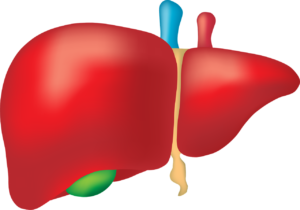
A haptoglobin blood test measures the amount of haptoglobin in your blood. Haptoglobin is a protein produced mainly by the liver. Its main job is to bind free hemoglobin, the oxygen-carrying protein that is normally kept inside red blood cells. When red blood cells break apart, hemoglobin leaks into the bloodstream. Haptoglobin attaches to that free hemoglobin so the body can clear the complex safely, primarily through the liver and reticuloendothelial system.
Small amounts of red blood cell turnover happen all the time, so haptoglobin is normally present in the blood. The test becomes clinically useful when red blood cells are being destroyed too quickly. In that situation, more hemoglobin is released into the circulation, more haptoglobin is used up binding it, and the measured haptoglobin level may fall. This is why low haptoglobin can be an important clue in hemolysis, particularly intravascular hemolysis, where red cells rupture within blood vessels.
The test is not a general wellness marker and is not usually ordered alone as a screening test. It is best understood as one piece of a larger blood and chemistry evaluation. The Merck Manual Professional Edition describes hemolytic anemia evaluation as typically including a peripheral blood smear, reticulocyte count, bilirubin, LDH, and haptoglobin, with additional testing such as a direct antiglobulin test when needed.
Why would a clinician order haptoglobin?
A clinician may order haptoglobin when symptoms, exam findings, or other lab results suggest anemia or red blood cell destruction. Symptoms that can trigger evaluation include fatigue, weakness, shortness of breath, dizziness, pale skin, yellowing of the eyes or skin, dark or reddish-brown urine, rapid heart rate, or unexplained back or abdominal pain. These symptoms do not prove hemolysis, but they can make a red blood cell workup appropriate.
Haptoglobin is often ordered after a complete blood count shows low hemoglobin or hematocrit, or when other findings suggest that red blood cells are being destroyed rather than underproduced. In a typical hemolysis pattern, the bone marrow responds by releasing more young red blood cells, called reticulocytes. LDH and indirect bilirubin may rise as red blood cells break down. Haptoglobin may decrease because it is consumed while binding free hemoglobin. ARUP Consult summarizes this standard workup as reticulocyte count, LDH, unconjugated bilirubin, and haptoglobin, followed by testing to identify the cause.
The test may also be used when a transfusion reaction is suspected. If a person develops symptoms after a blood transfusion, clinicians may evaluate for immune or nonimmune destruction of transfused red blood cells. MedlinePlus notes that haptoglobin may be ordered along with a direct antiglobulin test in that setting. Haptoglobin can also be considered in liver disease evaluation, because haptoglobin is made by the liver and low production can contribute to a low level.
| Clinical question | How haptoglobin may help | Common companion tests |
|---|---|---|
| Is anemia related to red blood cell destruction? | Low haptoglobin can support hemolysis when other markers fit. | CBC, reticulocyte count, LDH, indirect bilirubin, peripheral smear |
| Could there be a transfusion reaction? | A falling or very low haptoglobin may support red cell destruction after transfusion. | Direct antiglobulin test, repeat type and screen, bilirubin, LDH, urinalysis |
| Is a low result due to hemolysis or reduced liver production? | Haptoglobin is liver-produced, so liver function context matters. | AST, ALT, bilirubin, albumin, INR, platelet count |
| Is inflammation masking hemolysis? | Haptoglobin can rise as an acute-phase reactant, so a normal result does not always rule out hemolysis. | CRP, ESR, clinical infection/inflammation evaluation |
How to prepare for the test
Most people do not need special preparation for a haptoglobin blood test. Fasting is generally not required unless other tests drawn at the same appointment require it. For example, if your clinician orders a lipid panel, glucose, or other fasting labs at the same time, follow the fasting instructions for those tests rather than for haptoglobin specifically.
Because haptoglobin is used to interpret red blood cell breakdown, the quality of the blood sample matters. A difficult or traumatic venipuncture can cause red blood cells to break in the tube, a problem called specimen hemolysis. That is different from hemolysis happening inside your body. Laboratories may reject visibly hemolyzed samples or caution that results may be affected. Labcorp’s haptoglobin test information specifically lists avoidance of exercise before collection and avoidance of hemolysis from traumatic venipuncture as patient/specimen considerations for its assay. Labcorp also lists excessive lipemia and hemolysis from traumatic venipuncture as reasons a sample may be rejected.
For the most reliable collection, arrive hydrated unless you have been told to restrict fluids. Tell the person drawing your blood if you have had prior difficult blood draws, fainting, a mastectomy with lymph node removal, dialysis access, or a line that should not be used. If multiple tubes are being collected, haptoglobin is commonly obtained from a standard venous blood sample and processed as serum or plasma depending on the laboratory method.
Do not stop prescription medications unless the ordering clinician tells you to. Some medicines and medical conditions can affect red blood cells, liver function, inflammation, or test interpretation, but stopping medication on your own may be unsafe. It is more useful to make sure your clinician knows about prescription drugs, over-the-counter medications, supplements, recent transfusions, recent infections, major exercise, pregnancy, and known liver disease.
Understanding haptoglobin results
Haptoglobin results are usually reported as a concentration, often in milligrams per deciliter (mg/dL) in the United States. The most important rule is to use the reference interval printed on your own lab report. Reference ranges vary by laboratory method, age, sex, and reporting system. As an example, Mayo Clinic Laboratories lists a serum haptoglobin reference interval of 30–200 mg/dL for its test, while Labcorp publishes age- and sex-specific intervals that differ from a single adult range. A result that is flagged low or high by one lab may not be flagged the same way by another lab.
Low haptoglobin
A low haptoglobin level is the result most closely associated with hemolysis. When red blood cells break apart faster than normal, haptoglobin binds the free hemoglobin and is cleared from circulation. If haptoglobin is being consumed faster than the liver can replace it, the blood level drops.
Low haptoglobin is most meaningful when it appears with other evidence of hemolysis. That pattern may include low hemoglobin or hematocrit, elevated reticulocyte count, elevated LDH, elevated indirect bilirubin, abnormal red blood cell shapes on a peripheral smear, or hemoglobin in the urine. A low result by itself cannot identify the cause. Possible causes of hemolysis include autoimmune hemolytic anemia, transfusion reaction, inherited red blood cell membrane or enzyme disorders, hemoglobin disorders, mechanical heart valves, severe burns, thrombotic microangiopathies, certain infections, and certain medications. The diagnostic path depends on the full clinical picture.
Low haptoglobin can also occur when the liver is not making enough haptoglobin. In that situation, the result may be low even without active hemolysis. Severe liver disease, congenital anhaptoglobinemia, and very young age can complicate interpretation. MedlinePlus notes that low haptoglobin is normal in infants younger than six months, and Mayo Clinic Laboratories notes that congenital absence of haptoglobin can make a single low measurement difficult to interpret.
Normal haptoglobin
A normal haptoglobin result can be reassuring when the rest of the hemolysis workup is also normal, but it does not always rule out hemolysis. Haptoglobin is a positive acute-phase reactant, meaning the liver may make more of it during inflammation, infection, or tissue injury. The NCBI Bookshelf review on acute-phase reactants notes that haptoglobin can appear within normal limits in patients who have both intravascular hemolysis and inflammation. In practical terms, inflammation may push haptoglobin upward while hemolysis pushes it downward, producing a deceptively normal value.
Timing also matters. If hemolysis was brief and has stopped, haptoglobin may recover. Mayo Clinic Laboratories notes that if haptoglobin is removed after an episode of intravascular hemolysis and hemolysis ceases, the concentration may return toward normal within about a week. Your clinician may repeat the test or compare it with trends in hemoglobin, bilirubin, LDH, and reticulocyte count.
High haptoglobin
A high haptoglobin result is less often the main reason for ordering the test. Because haptoglobin can rise with inflammation, high results may be seen with infection, inflammatory disorders, rheumatic disease, ulcerative colitis, or other inflammatory states. MedlinePlus also lists severe infection, acute rheumatic disease, ulcerative colitis, and diabetes among possible associations with higher-than-normal haptoglobin. A high result does not diagnose these conditions; it is interpreted with symptoms and other markers such as C-reactive protein, ESR, white blood cell count, liver tests, and disease-specific testing.
| Result pattern | What it may suggest | What usually clarifies it |
|---|---|---|
| Low haptoglobin + anemia + high reticulocytes + high LDH/bilirubin | Pattern supports hemolysis. | Peripheral smear, DAT/Coombs test, urinalysis, cause-specific testing |
| Low haptoglobin + abnormal liver tests | May reflect reduced liver production, hemolysis, or both. | Liver panel, synthetic function tests, clinical liver evaluation |
| Normal haptoglobin + strong hemolysis signs | Hemolysis may still be possible, especially with inflammation. | Repeat testing, CRP/ESR, LDH, bilirubin, smear, reticulocytes |
| High haptoglobin | Often reflects inflammation or acute-phase response rather than a red cell disorder. | Clinical evaluation for infection/inflammation and other inflammatory markers |
Limitations: what the test can and cannot tell you
The haptoglobin blood test is useful because it gives a biochemical clue about free hemoglobin in circulation, but it is not a standalone diagnosis. It cannot tell you why red blood cells are being destroyed. It cannot distinguish every type of hemolysis by itself. It cannot reliably rule out hemolysis when inflammation is present. It also cannot replace a complete blood count, reticulocyte count, smear review, bilirubin, LDH, or direct antiglobulin testing when those are clinically indicated.
Several factors can make interpretation harder. Recent strenuous exercise can contribute to red blood cell stress in some situations. A traumatic blood draw can cause in-tube hemolysis. Recent transfusion can change the clinical context. Liver disease can reduce production. Inflammation can raise haptoglobin. Inherited low haptoglobin can make a result look abnormal even when active hemolysis is not present. Infants have different expected levels than adults.
This is why a low result should be discussed with the ordering clinician rather than interpreted in isolation. The key question is not only whether haptoglobin is low, but whether the total pattern shows hemolysis, whether hemolysis is ongoing, and what the cause might be. A person with mild chronic low haptoglobin and no anemia may need a different evaluation than a person with a sudden hemoglobin drop, jaundice, dark urine, and high LDH.
How much does a haptoglobin blood test cost?
The cost depends on where and how the test is ordered. If it is ordered by a clinician and billed to insurance, your out-of-pocket cost depends on your plan, deductible, copay or coinsurance, network status, and whether the diagnosis code supports medical necessity. The billing code commonly used for haptoglobin testing is CPT 83010, as shown in Labcorp’s public test listing, but a CPT code alone does not guarantee coverage or a specific price.
If you are paying cash, compare the total cost rather than the advertised test price alone. A low base price may not include a provider order fee, collection fee, draw-site fee, processing fee, or follow-up review. Some direct-access lab services bundle the order and collection into one posted price, while others add a requisition or service charge at checkout. Hospital outpatient labs may have higher chargemaster prices than independent draw centers, although patient responsibility can still vary widely depending on insurance contracts and financial assistance policies.
When comparing options, look for four practical details: the final checkout price, whether a clinician order is included or required, where the blood can be drawn, and whether your state allows that ordering pathway. Also confirm whether the test is performed through a national reference lab, a hospital lab, or a regional laboratory, because reference ranges and turnaround times may differ.
What to do after you receive results
If your haptoglobin is low, review the result with the clinician who ordered it, especially if you also have anemia, jaundice, dark urine, shortness of breath, chest pain, fainting, fever, or symptoms after a transfusion. Seek urgent medical care for severe weakness, chest pain, trouble breathing, fainting, confusion, rapidly worsening jaundice, or red-brown urine with severe symptoms.
If your result is mildly low but you feel well and other blood tests are normal, your clinician may repeat the test, review your history, or check related markers before deciding whether it is clinically important. If your result is high, the discussion may focus more on inflammation, infection, chronic inflammatory disease, or other context rather than red blood cell destruction.
Helpful questions to ask include:
- Was my hemoglobin or hematocrit low on the CBC?
- Were my reticulocyte count, LDH, and indirect bilirubin abnormal?
- Does the pattern suggest hemolysis, liver disease, inflammation, or something else?
- Do I need a peripheral blood smear or direct antiglobulin test?
- Could a recent transfusion, infection, exercise, medication, or blood draw issue affect the result?
- Should the test be repeated, and if so, when?
For many people, haptoglobin is most useful as a signpost. It points the evaluation toward or away from hemolysis when combined with other results. The next step is not based on the haptoglobin number alone; it is based on the complete pattern of symptoms, physical findings, blood counts, chemistry markers, and medical history.
FAQs about the haptoglobin blood test
What is the haptoglobin blood test used for?
It is mainly used to help evaluate possible hemolysis, meaning premature destruction of red blood cells. It is often ordered with a CBC, reticulocyte count, LDH, bilirubin, and peripheral smear. It may also be used when a transfusion reaction or liver-related low haptoglobin is being considered.
Does low haptoglobin always mean hemolytic anemia?
No. Low haptoglobin can support hemolytic anemia when other findings fit, but it can also be seen with liver disease, inherited low or absent haptoglobin, infancy, recent hemolytic episodes, or certain specimen and clinical factors. It should not be diagnosed from one lab value alone.
Can haptoglobin be normal even if red blood cells are breaking down?
Yes. Because haptoglobin can rise during inflammation, infection, or tissue injury, a person with both inflammation and hemolysis may have a result that appears normal. Clinicians look at the full hemolysis panel rather than relying on haptoglobin alone.
Do I need to fast for a haptoglobin test?
Usually no. Fasting is not typically required for haptoglobin itself. If other tests are being drawn at the same appointment, follow the instructions for those tests.
What does high haptoglobin mean?
High haptoglobin is often related to inflammation or an acute-phase response. It may be seen with infection, inflammatory conditions, rheumatic disease, ulcerative colitis, and other inflammatory states. It is not usually diagnostic by itself.
What other tests are commonly ordered with haptoglobin?
Common companion tests include a complete blood count, reticulocyte count, LDH, total and direct bilirubin, peripheral blood smear, direct antiglobulin test, urinalysis, and liver panel. Additional testing depends on whether the suspected cause is immune, inherited, mechanical, medication-related, infectious, or liver-related.
How long do haptoglobin results take?
Turnaround time varies by laboratory and ordering pathway. Many routine outpatient blood tests return within a few business days, but timing can be longer if the sample is sent to a reference lab, if repeat collection is needed, or if the test is part of a larger workup.
Can exercise affect haptoglobin?
Some laboratories advise avoiding strenuous exercise before collection. Exercise can affect red blood cell stress and related markers in certain settings, and avoiding unusual exertion before testing helps reduce avoidable interpretation problems.
Is haptoglobin a liver test?
It is not a standard liver function test, but liver function matters because haptoglobin is produced mainly by the liver. Severe liver disease can lower production, which may make haptoglobin low even without active hemolysis.
What should I do if my haptoglobin is flagged low?
Do not interpret the number in isolation. Compare it with your CBC, reticulocyte count, LDH, bilirubin, smear findings, symptoms, and medical history. Contact the ordering clinician promptly if you have anemia symptoms, jaundice, dark urine, recent transfusion, or rapidly worsening symptoms.