Medical & affiliate disclosure: CTX Stat provides educational laboratory information and is not a substitute for professional medical advice, diagnosis, or treatment. CTX Stat may receive compensation from some outbound provider links when an affiliate program is active; provider comparisons and rankings are based on consumer fit, effective cost, access, policies, and reputation—not commission.
Educational note: This guide explains common ways clinicians interpret haptoglobin results. It cannot diagnose your individual condition, and abnormal results should be reviewed with a qualified health professional who can compare them with your symptoms, exam, medications, and other lab tests.
Quick take
- Haptoglobin is a liver-made protein that binds free hemoglobin released from red blood cells, helping the body clear it from the bloodstream.
- Low haptoglobin is most associated with hemolysis, meaning red blood cells are being destroyed faster than usual. It can also be low in severe liver disease, after some transfusion reactions, in infants, and rarely from inherited low levels.
- High haptoglobin usually points to inflammation rather than a specific disease. It is not commonly used alone to diagnose or monitor inflammatory disorders.
- A haptoglobin result is interpreted as a pattern with CBC, hemoglobin/hematocrit, reticulocyte count, LDH, bilirubin, blood smear, and sometimes a direct antiglobulin test.
- Do not assume high or low haptoglobin equals one diagnosis. The same result can mean different things depending on anemia status, liver function, inflammation, recent transfusion, pregnancy, medications, and timing.
What haptoglobin measures
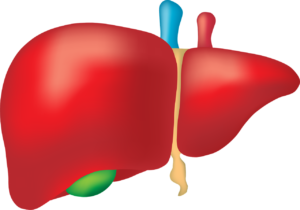
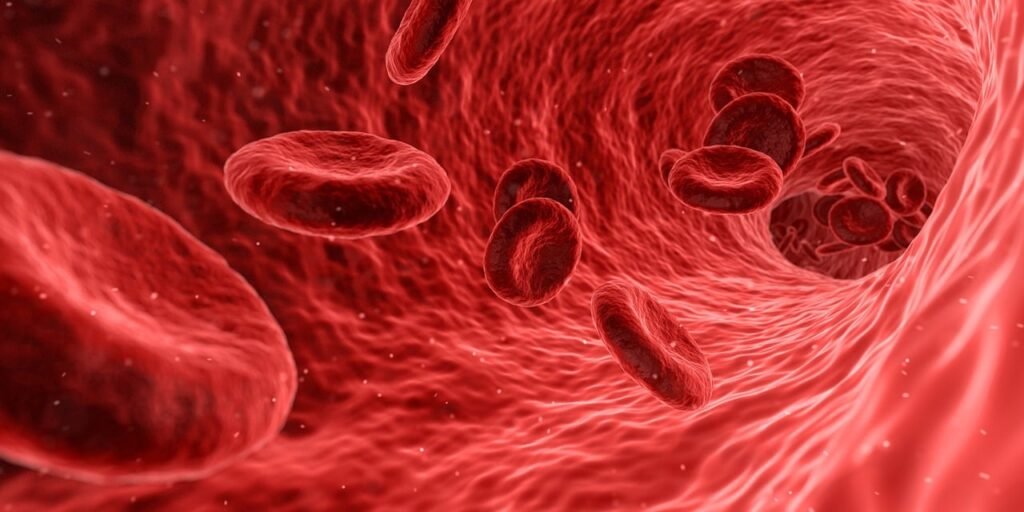
Haptoglobin is a protein produced mainly by the liver. Its job is to bind hemoglobin that escapes from red blood cells into the bloodstream. Hemoglobin normally stays inside red blood cells, where it carries oxygen. When red blood cells are damaged or destroyed, hemoglobin can spill into the blood; haptoglobin attaches to it, and the haptoglobin-hemoglobin complex is then cleared, largely through the liver and reticuloendothelial system. MedlinePlus describes this as the reason haptoglobin levels can drop when red blood cells break down faster than usual: haptoglobin is used up faster than the liver can replace it. MedlinePlus
Clinicians most often order haptoglobin when they are evaluating anemia or possible hemolysis. Hemolysis means red blood cells are being destroyed prematurely. If the bone marrow cannot keep up with that loss, hemoglobin falls and hemolytic anemia can develop. Haptoglobin is useful because it helps answer a specific question: is there biochemical evidence that red blood cells are being destroyed?
Haptoglobin is not a general wellness marker and is not usually interpreted in isolation. A very low value can be an important clue, but it must be compared with the complete blood count, reticulocyte response, bilirubin, lactate dehydrogenase, peripheral smear, liver tests, and clinical context. ARUP Consult notes that a standard hemolysis workup includes LDH, unconjugated bilirubin, haptoglobin, and reticulocyte count, with hemolysis supported by high reticulocytes, LDH, and unconjugated bilirubin plus low haptoglobin. ARUP Consult
Normal haptoglobin range and how to read your result
Reference ranges vary by laboratory, method, age, and reporting unit. Mayo Clinic Laboratories lists an adult serum haptoglobin reference value of 30-200 mg/dL, but your own result should be judged against the reference interval printed on your report. Mayo Clinic Laboratories
| Result category | Common interpretation | Important cautions |
|---|---|---|
| Low | Often suggests haptoglobin is being consumed by excess free hemoglobin from red blood cell breakdown. | Can also be low with severe liver disease, after transfusion reactions, in young infants, or from inherited low production. |
| Normal | May argue against significant hemolysis if other hemolysis markers are also normal. | Does not fully exclude hemolysis, especially if inflammation is raising haptoglobin at the same time it is being consumed. |
| High | Often reflects inflammation because haptoglobin is an acute-phase protein. | Usually nonspecific; high values are not commonly used alone to diagnose the inflammatory condition. |
If your result is reported as <10 mg/dL or below the assay’s detection limit, it means the amount detected was lower than the lab can measure precisely. It does not mean the lab made a mistake, and it does not by itself reveal the cause. If your result is mildly outside the reference range, the clinical importance depends on the full pattern.
What does low haptoglobin mean?
The most common reason clinicians focus on a low haptoglobin is possible hemolysis. When red blood cells break open, haptoglobin binds the released hemoglobin. If enough red cells are breaking down, haptoglobin can fall to very low or undetectable levels. MedlinePlus lists hemolytic anemia, liver disease, and transfusion reaction among causes of lower-than-normal haptoglobin. MedlinePlus
Hemolysis can occur for many reasons. Some causes are immune, meaning antibodies or complement attack red blood cells. Others are nonimmune, such as inherited red blood cell membrane disorders, enzyme deficiencies, hemoglobin disorders, mechanical destruction from certain heart valves or devices, severe infections, toxins, burns, microangiopathic processes, or medication-related red cell injury. A low haptoglobin does not tell which mechanism is responsible.
Low haptoglobin becomes more convincing for hemolysis when it appears with a matching pattern: falling hemoglobin, high reticulocyte count, elevated LDH, elevated indirect bilirubin, jaundice, dark urine, or red blood cell fragments or spherocytes on a peripheral smear. The Merck Manual also describes hemolytic anemia evaluation as involving indirect bilirubin, LDH, haptoglobin, and reticulocyte response, with the direct Coombs test used to evaluate antibody or complement on red blood cells. Merck Manual Professional Edition
However, low haptoglobin is not always hemolysis. Severe liver disease can lower haptoglobin because the liver produces it. Some infants have low levels because haptoglobin production is not fully mature early in life. A recent transfusion reaction is another important context, especially if symptoms such as fever, chills, back pain, shortness of breath, dark urine, or feeling acutely unwell occurred during or after transfusion. Rarely, people have genetically low or absent haptoglobin without active disease.
Low haptoglobin is a clue, not a final diagnosis
A low value is often treated as a hemolysis clue, but clinicians usually confirm the pattern with LDH, bilirubin, reticulocyte count, CBC trend, and smear. If anemia is worsening quickly or symptoms are significant, evaluation should not wait for repeat testing alone.
What does high haptoglobin mean?
High haptoglobin is usually less specific than low haptoglobin. Haptoglobin is an acute-phase reactant, meaning the body can make more of it during inflammation. MedlinePlus notes that higher-than-normal haptoglobin may be seen with ulcerative colitis, acute rheumatic disease, severe infection, and diabetes, and also notes that haptoglobin testing is not usually used to diagnose or monitor inflammatory diseases. MedlinePlus
In practical terms, a high result may fit with infection, inflammatory bowel disease flare, autoimmune or rheumatologic inflammation, recent injury or surgery, some chronic inflammatory states, or other inflammatory signals. But haptoglobin is not specific enough to tell where inflammation is coming from. A clinician may compare it with symptoms, C-reactive protein, erythrocyte sedimentation rate, white blood cell count, liver panel, urinalysis, cultures, imaging, or disease-specific tests if needed.
A high haptoglobin can also complicate interpretation of possible hemolysis. Because inflammation can raise haptoglobin, a person with both inflammation and red blood cell destruction may have a haptoglobin value that is normal rather than low. That is one reason the entire hemolysis panel matters. A normal or high haptoglobin does not automatically override strong evidence of hemolysis from other tests.
How haptoglobin fits with other results
Result interpretation is strongest when the pattern is internally consistent. The following table shows common patterns clinicians consider. These are educational examples, not diagnostic rules.
| Pattern | Possible meaning | Typical follow-up focus |
|---|---|---|
| Low haptoglobin + high LDH + high indirect bilirubin + high reticulocytes | Pattern supports active hemolysis. | Identify cause: immune vs nonimmune, smear findings, medications, inherited disorders, infection, transfusion history. |
| Low haptoglobin + abnormal liver tests + low albumin or other signs of liver dysfunction | May reflect reduced liver production, hemolysis, or both. | Evaluate liver disease and repeat/expand hemolysis workup if anemia or hemolysis markers are present. |
| Low haptoglobin but normal hemoglobin, LDH, bilirubin, and reticulocytes | May be mild, resolved, inherited, lab variation, or non-hemolysis-related. | Trend the result and review history, medications, liver function, and whether testing was ordered for a specific symptom. |
| Normal haptoglobin + high LDH/bilirubin + anemia | Hemolysis still possible, especially if inflammation is also present or if another process explains LDH/bilirubin. | Check direct/indirect bilirubin, smear, reticulocyte count, DAT, liver tests, and clinical context. |
| High haptoglobin + high CRP/ESR or infection symptoms | May reflect an inflammatory response. | Investigate the source of inflammation rather than treating haptoglobin itself. |
Tests commonly paired with haptoglobin
- CBC with differential: Shows hemoglobin, hematocrit, red blood cell indices, white blood cells, and platelets.
- Reticulocyte count: Measures young red blood cells. A high reticulocyte count can mean the bone marrow is responding to blood loss or hemolysis; a low response with anemia can be more concerning.
- LDH: Often rises with cell damage, including red blood cell breakdown, but is not specific to hemolysis.
- Total and direct bilirubin: Helps determine whether indirect bilirubin is elevated, which can occur when hemoglobin breakdown increases.
- Peripheral blood smear: Lets a trained reviewer look for red cell shapes such as schistocytes, spherocytes, sickled cells, or bite cells.
- Direct antiglobulin test, also called DAT or direct Coombs test: Helps distinguish immune from nonimmune hemolysis. ARUP Consult states that DAT is useful for this distinction, although it is not perfectly specific or always positive. ARUP Consult
- Liver panel: Helps assess whether liver disease could be affecting production or bilirubin processing.
- Urinalysis: May help when intravascular hemolysis is suspected, particularly if urine is dark or tests positive for blood without many red blood cells seen microscopically.
Preparation, timing, and limitations
A haptoglobin test is a standard blood draw from a vein. MedlinePlus states that no special preparation is needed for the test, though individual laboratories or direct-access vendors may provide their own instructions. MedlinePlus If your requisition says to fast, avoid strenuous exercise, or collect at a particular time, follow those instructions or ask the ordering clinician why they were requested.
Several factors can make haptoglobin harder to interpret. First, inflammation can increase haptoglobin and mask a low result from hemolysis. Second, severe liver disease can reduce production, making haptoglobin low even without major red cell destruction. Third, timing matters: hemolysis can fluctuate, and haptoglobin may remain low for a period after an episode. Fourth, infants have different physiology; MedlinePlus notes that low haptoglobin is normal in infants under 6 months. MedlinePlus
Sample problems can also confuse the picture. If blood cells break during collection or processing, the specimen may be hemolyzed. That type of in-tube hemolysis is not the same as hemolysis occurring inside the body. A lab may reject the sample, comment on specimen hemolysis, or interpret certain affected tests with caution.
Medications and medical events matter. Tell your clinician about recent transfusions, infections, autoimmune disease, pregnancy or postpartum status, implanted heart valves or circulatory devices, kidney disease, liver disease, new medications, antibiotics, antimalarials, dapsone, sulfa drugs, chemotherapy, supplements, and known G6PD deficiency or family history of hemolytic anemia. Do not stop a prescribed medication solely because haptoglobin is abnormal unless the prescriber tells you to.
Cost and ordering considerations
Haptoglobin is commonly billed under CPT code 83010. If the test is medically necessary and ordered by a clinician, insurance coverage depends on your plan, diagnosis code, deductible, network status, and whether the lab is in network. The Medicare Clinical Laboratory Fee Schedule is a payment-rate reference, not a guarantee of coverage; CMS states that inclusion of a code or payment amount does not imply Medicare will cover a given test. CMS CLFS Files
Self-pay prices can differ sharply from payer fee schedules because consumer prices may include ordering, draw, processing, platform, and clinician-review fees. As one current direct-to-consumer example, Walk-In Lab lists a haptoglobin blood test at $99.00 plus a $6.00 per-order physician fee, for an effective listed cost of $105.00 before any promotions, taxes, or additional charges. Its page also lists specimen as blood, CPT 83010, and a typical result time of 2-4 days, with possible delays. Walk-In Lab
When comparing prices, look at the effective total cost rather than the headline lab price. Important items include whether a clinician order is included, whether a separate draw fee applies, which collection network is used, whether your state allows direct ordering, whether the test is available at nearby locations, expected turnaround time, cancellation rules, and whether results are accompanied by clinical interpretation or simply posted to a portal. A cheaper single test may not be the best value if your clinician actually needs a hemolysis panel or if repeating at an in-network lab would be less expensive under your plan.
Practical next steps if your haptoglobin is high or low
If your haptoglobin is low
- Check the rest of the anemia and hemolysis pattern. Look for hemoglobin/hematocrit, reticulocyte count, LDH, bilirubin, and smear comments.
- Note symptoms and timing. Fatigue, shortness of breath, yellowing of the eyes or skin, dark urine, back pain, fever, or rapid heart rate can change urgency.
- Review recent events. Recent transfusion, infection, new medication, surgery, pregnancy complications, or major illness may be highly relevant.
- Ask whether the result needs repeat confirmation. If other markers are normal, a clinician may repeat testing or evaluate liver function and inherited low levels.
- Seek prompt care for severe or acute symptoms. A rapidly falling hemoglobin, chest pain, fainting, significant shortness of breath, neurologic symptoms, fever after transfusion, or very dark urine warrants urgent evaluation.
If your haptoglobin is high
- Do not treat the haptoglobin number itself. The question is what inflammatory or medical context explains it.
- Compare with inflammatory markers and symptoms. Fever, localized pain, diarrhea, joint swelling, recent injury, or autoimmune symptoms may guide evaluation.
- Ask if the test was ordered to rule out hemolysis. A high value generally does not support hemolysis, but it can be less helpful if inflammation is present.
- Follow the clinical plan for the underlying issue. Haptoglobin usually falls or normalizes only if the driving condition changes.
In many cases, the most useful next step is not ordering haptoglobin again immediately, but discussing the complete pattern with the ordering clinician. If anemia is present, the question is whether the anemia is from blood loss, iron deficiency, chronic inflammation, kidney disease, bone marrow underproduction, vitamin deficiency, hemolysis, or more than one process at the same time.
Frequently asked questions
Is low haptoglobin the same as hemolytic anemia?
No. Low haptoglobin can support hemolysis, and hemolysis can cause hemolytic anemia, but they are not identical. Hemolytic anemia requires anemia from shortened red blood cell survival. Some people may have biochemical hemolysis with mild or compensated anemia, and some people may have low haptoglobin for liver-related or inherited reasons.
How low is concerning?
Any result below your lab’s reference interval deserves context. Very low or undetectable values are more suggestive of significant consumption, especially when LDH, indirect bilirubin, and reticulocytes are high or hemoglobin is falling. A mildly low value with otherwise normal labs may be less urgent but still should be reviewed.
Can haptoglobin be low with normal hemoglobin?
Yes. If the bone marrow is keeping up with red blood cell loss, hemoglobin may remain normal for a time. Haptoglobin can also be low for non-hemolysis reasons. That is why trend, symptoms, reticulocyte count, and liver tests matter.
Can inflammation hide hemolysis?
It can make haptoglobin less straightforward. Because haptoglobin rises during inflammation, a person with both inflammation and hemolysis may not show the expected very low haptoglobin. Clinicians rely on the full hemolysis pattern rather than one marker.
Why did my clinician order LDH and bilirubin with haptoglobin?
LDH and indirect bilirubin often rise when red blood cells are breaking down. Haptoglobin often falls. When all three move in the expected direction and reticulocytes rise, the pattern is more supportive of hemolysis than any one result alone.
Does high haptoglobin mean cancer?
Not by itself. High haptoglobin is nonspecific and more often reflects inflammation, infection, tissue injury, or chronic inflammatory conditions. Cancer can cause inflammation in some contexts, but haptoglobin is not a cancer screening or diagnostic test.
Do I need to fast?
Many standard medical references say no special preparation is required. Some vendors prefer fasting or avoiding exercise before collection. Follow the instructions on your order or ask the ordering clinician or lab.
Can exercise affect haptoglobin?
Strenuous exercise can contribute to red blood cell breakdown in some circumstances and may affect related markers. If your result is unexpected and you had intense exercise shortly before testing, tell your clinician.
When should I seek urgent medical attention?
Seek urgent care if an abnormal haptoglobin result occurs with severe weakness, fainting, chest pain, significant shortness of breath, confusion, yellow skin or eyes, dark cola-colored urine, fever or back pain after transfusion, pregnancy-related severe symptoms, or a known rapidly dropping hemoglobin.