
What Does a High or Low CK Result Mean?
A high CK result usually points to muscle stress or damage, while low CK is often related to muscle mass or normal variation. Learn common causes, urgent warning signs, preparation tips, and follow-up steps.
A high CK result usually points to muscle stress or damage, while low CK is often related to muscle mass or normal variation. Learn common causes, urgent warning signs, preparation tips, and follow-up steps.
LDH is a nonspecific marker of cell or tissue injury. Learn what high and low LDH results can mean, what can falsely affect the test, and what follow-up questions to ask.

A high or low total protein result is a clue, not a diagnosis. Learn what total protein measures, common reasons it changes, how albumin and globulin affect interpretation, and what follow-up tests may be useful.
A high or low anion gap is a calculated clue from an electrolyte or metabolic panel. Learn what it can mean, why lab ranges vary, when it may be urgent, and what follow-up tests often help clarify the result.

A CO2 or bicarbonate blood test helps show whether your body is keeping acid and base in balance. Learn what high and low results can mean, what to check next, and when to follow up.

A high or low chloride result usually reflects a fluid, salt, kidney, medication, or acid-base balance issue. Learn how to interpret chloride with sodium, potassium, bicarbonate/CO2, and symptoms.

A high or low potassium result can reflect kidney function, medications, fluid loss, hormone conditions, diet, or sample handling. Learn how potassium results are interpreted and when to seek care.
A high or low sodium blood test result usually reflects a water-balance problem, medication effect, kidney or hormone issue, or fluid loss—not simply how much salt you ate. Learn what sodium results can mean, when they are urgent, and what to ask next.
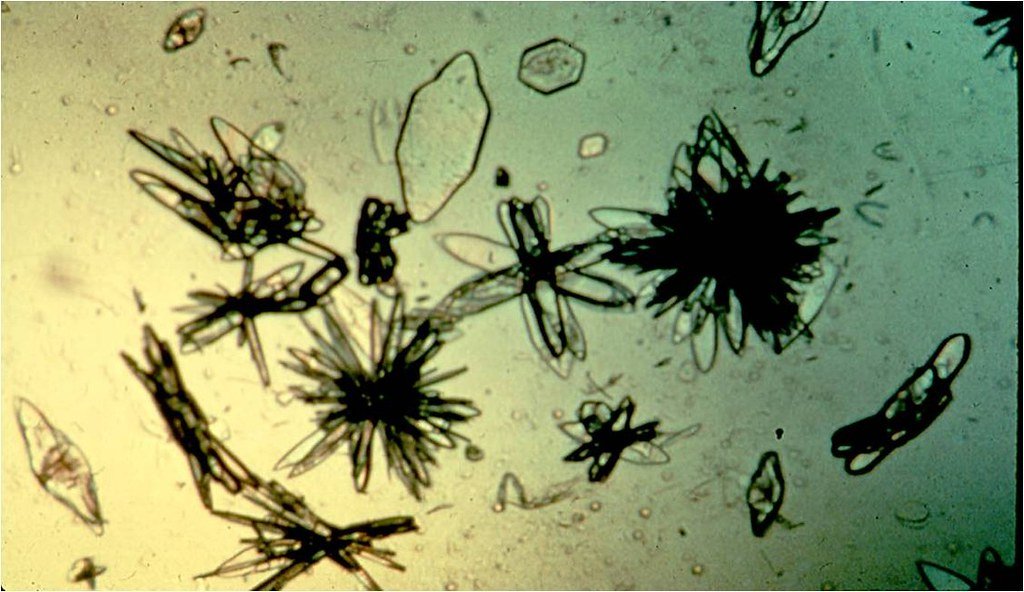
High or low uric acid can reflect kidney handling, diet, medications, gout risk, kidney-stone risk, or less common metabolic conditions. Learn how to interpret your result and what to ask next.
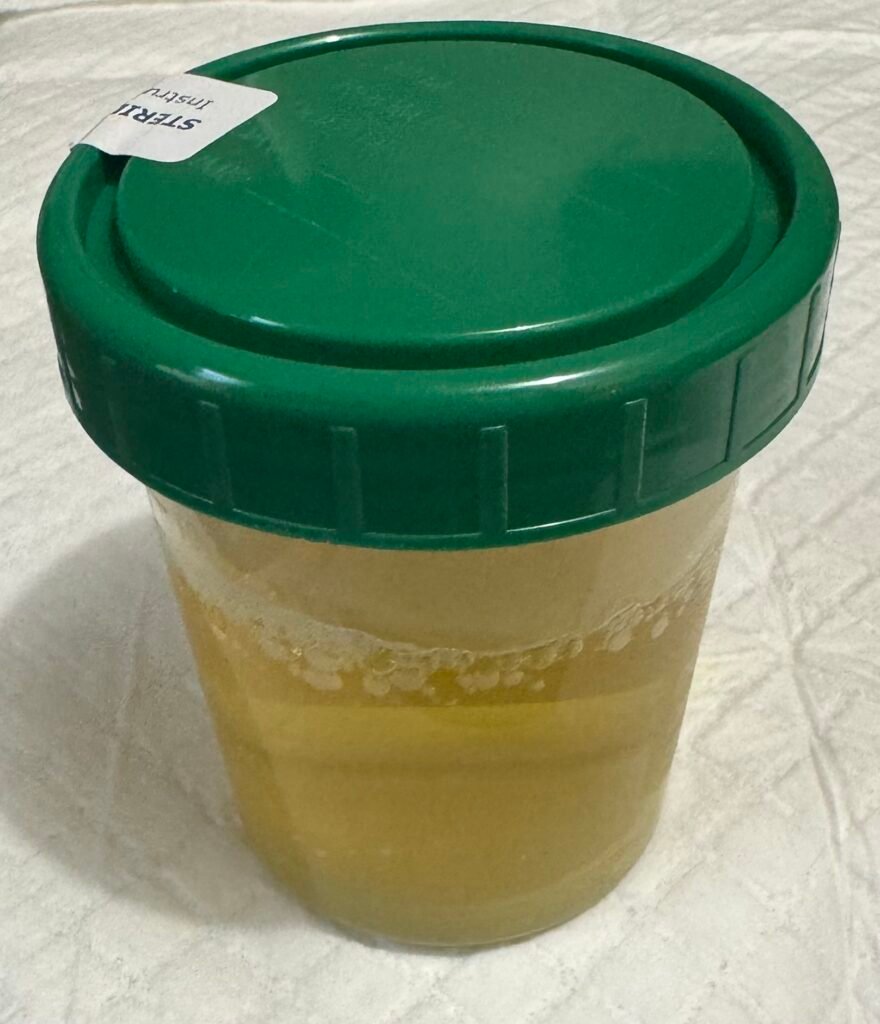
A urine albumin-creatinine ratio (uACR) compares albumin protein with creatinine in a urine sample. A high result can be an early sign of kidney stress or kidney disease, while a low or normal result is usually reassuring.