

What Does a High or Low IGF-1 Result Mean?
A high or low IGF-1 result can reflect growth hormone activity, but interpretation depends on age, sex, symptoms, lab method, and follow-up testing.
A high or low IGF-1 result can reflect growth hormone activity, but interpretation depends on age, sex, symptoms, lab method, and follow-up testing.

A quantitative hCG blood test measures the amount of pregnancy hormone in your blood. Learn what high, low, borderline, rising, or falling results can mean and when to seek urgent care.
A high or low hCG blood test result can mean different things depending on timing, gestational age, symptoms, and whether the level is rising or falling. Learn how quantitative hCG is interpreted and when follow-up matters.

CMV blood test results can be confusing because “high” or “low” may refer to IgG antibodies, IgM antibodies, IgG avidity, or CMV DNA viral load. Learn what common CMV result patterns usually mean, when follow-up testing is needed, and what to discuss with a clinician.
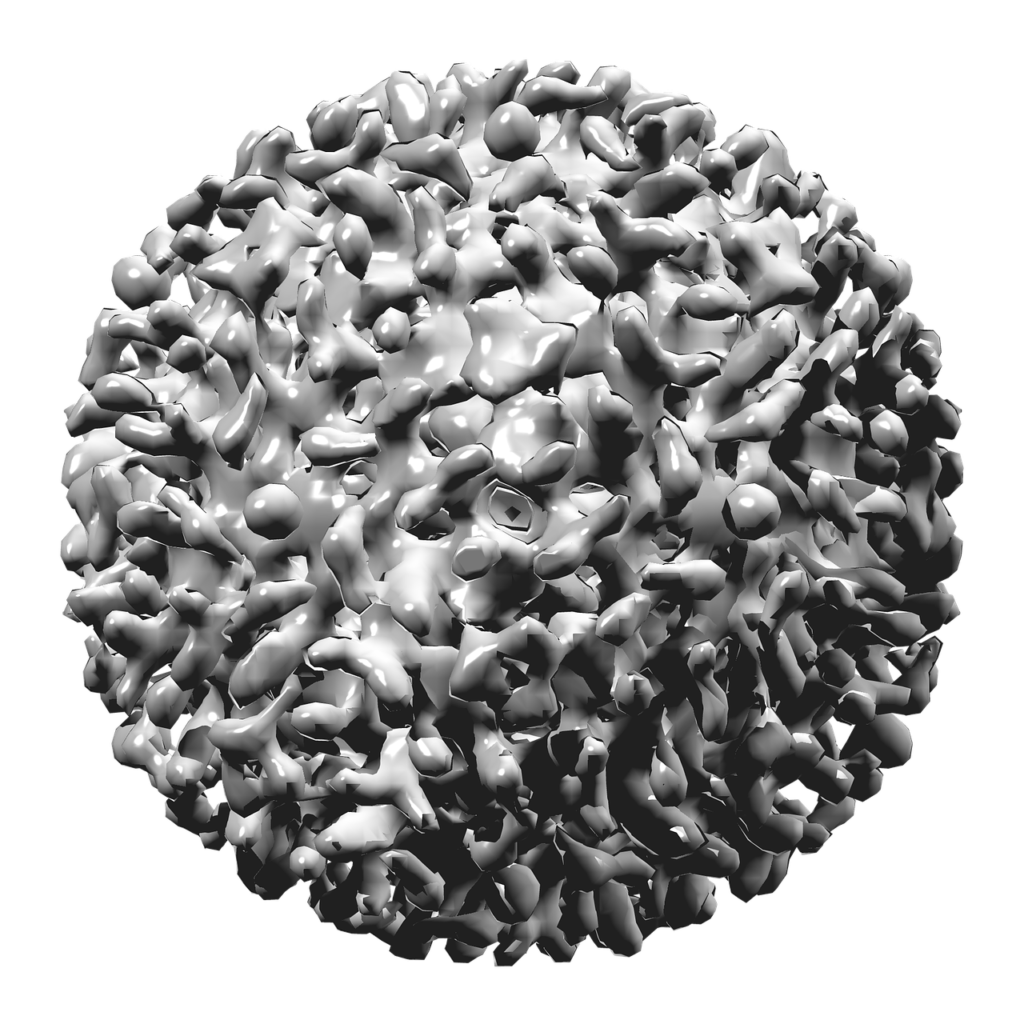
Hepatitis C results are usually interpreted as reactive/nonreactive and RNA detected/not detected—not simply high or low. Learn what each result means and what to do next.

High CCP antibodies can strongly support rheumatoid arthritis when symptoms and exam findings fit. Low or negative CCP antibodies make RA less likely but do not rule it out.
A high rheumatoid factor can support rheumatoid arthritis or Sjögren syndrome, but it is not diagnostic by itself. A low or negative result usually means little or no RF is detected, but it does not fully rule out inflammatory arthritis.

A high or low ANA result can be confusing because ANA is usually reported as negative, positive, and sometimes as a titer and pattern. Learn what the result can and cannot tell you.
A high CRP result usually means inflammation is present somewhere in the body, while a low CRP is generally normal. Learn how to interpret CRP and hs-CRP results, what can raise or lower them, and what to ask your clinician next.
An ESR, or sed rate, is a nonspecific blood test that can rise with inflammation, infection, autoimmune disease, kidney disease, pregnancy, aging, anemia, and some cancers. Low ESR is usually less clinically important but can occur with certain red blood cell or protein changes. Here’s how to interpret high and low ESR results in context.