Insulin-like Growth Factor 1 (IGF-1) Blood Test Cost
IGF-1 blood test cost usually ranges from about $52 to $139 self-pay. Compare current provider prices, collection fees, age-adjusted ranges, and growth hormone testing.
IGF-1 blood test cost usually ranges from about $52 to $139 self-pay. Compare current provider prices, collection fees, age-adjusted ranges, and growth hormone testing.

Morning cortisol blood test costs commonly range from about $36 to $109 when ordered directly online, depending on provider fees, collection fees, and promotions. This guide compares current pricing and explains how blood, saliva, and urine cortisol tests differ.
Renin blood test cost depends on whether you order plasma renin activity, direct renin concentration, or an aldosterone-renin ratio panel. Here’s how current self-pay prices, fees, preparation, and specimen handling compare.
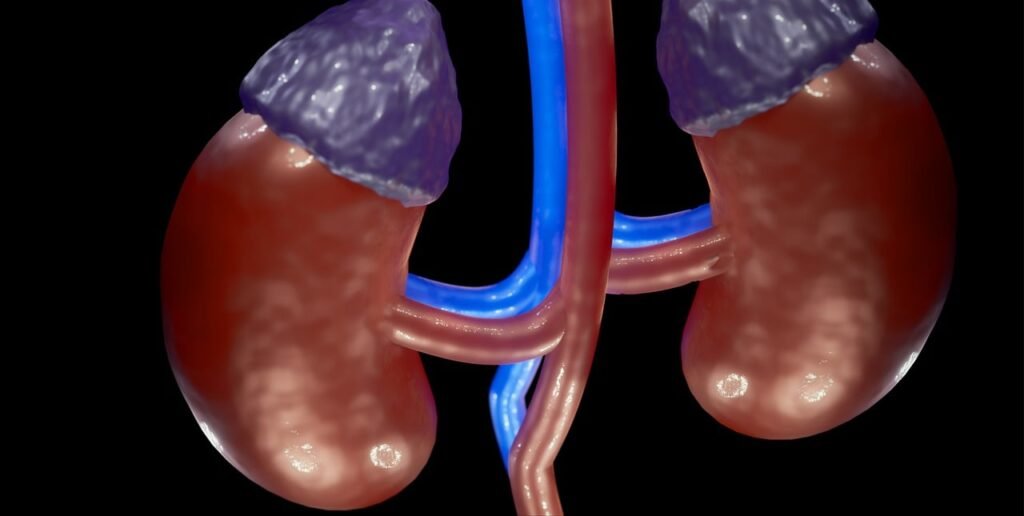
Aldosterone blood test cost can range from about $56 for aldosterone alone to $117–$149 for aldosterone-renin ratio testing. Learn what affects total price and preparation.

A growth hormone blood test can help evaluate GH deficiency, acromegaly, gigantism, and pituitary function—but random GH levels are hard to interpret alone. Learn how GH, IGF-1, stimulation tests, and suppression tests work.

Self-pay growth hormone blood test prices vary widely once draw, physician, requisition, and processing fees are included. Compare effective cash prices, what the test can and cannot tell you, and how to choose the right GH-related test.
A high or low IGF-1 result can reflect growth hormone activity, but interpretation depends on age, sex, symptoms, lab method, and follow-up testing.
Compare self-pay IGF-1 blood test prices, mandatory fees, lab networks, ordering options, state restrictions, and what to know before buying an IGF-1 test online.
Self-pay progesterone blood test costs can range from about $14 to $95 for common immunoassay options, with higher prices for LC/MS methods. Compare total cash prices, fees, availability, and how to choose the right option.

High or low cortisol can point to several different issues, but timing, test type, medications, ACTH, and symptoms all affect interpretation.