
Medical & affiliate disclosure: CTX Stat provides educational laboratory information and is not a substitute for professional medical advice, diagnosis, or treatment. CTX Stat may receive compensation from some outbound provider links when an affiliate program is active; provider comparisons and rankings are based on consumer fit, effective cost, access, policies, and reputation—not commission.
Quick take: high low IGF-1 results
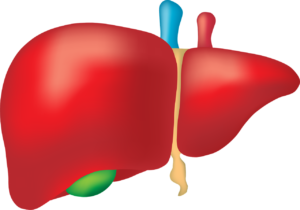
IGF-1, also called insulin-like growth factor 1 or somatomedin C, is a hormone-related protein made mostly by the liver in response to growth hormone. Because growth hormone rises and falls in pulses during the day, an IGF-1 blood test is often used as a steadier marker of overall growth hormone activity. MedlinePlus explains that IGF-1 and growth hormone support normal growth of bones and tissues, and that IGF-1 is more stable in blood than growth hormone itself.
A high IGF-1 result means your value is above the reference range expected for your age and sex. In adults, this can raise concern for excess growth hormone activity, especially acromegaly, but it is not diagnosed from a single number alone. A low IGF-1 result can suggest low growth hormone activity or growth hormone insensitivity in the right setting, but nutrition, liver function, chronic illness, medications, and normal aging can also lower IGF-1.
The most important rule: do not interpret an IGF-1 result by comparing your number with someone else’s. Normal IGF-1 changes dramatically across the lifespan, usually rising through childhood, peaking around puberty, and declining in adulthood. Your lab’s reference range, Z-score if reported, symptoms, medications, and reason for testing matter as much as the raw value.
What the IGF-1 test measures
An IGF-1 test measures the concentration of insulin-like growth factor 1 in a blood sample, usually reported in ng/mL. IGF-1 is part of the growth hormone system. Growth hormone is released by the pituitary gland, a small endocrine gland at the base of the brain. Growth hormone then signals the liver and other tissues to produce IGF-1, which helps mediate many growth-promoting and metabolic effects.
The test is commonly ordered when a clinician is evaluating possible growth hormone excess, possible growth hormone deficiency, a known pituitary disorder, or response to treatment. In children, IGF-1 may be part of the evaluation for slowed growth, delayed puberty, unusually rapid growth, or suspected growth hormone insensitivity. In adults, it may be ordered when symptoms suggest acromegaly, pituitary hormone deficiency, or treatment monitoring after pituitary surgery, radiation, or medication.
IGF-1 is useful because a random growth hormone level is often hard to interpret. Growth hormone can surge and drop during sleep, exercise, stress, and normal daily rhythms. IGF-1 changes more slowly, so it gives a broader view of average growth hormone activity. Still, IGF-1 is not a stand-alone diagnosis. The result is a screening and monitoring clue, not a final answer by itself.
High vs. low IGF-1 at a glance
| Result pattern | What it can suggest | Common follow-up |
|---|---|---|
| High IGF-1 | Possible excess growth hormone activity. In adults, this may suggest acromegaly; in children, it may suggest gigantism if paired with excessive linear growth. | Repeat IGF-1 using the correct age/sex range, review medications and supplements, evaluate symptoms, and consider growth hormone suppression testing with an oral glucose load. |
| Low IGF-1 | Possible growth hormone deficiency or growth hormone insensitivity, especially in children with poor growth or adults with pituitary disease. Non-pituitary causes are also common. | Review nutrition, chronic illness, liver disease, thyroid status, diabetes control, medications, and consider IGFBP-3 or growth hormone stimulation testing when clinically appropriate. |
| Normal IGF-1 | May make major growth hormone excess less likely, but does not always rule out growth hormone deficiency in adults. | Further testing depends on symptoms, physical exam, pituitary history, and whether the result fits the clinical picture. |
| Borderline high or low | May reflect biological variation, lab-method differences, an incorrect reference range, or an early/mild condition. | Often repeated, ideally through the same lab method, with age, sex, puberty stage when relevant, and medication history clearly documented. |
What a high IGF-1 result may mean
A high IGF-1 result means the value is above the upper limit of the reference interval used by that laboratory for your age and sex. The most important medical concern is excess growth hormone signaling. In adults, persistent growth hormone excess can cause acromegaly, a condition in which bones and soft tissues gradually enlarge. In children and adolescents whose growth plates have not closed, excess growth hormone can cause unusually rapid linear growth, sometimes called gigantism.
High IGF-1 is most meaningful when it matches the clinical picture. Possible signs of acromegaly include enlarging hands or feet, rings or shoes no longer fitting, coarsening facial features, jaw or brow changes, spacing of teeth, joint pain, headaches, oily skin, heavy sweating, carpal tunnel symptoms, sleep apnea, high blood pressure, or changes in glucose control. The National Institute of Diabetes and Digestive and Kidney Diseases notes that acromegaly can affect blood glucose and lipids and may be associated with type 2 diabetes, high blood pressure, heart disease, and colon polyps.
Most cases of acromegaly are related to a benign pituitary adenoma that produces too much growth hormone. “Benign” means it is not cancer, but the hormone effects and local pressure effects can still be serious. If a clinician suspects acromegaly, IGF-1 is usually followed by confirmatory testing. The Endocrine Society clinical practice guideline for acromegaly recommends confirming elevated or equivocal IGF-1 by showing that growth hormone does not suppress appropriately after an oral glucose load.
High IGF-1 can also occur in other contexts. Puberty is normally associated with higher IGF-1 than childhood or older adulthood. Growth hormone treatment, non-prescribed growth hormone use, and some growth hormone secretagogues or peptide products can raise IGF-1. Pregnancy, nutritional status, and assay differences may affect interpretation. For that reason, a high result is usually interpreted after confirming the lab used the correct demographic information and after reviewing medications, supplements, and timing.
Practical next steps after a high IGF-1
- Check the reference range. Make sure the lab report applied your correct age and sex. For children and teens, puberty stage may also matter.
- Do not start or stop hormone products on your own. Discuss prescribed growth hormone, bodybuilding products, peptides, or “anti-aging” hormone use with a clinician.
- Ask whether the test should be repeated. Repeating IGF-1 can help confirm that the elevation is persistent and not due to lab or pre-analytic factors.
- Expect confirmatory testing if acromegaly is suspected. This may include a growth hormone suppression test after oral glucose and, if biochemical testing supports it, pituitary imaging.
- Consider related health checks. If acromegaly is being evaluated, clinicians may also assess glucose, blood pressure, sleep apnea symptoms, colon polyp screening status, heart health, and other pituitary hormones.
What a low IGF-1 result may mean
A low IGF-1 result means the value is below the laboratory’s expected range for your age and sex. Low IGF-1 can occur when the pituitary gland does not produce enough growth hormone, when the body cannot respond normally to growth hormone, or when the liver and other tissues are not producing IGF-1 normally despite adequate growth hormone signaling.
In children, low IGF-1 may be one clue in the evaluation of slow growth, delayed growth velocity, delayed bone age, or suspected growth hormone deficiency. However, it is not the only factor. Pediatric endocrinologists usually consider height history, parental heights, growth velocity over time, puberty stage, nutrition, chronic disease, thyroid function, celiac screening when appropriate, bone age imaging, and specialized growth hormone testing.
In adults, low IGF-1 is most concerning when there is a known risk for pituitary disease: prior pituitary tumor, pituitary surgery, radiation to the brain, traumatic brain injury, multiple pituitary hormone deficiencies, or childhood-onset growth hormone deficiency being reassessed after adult height. The Endocrine Society guideline on adult growth hormone deficiency states that a normal IGF-1 does not exclude adult growth hormone deficiency, while a low IGF-1 can be strong evidence in the right context when catabolic conditions and other confounders are absent.
Low IGF-1 has many non-pituitary explanations. Malnutrition, prolonged calorie restriction, low protein intake, chronic inflammatory illness, poorly controlled diabetes, liver disease, kidney disease, hypothyroidism, and oral estrogen therapy can lower IGF-1 or complicate interpretation. Labcorp’s IGF-1 test information notes that malnutrition can cause low somatomedin C levels despite normal circulating growth hormone and that the test does not distinguish pituitary dwarfism from constitutional delay of growth and development by itself.
Practical next steps after a low IGF-1
- Review the reason the test was ordered. A mildly low IGF-1 in an older adult without pituitary risk factors is different from a very low IGF-1 in a child with poor growth or an adult with known pituitary disease.
- Look for reversible causes. Ask whether nutrition, liver function, thyroid function, diabetes control, chronic inflammation, or medication effects could explain the result.
- Do not assume growth hormone deficiency from IGF-1 alone. Adults often need growth hormone stimulation testing to confirm the diagnosis unless they fall into specific high-probability categories.
- For children, focus on growth pattern. A single IGF-1 value is less informative than a plotted height curve and growth velocity over months to years.
- Discuss endocrinology referral. Referral is especially relevant for children with poor growth, adults with pituitary disease, or anyone with multiple abnormal pituitary-related hormone results.
Reference ranges, Z-scores, and why your number is not universal
IGF-1 is one of the lab tests where reference ranges matter a great deal. A value that is high for a 70-year-old may be normal for a teenager. A value that is normal in one lab system may be interpreted differently by another lab that uses a different assay, calibration, population, or reporting format.
Many IGF-1 reports include both a raw value and a Z-score, sometimes called a standard deviation score. A Z-score shows how far your result is above or below the average expected result for your age and sex using that lab’s method. A Z-score near 0 is close to the lab’s average. Positive scores are above average, and negative scores are below average. Clinicians often find Z-scores helpful for monitoring treatment or comparing results over time, but they should still be interpreted with the lab’s own reference data.
Assay method matters. Some laboratories measure IGF-1 by immunoassay, while others use liquid chromatography-mass spectrometry methods. Different methods can produce different numeric results and reference intervals. If you are monitoring a known condition, using the same lab or method over time can make trends easier to interpret. If a result changes unexpectedly after switching laboratories, the change may be partly methodological rather than purely biological.
For children and adolescents, puberty can complicate interpretation. IGF-1 rises during puberty, so the same chronological age may not fully capture expected levels if puberty is early, delayed, or actively changing. Pediatric endocrinologists often interpret IGF-1 alongside growth charts, Tanner stage, bone age, and other labs.
Preparation, timing, and limitations
Most people do not need special preparation for an IGF-1 test. It is a standard blood draw from a vein, and fasting is usually not required unless the ordering clinician or lab requests it for other tests being drawn at the same time. MedlinePlus states that no special preparations are generally needed for an IGF-1 test.
Tell your clinician and the lab about supplements, especially biotin in hair, skin, and nail products. Biotin can interfere with some immunoassay-based lab tests, sometimes causing falsely high or falsely low results depending on the assay design. The U.S. Food and Drug Administration has warned about biotin interference with certain laboratory tests. Some IGF-1 methods are less affected than others, so the safest approach is to disclose supplement use and follow the specific lab’s instructions.
Other limitations are clinical rather than technical. IGF-1 can be low because of nutrition or chronic illness rather than a pituitary problem. A normal IGF-1 can occur in some adults with growth hormone deficiency. A high IGF-1 may need confirmation before acromegaly is diagnosed. And borderline results can be affected by biological variation, lab differences, or an incorrectly applied reference range.
When to seek prompt medical guidance
Contact a clinician promptly if an abnormal IGF-1 is paired with severe or worsening headaches, vision changes, fainting, new neurologic symptoms, rapid changes in facial features or hand/foot size, or a child’s markedly abnormal growth pattern. These symptoms do not prove a pituitary disorder, but they deserve timely evaluation.
Cost and access considerations
IGF-1 testing may be ordered by a clinician through insurance, included in an endocrine workup, or purchased as a self-pay blood test where direct access testing is available. The effective cost to the patient can include more than the advertised test price. Depending on the ordering route, total cost may include the laboratory test, blood draw fee, clinician authorization or review fee, and any follow-up visit needed to interpret abnormal results.
If you compare self-pay options, compare the total price, not just the headline test price. Check whether the order includes clinician authorization, whether the blood draw is included, where the sample can be collected, how quickly results are expected, whether your state allows the ordering workflow, and whether abnormal results include access to a clinician. IGF-1 is not a simple wellness marker; abnormal values often require medical context and sometimes endocrinology follow-up.
Insurance coverage varies by plan and medical necessity. Testing ordered for symptoms, known pituitary disease, treatment monitoring, or pediatric growth evaluation may be handled differently from elective wellness testing. If cost matters, ask the ordering office for the CPT code, diagnosis code, preferred laboratory, and whether prior authorization is needed.
Questions to ask your clinician about an abnormal IGF-1
- Was my result interpreted using the correct age, sex, and, if relevant, puberty-stage context?
- Is the result mildly, moderately, or markedly outside the reference range?
- Should the IGF-1 test be repeated, and should it be repeated at the same laboratory?
- Could nutrition, liver disease, thyroid disease, diabetes control, oral estrogen, growth hormone therapy, supplements, or other medications explain this result?
- Do my symptoms fit growth hormone excess or deficiency?
- Do I need an endocrinology referral?
- If high, do I need growth hormone suppression testing or pituitary imaging?
- If low, do I need IGFBP-3, other pituitary hormone testing, or growth hormone stimulation testing?
FAQs about high and low IGF-1 results
What does a high IGF-1 mean?
A high IGF-1 means your result is above the expected range for your age and sex. It can suggest excess growth hormone activity, especially acromegaly in adults or gigantism in children, but clinicians usually confirm persistent elevation and use additional testing before making a diagnosis.
What does a low IGF-1 mean?
A low IGF-1 can suggest growth hormone deficiency or growth hormone insensitivity in the right clinical setting. It can also be caused by malnutrition, chronic illness, liver disease, poorly controlled diabetes, hypothyroidism, oral estrogen therapy, and aging. The meaning depends heavily on why the test was ordered.
Can stress or one bad night of sleep change IGF-1?
Short-term stress and sleep can affect growth hormone pulses, but IGF-1 is more stable than growth hormone. A single poor night of sleep is less likely to explain a major IGF-1 abnormality. Longer-term illness, nutrition changes, and endocrine disorders are more important considerations.
Is IGF-1 a cancer test?
No. IGF-1 is not used as a general cancer screening test. Acromegaly can be associated with health risks such as colon polyps, but an IGF-1 result by itself is not a cancer diagnosis or a cancer risk score. Follow age-appropriate cancer screening recommendations and any additional guidance from your clinician.
Can I use IGF-1 to monitor fitness, peptides, or anti-aging therapy?
IGF-1 may rise with growth hormone or certain growth hormone-stimulating drugs, but using it without medical supervision can be risky. High IGF-1 from non-prescribed hormone manipulation may signal excessive growth hormone activity and should be discussed with a qualified clinician.
What is the difference between IGF-1 and IGFBP-3?
IGF-1 is the main growth factor measured to estimate growth hormone activity. IGFBP-3 is a binding protein that carries IGF-1 in blood. Clinicians sometimes order both, especially in pediatric growth evaluations, because the pattern can provide more context than either result alone.
Can a normal IGF-1 rule out acromegaly?
A clearly normal IGF-1 makes active acromegaly less likely in most situations, and the Endocrine Society guideline notes that a normal IGF-1 effectively excludes the diagnosis in typical evaluation. However, unusual cases, lab issues, pregnancy, uncontrolled diabetes, liver or kidney disease, and other factors can complicate interpretation, so clinical context still matters.
Can a normal IGF-1 rule out adult growth hormone deficiency?
No. Adult growth hormone deficiency can sometimes be present with a normal IGF-1. If the clinical suspicion is high—such as known pituitary disease or multiple pituitary hormone deficiencies—an endocrinologist may order growth hormone stimulation testing.
Should I repeat an abnormal IGF-1 test?
Often, yes, especially if the result is borderline, unexpected, or inconsistent with symptoms. Your clinician may repeat the test using the same lab, review supplements such as biotin, and check for conditions that can falsely shift results before moving to more involved testing.
Who should interpret my IGF-1 result?
A primary care clinician can start the discussion, but abnormal IGF-1 results that suggest pituitary disease, acromegaly, growth hormone deficiency, or a child’s abnormal growth pattern are commonly interpreted with help from an endocrinologist.
Source Notes
- MedlinePlus — Igf 1 Insulin Like Growth Factor 1 Test
- National Institute of Diabetes and Digestive and Kidney Diseases
- Endocrine Society clinical practice guideline for acromegaly
- Endocrine Society Clinical Practice Guideline: Adult Growth Hormone Deficiency
- FDA: Biotin interference with laboratory tests