
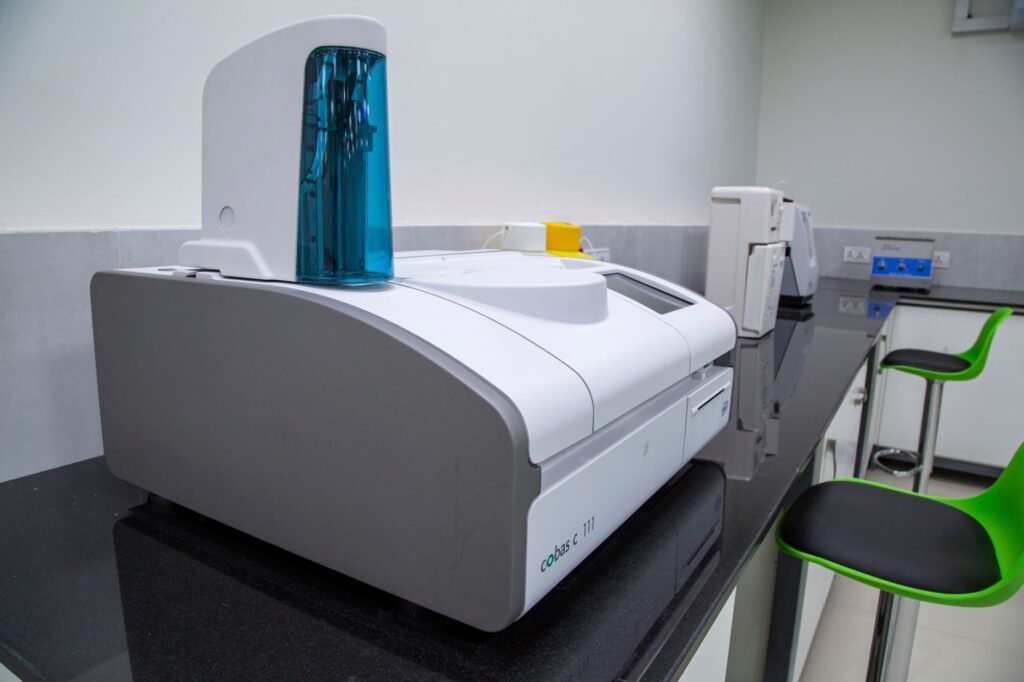
Cadmium Blood Test: What It Measures, Preparation, and Results
A cadmium blood test measures recent cadmium exposure. Learn when it is useful, how to prepare, how results are interpreted, and when urine or kidney testing may be needed.
A cadmium blood test measures recent cadmium exposure. Learn when it is useful, how to prepare, how results are interpreted, and when urine or kidney testing may be needed.

An arsenic blood test can help assess very recent arsenic exposure, but urine testing is often more useful. Learn when the test is ordered, how to prepare, what results mean, and what to do next.
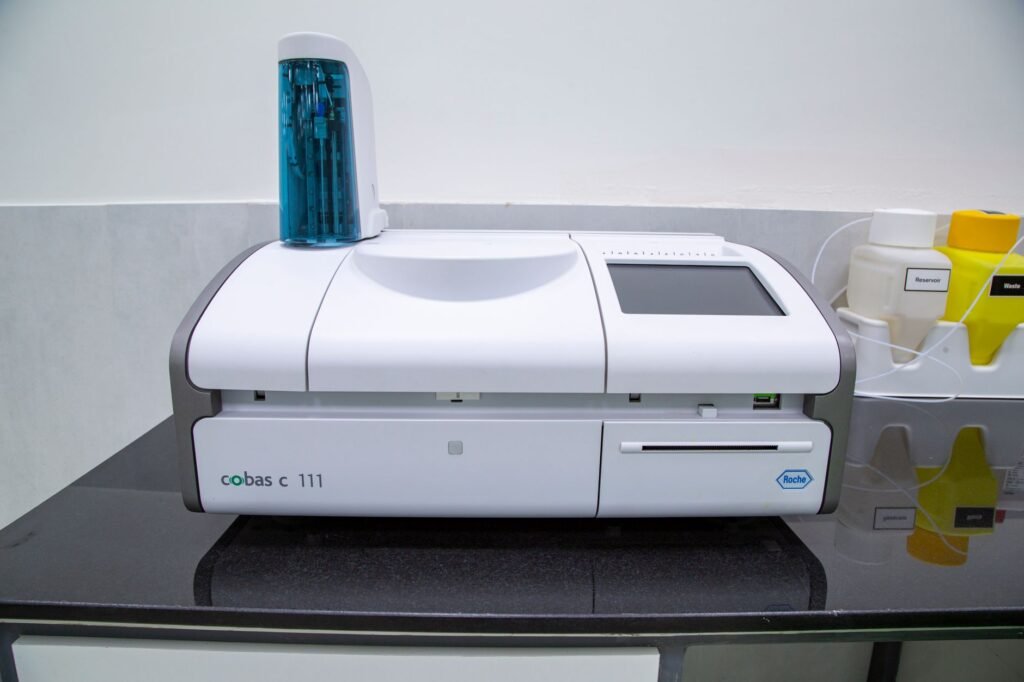
A lead blood test measures blood lead level in µg/dL and is used to screen for or monitor lead exposure. Learn when testing is needed, how venous and finger-prick tests differ, and what elevated results mean.
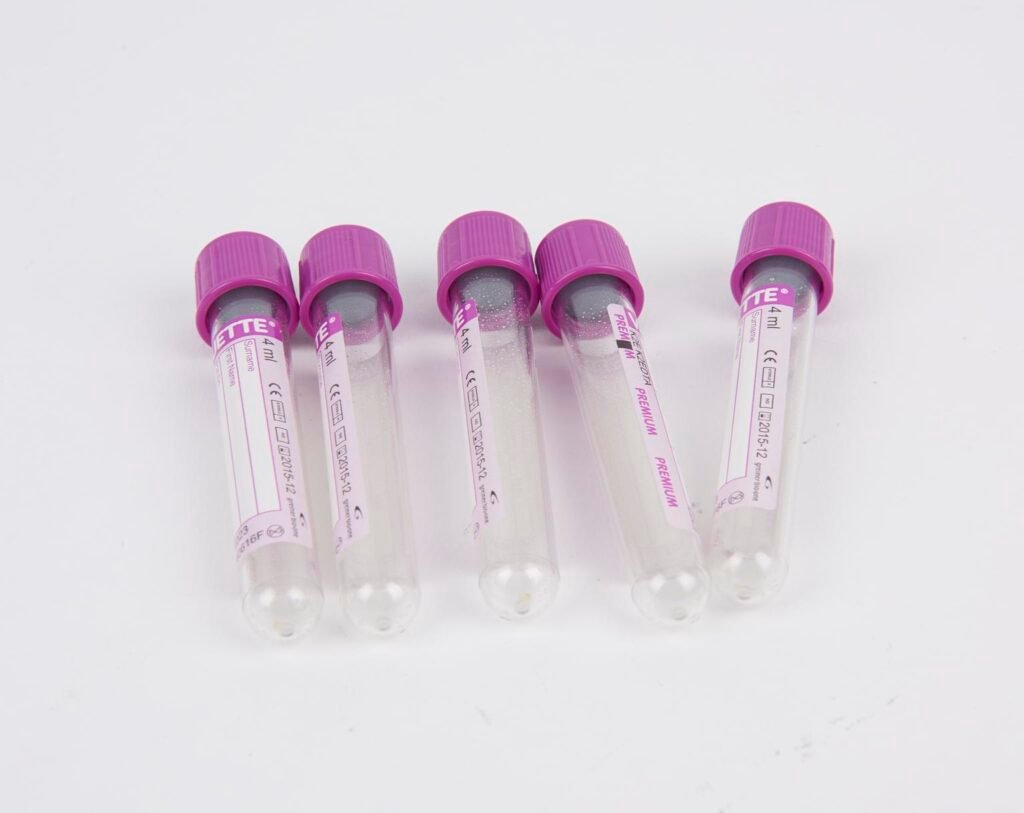
A G6PD blood test measures red blood cell enzyme activity to help identify G6PD deficiency, an inherited condition linked to hemolytic anemia risk after certain triggers.
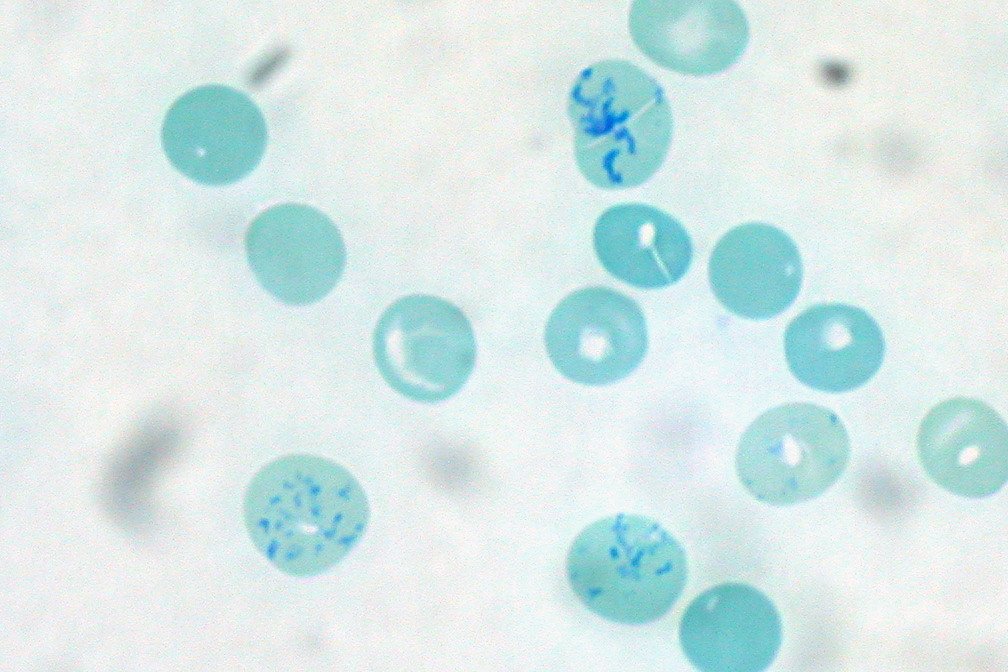
A reticulocyte count blood test measures young red blood cells and helps show whether your bone marrow is responding appropriately to anemia, blood loss, hemolysis, or treatment.
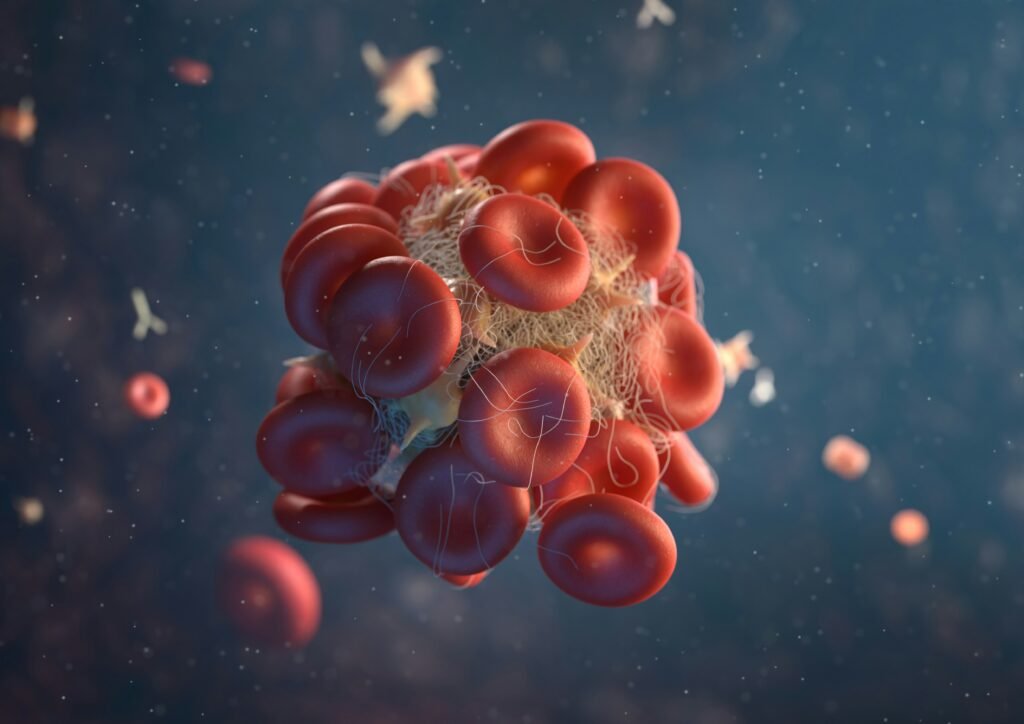
A D-dimer blood test looks for a protein fragment produced when the body breaks down a blood clot. Learn what the test can and cannot tell you, how to prepare, what high and normal results mean, and what usually happens next.

A growth hormone blood test can help evaluate GH deficiency, acromegaly, gigantism, and pituitary function—but random GH levels are hard to interpret alone. Learn how GH, IGF-1, stimulation tests, and suppression tests work.
The IGF-1 blood test helps assess growth hormone activity. Learn why it is ordered, how to prepare, what high and low results may mean, and what self-pay testing can cost.

A pregnancy hCG blood test can confirm early pregnancy and, when quantitative, show a hormone level that clinicians may follow over time. Learn how the test works, how to prepare, what results can and cannot tell you, and what to do next.

Searching for a chlamydia and gonorrhea blood test? Routine testing usually uses urine or swabs, not blood. Learn sample types, prep, results, limitations, and cost factors.