

What Does a High or Low Renin Result Mean?
A high or low renin result is usually interpreted with aldosterone, potassium, sodium intake, posture, and medications. Learn what common result patterns may mean and what to ask next.
A high or low renin result is usually interpreted with aldosterone, potassium, sodium intake, posture, and medications. Learn what common result patterns may mean and what to ask next.
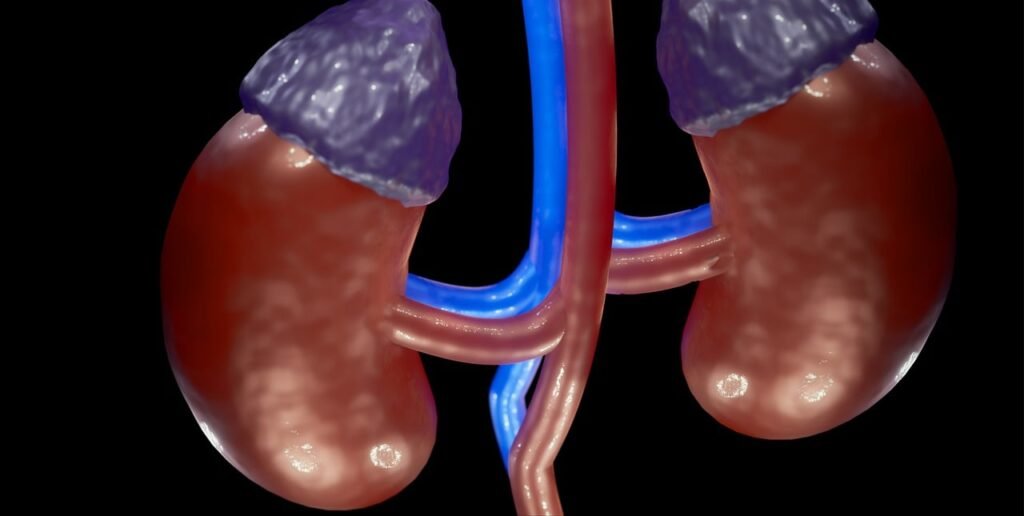
A renin blood test measures kidney-related hormone activity involved in blood pressure, sodium, potassium, and aldosterone balance. Learn when it is ordered, how to prepare, what high or low renin can mean, and how results are interpreted with aldosterone.
High or low aldosterone is interpreted with renin, potassium, sodium, blood pressure, posture, salt intake, kidney function, and medications. Learn the common patterns and next steps.

High or low ACTH results are interpreted best with cortisol. Learn what common ACTH-cortisol patterns may suggest, why timing and sample handling matter, and what follow-up tests are often used.

A high or low growth hormone result usually can’t be interpreted from one number alone. Learn how GH, IGF-1, suppression tests, and stimulation tests are used to evaluate GH excess or deficiency.
The IGF-1 blood test helps assess growth hormone activity. Learn why it is ordered, how to prepare, what high and low results may mean, and what self-pay testing can cost.

A quantitative hCG blood test measures the amount of pregnancy hormone in your blood. Learn what high, low, borderline, rising, or falling results can mean and when to seek urgent care.
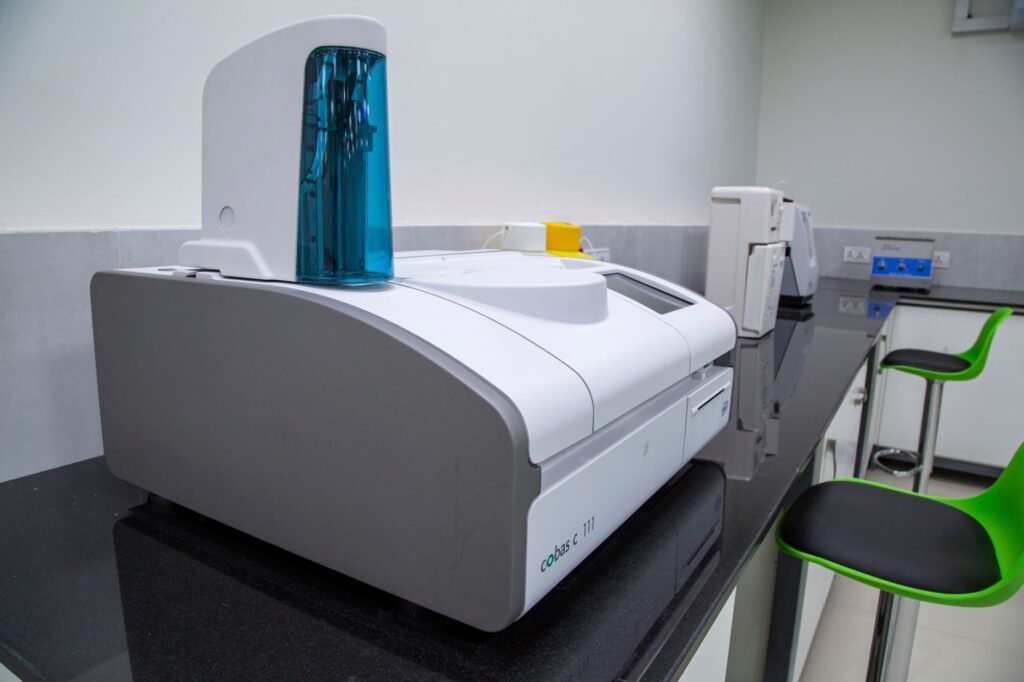
A parathyroid hormone blood test helps explain abnormal calcium levels and can point toward primary hyperparathyroidism, secondary hyperparathyroidism, hypoparathyroidism, kidney-related mineral imbalance, or other causes. Learn how the test works, how to prepare, and how to interpret PTH with calcium and related labs.
High or low progesterone can be normal depending on cycle timing, pregnancy status, and hormone use. Learn how to interpret results and what to ask next.
A progesterone blood test measures progesterone in serum and is often used to help confirm ovulation, evaluate irregular cycles, or monitor selected pregnancy and fertility situations. Timing matters: day 21 only applies to a 28-day cycle.