
Medical & affiliate disclosure: CTX Stat provides educational laboratory information and is not a substitute for professional medical advice, diagnosis, or treatment. CTX Stat may receive compensation from some outbound provider links when an affiliate program is active; provider comparisons and rankings are based on consumer fit, effective cost, access, policies, and reputation—not commission.
An ACTH blood test measures adrenocorticotropic hormone, the pituitary signal that tells the adrenal glands to make cortisol. A high or low ACTH result can be important, but ACTH almost never stands alone. The same ACTH number can mean different things depending on the cortisol level, the time of collection, medications, illness, and whether the blood sample was handled correctly.
Quick take
- High ACTH + low cortisol often points toward primary adrenal insufficiency, meaning the adrenal glands are not responding adequately to pituitary stimulation.
- Low or inappropriately normal ACTH + low cortisol suggests secondary or tertiary adrenal insufficiency, where the pituitary or hypothalamus is not signaling the adrenal glands strongly enough.
- High ACTH + high cortisol may fit ACTH-dependent cortisol excess after Cushing syndrome has been confirmed.
- Low ACTH + high cortisol may fit ACTH-independent cortisol excess, outside steroid exposure, or adrenal cortisol production.
- Timing and handling matter. Many laboratories base ACTH reference ranges on morning collection and require prompt chilling, plasma separation, and freezing.
What ACTH does in the body
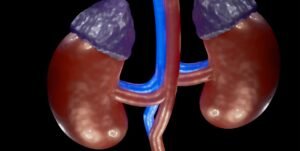
ACTH is made by the pituitary gland, a small hormone-producing gland at the base of the brain. The pituitary releases ACTH in response to signals from the hypothalamus, especially corticotropin-releasing hormone. ACTH travels through the blood to the adrenal glands, which sit above the kidneys, and stimulates the adrenal cortex to produce cortisol. Cortisol helps regulate the stress response, blood pressure, blood sugar, immune activity, and metabolism.
The ACTH-cortisol system works through feedback. When cortisol is adequate or high, the brain and pituitary usually reduce ACTH output. When cortisol is low, the pituitary usually increases ACTH to push the adrenal glands harder. This is why the MedlinePlus ACTH test guide emphasizes that ACTH results are usually interpreted together with cortisol results.
ACTH and cortisol also follow a daily rhythm. In people with a typical sleep-wake schedule, levels tend to be highest around waking and lower later in the day. Because of this rhythm, a morning ACTH result is not interchangeable with an afternoon or evening result. Shift work, sleep disruption, acute illness, intense stress, and certain medications can all make interpretation more complicated.
What is a normal ACTH range?
There is no single universal ACTH normal range. Reference intervals vary by laboratory method, specimen type, and collection time. One major U.S. laboratory lists a morning reference range of 7.2–63.3 pg/mL for samples collected between 7 a.m. and 10 a.m.; the same lab instructs that ACTH should be drawn in that morning window and handled as a frozen EDTA plasma specimen. See the Labcorp ACTH specimen and reference information for an example of how collection requirements and reference intervals are tied together.
Your own result should be compared with the range printed on your report, not a range found online. If your report says ACTH is high, low, or out of range, the next question is: What was cortisol at the same time? A high ACTH result with low cortisol tells a very different story than a high ACTH result with high cortisol.
How to interpret high and low ACTH with cortisol
The most useful way to think about ACTH is as a signal. If cortisol is low, ACTH should usually rise. If cortisol is high, ACTH should usually fall. When the pattern does not fit that feedback loop, clinicians look for the source of the problem.
| ACTH pattern | Cortisol pattern | What it may suggest | Typical follow-up |
|---|---|---|---|
| High ACTH | Low cortisol | Primary adrenal insufficiency, including Addison disease, or less commonly adrenal enzyme defects or adrenal damage | Repeat morning cortisol/ACTH if needed, ACTH stimulation test, electrolytes, renin/aldosterone, adrenal antibodies, endocrine referral |
| Low or inappropriately normal ACTH | Low cortisol | Secondary or tertiary adrenal insufficiency from pituitary/hypothalamic disease or glucocorticoid medication suppression | Medication review, morning cortisol, stimulation testing, pituitary hormone evaluation, possible pituitary imaging |
| High or non-suppressed ACTH | High cortisol | ACTH-dependent cortisol excess, such as pituitary Cushing disease or ectopic ACTH production, if true hypercortisolism is confirmed | Validated Cushing screening tests, repeat testing, endocrinology evaluation, localization studies only after biochemical confirmation |
| Low ACTH | High cortisol | ACTH-independent cortisol excess from adrenal causes or outside glucocorticoid exposure | Medication/supplement review, Cushing screening tests, adrenal-focused evaluation if hypercortisolism is confirmed |
| High or low ACTH | Normal cortisol | Timing, stress, early disease, medication effect, assay variation, or sample handling issue | Repeat correctly timed test, review symptoms and medicines, consider dynamic testing if clinical concern remains |
High ACTH with low cortisol
This pattern is the classic biochemical clue for primary adrenal insufficiency: the pituitary is sending a strong ACTH signal, but the adrenal glands are not making enough cortisol. The Endocrine Society guideline on primary adrenal insufficiency recommends ACTH measurement as part of establishing the diagnosis, while also emphasizing confirmatory testing when possible.
Primary adrenal insufficiency can be autoimmune, infectious, genetic, medication-related, or due to adrenal bleeding, infiltration, or surgical removal. Symptoms can include fatigue, weight loss, nausea, abdominal pain, low blood pressure, dizziness, salt craving, and skin darkening. Blood chemistry may show low sodium, high potassium, or low glucose in some cases. The NIDDK adrenal insufficiency diagnosis resource describes how cortisol response to injected ACTH helps evaluate adrenal function.
Low ACTH with low cortisol
Low ACTH with low cortisol suggests the adrenal glands may not be receiving enough stimulation. This is often called central adrenal insufficiency because the problem is upstream from the adrenal glands: the pituitary may not be producing enough ACTH, or the hypothalamus may not be signaling the pituitary normally.
A common reason is glucocorticoid exposure. Prednisone, methylprednisolone, dexamethasone, hydrocortisone, steroid injections, some high-potency topical steroids, and certain inhaled steroids can suppress ACTH. Stopping long-term steroid therapy abruptly can be dangerous because the adrenal system may need time to recover. Other causes include pituitary tumors, pituitary surgery or radiation, traumatic brain injury, infiltrative disease, and other pituitary hormone disorders.
High ACTH with high cortisol
If cortisol excess has been confirmed, ACTH that is high or not suppressed suggests ACTH-dependent Cushing syndrome. In this situation, ACTH may be coming from a pituitary adenoma, called Cushing disease, or from an ACTH-producing tumor elsewhere in the body. However, a random high cortisol or ACTH result is not enough to diagnose Cushing syndrome. The Endocrine Society Cushing syndrome diagnostic guideline recommends initial testing with high-accuracy cortisol-based tests such as late-night salivary cortisol, 24-hour urinary free cortisol, or dexamethasone suppression testing.
Symptoms that may raise suspicion include easy bruising, facial rounding, new wide purple stretch marks, proximal muscle weakness, osteoporosis, diabetes or worsening glucose control, high blood pressure, and unexplained weight gain concentrated in the trunk. Many of these findings overlap with more common conditions, so endocrinology-guided testing is important.
Low ACTH with high cortisol
Low ACTH with confirmed high cortisol suggests the pituitary is appropriately trying to turn down the signal, but cortisol remains high anyway. This may happen with adrenal cortisol-producing tumors, bilateral adrenal hyperplasia, or outside glucocorticoid exposure. Some medications can also interfere with cortisol testing or dexamethasone metabolism, which is one reason clinicians often review prescriptions, injections, creams, inhalers, and supplements before interpreting results.
Common reasons ACTH can be high or low
Reasons ACTH may be high
- Primary adrenal insufficiency: The adrenal glands cannot produce enough cortisol, so the pituitary raises ACTH.
- ACTH-dependent Cushing syndrome: ACTH is driving cortisol excess, often from the pituitary or, less commonly, an ectopic source.
- Congenital adrenal hyperplasia or enzyme defects: Certain enzyme problems reduce cortisol synthesis, increasing ACTH stimulation.
- Physiologic stress or acute illness: Serious illness, pain, surgery, or major stress can raise ACTH and cortisol as part of the stress response.
- Timing mismatch: A sample collected near the morning peak may be higher than one collected later in the day.
Reasons ACTH may be low
- Glucocorticoid medications: Steroid medicines can suppress pituitary ACTH, especially with higher doses or longer exposure.
- Central adrenal insufficiency: Pituitary or hypothalamic disorders can reduce ACTH output.
- ACTH-independent cortisol excess: High cortisol from an adrenal source can suppress ACTH.
- Sample instability: ACTH can degrade if collection and processing requirements are not met.
- Late-day collection: ACTH is normally lower later in the day, so timing must match the reference range.
When symptoms are more urgent
Seek prompt medical attention for severe weakness, fainting, confusion, severe vomiting or diarrhea, dehydration, very low blood pressure, or symptoms that occur after stopping steroid medication. These can be concerning for adrenal crisis or another acute illness, especially when cortisol is low or adrenal insufficiency is being considered.
Preparation and sample issues that can change ACTH results
ACTH is more technically demanding than many routine blood tests. It is a peptide hormone that can break down after collection. Many labs require blood to be drawn into a chilled EDTA tube, placed on ice, separated quickly, and frozen before transport. If the sample is not processed correctly, ACTH may be falsely low or the lab may reject the specimen. Labcorp’s specimen instructions, for example, state that the sample should be collected in an iced lavender-top EDTA tube, placed in an ice bath, separated within one hour, and frozen immediately.
Preparation varies by clinical situation, so follow the ordering clinician’s instructions. Common points to confirm include:
- Collection time: Ask whether the test should be drawn between 7 and 10 a.m. or at another time for a specific protocol.
- Cortisol pairing: ACTH is often most informative when drawn at the same time as cortisol.
- Steroid medications: Do not stop prescribed steroids on your own. Ask whether and how they affect the test.
- Biotin and supplements: High-dose biotin can interfere with some immunoassays. Ask the lab or clinician whether you should pause it before testing.
- Recent illness or stress: Tell your clinician about acute illness, surgery, injury, severe sleep disruption, or pregnancy.
- Shift work: If your sleep schedule is reversed, ask how collection timing should be handled.
What to do after an abnormal ACTH result
An abnormal ACTH result is usually a starting point, not a final diagnosis. The next step depends on the cortisol result, symptoms, and medication history.
- Check whether cortisol was measured at the same time. If not, your clinician may order a paired early-morning cortisol and ACTH.
- Review the collection details. Ask whether the sample was collected at the intended time and processed according to ACTH requirements.
- Review steroid exposure carefully. Pills, injections, joint injections, epidural steroids, inhalers, nasal sprays, creams, and supplements can matter.
- Repeat testing when the result does not fit. A repeat properly handled morning sample may be needed before moving to more invasive evaluation.
- Use dynamic tests when indicated. For suspected adrenal insufficiency, clinicians often use an ACTH stimulation test. For suspected Cushing syndrome, cortisol-based screening tests such as late-night salivary cortisol, urinary free cortisol, or dexamethasone suppression testing are commonly used.
- Consider endocrinology referral. Referral is especially important when cortisol is clearly low, cortisol is repeatedly high, symptoms are significant, or pituitary/adrenal disease is suspected.
Mayo Clinic Laboratories summarizes the core interpretation similarly: in hypocortisolism, elevated ACTH supports primary adrenal insufficiency, while ACTH that is not elevated is consistent with secondary adrenal insufficiency from a pituitary or hypothalamic cause. See the Mayo Clinic Laboratories ACTH interpretation for a laboratory-facing explanation.
ACTH test cost and access considerations
ACTH may be ordered through a primary care clinician, endocrinologist, hospital clinic, or a direct-access lab pathway where available. The cash price can vary widely because the total cost to the patient may include more than the laboratory assay itself. When comparing options, look for the effective total cost: the test price, any clinician order or administrative fee, phlebotomy or draw fee, specimen-handling requirements, and whether follow-up interpretation is included.
ACTH is not the best test to choose based only on the lowest advertised price. A collection site must be able to meet ACTH handling requirements, including chilled collection and timely processing when required by the performing lab. If the specimen is mishandled, the result may be unreliable or the sample may need to be repeated, increasing both cost and delay.
If insurance is used, coverage depends on the plan, diagnosis code, medical necessity policies, deductible status, and network rules. If paying out of pocket, compare the total price before purchase and confirm whether the lab can draw ACTH in the recommended morning window.
FAQs about high and low ACTH
What does a high ACTH result mean?
High ACTH means your pituitary is releasing more ACTH than expected for the lab’s reference range. If cortisol is low, this often suggests primary adrenal insufficiency. If cortisol is high and true cortisol excess has been confirmed, it may suggest ACTH-dependent Cushing syndrome. If cortisol is normal, the result may need repeat testing or clinical context.
What does a low ACTH result mean?
Low ACTH means ACTH is below range or lower than expected for the cortisol level. Low ACTH with low cortisol can point to pituitary or hypothalamic under-signaling, including steroid-related suppression. Low ACTH with high cortisol may point toward ACTH-independent cortisol excess or outside steroid exposure.
Can ACTH be abnormal when cortisol is normal?
Yes. ACTH is pulsatile, stress responsive, time dependent, and sensitive to specimen handling. A mildly high or low ACTH result with normal cortisol may be repeated, especially if the sample timing was unusual or the result does not match symptoms.
Why was my ACTH ordered with cortisol?
ACTH explains the signal; cortisol shows the adrenal response. Looking at both together helps clinicians decide whether the issue is more likely adrenal, pituitary, hypothalamic, medication-related, or due to cortisol excess.
Does fasting affect ACTH?
Fasting is not always required for ACTH, but your clinician or lab may give specific instructions if ACTH is part of a larger endocrine panel or stimulation/suppression protocol. Time of day and medication instructions are usually more important than fasting for routine ACTH interpretation.
Can stress raise ACTH?
Yes. Significant physical stress, acute illness, pain, surgery, and severe psychological stress can activate the ACTH-cortisol pathway. This does not mean every abnormal result is “just stress,” but it does mean the clinical situation at the time of testing matters.
Can steroid medication lower ACTH?
Yes. Glucocorticoid medications can suppress ACTH and reduce the adrenal glands’ own cortisol production. Never stop prescribed steroids abruptly unless your clinician gives a specific plan, because sudden withdrawal can be dangerous in some situations.
Is an ACTH stimulation test the same as an ACTH blood test?
No. A routine ACTH blood test measures your ACTH level at one point in time. An ACTH stimulation test gives synthetic ACTH and measures how cortisol responds. The stimulation test is commonly used to evaluate adrenal reserve when adrenal insufficiency is suspected.
Source Notes
- MedlinePlus: Adrenocorticotropic Hormone (ACTH)
- Endocrine Society: Primary Adrenal Insufficiency Clinical Practice Guideline
- NIDDK: Diagnosis of Adrenal Insufficiency and Addison’s Disease
- Endocrine Society / JCEM: Diagnosis of Cushing’s Syndrome Clinical Practice Guideline
- NIDDK: Cushing’s Syndrome