
Medical & affiliate disclosure: CTX Stat provides educational laboratory information and is not a substitute for professional medical advice, diagnosis, or treatment. CTX Stat may receive compensation from some outbound provider links when an affiliate program is active; provider comparisons and rankings are based on consumer fit, effective cost, access, policies, and reputation—not commission.
An ACTH blood test measures adrenocorticotropic hormone, a hormone made by the pituitary gland that tells the adrenal glands to produce cortisol. Clinicians use ACTH results to help evaluate how the pituitary gland, adrenal glands, and cortisol feedback system are working together. The test is most often interpreted with a morning cortisol level or with dynamic testing, not as a stand-alone diagnosis.
Quick take
- What it measures: the amount of adrenocorticotropic hormone in your blood.
- Why it is ordered: to help evaluate suspected adrenal insufficiency, Cushing syndrome, pituitary disorders, or unusual cortisol results.
- Best timing: usually early morning, often between 7 a.m. and 10 a.m., because ACTH naturally changes during the day.
- Preparation: follow your ordering clinician’s instructions about fasting and medications. Do not stop steroids or other prescribed medicines unless specifically told to do so.
- Key limitation: ACTH is a delicate hormone sample. Collection time, stress, medications, and sample handling can affect results.
What is ACTH?
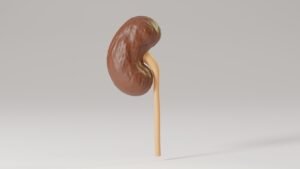
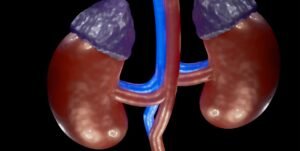
ACTH stands for adrenocorticotropic hormone. It is produced by the pituitary gland, a small hormone-producing gland at the base of the brain. ACTH’s main job is to signal the adrenal glands, which sit above the kidneys, to make cortisol. Cortisol helps the body maintain blood pressure, respond to illness or stress, regulate metabolism, and influence immune and inflammatory responses.
The ACTH-cortisol system works through a feedback loop called the hypothalamic-pituitary-adrenal axis, often shortened to the HPA axis. In simplified terms, the brain signals the pituitary to release ACTH; ACTH signals the adrenal glands to make cortisol; and cortisol then feeds back to the brain and pituitary to reduce further ACTH release when enough cortisol is present. MedlinePlus describes ACTH as a pituitary hormone that helps control cortisol production by the adrenal glands, which is why ACTH and cortisol are commonly evaluated together in endocrine testing. MedlinePlus
ACTH is not released at a perfectly steady rate. Levels normally follow a daily rhythm, tending to be higher in the early morning and lower later in the day. ACTH can also rise with physical stress, illness, low blood sugar, pain, and other body stressors. Because of this, the timing and circumstances of the blood draw matter.
What the ACTH blood test measures
The ACTH blood test measures the concentration of ACTH in a blood sample, usually reported in picograms per milliliter (pg/mL). The test is commonly performed on plasma from a lavender-top EDTA tube. Many laboratories require special handling because ACTH is unstable after blood is drawn. Labcorp’s test information, for example, notes that ACTH specimens are typically collected in an iced EDTA tube, separated promptly, frozen, and interpreted with the collection time because ACTH has a diurnal rhythm. Labcorp test menu
For the person having the test, the collection feels like a standard blood draw from a vein in the arm. The behind-the-scenes handling is the unusual part. If the sample is collected in the wrong tube, left warm too long, not processed promptly, or not frozen when required by the testing laboratory, the result may be inaccurate or the sample may be rejected.
ACTH can be ordered alone, but it is most useful when considered alongside cortisol and the clinical question. A single ACTH value cannot diagnose most adrenal or pituitary conditions by itself. Instead, it helps clinicians decide whether a cortisol problem looks more likely to be driven by the adrenal glands, the pituitary gland, or another source of ACTH.
Why a clinician may order an ACTH blood test
An ACTH blood test may be ordered when symptoms, exam findings, or other lab results suggest that cortisol production may be too low or too high. It can also be used after an abnormal cortisol test to help narrow down where the problem may be occurring.
| Clinical question | How ACTH may help |
|---|---|
| Possible adrenal insufficiency | ACTH can help distinguish primary adrenal gland failure from pituitary or hypothalamic causes when interpreted with cortisol. |
| Possible Cushing syndrome | After cortisol excess is established with recommended screening tests, ACTH can help determine whether cortisol excess is ACTH-dependent or ACTH-independent. |
| Known pituitary or adrenal disease | ACTH may be used as part of monitoring or further endocrine evaluation. |
| Unexplained abnormal cortisol result | ACTH provides context for whether the pituitary signal is high, low, or inappropriately normal for the cortisol level. |
Symptoms that sometimes lead to adrenal or cortisol evaluation include severe fatigue, unintentional weight loss, low blood pressure, salt craving, darkening of the skin, nausea, dizziness, easy bruising, new purple stretch marks, unexplained muscle weakness, or new difficult-to-control high blood pressure or blood sugar. These symptoms are not specific. Many common conditions can cause similar symptoms, which is why ACTH results need clinical interpretation rather than self-diagnosis.
How to prepare for an ACTH blood test
Preparation depends on why the test is being done and which laboratory is performing it. Always follow the instructions from the ordering clinician and the collection site. MedlinePlus notes that ACTH samples are often drawn early in the morning and that some people may be told to fast for several hours or adjust medications before testing; it also emphasizes not stopping medicines unless a healthcare provider instructs you to do so. MedlinePlus
Timing matters
Many ACTH tests are scheduled in the morning, commonly between 7 a.m. and 10 a.m. This timing aligns with the normal daily peak of ACTH and cortisol and allows the result to be compared with the lab’s morning reference interval. Labcorp’s ACTH test menu states that ACTH should be drawn between 7 a.m. and 10 a.m. for its listed morning reference range. Labcorp test menu
If your clinician orders an afternoon or evening ACTH level, that timing may be intentional. Do not reschedule it to the morning unless your clinician confirms. The interpretation must match the intended collection time.
Medication instructions are especially important
Glucocorticoid medications can strongly affect ACTH and cortisol results. Examples include prednisone, hydrocortisone, methylprednisolone, dexamethasone, and steroid injections or creams when absorbed in meaningful amounts. Some medications are medically necessary and stopping them abruptly can be dangerous. The MedlinePlus medical encyclopedia specifically warns not to stop glucocorticoids unless instructed by a provider. MedlinePlus Medical Encyclopedia
Before testing, tell your clinician and the lab about all prescription medicines, over-the-counter drugs, supplements, and hormone therapies you use. This includes oral contraceptives, estrogen therapy, steroid inhalers, topical steroid creams, steroid joint injections, biotin-containing supplements, and adrenal or “cortisol support” supplements. Some may affect the HPA axis directly; others may affect related tests or assay interpretation.
Ask about fasting, exercise, and stress
Some clinicians request fasting before an ACTH draw, especially when the test is paired with other morning endocrine labs. Others do not. Vigorous exercise, acute illness, poor sleep, pain, and significant stress can influence ACTH and cortisol physiology. You usually do not need to create a perfect “stress-free” condition, but it helps to follow instructions consistently and let the clinician know if something unusual happened around the draw, such as a major illness, overnight shift work, or taking a steroid dose.
Before your appointment, consider asking
- What time should my blood be drawn?
- Should cortisol be drawn at the same time?
- Should I fast?
- Should I take my usual morning steroid or hormone medication before the draw?
- Does this collection site know the ACTH sample must be handled promptly and kept cold or frozen according to the lab’s instructions?
How to understand ACTH blood test results
ACTH results are interpreted using the laboratory’s own reference interval, the collection time, and the cortisol result. A value that is “high” or “low” on the report does not automatically identify a specific disease. Conversely, a value inside the stated range may still be clinically meaningful if it is inappropriate for the cortisol level.
For example, Labcorp lists a morning reference range of 7.2–63.3 pg/mL for samples collected between 7 a.m. and 10 a.m. That range is specific to its assay and morning collection conditions. Other laboratories may use different methods and different ranges, so your report’s reference interval is the one that applies to your sample. Labcorp test menu
The most important principle is that ACTH and cortisol should make physiologic sense together. If cortisol is low, the pituitary would usually be expected to increase ACTH. If cortisol is high, ACTH would usually be suppressed unless the cortisol excess is being driven by ACTH itself.
| Pattern | General interpretation | Possible next step |
|---|---|---|
| Low cortisol + high ACTH | Can fit primary adrenal insufficiency, where the adrenal glands are not responding adequately. | Confirmatory endocrine testing, often including ACTH stimulation testing and evaluation for cause. |
| Low cortisol + low or inappropriately normal ACTH | Can fit secondary or tertiary adrenal insufficiency involving pituitary or hypothalamic signaling. | Endocrinology evaluation; additional pituitary hormone tests and imaging may be considered. |
| High cortisol + low ACTH | Can suggest ACTH-independent cortisol production, such as an adrenal source, if true cortisol excess is confirmed. | Testing guided by an endocrinologist, often adrenal-focused evaluation. |
| High cortisol + high or inappropriately normal ACTH | Can suggest ACTH-dependent cortisol excess, such as pituitary ACTH production or ectopic ACTH production, after Cushing syndrome is confirmed. | Specialized endocrine testing to identify the source. |
What high ACTH or low ACTH may mean
High ACTH
A high ACTH result may mean the pituitary is sending a stronger signal to the adrenal glands. If cortisol is low at the same time, that pattern can occur when the adrenal glands cannot make enough cortisol despite strong stimulation. This is one pattern seen in primary adrenal insufficiency, including Addison disease. The Endocrine Society guideline for primary adrenal insufficiency recommends confirmatory corticotropin stimulation testing when feasible and notes that, if stimulation testing is not feasible, a low morning cortisol together with ACTH can be a preliminary test suggesting adrenal insufficiency until confirmatory testing is available. Endocrine Society
High ACTH with high cortisol has a different meaning. It may suggest that cortisol excess is being driven by ACTH, but clinicians generally first confirm that true cortisol excess exists using recommended Cushing syndrome screening tests. The Endocrine Society guideline for Cushing syndrome recommends initial testing with options such as urinary free cortisol, late-night salivary cortisol, or dexamethasone suppression testing; it does not recommend random cortisol or plasma ACTH as the initial screening test for Cushing syndrome. Endocrine Society Cushing syndrome guideline
Low ACTH
A low ACTH result may be appropriate if cortisol is high, because cortisol normally suppresses ACTH release. In that setting, a clinician may consider whether cortisol is coming from the adrenal glands or from steroid medication exposure. A low ACTH result can also be concerning if cortisol is low, because the pituitary may not be sending enough signal to the adrenal glands. This can occur with pituitary or hypothalamic disorders, after long-term glucocorticoid use, or in other conditions that suppress ACTH production.
Low ACTH is not always a diagnosis by itself. The clinician will look at the cortisol value, medication history, timing, symptoms, and whether the sample was handled properly.
ACTH blood test vs. ACTH stimulation test
The names are similar, but these are different tests.
| Test | What happens | What it helps answer |
|---|---|---|
| ACTH blood test | A single blood sample measures your body’s ACTH level at that moment. | How much ACTH the pituitary is producing in relation to cortisol. |
| ACTH stimulation test | Baseline cortisol is measured, synthetic ACTH is given, and cortisol is measured again after a set interval. | How well the adrenal glands can respond to ACTH stimulation. |
An ACTH stimulation test is commonly used to evaluate adrenal insufficiency. It is more involved than a single ACTH blood draw because it requires timed blood samples and administration of cosyntropin, a synthetic ACTH-like medication. Labcorp’s ACTH stimulation resource describes timed cortisol sampling after cosyntropin administration, with protocols tailored to the clinical situation. Labcorp ACTH stimulation test resource
Limitations, errors, and practical next steps
ACTH testing has several limitations that are worth understanding before reacting to a result.
One result is a snapshot
ACTH secretion is pulsatile and changes across the day. A single value reflects one moment, not your entire hormone pattern. Labcorp notes that ACTH secretion is pulsatile and that multiple specimen collections may sometimes be needed. Labcorp test menu
Sample handling can change the result
ACTH is unstable in whole blood and plasma unless handled correctly. If your result seems inconsistent with your symptoms, cortisol level, or prior testing, ask whether the sample met the lab’s handling requirements. A repeat draw may be reasonable when there is concern about timing or specimen handling.
Medication history can dominate the interpretation
Steroid medications can suppress ACTH, raise measured steroid levels, or interfere with the HPA axis for variable periods depending on the drug, dose, route, and duration. This includes pills, injections, inhalers, creams, and some compounded or non-prescription products. Bring a medication list to the visit where results are reviewed.
Follow-up testing depends on the suspected condition
Depending on the pattern, follow-up may include a repeat morning ACTH and cortisol, ACTH stimulation test, 24-hour urinary free cortisol, late-night salivary cortisol, dexamethasone suppression testing, adrenal antibodies, electrolytes, renin and aldosterone, pituitary hormone testing, or imaging. The right next step depends on the clinical question, not just whether ACTH is above or below range.
When to seek urgent care
Seek urgent medical care if you have symptoms that could suggest adrenal crisis or severe illness, such as fainting, severe weakness, confusion, severe dehydration, persistent vomiting, severe abdominal pain, or very low blood pressure. Do not wait for routine lab follow-up if you feel acutely unwell.
ACTH blood test cost and access
The cost of an ACTH blood test depends on whether it is ordered through your clinician and billed to insurance, purchased through a direct-access lab service, or performed as part of a more complex endocrine evaluation. A clinician-ordered test may be subject to your deductible, copay, coinsurance, network status, and the billing policies of the laboratory and medical office. Direct-access options may show a cash price up front, but you should check whether the listed price includes the lab draw, clinician order review, processing, and any mandatory service fees.
| Ordering route | What to check | cost to the patient considerations |
|---|---|---|
| Clinician order with insurance | Network lab, diagnosis coverage, deductible, copay/coinsurance, and whether cortisol or stimulation testing is also ordered. | May be low if covered, but can be unpredictable until the claim processes. |
| Clinician order, self-pay | Cash price from the lab or health system, draw fees, handling fees, and whether repeat testing may be needed. | Often varies widely by lab, health system, and region. |
| Direct-access online lab service | Listed test price, required clinician authorization fee, collection network, state availability, age limits, and result-review process. | More transparent upfront, but may not be appropriate for complex symptoms or urgent concerns. |
As one current direct-access example, Labcorp OnDemand lists an Adrenocorticotropic Hormone (ACTH) Test at $119, with in-person blood collection at a Labcorp location, an indicated 7 a.m. to 10 a.m. collection window, HSA/FSA acceptance, and an age range of 18 to 100. Availability, prices, and ordering rules can change, so confirm the effective total cost and state availability at checkout before purchasing. Labcorp OnDemand
For suspected adrenal insufficiency, Cushing syndrome, or pituitary disease, self-ordering an ACTH level can be less helpful than seeing a clinician who can order the correct paired tests and interpret them safely. This is especially true if you take steroids, have low blood pressure, have abnormal sodium or potassium levels, or have symptoms that are worsening.
How to discuss your ACTH result with a clinician
When reviewing your result, bring or ask for the following details:
- Exact ACTH value, unit, and reference interval
- Blood draw time and whether you were fasting
- Same-day cortisol result, if available
- Medication and supplement list, especially any steroid exposure
- Recent illness, surgery, night-shift work, major stress, or sleep disruption
- Whether the sample was collected, transported, and frozen according to the lab’s ACTH instructions
A useful question is: “Does my ACTH result make sense for my cortisol level and the time of day it was drawn?” That question focuses the discussion on physiology rather than the isolated high/low flag on the report.
FAQs about the ACTH blood test
What does an ACTH blood test show?
It shows how much adrenocorticotropic hormone is present in your blood at the time of collection. ACTH helps regulate cortisol production by the adrenal glands. The result is most useful when interpreted with a cortisol level, symptoms, medications, and collection time.
Is fasting required for an ACTH blood test?
Sometimes. Some clinicians ask for fasting because ACTH is being drawn with other morning endocrine labs. Others do not require fasting. Follow the instructions on your lab order or ask the ordering clinician before the appointment.
What time of day should ACTH be tested?
ACTH is commonly tested in the early morning, often between 7 a.m. and 10 a.m., because levels are normally highest earlier in the day and many reference ranges are designed for morning collection. If your clinician orders a different time, follow that instruction because the timing may be part of the diagnostic plan.
What is a normal ACTH level?
Normal ranges vary by laboratory and by collection time. One major laboratory lists a morning range of 7.2–63.3 pg/mL for samples collected between 7 a.m. and 10 a.m., but your own report’s reference interval is the one your clinician should use. Labcorp test menu
Can stress affect ACTH?
Yes. ACTH is part of the body’s stress-response system, so acute illness, pain, low blood sugar, significant physical stress, and other stressors can influence levels. This does not make the test useless, but it means the clinical context matters.
Can steroid medicines affect ACTH results?
Yes. Glucocorticoids such as prednisone, hydrocortisone, and dexamethasone can affect ACTH and cortisol interpretation. Do not stop these medicines unless the clinician who manages them tells you to do so.
Can an ACTH blood test diagnose Addison disease?
Not by itself. A pattern of low cortisol with high ACTH can support suspicion for primary adrenal insufficiency, including Addison disease, but confirmatory testing is usually needed. The Endocrine Society recommends corticotropin stimulation testing as the preferred confirmatory test when possible. Endocrine Society
Can an ACTH blood test diagnose Cushing syndrome?
Usually no. ACTH helps determine the source of cortisol excess after Cushing syndrome is suspected or confirmed. Guidelines recommend other tests, such as late-night salivary cortisol, 24-hour urinary free cortisol, or dexamethasone suppression testing, for initial Cushing syndrome evaluation. Endocrine Society Cushing syndrome guideline
Why might my ACTH sample be rejected?
ACTH requires careful specimen handling. Depending on the laboratory, the sample may need to be collected in a chilled EDTA tube, kept cold, separated promptly, and frozen. If those requirements are not met, the lab may reject the specimen or the result may be unreliable.
Should I order ACTH myself?
Direct-access ACTH testing may be available, but ACTH is difficult to interpret without cortisol, timing, medication history, and a clear clinical question. If you have significant symptoms, take steroid medication, or are being evaluated for adrenal or pituitary disease, clinician-guided testing is usually more useful.