
Infertility: Which Blood Tests Are Commonly Used?
Infertility blood tests can evaluate ovulation, ovarian reserve, thyroid function, prolactin, androgen excess, and male hormone factors—but they are only one part of a complete fertility workup.
Infertility blood tests can evaluate ovulation, ovarian reserve, thyroid function, prolactin, androgen excess, and male hormone factors—but they are only one part of a complete fertility workup.
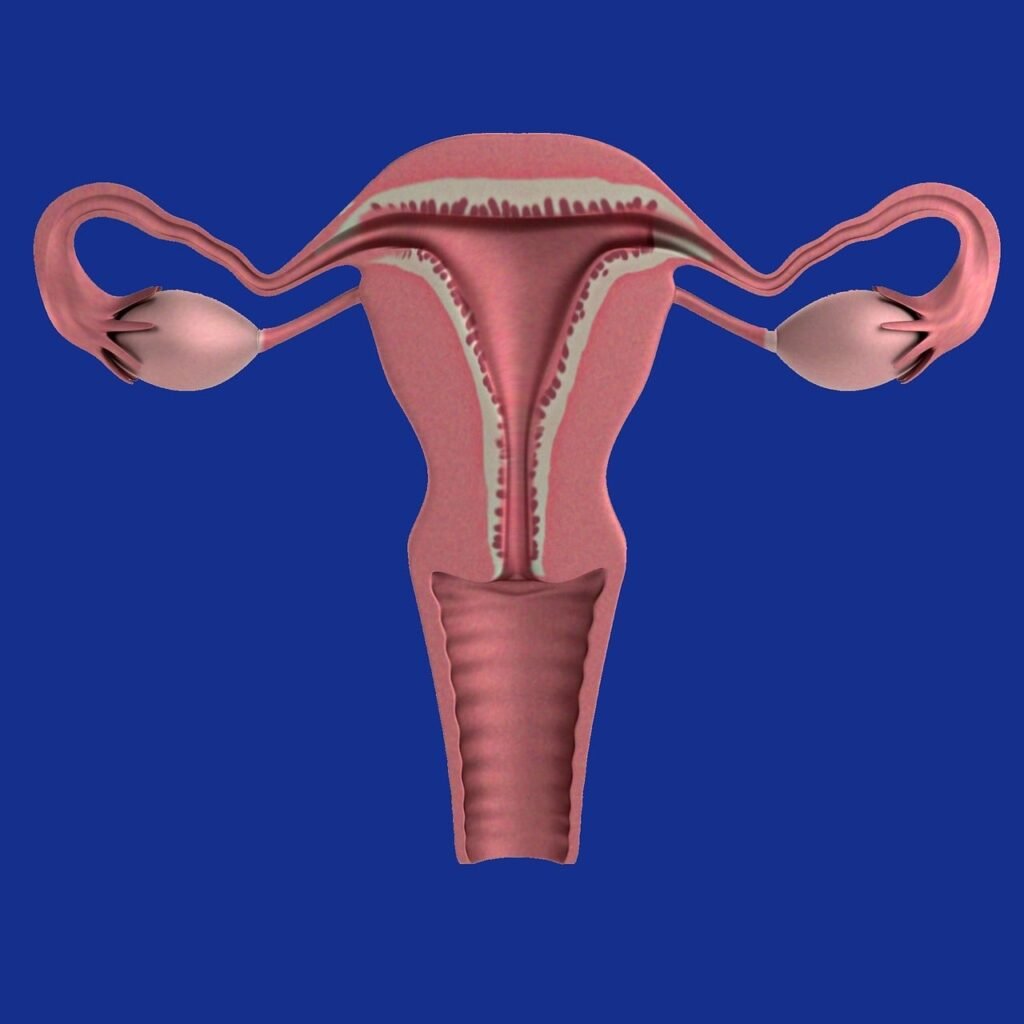
High and low AMH results can be confusing. This guide explains what AMH can and cannot tell you about ovarian reserve, PCOS, IVF response, natural pregnancy, preparation, limitations, costs, and next steps.
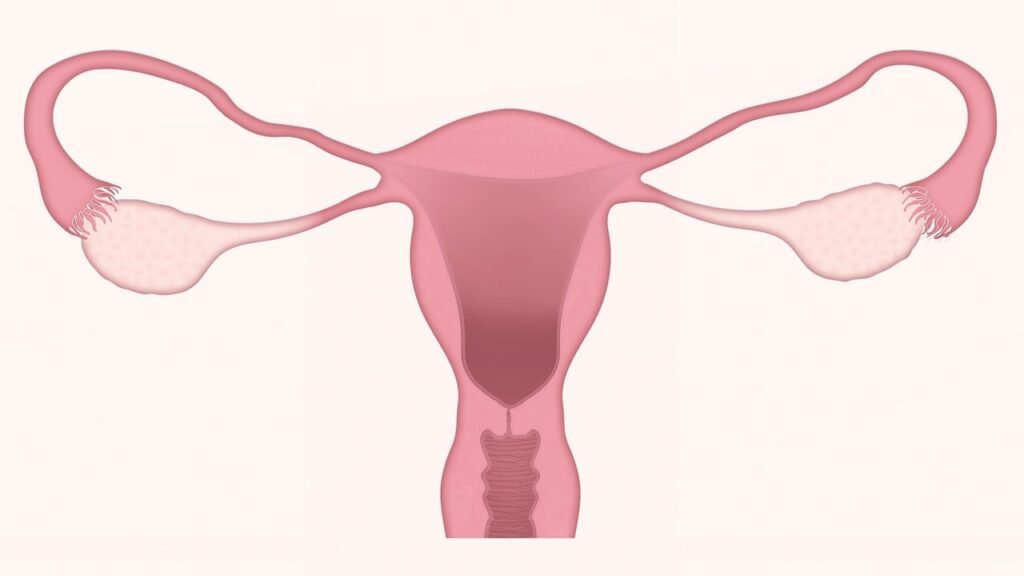
An AMH blood test estimates ovarian reserve and helps fertility clinicians plan treatment, but it cannot diagnose infertility by itself or predict natural pregnancy from one result. Learn how the test works, how to prepare, what low or high AMH may mean, and what to ask next.

Compare self-pay AMH blood test costs from national lab-ordering options, including effective total price, mandatory fees, draw-site options, turnaround time, and what the result can and cannot tell you.

A progesterone blood test measures progesterone in serum and is often used to help confirm ovulation, evaluate irregular cycles, or monitor selected pregnancy and fertility situations. Timing matters: day 21 only applies to a 28-day cycle.

Self-pay progesterone blood test costs can range from about $14 to $95 for common immunoassay options, with higher prices for LC/MS methods. Compare total cash prices, fees, availability, and how to choose the right option.
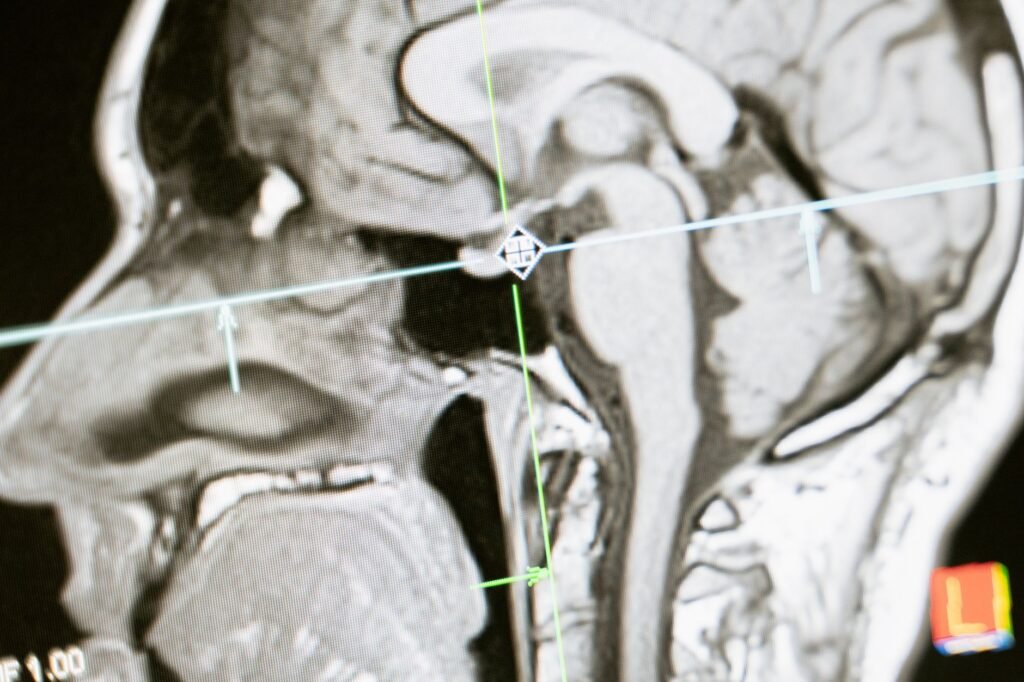
FSH results can be high or low for different reasons depending on age, sex, menstrual status, symptoms, and other hormone results. Learn what a high or low FSH level may suggest, why timing matters, and what to ask your clinician next.
An FSH blood test measures follicle-stimulating hormone, a pituitary hormone involved in ovulation, ovarian function, sperm production, puberty, and menopause-related hormone changes. Learn how testing works and how to interpret results in context.
Self-pay FSH blood test prices commonly run from the low tens of dollars to about $100+ depending on whether you order FSH alone, add LH or estradiol, and pay a separate physician/order fee.
A high or low LH result can mean very different things depending on cycle timing, age, menopause status, fertility goals, and related hormones. Here’s how to interpret the pattern.