

Metanephrines Blood Test Cost: Self-Pay Price Comparison
Compare self-pay prices for the metanephrines blood test, including mandatory service and collection fees, ordering workflow, availability limits, and what to know before paying out of pocket.
Compare self-pay prices for the metanephrines blood test, including mandatory service and collection fees, ordering workflow, availability limits, and what to know before paying out of pocket.

Self-pay renin blood test prices commonly run about $93–$153 through online lab-ordering services before any add-on tests, while some providers charge more. Compare the effective total cost, not just the advertised test price.
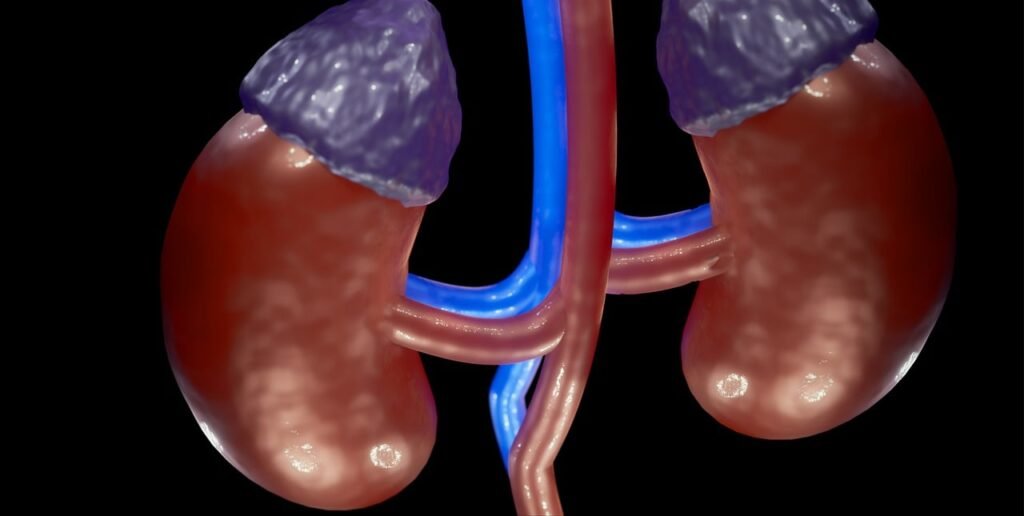
An aldosterone blood test measures a salt-and-water-regulating hormone made by the adrenal glands. Learn why it is ordered, how to prepare, what high or low results can mean, and why renin, potassium, posture, salt intake, and medications matter.

Compare self-pay aldosterone blood test costs, mandatory provider fees, what is included, and when an aldosterone-renin ratio may be a better value than aldosterone alone.

An ACTH blood test measures adrenocorticotropic hormone, a pituitary hormone that helps regulate cortisol. Learn why it’s ordered, how to prepare, what high or low results may mean, and why results are usually interpreted with cortisol testing.
Compare ACTH blood test cost for self-pay patients, including advertised prices, mandatory fees, collection networks, ordering workflow, availability limits, and what to know before buying.

Compare self-pay prices for an intact parathyroid hormone blood test, including mandatory provider fees, lab networks, ordering workflow, and when a PTH-with-calcium option may be worth the added cost.
Compare self-pay AMH blood test costs from national lab-ordering options, including effective total price, mandatory fees, draw-site options, turnaround time, and what the result can and cannot tell you.

A high or low total testosterone result can mean different things depending on age, sex, symptoms, timing of the blood draw, medications, and the lab’s reference range. Learn how to interpret the result, when to repeat it, and what follow-up tests may help.