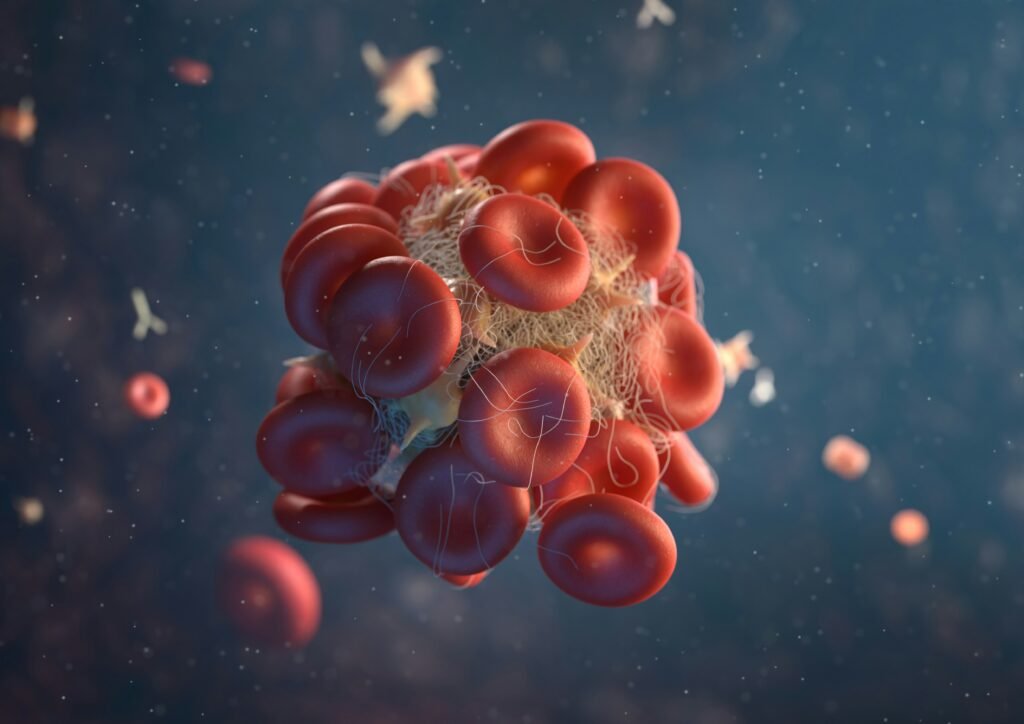
What Does a High or Low Fibrinogen Result Mean?
High fibrinogen often reflects inflammation or pregnancy; low fibrinogen can signal consumption, liver disease, inherited deficiency, or bleeding risk. Learn how to interpret results in context.
High fibrinogen often reflects inflammation or pregnancy; low fibrinogen can signal consumption, liver disease, inherited deficiency, or bleeding risk. Learn how to interpret results in context.
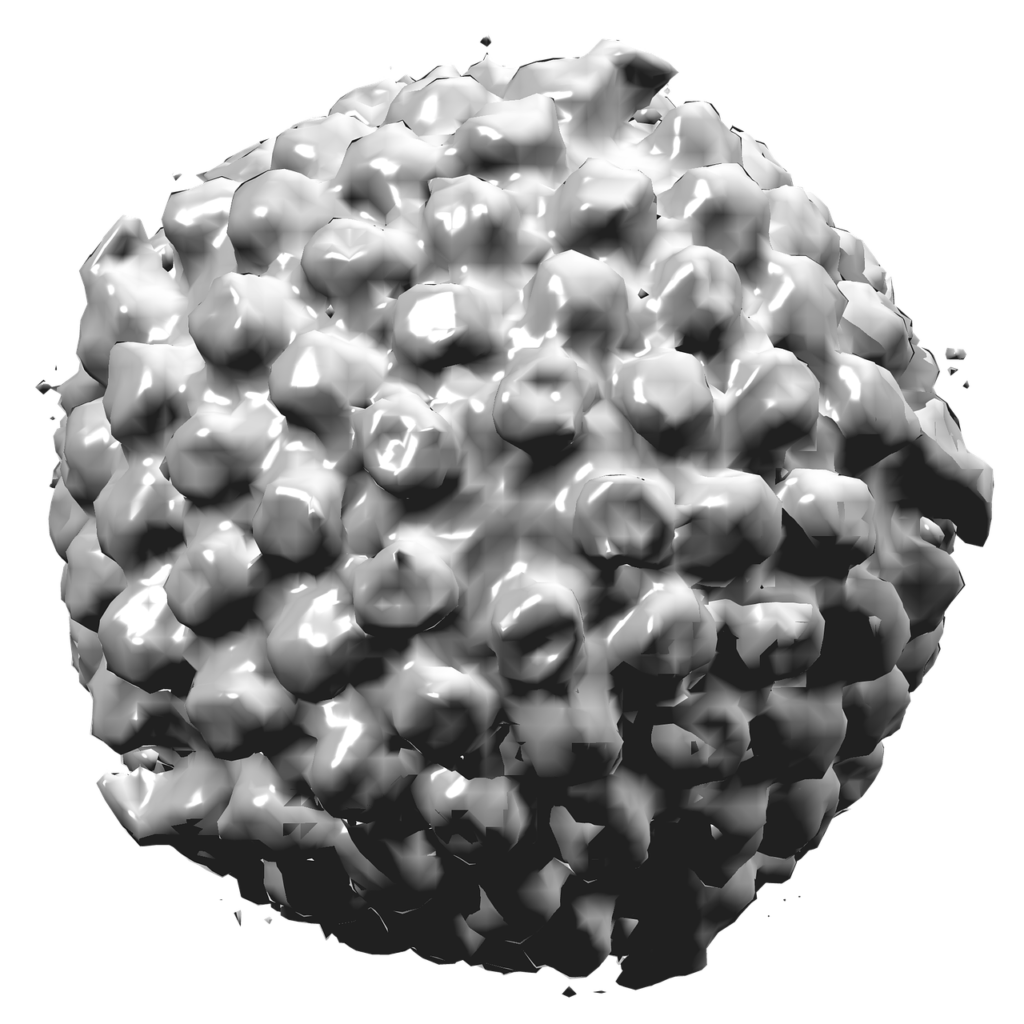
HSV blood test numbers can be misleading. Learn what high, low, negative, equivocal, and low-positive HSV-1 and HSV-2 IgG results mean, when confirmation matters, and what to do next.
Albumin is a major blood protein made by the liver. A low albumin result may point to inflammation, liver disease, kidney protein loss, malnutrition, digestive protein loss, or fluid dilution, while a high albumin result most often reflects dehydration. Here’s how to interpret albumin in context.

A high or low folate blood test can reflect recent supplement use, diet, absorption, medication effects, pregnancy needs, alcohol use, or related vitamin B12 problems. Learn how to interpret serum and RBC folate results, what to check next, and when follow-up testing matters.

A high prolactin result can come from pregnancy, breastfeeding, medications, stress, thyroid disease, kidney disease, or a prolactinoma. Low prolactin is uncommon and is usually interpreted in context of pituitary function and breastfeeding history.
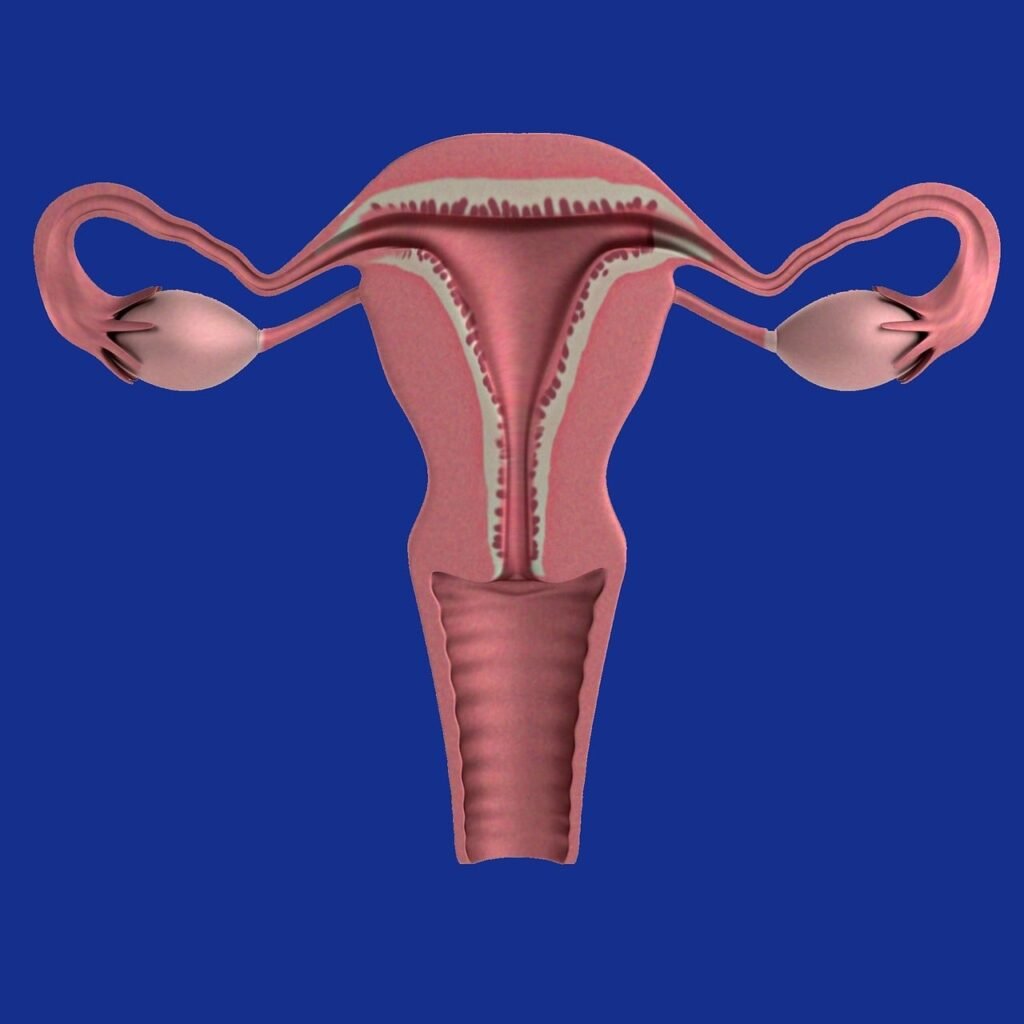
High or low estradiol can mean very different things depending on age, sex, menstrual timing, pregnancy status, medications, and whether you are using hormone therapy. Here’s how to read an estradiol result without over-interpreting it.

A high or low total testosterone result can mean different things depending on age, sex, symptoms, timing of the blood draw, medications, and the lab’s reference range. Learn how to interpret the result, when to repeat it, and what follow-up tests may help.

A high TPO antibody result usually points to autoimmune thyroid activity, most often Hashimoto’s thyroiditis, but the meaning depends on TSH, free T4, symptoms, pregnancy status, and your lab’s reference range. A low or negative result makes autoimmune thyroid disease less likely but does not always rule it out.
A high or low free T3 result is usually interpreted with TSH and free T4, not by itself. Here’s what common patterns can mean, what can skew results, and when to follow up promptly.
A high or low free T4 result can point toward thyroid overactivity, thyroid underactivity, medication effects, pituitary signaling issues, pregnancy-related reference range changes, or lab interference. The most useful interpretation comes from reading free T4 together with TSH and your lab’s own reference range.