Medical & affiliate disclosure: CTX Stat provides educational laboratory information and is not a substitute for professional medical advice, diagnosis, or treatment. CTX Stat may receive compensation from some outbound provider links when an affiliate program is active; provider comparisons and rankings are based on consumer fit, effective cost, access, policies, and reputation—not commission.
Quick take
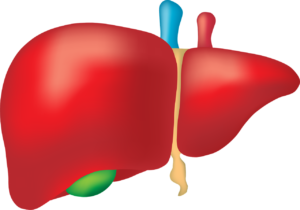
Fibrinogen, also called clotting factor I, is a protein made mainly by the liver. Your body converts fibrinogen into fibrin, the mesh-like material that helps stabilize a blood clot. A fibrinogen blood test is most often ordered when a clinician is evaluating unusual bleeding, possible clotting problems, disseminated intravascular coagulation (DIC), liver disease, pregnancy-related bleeding, or a suspected inherited fibrinogen disorder.
- A high fibrinogen result most often means the body is in an inflammatory, infectious, pregnancy-related, or tissue-injury state. Fibrinogen is a positive acute-phase reactant, meaning levels can rise during inflammation.
- A low fibrinogen result can mean reduced production, increased use or breakdown, dilution after major bleeding/transfusion, a rare inherited deficiency, or test interference. Low levels matter most when there is active bleeding, an upcoming procedure, pregnancy complications, liver failure, or abnormal PT/aPTT/platelets/D-dimer.
- Typical adult reference ranges are often around 200–400 mg/dL or 2.0–4.0 g/L, but the correct “normal” range is the one printed on your lab report. MedlinePlus lists 200–400 mg/dL as a common range, while Mayo Clinic Laboratories lists a similar adult interval for one plasma fibrinogen assay.
Bottom line: A fibrinogen result is not interpreted alone. The trend, symptoms, pregnancy status, medication history, liver function, platelet count, PT/INR, aPTT, D-dimer, and the reason the test was ordered all change what a high or low value means.
What the fibrinogen test measures
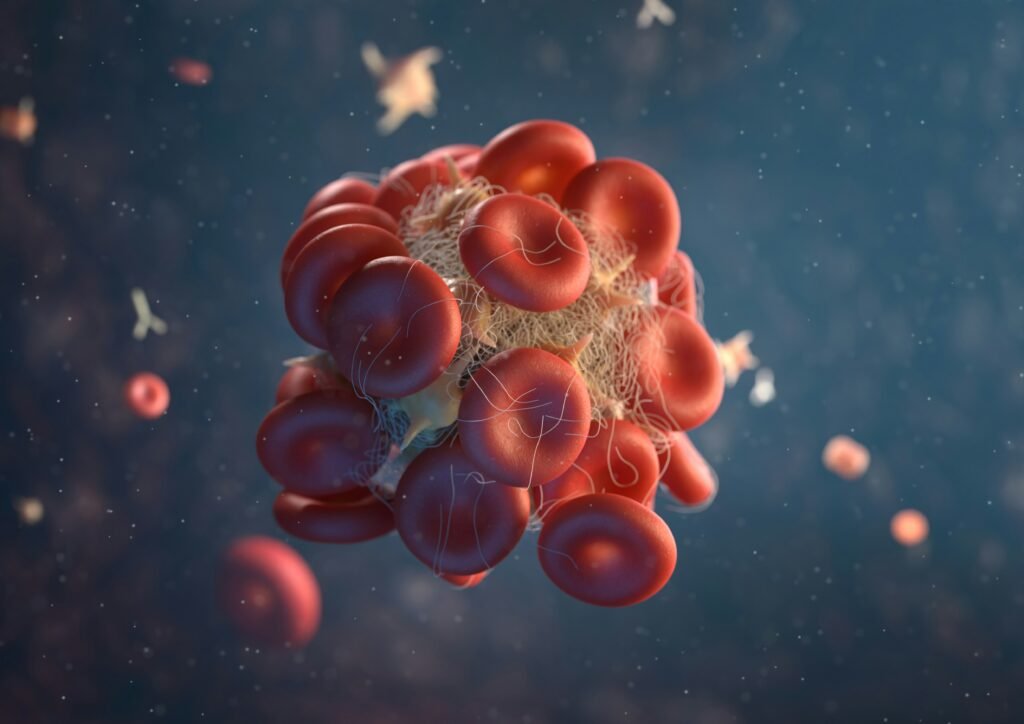
Fibrinogen is a soluble protein circulating in plasma. When bleeding or vessel injury occurs, the coagulation system activates thrombin, which converts fibrinogen into fibrin. Fibrin then forms strands that reinforce the platelet plug. Without enough usable fibrinogen, a clot may form poorly, break down too quickly, or fail to stabilize bleeding.
Most routine fibrinogen testing is a functional activity test, commonly performed using the Clauss method. In this type of test, thrombin is added to a citrated plasma sample and the laboratory measures how quickly a clot forms. The result estimates the amount of clottable fibrinogen, not simply the amount of fibrinogen protein present. The International Council for Standardisation in Haematology describes the Clauss fibrinogen assay as the preferred first-line hospital laboratory assay for fibrinogen measurement in many clinical settings.
This distinction matters because some people have a normal amount of fibrinogen protein that does not work normally. That pattern is called dysfibrinogenemia. If clinicians suspect that problem, they may compare a fibrinogen activity result with a fibrinogen antigen result, which measures the amount of fibrinogen protein rather than how well it clots.
Fibrinogen reference ranges and units
Fibrinogen may be reported in mg/dL, g/L, or sometimes other laboratory-specific units. To convert approximately, 100 mg/dL equals 1.0 g/L. Many adult reference intervals fall near 200–400 mg/dL, but laboratories set their own ranges based on their method, instruments, reagents, and patient population.
| Result pattern | Common way it may appear | What it usually means |
|---|---|---|
| Within range | Often around 200–400 mg/dL, depending on the lab | Functional fibrinogen is in the expected range for that laboratory, but symptoms and other coagulation tests still matter. |
| High | Above the lab’s upper reference limit | Often reflects inflammation, infection, tissue injury, pregnancy, or another acute-phase response. |
| Low | Below the lab’s lower reference limit | May reflect consumption, reduced liver production, increased breakdown, dilution, inherited deficiency, dysfibrinogenemia, or interference. |
| Very low or rapidly falling | Markedly below range or dropping on repeat tests | Can be clinically urgent, especially with bleeding, trauma, sepsis, obstetric hemorrhage, liver failure, or suspected DIC. |
Pregnancy deserves special context. Fibrinogen normally rises during pregnancy, especially later in gestation. Therefore, a fibrinogen level that looks “normal” for a nonpregnant adult can be concerning in a bleeding pregnant or postpartum patient if it is unexpectedly low for pregnancy. The American College of Obstetricians and Gynecologists notes that older fibrinogen targets used in hemorrhage may be too low in pregnancy, underscoring why obstetric results need specialist interpretation.
What a high fibrinogen result can mean
A high fibrinogen result means your measured clottable fibrinogen is above the reference interval for that laboratory. In everyday practice, the most common explanation is not a rare clotting disorder; it is an acute-phase response. When the body responds to inflammation, infection, injury, surgery, burns, autoimmune activity, or tissue stress, the liver may produce more fibrinogen along with other inflammatory proteins.
Common reasons fibrinogen can be high
- Recent infection or inflammation: Respiratory infections, bacterial infections, inflammatory bowel disease flares, rheumatoid arthritis activity, and other inflammatory states can raise fibrinogen.
- Recent injury, surgery, or tissue damage: Trauma and healing tissues can trigger acute-phase protein production.
- Pregnancy: Fibrinogen commonly increases as part of pregnancy-related changes in clotting balance.
- Chronic inflammatory or metabolic conditions: Persistently high fibrinogen may appear with chronic inflammatory disease, obesity-related inflammation, kidney disease, or other long-term conditions.
- Smoking and estrogen exposure: These may be considered in the broader interpretation of clotting and cardiovascular risk, although fibrinogen alone does not diagnose risk.
High fibrinogen can also influence other lab tests. For example, fibrinogen promotes red blood cell aggregation, which can contribute to an elevated erythrocyte sedimentation rate (ESR). That is one reason clinicians interpret inflammatory markers together rather than treating a single abnormal result as a complete answer.
Does high fibrinogen mean I have a blood clot?
Not by itself. Fibrinogen participates in clot formation, and higher levels have been studied as part of cardiovascular and thrombotic risk, but a high fibrinogen result does not diagnose deep vein thrombosis, pulmonary embolism, stroke, or heart attack. If a clot is suspected, clinicians use symptoms, exam findings, imaging, D-dimer in selected situations, and risk assessment—not fibrinogen alone.
Seek urgent care for symptoms that could suggest a serious clot or cardiovascular event, such as sudden shortness of breath, chest pain, coughing blood, one-sided leg swelling or pain, facial droop, arm weakness, speech trouble, sudden severe headache, or new neurologic symptoms.
What a low fibrinogen result can mean
A low fibrinogen result means the blood sample had less clottable fibrinogen than expected. Low fibrinogen is usually more immediately concerning than high fibrinogen when there is active bleeding, because fibrinogen is needed to form a stable clot. However, the meaning depends strongly on degree, trend, symptoms, and the rest of the coagulation workup.
Major categories of low fibrinogen
| Category | Examples | Why fibrinogen may be low |
|---|---|---|
| Increased consumption | DIC, severe sepsis, major trauma, obstetric complications | Fibrinogen is being used rapidly to form clots throughout the body or at bleeding sites. |
| Increased breakdown | Primary or secondary fibrinolysis; thrombolytic therapy | Fibrinogen or fibrin is broken down faster than it can be replaced. |
| Reduced production | Severe liver disease or acute liver failure | The liver cannot synthesize enough fibrinogen and other clotting proteins. |
| Dilution | Massive bleeding and resuscitation with fluids or red cells | Plasma clotting proteins may become diluted unless replaced. |
| Inherited fibrinogen disorder | Afibrinogenemia, hypofibrinogenemia, dysfibrinogenemia, hypodysfibrinogenemia | The body makes too little fibrinogen, none at all, or fibrinogen that does not function normally. |
| Testing interference or specimen issue | Heparin contamination, direct thrombin inhibitors, high fibrin degradation products, problematic sample handling | The assay may underestimate functional fibrinogen or be difficult to interpret. |
Low fibrinogen and DIC
Disseminated intravascular coagulation is a serious acquired clotting disorder in which the coagulation system becomes widely activated. In severe or rapidly evolving DIC, platelets and clotting factors can be consumed, leading to bleeding and organ complications. The Merck Manual Professional Edition explains that DIC evaluation commonly includes platelet count, PT, PTT, plasma fibrinogen, D-dimer, and blood smear, and that rapidly evolving DIC can produce a rapidly declining fibrinogen level.
One important nuance: fibrinogen can be normal or even high early in inflammatory DIC because the liver is also making more fibrinogen as an acute-phase reactant. In that setting, a falling trend may be more meaningful than a single value. This is why clinicians often repeat tests and interpret fibrinogen alongside D-dimer, platelets, PT/INR, aPTT, and the underlying illness.
Low fibrinogen and liver disease
Because the liver produces fibrinogen and many other clotting proteins, severe liver dysfunction can lower fibrinogen or produce dysfunctional fibrinogen. Merck’s discussion of liver testing notes that PT/INR reflects the liver’s ability to synthesize fibrinogen and vitamin K–dependent clotting factors. In liver disease, clinicians usually interpret fibrinogen together with PT/INR, platelet count, bilirubin, albumin, liver enzymes, clinical bleeding, and the overall severity of illness.
Inherited fibrinogen disorders
Inherited fibrinogen disorders are rare, but they are important when fibrinogen is repeatedly low, unexpectedly abnormal, or paired with a personal or family history of unusual bleeding or clotting. MedlinePlus describes congenital fibrinogen deficiency as a very rare inherited disorder in which the blood does not clot normally. A review indexed by PubMed classifies hereditary fibrinogen abnormalities as quantitative disorders, such as afibrinogenemia or hypofibrinogenemia, and qualitative disorders, such as dysfibrinogenemia or hypodysfibrinogenemia.
Symptoms vary widely. Some people have umbilical cord bleeding as newborns, frequent nosebleeds, easy bruising, heavy menstrual bleeding, bleeding after dental work or surgery, pregnancy loss, postpartum bleeding, or internal bleeding. Others have few symptoms or are discovered only after abnormal preoperative coagulation testing. Some dysfibrinogenemias are associated with thrombosis rather than bleeding, which is another reason specialist interpretation can be important.
How fibrinogen is interpreted with other tests
A fibrinogen result becomes much clearer when combined with the tests ordered around it. The same fibrinogen value can have different meanings in a stable outpatient with mild inflammation, a patient in the emergency department with sepsis, a pregnant patient with bleeding, or a person being evaluated for a lifelong bleeding history.
| Related test | Why it matters with fibrinogen |
|---|---|
| Platelet count | Low platelets plus low or falling fibrinogen may suggest consumption, severe illness, massive bleeding, or DIC. |
| PT/INR | Assesses parts of the extrinsic and common clotting pathways; may be prolonged in liver disease, vitamin K deficiency, warfarin effect, DIC, or factor deficiencies. |
| aPTT | Assesses intrinsic and common pathway activity; can be prolonged by heparin, some anticoagulants, factor deficiencies, inhibitors, or DIC. |
| D-dimer or fibrin degradation products | Helps assess clot formation and breakdown; high values may occur in DIC, thrombosis, inflammation, pregnancy, surgery, trauma, and other settings. |
| Thrombin time or reptilase time | May help evaluate heparin effect, thrombin inhibitor effect, low fibrinogen, or dysfunctional fibrinogen. |
| Fibrinogen antigen | Helps distinguish low fibrinogen amount from fibrinogen that is present but functions poorly. |
| Liver panel, albumin, bilirubin | Helps evaluate whether reduced synthesis or liver dysfunction may be contributing. |
| CRP or ESR | Helps assess inflammation; high fibrinogen may accompany other inflammatory markers. |
ARUP Consult’s guidance on prolonged clotting time evaluation emphasizes that appropriate testing depends on the clinical presentation, medications, underlying conditions, and which screening tests are abnormal. In other words, a fibrinogen result is a clue, not the whole diagnosis.
Preparation, limitations, and reasons a result may not tell the whole story
How to prepare
For most fibrinogen blood tests, no fasting or special preparation is needed. MedlinePlus states that no special preparation is required for the fibrinogen blood test. Still, you should tell the ordering clinician about factors that may affect interpretation:
- Anticoagulants such as heparin, warfarin, direct oral anticoagulants, or direct thrombin inhibitors
- Thrombolytic drugs or recent clot-busting therapy
- Recent transfusion, fibrinogen concentrate, cryoprecipitate, plasma, or factor replacement
- Pregnancy or recent delivery
- Recent surgery, trauma, infection, or hospitalization
- Known liver disease, kidney disease, autoimmune disease, cancer, or inflammatory disease
- A personal or family history of unusual bleeding, miscarriages, or blood clots
Assay and specimen limitations
Fibrinogen testing is technically sensitive because it is often based on clot formation. Mayo Clinic Laboratories cautions that high concentrations of heparin and direct oral anticoagulants can falsely decrease fibrinogen concentration in some settings. Labcorp’s fibrinogen activity information similarly notes that very high heparin levels, direct thrombin inhibitors, or fibrin breakdown products may falsely reduce results by interfering with clot formation. This does not mean the test is unreliable; it means medication timing, sample collection, and clinical context matter.
Specimen collection can also matter. A sample drawn from a heparinized line, an underfilled citrate tube, delayed processing, or a sample affected by clotting in the tube may not reflect the patient’s true circulating fibrinogen. If a result is unexpected and does not fit the clinical picture, the clinician may repeat the test, request a different assay, or ask the laboratory to review the specimen.
Practical next steps after a high or low fibrinogen result
If fibrinogen is high
- Look for an inflammatory explanation. Recent infection, injury, surgery, chronic inflammatory disease, pregnancy, and other stressors can explain a high value.
- Review related markers. CRP, ESR, white blood cell count, platelets, liver tests, kidney tests, and clinical symptoms may provide direction.
- Do not assume it means a clot. If clot symptoms are present, evaluation should be symptom-driven and may involve imaging or D-dimer depending on risk.
- Ask whether repeat testing is useful. If the result was found during an acute illness, a repeat test after recovery may show whether it was temporary.
If fibrinogen is low
- Consider urgency. Active bleeding, pregnancy-related bleeding, trauma, sepsis, fainting, severe headache, black stools, vomiting blood, or rapidly spreading bruising warrants prompt medical attention.
- Check the whole coagulation pattern. Platelets, PT/INR, aPTT, D-dimer, hemoglobin, liver tests, and the trend over time are often more informative than one fibrinogen value.
- Review medications and collection issues. Anticoagulants, thrombolytics, heparin contamination, recent transfusion, and sample problems can change interpretation.
- Ask about inherited causes if the abnormality repeats. Recurrent low fibrinogen, abnormal activity-to-antigen patterns, or a family history may justify hematology referral.
- Follow procedure-specific guidance. If you have surgery, dental extraction, childbirth, or an invasive procedure coming up, the care team may need a plan to reduce bleeding risk.
Seek urgent care now for uncontrolled bleeding, blood in vomit or stool, new severe headache, weakness or numbness on one side, chest pain, sudden shortness of breath, fainting, severe abdominal pain in pregnancy, heavy postpartum bleeding, or rapidly worsening bruising or purple skin spots.
Cost and access considerations
Fibrinogen testing may be ordered as a standalone plasma fibrinogen activity test or as part of a broader coagulation evaluation. In outpatient settings, the total out-of-pocket cost can vary depending on whether the test is billed through insurance, a hospital laboratory, an independent laboratory, or a cash-pay ordering service. If you are paying directly, ask for the effective total cost, including the test price, clinician order fee if required, blood draw fee, processing fee, and any mandatory service fee. Also confirm whether the result will be reviewed by a licensed clinician and whether abnormal or critical results have a clear follow-up process.
For medically urgent situations—active bleeding, suspected DIC, obstetric hemorrhage, severe liver failure, major trauma, or sepsis—fibrinogen testing should be handled through the treating medical team, not delayed for price shopping.
FAQs about high and low fibrinogen
What is a normal fibrinogen level?
Many laboratories use an adult reference range near 200–400 mg/dL, or 2.0–4.0 g/L, but ranges vary. Your report’s reference interval is the one that applies to the method used for your sample. Pregnancy, age, inflammation, and laboratory method can affect interpretation.
Is high fibrinogen dangerous?
High fibrinogen is not automatically dangerous and is not a diagnosis by itself. It often reflects inflammation, infection, injury, pregnancy, or chronic inflammatory activity. Persistently high fibrinogen may be one piece of a broader risk picture, but it should be interpreted with symptoms, medical history, and other tests.
What does low fibrinogen mean?
Low fibrinogen can mean the body is using up fibrinogen, breaking it down, not making enough, or producing fibrinogen that does not work properly. It can occur with DIC, severe bleeding, liver disease, inherited fibrinogen disorders, dilution after major transfusion, thrombolytic therapy, or assay interference.
Can fibrinogen be low without symptoms?
Yes. Mild inherited hypofibrinogenemia or dysfibrinogenemia may cause few symptoms until surgery, dental work, childbirth, trauma, or another bleeding challenge. A repeated low result or a mismatch between fibrinogen activity and antigen testing may need hematology evaluation.
Do I need to fast before a fibrinogen test?
Usually no. Most people do not need to fast or follow special preparation instructions. Tell your clinician about anticoagulants, recent transfusion, pregnancy, recent surgery, active infection, liver disease, and any personal or family history of bleeding or clotting problems.
Can anticoagulants affect fibrinogen results?
Sometimes. Many fibrinogen activity assays are designed to be robust, but certain anticoagulants or high drug concentrations can interfere. Direct thrombin inhibitors such as dabigatran, argatroban, or bivalirudin may falsely lower some functional fibrinogen results. Heparin contamination from a line draw can also be a problem.
Why would my clinician repeat fibrinogen?
Repeat testing can show whether a result is temporary, persistent, or trending downward. In DIC, obstetric bleeding, trauma, severe infection, or liver failure, the trend may be more clinically important than a single number.
What is the difference between fibrinogen activity and fibrinogen antigen?
Fibrinogen activity measures how well fibrinogen participates in clot formation. Fibrinogen antigen measures how much fibrinogen protein is present. If activity is low but antigen is normal or less reduced, clinicians may consider dysfibrinogenemia, medication interference, or other functional problems.
Source Notes
- NCBI Bookshelf: Physiology, Acute Phase Reactants
- MedlinePlus Medical Encyclopedia: Fibrinogen blood test
- International Journal of Laboratory Hematology: ICSH recommendations on fibrinogen assays
- American College of Obstetricians and Gynecologists
- Merck Manual Professional Edition: Disseminated Intravascular Coagulation
- MedlinePlus Medical Encyclopedia: Congenital fibrinogen deficiency
- pubmed.ncbi.nlm.nih.gov — 23852822
- ARUP Consult: Prolonged Clotting Time Evaluation