Medical & affiliate disclosure: CTX Stat provides educational laboratory information and is not a substitute for professional medical advice, diagnosis, or treatment. CTX Stat may receive compensation from some outbound provider links when an affiliate program is active; provider comparisons and rankings are based on consumer fit, effective cost, access, policies, and reputation—not commission.
Quick take: A fibrinogen blood test measures fibrinogen, also called factor I, a protein made by the liver that helps form stable blood clots. It is most often ordered when a clinician is evaluating unexplained bleeding, abnormal clotting test results, suspected disseminated intravascular coagulation (DIC), liver disease, or rare inherited fibrinogen disorders. Most people do not need to fast. Results are interpreted with your symptoms and other tests, especially PT/INR, aPTT, platelet count, D-dimer, thrombin time, and sometimes fibrinogen antigen testing.
What is a fibrinogen blood test?
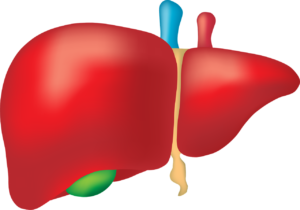
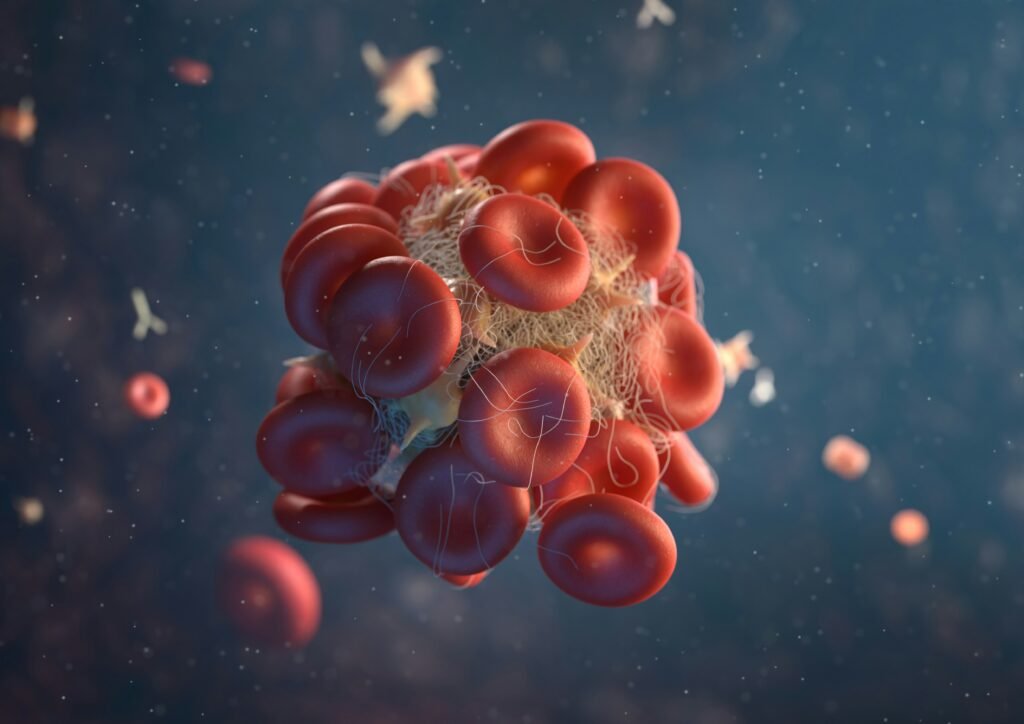
A fibrinogen blood test measures fibrinogen in the blood. Fibrinogen is a clotting factor produced by the liver. When a blood vessel is injured, the body activates a series of clotting proteins. Near the end of that process, thrombin converts fibrinogen into fibrin strands that help stabilize the clot at the injury site. MedlinePlus describes fibrinogen as a liver-made protein that helps stop bleeding by helping clots form, and notes that a blood test can measure how much fibrinogen is present in the blood. MedlinePlus
In practice, many lab orders are listed as fibrinogen activity, clottable fibrinogen, Clauss fibrinogen, or factor I activity. These names matter because they point to what is being assessed: not just whether fibrinogen protein exists, but whether it can participate in clot formation.
The most common clinical method is a functional clot-based assay, often the Clauss method. In this type of test, a high concentration of thrombin is added to diluted patient plasma, and the time it takes for a fibrin clot to form is compared with a calibration curve. A shorter or longer clotting time is translated into a fibrinogen concentration. Mayo Clinic Laboratories describes this principle for its plasma fibrinogen assay, and StatPearls notes that the Clauss functional method is considered a reference method for quantitative fibrinogen determination. Mayo Clinic Laboratories NCBI Bookshelf
A separate fibrinogen antigen test may be used when a clinician needs to know the amount of fibrinogen protein regardless of how well it functions. Comparing fibrinogen activity with fibrinogen antigen can help evaluate suspected dysfibrinogenemia, a condition in which fibrinogen may be present but function abnormally.
Why a fibrinogen test may be ordered
A fibrinogen test is usually ordered as part of a broader evaluation rather than as a stand-alone screening test. Common reasons include:
- Unexplained or excessive bleeding: Examples include prolonged bleeding after surgery, dental work, childbirth, injury, or a blood draw.
- Easy bruising or abnormal bleeding symptoms: Fibrinogen may be checked with platelet count, PT/INR, aPTT, von Willebrand testing, or factor assays.
- Suspected DIC: DIC is a serious condition in which clotting is abnormally activated throughout the bloodstream, consuming platelets and clotting factors. Merck Manual lists platelet count, PT, PTT, plasma fibrinogen, D-dimer, and blood smear among the tests used when DIC is suspected. Merck Manual Professional Edition
- Liver disease evaluation: Because fibrinogen is produced in the liver, severe liver dysfunction can reduce production of clotting factors, including fibrinogen.
- Monitoring an acquired clotting problem: Clinicians may trend fibrinogen during major bleeding, severe infection, trauma, obstetric complications, or certain treatments.
- Suspected inherited fibrinogen disorder: Rare conditions include afibrinogenemia, hypofibrinogenemia, and dysfibrinogenemia.
- Follow-up after abnormal screening tests: An abnormal PT, aPTT, thrombin time, or other coagulation result may lead to fibrinogen testing.
Fibrinogen is also an acute-phase reactant, meaning levels can rise during inflammation or tissue injury. That can make a high result useful as a clue, but not specific enough to diagnose the cause of inflammation by itself. Labcorp’s test information notes that elevated fibrinogen activity is most consistent with an acute-phase response and may be seen with infection, systemic inflammation, tissue injury, autoimmune disease, or malignancy. Labcorp
How to prepare for a fibrinogen blood test
For most people, no special preparation is needed. MedlinePlus and Testing.com both state that no special preparation is required for fibrinogen testing. MedlinePlus Testing.com
However, a few practical details can help avoid confusion:
- Ask whether other tests require fasting. Fibrinogen itself usually does not require fasting, but it may be ordered with a metabolic panel, lipid panel, or other tests that have different instructions.
- Tell your clinician about anticoagulants and recent treatments. Blood thinners, thrombolytic therapy, fibrinogen replacement, transfusions, and recent major bleeding can affect interpretation.
- Mention pregnancy, recent surgery, infection, trauma, or inflammatory disease. These can change fibrinogen levels and may explain why the result is higher or lower than expected.
- Follow the collection site’s instructions. Coagulation testing depends on correct specimen collection and processing. If a sample is underfilled, clotted, delayed, or mishandled, the lab may reject it or the result may be less reliable.
The blood draw is similar to many other venous blood tests. A phlebotomist cleans the skin, inserts a needle into a vein, collects blood into a tube, and applies pressure afterward. Mild soreness or bruising can happen and usually resolves quickly.
Understanding fibrinogen test results
Fibrinogen results are commonly reported in mg/dL in the United States or g/L in some settings. A rough conversion is:
| Unit | Example | Equivalent |
|---|---|---|
| mg/dL | 300 mg/dL | 3.0 g/L |
| g/L | 2.0 g/L | 200 mg/dL |
A commonly cited adult reference range is about 200 to 400 mg/dL, or 2.0 to 4.0 g/L. MedlinePlus lists 200 to 400 mg/dL as a normal range while emphasizing that ranges can vary between laboratories. MedlinePlus Some reference laboratories use wider intervals; for example, sample and test-catalog materials may show ranges such as 200 to 500 mg/dL depending on method and setting. Mayo Clinic Laboratories
The most important rule is to compare your result with the reference interval printed on your own lab report. Different laboratories may use different analyzers, reagents, patient populations, and reporting units.
| Result pattern | What it may suggest | Common follow-up context |
|---|---|---|
| Within the lab’s reference range | Fibrinogen activity is not obviously low or high by that lab’s criteria. | Does not rule out all bleeding or clotting disorders; other tests may still matter. |
| Low fibrinogen | Reduced amount or function, consumption, loss, dilution, or impaired production. | Often interpreted with PT/INR, aPTT, platelets, D-dimer, thrombin time, liver tests, and clinical urgency. |
| High fibrinogen | Often an inflammatory or acute-phase response. | May prompt evaluation for infection, inflammation, tissue injury, pregnancy-related changes, or chronic disease context. |
| Normal antigen but low activity | Possible dysfunctional fibrinogen. | May lead to thrombin time, reptilase time, fibrinogen antigen, genetic testing, or hematology referral. |
What low fibrinogen can mean
A low fibrinogen result means there may not be enough functional fibrinogen to form a stable clot. How concerning that is depends on the degree of reduction, whether the level is falling, and whether bleeding or another serious illness is present.
Possible causes of low fibrinogen include:
- Disseminated intravascular coagulation: In DIC, clotting becomes abnormally activated and can consume platelets and clotting factors. Merck notes that rapidly evolving DIC can show thrombocytopenia, prolonged PT and PTT, high D-dimer, and a rapidly declining fibrinogen level. Merck Manual Professional Edition
- Major bleeding or massive transfusion: Fibrinogen can be lost or diluted during severe bleeding and replacement with fluids or red blood cells.
- Severe liver disease: The liver produces fibrinogen and many other clotting factors, so advanced liver dysfunction can affect coagulation test patterns.
- Inherited fibrinogen disorders: Afibrinogenemia means little to no fibrinogen, hypofibrinogenemia means reduced fibrinogen, and dysfibrinogenemia means fibrinogen is present but does not function normally.
- Certain medications or therapies: Treatments that break down clots or affect coagulation can influence results.
- Laboratory or specimen issues: Coagulation tests are sensitive to collection and processing problems, so an unexpected result may need confirmation.
Low fibrinogen can be urgent if it occurs with heavy bleeding, rapidly worsening illness, pregnancy complications, trauma, sepsis, or very abnormal clotting tests. In medical emergencies, clinicians may treat the underlying cause and replace depleted blood components when appropriate. Merck’s DIC overview notes that severe bleeding may require replacement therapy such as platelets, fresh frozen plasma, or cryoprecipitate containing fibrinogen, depending on the clinical situation. Merck Manual Consumer Version
What high fibrinogen can mean
A high fibrinogen result is most often interpreted as a sign that the body is responding to inflammation, stress, or tissue injury. Because fibrinogen is an acute-phase reactant, the liver can produce more of it during inflammatory states.
Potential reasons for high fibrinogen include:
- Recent infection or inflammation
- Autoimmune or inflammatory disease activity
- Recent surgery, trauma, burn, or tissue injury
- Pregnancy, especially later pregnancy
- Some cancers or chronic inflammatory conditions
- Smoking, obesity, or other chronic cardiometabolic risk contexts
A high fibrinogen result does not diagnose a blood clot, cancer, autoimmune disease, or heart disease by itself. It may simply reflect a recent infection or inflammatory flare. If fibrinogen is high, clinicians usually look at the full clinical picture and may compare it with other inflammation or clotting markers such as C-reactive protein, ESR, D-dimer, platelet count, and liver-related tests.
It is also possible for fibrinogen to be high at baseline and still fall during a serious clotting-consumption process. This is why trends can matter. In slowly evolving DIC, Merck notes that fibrinogen may be normal or only moderately reduced, and that a declining level on consecutive measurements can be diagnostically helpful because fibrinogen production may be increased as an acute-phase response. Merck Manual Professional Edition
Fibrinogen activity vs antigen: why the distinction matters
Most routine fibrinogen testing is activity-based. That is usually appropriate when the clinical question is whether fibrinogen can help form a clot. But activity testing alone may not fully characterize rare fibrinogen disorders.
In hypofibrinogenemia, fibrinogen quantity is low, so both activity and antigen may be reduced. In dysfibrinogenemia, the amount of fibrinogen protein may be normal, but function is impaired, so activity may be disproportionately low compared with antigen. StatPearls describes fibrinogen activity testing as measuring clot formation after adding thrombin, while fibrinogen antigen testing uses antibodies to quantify fibrinogen in the blood sample. NCBI Bookshelf
If your result suggests a possible inherited or functional fibrinogen problem, your clinician may consider additional testing such as thrombin time, reptilase time, fibrinogen antigen, genetic testing, or referral to a hematologist. These follow-up tests are chosen based on the pattern of results and your personal or family history of bleeding, thrombosis, miscarriages, or surgical bleeding.
Related tests commonly interpreted with fibrinogen
Fibrinogen rarely tells the whole story. It is often one piece of a coagulation evaluation:
| Test | What it helps assess | How it relates to fibrinogen |
|---|---|---|
| PT/INR | Extrinsic and common clotting pathways | May be prolonged in DIC, liver disease, vitamin K deficiency, anticoagulant therapy, and some factor deficiencies. |
| aPTT | Intrinsic and common clotting pathways | May be prolonged in factor deficiencies, heparin effect, inhibitors, DIC, and severe fibrinogen problems. |
| Platelet count | Platelet number | Low platelets plus abnormal PT/aPTT, high D-dimer, and low or falling fibrinogen can support concern for DIC in the right setting. |
| D-dimer | Breakdown products from cross-linked fibrin | Often high when clot formation and breakdown are increased; not specific by itself. |
| Thrombin time | Final conversion of fibrinogen to fibrin | Can be prolonged with low or dysfunctional fibrinogen and with certain anticoagulant effects. |
| Fibrinogen antigen | Amount of fibrinogen protein | Helps distinguish low quantity from abnormal function when compared with activity. |
How much does a fibrinogen blood test cost?
The cost of a fibrinogen blood test depends on how it is ordered and billed. If your clinician orders it for a medical reason, insurance may cover some or all of the cost, but your final amount can still depend on deductible, copay, coinsurance, network status, and whether the test is billed through a hospital outpatient department, clinic, or independent laboratory.
For cash-pay or direct-access testing, compare the effective total cost, not just the advertised test price. The total may include a test charge, mandatory physician or requisition fee, draw or collection fee, processing fee, service fee, or shipping fee for certain models. State restrictions can also apply.
| Ordering route | What to check before paying | Cost notes |
|---|---|---|
| Clinician order with insurance | Medical necessity, in-network lab, prior authorization if required, and patient responsibility. | Often best when symptoms or abnormal results need medical evaluation and follow-up. |
| Hospital or health-system lab | Facility billing, lab billing, and whether separate venipuncture or outpatient fees apply. | Can be more expensive for cash-pay patients, but may be appropriate in urgent or complex care. |
| Direct-access lab marketplace | Total price, mandatory physician fee, collection network, turnaround time, and state availability. | May be convenient for non-urgent testing, but abnormal results still need medical interpretation. |
Examples of publicly listed direct-access pricing show why total cost matters. Walk-In Lab listed a Fibrinogen Activity Blood Test at $44.00 plus a $6.00 per-order physician fee, with no fasting required and a typical 2–3 day result estimate when checked in its product listing. Walk-In Lab True Health Labs listed a Fibrinogen Activity Test at $69.00, a 2–4 business day average turnaround, and availability restrictions excluding orders where address and testing are in NY, NJ, MA, or RI. True Health Labs Prices and availability can change, so verify the checkout total and collection-site details before ordering.
If you are actively bleeding, pregnant with complications, recently had major surgery or trauma, or have symptoms of a clot, do not use direct-access testing as a substitute for urgent medical care.
What to do after you get your result
Your next step depends on the result and why the test was ordered:
- If your fibrinogen is low: Contact the ordering clinician promptly, especially if you have bleeding symptoms, are preparing for a procedure, are pregnant, or have other abnormal clotting tests.
- If your fibrinogen is high: Ask whether the result fits a recent infection, inflammation, injury, pregnancy, or chronic condition. Your clinician may repeat it after recovery or interpret it with inflammatory markers.
- If the result conflicts with symptoms: Repeat testing or additional coagulation tests may be needed. A normal fibrinogen activity result does not rule out all platelet, vessel, von Willebrand, or clotting-factor disorders.
- If a rare disorder is suspected: A hematologist may help interpret activity, antigen, thrombin time, reptilase time, and genetic results together.
Bring the full lab report to your appointment, not just the number. The report should include the units, reference interval, specimen type, collection date, and any lab comments about sample quality or method.
FAQs about the fibrinogen blood test
What does a fibrinogen blood test measure?
It measures fibrinogen, also called factor I, a liver-made clotting protein that is converted into fibrin during clot formation. Most routine versions measure fibrinogen activity, meaning how well fibrinogen helps form a clot.
Do I need to fast?
Usually no. Fibrinogen testing by itself generally does not require fasting. If other tests are being collected at the same time, follow the instructions for the full order.
What is a normal fibrinogen level?
A common adult reference range is about 200 to 400 mg/dL, but some labs use different intervals, including wider ranges. Use the reference range printed on your own report.
Is high fibrinogen dangerous?
High fibrinogen is not automatically dangerous, but it can be a marker of inflammation or physiologic stress. It should be interpreted with your symptoms, medical history, and other labs. A high value alone does not diagnose a clot or a specific disease.
Is low fibrinogen dangerous?
Low fibrinogen can increase bleeding risk, especially if it is very low, falling quickly, or accompanied by abnormal PT/aPTT, low platelets, high D-dimer, or active bleeding. It can be urgent in settings such as DIC, trauma, major bleeding, severe infection, or pregnancy complications.
Can pregnancy affect fibrinogen?
Yes. Fibrinogen commonly rises during pregnancy as part of normal physiologic changes in clotting. Because pregnancy changes the interpretation, pregnant patients should review results with an obstetric clinician or hematology specialist when testing is done for bleeding, clotting, or pregnancy complications.
Can a fibrinogen test diagnose DIC?
No single fibrinogen result diagnoses DIC by itself. DIC is assessed using the clinical situation and a pattern of tests, often including platelet count, PT, aPTT, D-dimer, fibrinogen, and sometimes a blood smear. A falling fibrinogen level may be especially important in the right context.
What is the difference between fibrinogen and D-dimer?
Fibrinogen is a clotting protein used to build fibrin clots. D-dimer is a breakdown product released when cross-linked fibrin is degraded. In simplified terms, fibrinogen helps build the clot, while D-dimer can reflect clot formation and breakdown.
Can medications affect fibrinogen results?
Some medications and treatments can affect coagulation testing or interpretation, including anticoagulants, thrombolytic therapy, transfusions, and fibrinogen replacement products. Always tell the ordering clinician and collection site what you take.
Should I order a fibrinogen test on my own?
Direct-access testing may be reasonable for non-urgent, informed follow-up in some situations, but fibrinogen is usually most useful when interpreted with other clotting tests and clinical context. If you have active bleeding, symptoms of a clot, severe illness, pregnancy complications, or a very abnormal result, seek medical care rather than relying on self-ordered testing alone.
Educational note
This article is for general health education and lab-result literacy. It cannot diagnose your condition or determine whether a fibrinogen result is safe for you. Review abnormal or unexpected results with a qualified healthcare professional, especially if you have bleeding, clotting symptoms, pregnancy-related concerns, liver disease, recent trauma, or abnormal coagulation tests.
Source Notes
- MedlinePlus Medical Encyclopedia: Fibrinogen blood test
- NCBI Bookshelf: Laboratory Evaluation of Coagulopathies
- Merck Manual Professional Edition: Disseminated Intravascular Coagulation
- Testing.com: Fibrinogen Test
- Merck Manual Consumer Version: Disseminated Intravascular Coagulation
- NCBI Bookshelf: Fibrinogen
- True Health Labs: Fibrinogen Activity Test