Medical & affiliate disclosure: CTX Stat provides educational laboratory information and is not a substitute for professional medical advice, diagnosis, or treatment. CTX Stat may receive compensation from some outbound provider links when an affiliate program is active; provider comparisons and rankings are based on consumer fit, effective cost, access, policies, and reputation—not commission.
Quick take
- What it measures: An aldosterone blood test measures aldosterone, a hormone made by the adrenal glands that helps regulate blood pressure by affecting sodium, potassium, and water balance.
- Why it is ordered: It is commonly used when a clinician is evaluating hard-to-control high blood pressure, low potassium, abnormal sodium, orthostatic low blood pressure, adrenal disorders, or an adrenal nodule found on imaging.
- Usually interpreted with renin: Aldosterone alone rarely gives the full answer. Many workups include renin and calculate an aldosterone-to-renin ratio, often called ARR.
- Preparation matters: Salt intake, potassium level, posture, time of day, stress, pregnancy, licorice, and several medications can change the result. Do not stop blood pressure, heart, diuretic, or over-the-counter medicines unless your clinician specifically tells you to.
- Results are not a diagnosis by themselves: A high or low aldosterone result points to possibilities, but follow-up testing is often needed to confirm the cause and decide treatment.
What is aldosterone?
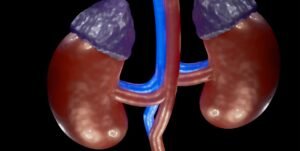
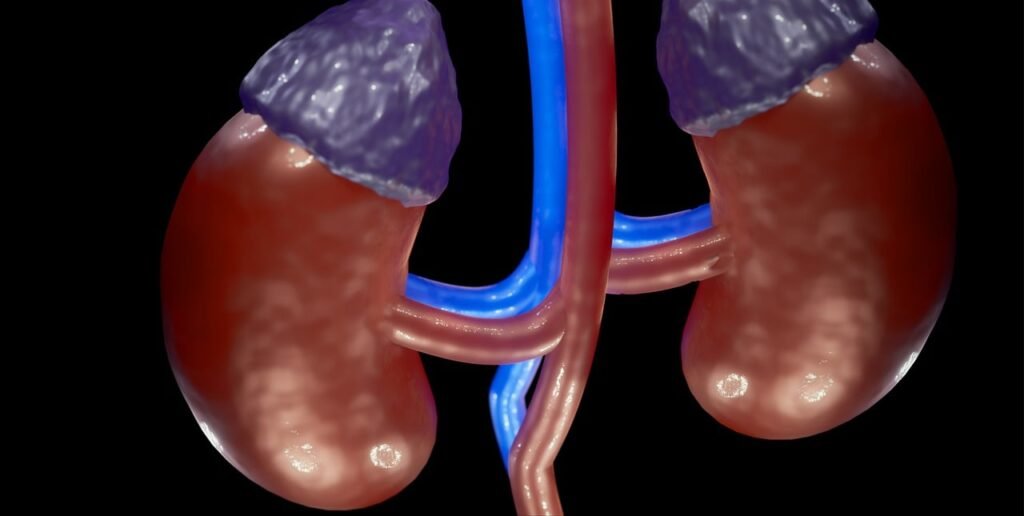
Aldosterone is a hormone made by the adrenal glands, which sit on top of the kidneys. Its main job is to help the body keep blood pressure and electrolyte levels in a workable range. When aldosterone rises, the kidneys tend to retain more sodium and water and release more potassium into the urine. More retained salt and water can increase blood volume and raise blood pressure. The National Library of Medicine’s MedlinePlus aldosterone test guide describes this relationship between aldosterone, sodium, potassium, and blood pressure.
Aldosterone is part of the renin-angiotensin-aldosterone system, often shortened to RAAS. When blood pressure, blood flow to the kidneys, or sodium balance changes, the kidneys can release renin. Renin helps trigger a chain of signals that can increase aldosterone. Because these hormones work together, clinicians often order aldosterone with renin rather than as a standalone number.
This is one reason the aldosterone blood test can be more complicated than many routine lab tests. A cholesterol value or a basic electrolyte value is often interpreted against a fairly standard reference interval. Aldosterone, by contrast, can change with posture, time of day, salt intake, potassium level, medications, and the reason the test was ordered.
What does an aldosterone blood test measure?
An aldosterone blood test measures the concentration of aldosterone in a blood sample, usually reported in ng/dL or pmol/L depending on the laboratory. Some laboratories measure aldosterone by liquid chromatography-tandem mass spectrometry, known as LC-MS/MS, while others use immunoassay methods. The method can affect reference ranges and decision thresholds, so the reference interval printed on your own report matters.
The blood sample is typically drawn from a vein in the arm. Mayo Clinic Laboratories’ plasma aldosterone test catalog lists aldosterone testing as useful for investigating primary aldosteronism and secondary aldosteronism and notes that collection timing may be standardized, such as an early-morning draw after the person has been active for about two hours.
Aldosterone can also be measured in a 24-hour urine collection. A urine aldosterone test may be used in specific confirmatory workups, especially when clinicians want to assess aldosterone production over a full day and in relation to sodium intake. A blood test is more common for initial screening, especially when combined with renin.
Why might a clinician order an aldosterone blood test?
An aldosterone blood test is usually ordered to answer a specific clinical question: is the body making too much aldosterone, too little aldosterone, or an amount that is inappropriate for the renin level and the clinical situation?
Common reasons include:
- High blood pressure that is difficult to control. This includes blood pressure that remains high despite multiple medications or develops unusually early.
- High blood pressure plus low potassium. Excess aldosterone can cause potassium loss through the kidneys, although primary aldosteronism can occur even when potassium is normal.
- Possible primary aldosteronism. Primary aldosteronism means aldosterone production is coming from the adrenal glands in a way that is partly independent of the usual renin signal. It may be due to overactivity in one adrenal gland or both adrenal glands.
- Possible secondary aldosteronism. In secondary aldosteronism, aldosterone is high because another condition is stimulating the RAAS pathway, such as reduced kidney blood flow, heart failure, cirrhosis, dehydration, or pregnancy-related conditions.
- Abnormal sodium or potassium results. Aldosterone may be part of a broader evaluation for electrolyte imbalance.
- Low blood pressure on standing. Orthostatic hypotension can have many causes, and aldosterone may be one piece of the adrenal and volume-balance evaluation.
- An adrenal nodule found incidentally. If imaging shows an adrenal mass, clinicians may test for hormone overproduction.
- Possible adrenal insufficiency or hypoaldosteronism. Low aldosterone may be evaluated with other adrenal hormones, such as cortisol and ACTH, depending on the clinical picture.
The MedlinePlus Medical Encyclopedia notes that aldosterone blood testing is often combined with renin and may be ordered for electrolyte disorders, hard-to-control blood pressure, orthostatic low blood pressure, or an adrenal nodule discovered on CT or MRI.
Aldosterone, renin, and the ARR: why one number is not enough
For high blood pressure evaluation, the key question is often not simply, “Is aldosterone high?” It is, “Is aldosterone too high for how low renin is?” In many people with primary aldosteronism, renin is suppressed because the body senses that blood pressure or blood volume is already high. If aldosterone remains inappropriately elevated while renin is low, that pattern can suggest autonomous aldosterone production.
The aldosterone-to-renin ratio, or ARR, compares the two values. The Endocrine Society’s clinical practice guideline on primary aldosteronism recommends screening with serum or plasma aldosterone plus plasma renin, with potassium measured alongside them to help interpretation. The guideline also emphasizes morning seated collection and avoiding dietary sodium restriction in the few days before screening unless a clinician gives a different plan.
ARR interpretation depends on the assay, the units, the laboratory’s cut points, and the patient’s medications and potassium status. For that reason, a “borderline” ARR is common. Clinicians may repeat testing under more standardized conditions, correct low potassium, adjust medications if safe, or proceed to confirmatory testing depending on the level of suspicion.
How to prepare for an aldosterone blood test
Preparation should be individualized because many people having this test also have high blood pressure, heart disease, kidney disease, or electrolyte problems. The most important safety rule is simple: do not stop or change prescription medication on your own. Some medications can affect aldosterone or renin, but stopping them without supervision can be dangerous.
Ask these questions before the blood draw
- Should I eat my usual amount of salt, limit salt, or follow a specific sodium plan?
- Should potassium be checked or corrected before the test?
- Should the sample be drawn in the morning?
- Do I need to be seated, standing, walking, or lying down before collection?
- Should any medications be held, substituted, or documented as “continued” for interpretation?
- Will renin be measured at the same time?
- Is this a screening test, a repeat test, or a confirmatory test?
| Factor | Why it matters | Practical takeaway |
|---|---|---|
| Posture | Aldosterone can differ when you are lying down, seated, or upright. | Follow the lab order carefully. Some protocols specify morning seated collection after being awake and active. |
| Time of day | Aldosterone and renin can vary across the day. | Many protocols prefer morning collection, but your clinician’s instructions take priority. |
| Salt intake | Low or high sodium intake can shift aldosterone and renin. | Do not start a low-salt or high-salt plan unless told to. For PA screening, the Endocrine Society advises avoiding dietary sodium restriction in the few days before screening. |
| Potassium level | Low potassium may make aldosterone appear lower than expected. | Potassium is often checked with aldosterone and renin; low potassium may need correction before repeating the test. |
| Medications | Diuretics, mineralocorticoid receptor antagonists, beta blockers, ACE inhibitors, ARBs, NSAIDs, and other drugs can affect results. | Give your clinician a complete medication and supplement list. Never stop medication without specific medical direction. |
| Licorice | Natural black licorice can affect mineralocorticoid-like pathways and alter interpretation. | MedlinePlus advises avoiding natural black licorice for at least two weeks before testing if instructed. |
| Stress and strenuous exercise | Physiologic stress can affect hormone levels. | Avoid unusually strenuous exercise right before the test unless your clinician says otherwise. |
Different laboratories may have different collection notes. For example, Labcorp’s aldosterone-renin ratio test information describes mid-morning collection after the patient has been up for at least two hours and seated for 5 to 15 minutes. Mayo Clinic Laboratories describes an early-morning target collection after activity for about two hours for its plasma aldosterone assay. These details are not interchangeable instructions for every patient; they illustrate why the ordering clinician and collecting lab need to coordinate the protocol.
How to understand aldosterone blood test results
Your result report will usually show your aldosterone value, units, and the laboratory’s reference interval. If renin was ordered, you may also see plasma renin activity, direct renin concentration, or a calculated ARR. Do not compare your number with a random reference range online; aldosterone ranges vary by age, posture, time of draw, specimen type, and laboratory method.
High aldosterone: possible meanings
A high aldosterone result can occur for several reasons. The interpretation depends heavily on renin:
- High aldosterone with low renin can suggest primary aldosteronism, especially in a person with hypertension. This is the classic pattern clinicians look for when screening for PA.
- High aldosterone with high renin can suggest secondary aldosteronism, where the adrenal glands are responding to stimulation from the kidney-circulation system. Possible contributors include kidney artery narrowing, diuretic effect, salt depletion, dehydration, heart failure, cirrhosis, and some pregnancy-related conditions.
- High aldosterone with low potassium raises suspicion for aldosterone excess, but normal potassium does not rule it out.
MedlinePlus lists primary aldosteronism, secondary aldosteronism, kidney disease, cirrhosis, heart failure, preeclampsia, and dehydration among possible explanations for higher-than-normal aldosterone. These are possibilities, not conclusions from the aldosterone value alone.
Low aldosterone: possible meanings
Low aldosterone may be considered when a person has low blood pressure, dizziness on standing, high potassium, low sodium, unexplained salt craving, dehydration, or suspected adrenal insufficiency. Possible explanations can include adrenal insufficiency, hypoaldosteronism, certain kidney-related hormone signaling problems, and medication effects. In many cases, clinicians evaluate low aldosterone alongside cortisol, ACTH, renin, electrolytes, kidney function, and clinical symptoms.
Normal aldosterone does not always rule out disease
A normal aldosterone result may be reassuring in the right context, but it does not always close the case. If the sample was drawn under nonstandard conditions, if potassium was low, if salt intake was unusual, or if medications affected renin or aldosterone, the result may need to be repeated. In primary aldosteronism screening, an aldosterone value that appears “normal” may still be inappropriate if renin is strongly suppressed.
Why potassium is checked with aldosterone
Potassium is more than a side result. Low potassium can suppress aldosterone and create a misleadingly low aldosterone value. That is why the Endocrine Society guideline notes that potassium should be measured alongside renin and aldosterone to aid interpretation, and that screening may need to be repeated after low potassium is corrected.
What follow-up tests may come next?
Follow-up depends on the reason for testing and the pattern of results. Common next steps may include:
- Repeat aldosterone and renin testing under more standardized conditions.
- Basic metabolic panel or comprehensive metabolic panel to check potassium, sodium, kidney function, and related chemistry results.
- Confirmatory aldosterone-suppression testing when screening suggests possible primary aldosteronism and confirmation will change management.
- 24-hour urine aldosterone and sodium in selected workups.
- Adrenal imaging if biochemical testing supports an adrenal source or if an adrenal nodule is already known.
- Adrenal vein sampling in specialized settings to determine whether aldosterone excess is coming from one adrenal gland or both, particularly if surgery is being considered.
The Endocrine Society guideline notes that people with a positive primary aldosteronism screen may need individualized decisions about suppression testing, medical therapy, surgery evaluation, and lateralization testing. In some situations with overt biochemical evidence, confirmatory suppression testing may be unnecessary or less helpful, but that decision belongs with a clinician experienced in the condition.
How much does an aldosterone blood test cost?
The cost of an aldosterone blood test depends on the ordering route, insurance status, location, laboratory, whether renin is included, whether a clinician visit is needed, and whether any draw, processing, or physician-service fees are mandatory. If your clinician orders the test through insurance, your out-of-pocket cost may be a copay, coinsurance, deductible amount, or $0 depending on your plan and medical necessity rules.
For self-pay testing, compare the effective total cost, not just the headline test price. Effective cost includes the lab test, required clinician or physician-order fee, blood draw or collection fee, processing fee, and any charge for result review. Also check whether the test is truly a standalone aldosterone test or a primary aldosteronism screen that begins with renin and only reflexes to aldosterone if renin is out of range.
As a current example of why details matter, Quest Health lists a consumer-initiated “Primary Aldosteronism Test” at $89 plus a $6 physician service fee, for a published effective cost to the patient of $95. The same page explains that this test measures plasma renin activity first and reflexes to aldosterone only if renin is out of range, so it is not identical to ordering a standalone aldosterone level in every case. It also states that results are typically available within 5 to 7 business days and that consumer-purchased tests are intended for direct payment rather than insurance billing. See the Quest Health product page for those current ordering details.
Medicare payment policy is a separate issue from consumer cash price. The Centers for Medicare & Medicaid Services maintains the Clinical Laboratory Fee Schedule for many covered clinical diagnostic laboratory tests, but a listed payment amount does not necessarily mean a particular person’s test will be covered or that a commercial cash-pay price should match Medicare’s rate.
Practical next steps after you get results
If your aldosterone result is abnormal, borderline, or inconsistent with your symptoms, focus on context before jumping to conclusions. Bring the following information to your clinician or endocrinology visit:
- The full lab report, including aldosterone, renin, ARR, potassium, sodium, creatinine, and reference intervals.
- The time of blood draw and whether you were seated, standing, walking, or lying down beforehand.
- Your usual salt intake and any special diet in the two weeks before testing.
- A complete medication and supplement list, including blood pressure medications, diuretics, NSAIDs, hormone therapy, herbal products, and licorice-containing products.
- Home blood pressure readings if you track them.
- Any history of low potassium, adrenal nodules, kidney disease, sleep apnea, heart failure, pregnancy, or family history of early hypertension or primary aldosteronism.
Seek urgent medical care if you have severe weakness, fainting, chest pain, shortness of breath, confusion, severe dehydration, severe headache with very high blood pressure, or symptoms of a dangerous heart rhythm. For nonurgent abnormal results, the best next step is usually a planned review with the ordering clinician, not an isolated interpretation of the aldosterone number.
Bottom line
An aldosterone blood test is most useful when it is collected under the right conditions and interpreted with renin, potassium, medications, posture, and the clinical reason for testing. High aldosterone can point toward primary or secondary aldosteronism; low aldosterone can point toward adrenal or kidney-hormone regulation problems. Because the test is sensitive to preparation and context, abnormal or borderline results often lead to repeat or confirmatory testing rather than an immediate diagnosis.
FAQs about the aldosterone blood test
Is fasting required for an aldosterone blood test?
Fasting is not always required, but you should follow the instructions on your lab order. For aldosterone and renin testing, posture, time of day, salt intake, potassium level, and medications are usually more important than fasting status. If other tests are being drawn at the same time, those tests may have fasting requirements.
Can I take my blood pressure medicine before the test?
Do not stop blood pressure medicine unless your clinician specifically tells you to. Many blood pressure medications affect aldosterone or renin, but stopping them can be unsafe. Clinicians may either interpret results while documenting your medications or create a supervised medication-adjustment plan when the benefit outweighs the risk.
What is the difference between aldosterone and renin?
Renin is produced by the kidneys and helps trigger a hormone pathway that can increase aldosterone. Aldosterone is produced by the adrenal glands and acts mainly on the kidneys to retain sodium and water and release potassium. Comparing the two helps clinicians decide whether aldosterone is appropriately responding to the body’s signals.
What is a high aldosterone-to-renin ratio?
A high ARR means aldosterone is relatively high compared with renin. In a person with high blood pressure, especially if renin is low or suppressed, this pattern can suggest primary aldosteronism. The cutoff depends on whether renin is reported as plasma renin activity or direct renin concentration, which units are used, and which aldosterone assay the laboratory uses.
Can primary aldosteronism happen with normal potassium?
Yes. Low potassium is a classic clue, but many people with primary aldosteronism have normal potassium, especially earlier in the course of disease or while taking medications that affect potassium. Normal potassium does not rule out aldosterone-related hypertension.
Why was I told to avoid licorice?
Natural black licorice can affect hormone pathways involved in salt and water balance and may interfere with interpretation. MedlinePlus advises avoiding natural black licorice for at least two weeks before an aldosterone test when instructed. Many U.S. candies use anise flavor rather than true licorice root, so check ingredient labels if this applies to you.
How long do aldosterone blood test results take?
Turnaround time varies by laboratory and whether the sample is sent to a reference lab. Some laboratory catalogs list results in a few business days; consumer-initiated or reflex testing may take longer because of processing and clinical review steps. Ask the ordering office or lab for the expected turnaround time for your specific test.
Is a urine aldosterone test better than a blood test?
Neither test is universally “better.” Blood aldosterone with renin is commonly used for screening. A 24-hour urine aldosterone test may be used in certain confirmatory evaluations and is often interpreted with urine sodium. The right test depends on the clinical question.
Can dehydration affect aldosterone?
Yes. Dehydration or reduced effective blood volume can stimulate renin and aldosterone. That is one reason aldosterone results must be interpreted with the clinical situation, kidney function, electrolytes, and renin.
Should I order an aldosterone blood test on my own?
Self-pay testing may be available in some states, but aldosterone is not a simple wellness screening test. If you are being evaluated for hypertension, low potassium, adrenal disease, kidney disease, or faintness on standing, clinician-guided testing is usually more useful because collection conditions, medication handling, and follow-up decisions matter.