
Hereditary Cancer Panels: What to Know Before Ordering
Considering hereditary cancer genetic testing? Learn who may benefit, how panels differ, what positive, negative, and VUS results mean, and what costs to ask about before ordering.
Considering hereditary cancer genetic testing? Learn who may benefit, how panels differ, what positive, negative, and VUS results mean, and what costs to ask about before ordering.

Athletes often use blood testing to investigate fatigue, iron deficiency, nutrition concerns, recovery problems, and general health. Learn which tests are commonly used and how to interpret them safely.

Heavy metal blood tests can check lead, mercury, cadmium, arsenic, and other metals—but the right sample depends on the exposure. Learn what blood tests are commonly used and how results are interpreted.
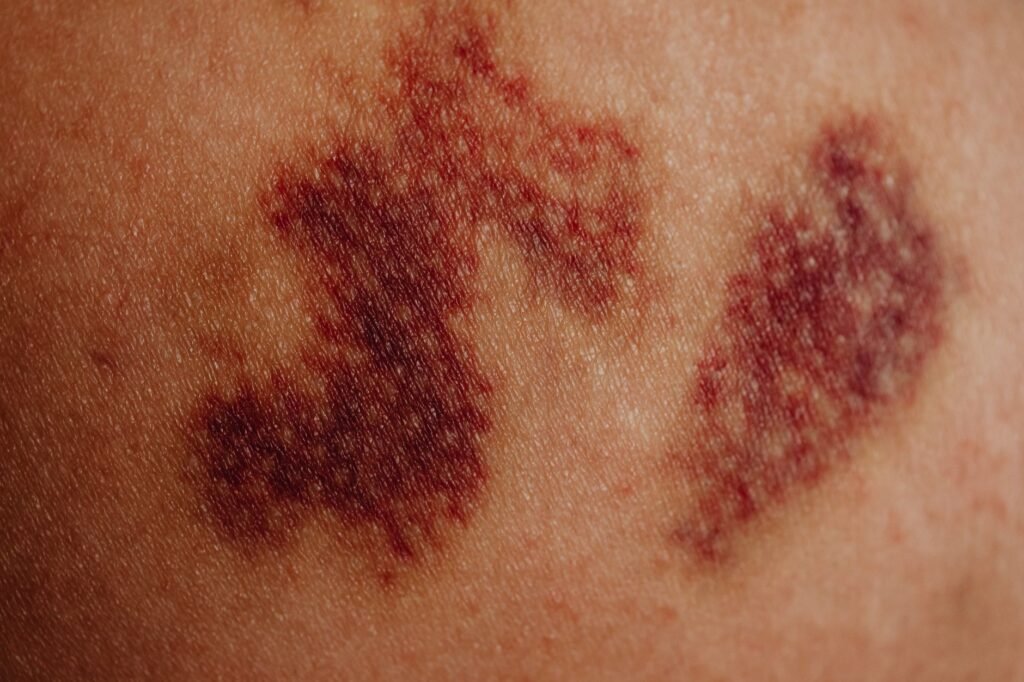
Easy bruising is often harmless, but frequent or unexplained bruises may lead clinicians to check CBC, platelet count, PT/INR, aPTT, von Willebrand tests, liver tests, and other labs.
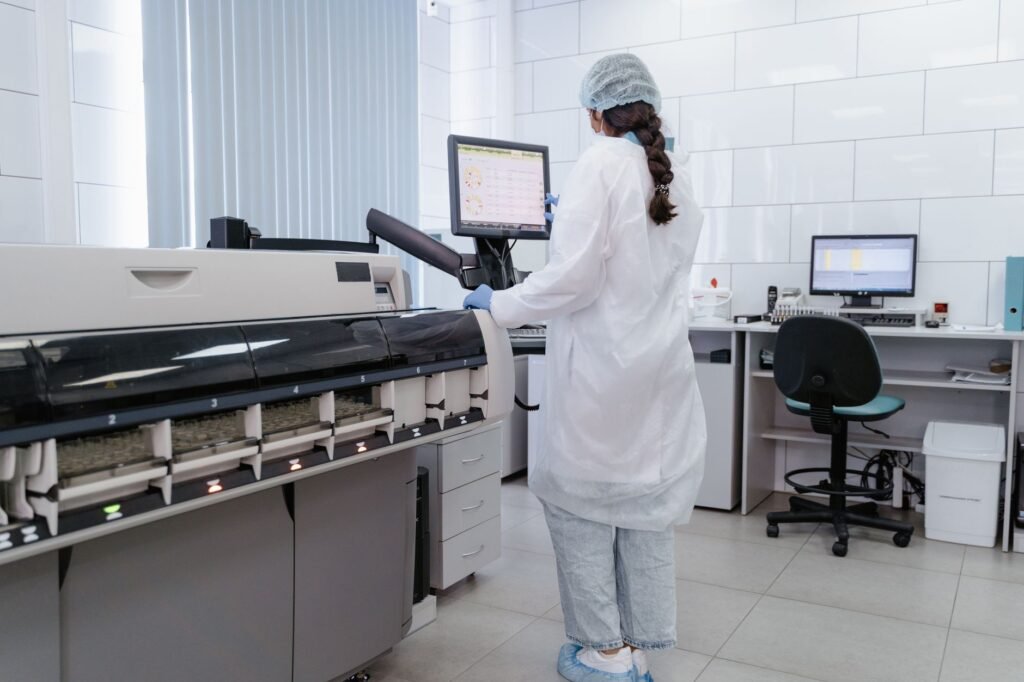
Autoimmune blood testing is not one-size-fits-all. Learn how ANA, ESR, CRP, RF, anti-CCP, thyroid antibodies, celiac antibodies, ENA, dsDNA, complement, ANCA, and other labs are used and interpreted.
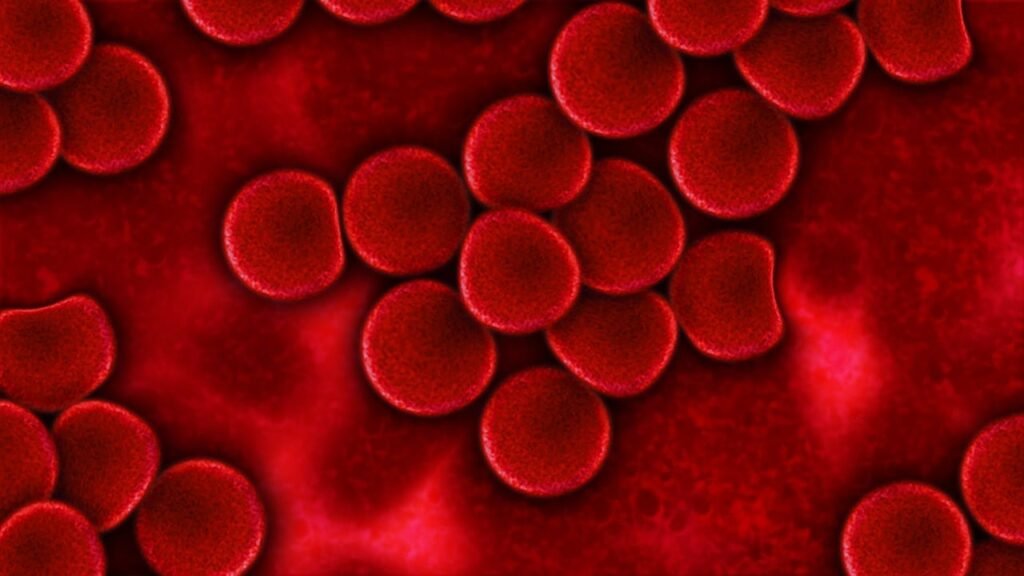
The most common blood tests for anemia include CBC, reticulocyte count, blood smear, ferritin, iron studies, B12, folate, and targeted tests for hemolysis, kidney disease, inflammation, and inherited conditions.

Infertility blood tests can evaluate ovulation, ovarian reserve, thyroid function, prolactin, androgen excess, and male hormone factors—but they are only one part of a complete fertility workup.

Unexplained weight loss can have many causes. Learn which blood tests are commonly used, what results may suggest, how to prepare, and when to follow up.

Blood tests for hair loss can identify treatable contributors such as anemia, low iron stores, thyroid disease, vitamin deficiencies, and hormone imbalance—but they do not replace a scalp exam.