Medical & affiliate disclosure: CTX Stat provides educational laboratory information and is not a substitute for professional medical advice, diagnosis, or treatment. CTX Stat may receive compensation from some outbound provider links when an affiliate program is active; provider comparisons and rankings are based on consumer fit, effective cost, access, policies, and reputation—not commission.
Quick take
A PT/INR blood test checks how quickly your blood forms a clot. “PT” stands for prothrombin time, reported in seconds. “INR” stands for international normalized ratio, a standardized calculation that makes PT results easier to compare across laboratories. The test is best known for monitoring warfarin, but it may also be ordered to evaluate unexplained bleeding, easy bruising, certain liver problems, vitamin K-related clotting issues, or clotting status before a procedure.
For people not taking warfarin, INR is usually close to 1.0, though each lab sets its own reference range. For many people taking warfarin, a common target range is around 2.0 to 3.0, but some conditions require a different goal. A result above or below your target range should be interpreted with the clinician managing your medication or workup, not used to change treatment on your own.
What the PT/INR blood test measures
The PT/INR blood test measures the time it takes for a blood sample to clot after the laboratory adds reagents that activate part of the clotting system. Mayo Clinic describes the prothrombin time test as a test that checks how quickly blood is clotting, and notes that prothrombin is a liver-produced protein involved in normal clot formation (Mayo Clinic).
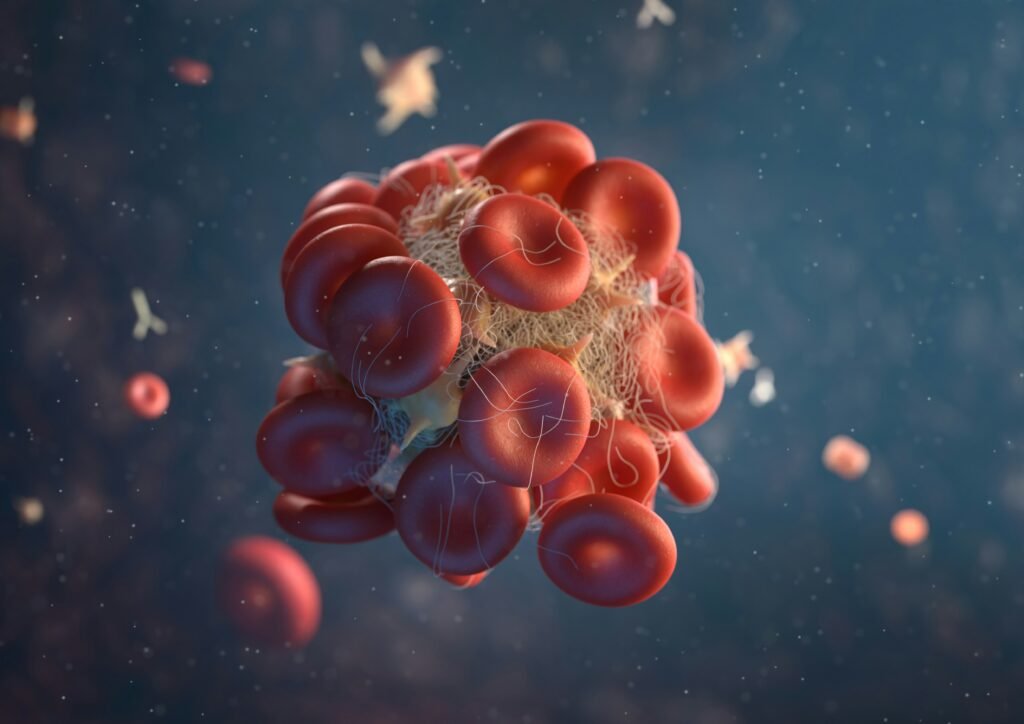
Clotting is a carefully controlled chain reaction. When a blood vessel is injured, platelets and clotting factors work together to form a plug and stabilize it with fibrin. PT is especially sensitive to problems in the extrinsic and common clotting pathways, including clotting factors I, II, V, VII, and X. Several of these factors depend on vitamin K and are made in the liver, which is why PT/INR can be affected by warfarin, vitamin K intake or deficiency, liver disease, and some clotting factor problems.
The PT value is reported in seconds. Because different laboratories may use different reagents and instruments, the same blood sample can produce slightly different PT times in different settings. The INR was developed to standardize PT reporting, particularly for people taking warfarin. In practical terms, the INR is the number most clinicians use to judge whether warfarin’s anticoagulant effect is below, within, or above the person’s target range.
| Term | What it means | How it is used |
|---|---|---|
| PT | Prothrombin time, measured in seconds | Shows how long the sample takes to clot under test conditions |
| INR | International normalized ratio | Standardizes PT results, especially for warfarin monitoring |
| aPTT or PTT | Activated partial thromboplastin time | Measures a different clotting pathway; often ordered with PT/INR for broader bleeding or clotting evaluation |
Why a PT/INR test is ordered
The most common reason for a PT/INR test is warfarin monitoring. Warfarin is an anticoagulant medication used to reduce the risk of harmful blood clots in conditions such as atrial fibrillation, venous thromboembolism, and certain mechanical heart valves. MedlinePlus notes that clinicians order PT/INR testing regularly to check the body’s response to warfarin (MedlinePlus warfarin drug information).
PT/INR may also be ordered when a clinician wants to investigate signs of a bleeding or clotting problem. Examples include unusual bruising, frequent or heavy nosebleeds, prolonged bleeding after a cut, heavy menstrual bleeding, blood in urine or stool, or unexpected bleeding after a procedure. The test may be part of a broader workup that includes a complete blood count, platelet count, aPTT, fibrinogen, liver tests, D-dimer, or specific clotting factor tests, depending on the situation.
Another common use is pre-procedure assessment. If there is concern about bleeding risk before surgery, biopsy, dental procedure, or an invasive radiology procedure, PT/INR can help identify whether blood is clotting within an expected range. It is not a universal requirement before every procedure, but it is frequently used when a person is on anticoagulants, has liver disease, has a history of abnormal bleeding, or has other risk factors.
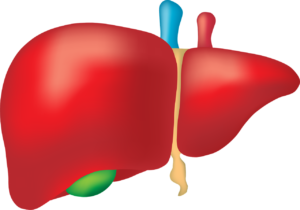
PT/INR can also provide information about liver synthetic function. The liver makes many clotting factors, and PT can become prolonged when the liver is not producing them adequately. That does not mean PT/INR alone diagnoses liver disease; it is interpreted with symptoms, history, liver enzyme tests, bilirubin, albumin, platelet count, imaging, and other findings.
How to prepare for a PT/INR blood test
Most people do not need to fast before a PT/INR blood test. MedlinePlus states that people taking warfarin may be instructed to delay their daily dose until after testing, but that the ordering provider should give any specific instructions (MedlinePlus PT/INR test). Do not skip, double, stop, or change warfarin or any anticoagulant unless the clinician managing it tells you to.
Before the blood draw, tell your healthcare team about:
- Warfarin dose and timing, including missed or extra doses.
- Other blood-affecting medicines, such as aspirin, clopidogrel, heparin, some antibiotics, antifungals, anti-seizure medicines, amiodarone, and nonsteroidal anti-inflammatory drugs such as ibuprofen or naproxen.
- Supplements and herbal products, including products that may affect bleeding risk or warfarin response.
- Recent illness, fever, vomiting, diarrhea, poor appetite, or changes in alcohol use.
- Diet changes, especially major changes in vitamin K-rich foods such as kale, spinach, collard greens, broccoli, Brussels sprouts, and some nutrition shakes.
If you take warfarin, consistency matters more than avoiding all vitamin K. Sudden swings in vitamin K intake can shift INR, but many people on warfarin can eat vitamin K-containing foods as part of a stable diet. The important step is to keep your clinician informed about meaningful diet changes so dosing can be adjusted safely if needed.
The sample is usually collected from a vein in the arm. Coagulation testing often uses a light blue-top sodium citrate tube. Proper collection is important: Labcorp’s specimen instructions state that blue-top tubes must be filled sufficiently to maintain the correct blood-to-anticoagulant ratio (Labcorp test details). An underfilled or clotted tube may need to be recollected because it can affect accuracy.
How to read PT/INR results
PT/INR interpretation depends heavily on why the test was ordered. A result that is expected for someone taking warfarin may be abnormal for someone not taking anticoagulants. Always compare your result with the reference range and the goal range provided by your clinician.
| Situation | Typical interpretation approach | Important note |
|---|---|---|
| Not taking warfarin | INR is usually close to 1.0; PT is interpreted against the lab’s reference range | An abnormal result may suggest a clotting factor issue, liver-related problem, vitamin K issue, medication effect, or sample problem |
| Taking warfarin | INR is compared with the person’s prescribed target range | Many common indications use a range around 2.0–3.0, but not all do |
| Mechanical heart valve | INR target depends on valve type, valve location, and risk factors | Some mechanical valve situations require higher or specialized targets; follow cardiology/anticoagulation clinic instructions |
| Possible bleeding disorder or liver disease | PT/INR is interpreted with aPTT, CBC, liver panel, fibrinogen, and clinical history | PT/INR alone rarely provides the full answer |
Common reference and target ranges
For people not taking blood-thinning medicines, MedlinePlus lists a typical PT range of about 11 to 13.5 seconds and INR of about 0.8 to 1.1, while Mayo Clinic states that an INR of 1.1 or below is considered typical in people without relevant health conditions (MedlinePlus medical encyclopedia); (Mayo Clinic). Your own lab’s reference range may differ slightly.
For warfarin, Mayo Clinic notes that an INR range of 2.0 to 3.0 is generally an effective therapeutic range for certain conditions, including atrial fibrillation and a blood clot in the leg or lung, while some mechanical heart valve situations may require a somewhat higher range (Mayo Clinic). The American Heart Association/American College of Cardiology valve guideline also describes different INR goals for different mechanical valve scenarios (AHA/ACC valvular heart disease guideline).
If PT/INR is high
A high PT or INR means the sample is taking longer than expected to clot. If you take warfarin, a high INR can mean your anticoagulant effect is stronger than intended, which may increase bleeding risk. MedlinePlus explains that INR levels that are too high in warfarin users may mean the blood is taking longer than normal to form a clot (MedlinePlus PT/INR test).
Possible reasons for a high PT/INR include:
- Warfarin dose being too high for current needs
- Medication interactions, including some antibiotics and other prescription drugs
- Alcohol changes or acute illness
- Reduced vitamin K intake or vitamin K deficiency
- Liver disease or reduced clotting factor production
- Disseminated intravascular coagulation or other serious clotting disturbances
- Specimen issues, such as an improperly filled tube
Urgent symptoms matter more than the number alone. Seek immediate medical help for bleeding that will not stop, vomiting or coughing blood, black or bloody stools, red or dark brown urine, severe headache, sudden weakness, dizziness, fainting, a fall with head injury, or other concerning symptoms. MedlinePlus lists several bleeding warning signs for people taking warfarin and advises calling a doctor immediately for those symptoms (MedlinePlus warfarin drug information).
If PT/INR is low
A low INR means blood is clotting faster than the intended range for that situation. In a person taking warfarin, a low INR can mean the medication effect is not strong enough, which may increase the risk of a clot depending on the person’s condition. Causes can include missed doses, increased vitamin K intake, certain medications, or a warfarin dose that needs adjustment.
In someone not taking anticoagulants, a slightly low PT/INR is less commonly the central finding, but it should still be interpreted with the lab reference range and the clinical picture. If the test was ordered because of possible clotting symptoms, remember that PT/INR does not rule in or rule out an active clot.
Limitations and factors that affect PT/INR accuracy
PT/INR is useful, but it has important limits. First, it is not a test for diagnosing an active blood clot. A person can have a normal PT/INR and still have a deep vein thrombosis or pulmonary embolism. The CDC advises seeking medical care for symptoms of deep vein thrombosis or pulmonary embolism, including leg swelling or pain and symptoms such as chest pain or shortness of breath (CDC blood clot symptoms).
Second, PT/INR is not the same as a complete bleeding disorder evaluation. Platelet problems, von Willebrand disease, some factor deficiencies, medication effects, and blood vessel disorders may require other tests. If PT/INR is normal but symptoms persist, clinicians may order additional testing based on the pattern of bleeding or clotting.
Third, PT/INR is primarily a warfarin monitoring test. Direct oral anticoagulants, often called DOACs, include apixaban, rivaroxaban, edoxaban, and dabigatran. ARUP Consult notes that direct factor Xa inhibitors do not require routine laboratory monitoring and that drug-specific anti-Xa assays may be used in select situations (ARUP Consult direct Xa inhibitor levels). PT/INR may be affected by some of these drugs in certain circumstances, but it does not reliably measure their anticoagulant effect the way it does for warfarin.
Finally, results can be affected by sample handling. Coagulation specimens must be collected in the correct tube, filled to the proper level, mixed appropriately, and processed within required time limits. This is one reason a lab may request a redraw even when the blood draw itself seemed routine.
PT/INR test cost and ordering considerations
PT/INR cost varies by insurance status, ordering route, collection location, and whether the test is bundled with other labs. If a clinician orders the test for medical care, your out-of-pocket cost depends on your insurance plan, deductible, network rules, diagnosis coding, and lab benefits. If you pay directly through a consumer lab marketplace, compare the effective total cost, not just the advertised test price.
Public self-pay listings for PT/INR commonly show a base test price plus a required clinician or service fee. For example, Quest Health lists a Prothrombin Time with INR test at $42 plus a $6 physician service fee, and describes collection at Quest patient service centers with typical results in 1–2 business days (Quest Health PT/INR test). Walk-In Lab lists a Prothrombin Time w/INR Blood Test at $30 plus a $6 per-order physician fee, with results typically in 1–2 days (Walk-In Lab PT/INR test). Request A Test lists PT/INR options that may differ by lab network, including visible prices of $34 and $49 plus a $4 per-order service fee (Request A Test PT/INR test).
| Ordering route | What to compare | Practical considerations |
|---|---|---|
| Doctor-ordered testing through insurance | Copay, deductible, coinsurance, network lab rules | Best when results need to flow directly into your treatment plan or anticoagulation clinic |
| Cash-pay consumer lab order | Base price plus mandatory physician/service fees | Check state restrictions, age requirements, lab locations, and whether insurance reimbursement is excluded |
| Home INR monitoring for selected warfarin users | Device, strips, training, reporting, coverage rules | Usually intended for people on long-term warfarin who are trained and managed by a clinician |
If you are on warfarin, the cheapest one-time test is not always the best option. Ongoing INR management requires timely result review, dose adjustment when appropriate, and a clear plan for out-of-range results. If you are testing because of symptoms such as bleeding, chest pain, or sudden shortness of breath, direct-to-consumer testing is not a substitute for urgent medical evaluation.
What to do after you receive results
If your result is in your expected range and you are already being monitored, follow the schedule your clinician gave you for the next test. If your INR is outside your target range, contact the clinician or anticoagulation service that manages your medication. Many warfarin programs have specific protocols for when to call, when to repeat testing, and when dose changes are needed.
If you were tested for unexplained bleeding, bruising, or liver-related concerns, your next step depends on the full workup. A mildly abnormal PT/INR may be repeated to confirm it, especially if there is a possible collection issue or temporary illness. More significant abnormalities may prompt additional tests such as aPTT, fibrinogen, liver function panel, vitamin K assessment, mixing studies, or clotting factor assays.
FAQs about the PT/INR blood test
Is PT/INR a blood thinner level?
Not exactly. For warfarin, INR reflects the medication’s effect on the clotting system, not the amount of warfarin circulating in the blood. For other anticoagulants, especially DOACs, PT/INR does not reliably measure drug level or effectiveness.
Can I take warfarin before a PT/INR test?
Follow your prescriber’s instructions. Some people are told to test before taking that day’s dose; others follow a different schedule. MedlinePlus notes that some warfarin users may need to delay the daily dose until after testing, but this should come from the healthcare provider managing therapy.
What foods affect INR?
Foods high in vitamin K can affect INR in people taking warfarin. Examples include spinach, kale, collards, broccoli, Brussels sprouts, and some green nutrition drinks. The goal is usually a consistent pattern rather than avoiding these foods completely.
How fast do PT/INR results come back?
Turnaround varies. Hospital or clinic-based testing may be available within hours, point-of-care fingerstick testing can produce results in minutes, and outpatient lab testing commonly takes about 1–2 business days depending on the lab, processing schedule, and whether additional review is needed.
Does a normal PT/INR mean I do not have a clot?
No. PT/INR measures clotting time in the sample; it does not diagnose or exclude an active clot. Symptoms such as one-sided leg swelling, warmth, pain, chest pain, coughing blood, or sudden shortness of breath require prompt medical evaluation.
Why did the lab reject my PT/INR sample?
Coagulation tests are sensitive to collection conditions. A common reason is that the light blue-top tube was not filled adequately, which can disrupt the blood-to-anticoagulant ratio. Clotted specimens, wrong tube type, labeling problems, or delayed processing can also lead to rejection.
Can I use a home INR meter?
Home INR meters are used by some people on long-term warfarin after training and clinician approval. They are not a general screening tool for blood clots and are not used to manage most non-warfarin anticoagulants. If you are interested, ask your anticoagulation clinic or prescriber about eligibility, training, reporting, and coverage.
Source Notes
- Mayo Clinic: Prothrombin Time Test
- MedlinePlus: Warfarin Drug Information
- MedlinePlus: Prothrombin Time Test and INR
- MedlinePlus Medical Encyclopedia: Prothrombin Time
- AHA/ACC Guideline for the Management of Patients With Valvular Heart Disease
- CDC: About Venous Thromboembolism
- ARUP Consult: Direct Xa Inhibitor Levels