Medical & affiliate disclosure: CTX Stat provides educational laboratory information and is not a substitute for professional medical advice, diagnosis, or treatment. CTX Stat may receive compensation from some outbound provider links when an affiliate program is active; provider comparisons and rankings are based on consumer fit, effective cost, access, policies, and reputation—not commission.
Quick take
- A fasting insulin test measures insulin in your blood after a fast. Insulin helps move glucose from the bloodstream into cells for energy. MedlinePlus
- High fasting insulin with normal or slightly high glucose commonly suggests insulin resistance, meaning the pancreas is making extra insulin to keep glucose controlled. MedlinePlus
- High or normal insulin with low glucose can point to excess insulin as a cause of hypoglycemia and needs clinician interpretation, especially if symptoms are present. MedlinePlus
- Low insulin with high glucose may suggest that the pancreas is not producing enough insulin, which can be seen with type 1 diabetes or pancreatic disease, among other causes. MedlinePlus
- Fasting insulin is not usually used by itself to diagnose diabetes. Diabetes and prediabetes are typically evaluated with glucose-based tests and A1C. NIDDK
What fasting insulin measures
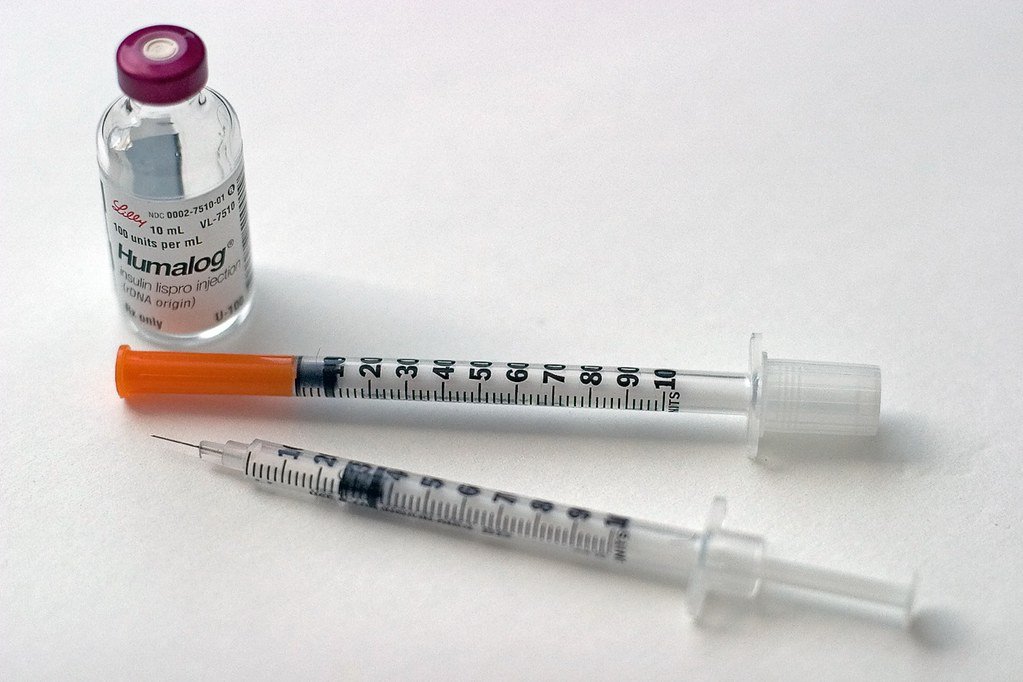
A fasting insulin blood test measures the amount of insulin circulating in your blood after you have not eaten for a set period, often overnight. Insulin is made by the pancreas and helps move glucose into muscle, fat, and liver cells. After you eat, glucose rises and the pancreas releases more insulin; when glucose returns toward baseline, insulin usually falls too. MedlinePlus
Most labs ask you to fast before this test because eating can raise insulin and make a “baseline” result harder to interpret. MedlinePlus says many people will probably need to fast for 8 to 12 hours and notes that biotin supplements can interfere with some insulin testing; Labcorp’s insulin test page also warns about high-dose biotin interference and lists fasting as patient preparation. MedlinePlus Labcorp
One important point: a “normal” fasting insulin range is not universal. For example, Labcorp lists a reference range of 2.6–24.9 μIU/mL for its insulin test, while a Quest Diagnostics notice lists insulin reference information using ≤18.4 uIU/mL for certain insulin reporting. This is why you should compare your number with the reference interval printed on your own report, not with a single internet cutoff. Labcorp Quest Diagnostics
What a high fasting insulin result can mean
High fasting insulin most often needs to be interpreted with fasting glucose. If insulin is high while glucose is normal or only mildly elevated, the common clinical interpretation is insulin resistance: the body needs more insulin than expected to keep glucose in range. The American Diabetes Association explains that with insulin resistance, more insulin is needed for muscle and fat cells to take up glucose and for the liver to store glucose appropriately. American Diabetes Association
Insulin resistance can be present before A1C or fasting glucose becomes abnormal. Over time, however, pancreatic beta cells may not keep up, and glucose can rise into prediabetes or diabetes ranges. NIDDK notes that clinicians use blood tests such as A1C, fasting plasma glucose, and oral glucose tolerance testing to diagnose prediabetes and diabetes. American Diabetes Association NIDDK
Common settings where high fasting insulin may be discussed include overweight or obesity, metabolic syndrome features, prediabetes risk, polycystic ovary syndrome (PCOS), acanthosis nigricans, and a family history of type 2 diabetes. CDC states that women with PCOS often have insulin resistance, and MedlinePlus lists PCOS and acanthosis nigricans among risk factors or clues that may lead to insulin testing. CDC MedlinePlus
A high or inappropriately normal insulin level can mean something different if glucose is low at the same time. In that situation, clinicians may evaluate for excess insulin as a cause of hypoglycemia, which can occur from taking too much insulin for diabetes, insulin-producing tumors, Cushing syndrome, or other causes. Severe hypoglycemia can cause fainting or seizures and needs urgent medical care. MedlinePlus
What a low fasting insulin result can mean
A low insulin result is not automatically a problem if glucose is also low-normal and you have no symptoms. But low insulin with high glucose is a more concerning pattern because it can suggest that the pancreas is not making enough insulin for the body’s needs. MedlinePlus lists type 1 diabetes and pancreatitis as possible causes of low insulin with high glucose, while also emphasizing that other causes are possible and clinical context matters. MedlinePlus
Low insulin can also be difficult to interpret in people using diabetes medications, people with known diabetes, and people whose sample was not collected under the intended conditions. If the result does not fit the symptoms or glucose value, clinicians may repeat testing or order related labs such as C-peptide, autoantibodies, or a supervised hypoglycemia evaluation.
Insulin and glucose patterns: a practical guide
| Result pattern | Common interpretation | What usually clarifies it |
|---|---|---|
| Normal insulin + normal fasting glucose | Often consistent with normal fasting regulation, depending on the lab range and symptoms. | A1C, risk factors, medication list, and whether the sample was truly fasting. |
| High insulin + normal or mildly high glucose | Often suggests insulin resistance or compensatory hyperinsulinemia. | A1C, fasting glucose, lipids, blood pressure, waist/weight history, PCOS history, and sometimes C-peptide. |
| High or normal insulin + low glucose | May suggest excess insulin as a contributor to hypoglycemia. | Repeat glucose confirmation, C-peptide, proinsulin, medication review, and clinician-supervised evaluation. |
| Low insulin + high glucose | May suggest insufficient insulin production. | A1C, repeat fasting glucose, C-peptide, diabetes autoantibodies, pancreatic history, and urgent assessment if symptoms are significant. |
These patterns are adapted from the way MedlinePlus and laboratory education sources describe insulin interpretation: insulin is most meaningful when viewed alongside blood glucose and the reason the test was ordered. MedlinePlus Testing.com
Fasting insulin is not the same as A1C or fasting glucose
Fasting insulin answers “how much insulin is circulating while fasting?” Fasting glucose answers “how much glucose is in the blood right now?” A1C estimates average blood glucose over about the past 3 months. NIDDK describes fasting plasma glucose, A1C, oral glucose tolerance, and random plasma glucose as tests used for diabetes and prediabetes evaluation. NIDDK
| Test | What it reflects | Typical role |
|---|---|---|
| Fasting insulin | Insulin level after fasting | Context for insulin resistance, hypoglycemia workups, or pancreatic insulin production questions. |
| Fasting plasma glucose | Glucose at one point in time after fasting | Screening and diagnosis of prediabetes or diabetes. |
| A1C | Average glucose exposure over about 3 months | Screening, diagnosis, and monitoring in many people; may be less reliable in some conditions. |
| C-peptide | A marker released with the body’s own insulin | Helps estimate endogenous insulin production, especially when insulin results alone are hard to interpret. |
NIDDK lists prediabetes ranges as A1C 5.7%–6.4%, fasting plasma glucose 100–125 mg/dL, or 2-hour oral glucose tolerance result 140–199 mg/dL. ADA criteria list diabetes thresholds including A1C ≥6.5%, fasting plasma glucose ≥126 mg/dL, 2-hour OGTT glucose ≥200 mg/dL, or random plasma glucose ≥200 mg/dL in a person with classic symptoms. NIDDK American Diabetes Association Standards of Care
What to ask about after an abnormal insulin result
If your insulin result is flagged high or low, the most useful next step is usually not to focus on the insulin number alone. Ask what your glucose was at the same blood draw, whether the sample was fasting, whether medications or supplements could have affected the result, and whether the result changes your diabetes or hypoglycemia risk assessment.
- If insulin is high: ask whether your A1C, fasting glucose, triglycerides, HDL cholesterol, blood pressure, waist/weight pattern, PCOS history, and family history support insulin resistance.
- If insulin is low: ask whether your glucose is high, whether C-peptide should be checked, and whether diabetes autoantibody testing is appropriate.
- If insulin is high with low glucose: ask whether the low glucose was confirmed and whether a supervised hypoglycemia workup is needed.
- If you take biotin: ask the ordering clinician or lab how long to stop it before retesting; different labs may give different instructions.
If you are ordering your own fasting insulin test
Some people order fasting insulin directly to discuss results with a clinician, especially when they are already tracking glucose, A1C, lipids, or PCOS-related metabolic risk. If you compare self-pay options, look at the total cost to the patient, whether the product is truly fasting insulin, whether the blood draw is in-person or at home, state access, turnaround time, and any provider-charged order or processing fee.
| Provider | Product fit | Ordering and collection | Listed price and provider fees |
|---|---|---|---|
| HealthLabs | Fasting insulin test | Order online; blood draw at participating labs; fasting required. | Lists the fasting insulin test at $29. HealthLabs |
| Walk-In Lab | Fasting insulin test | Order online; blood draw; page lists 8–12 hour fasting and biotin guidance. | Lists $34 plus a $6 per-order physician fee charged by Walk-In Lab. Walk-In Lab |
| Discounted Labs | Fasting insulin test | Order online; service page lists participating states and lab draw workflow. | Lists $42; Discounted Labs states a $10 lab processing fee is added to the total. Discounted Labs |
| Quest Health | Insulin resistance panel, not a standalone fasting insulin result | Blood test through Quest; fasting 8–12 hours recommended. | Lists $99 plus a $6 physician service fee for the panel. Quest Health |
| Labcorp OnDemand | LP-IR insulin resistance score; does not directly measure fasting insulin | Blood draw at Labcorp location; fasting 8 hours listed for this product. | Lists $89 for the LP-IR product. Labcorp OnDemand |
| Private MD Labs | Fasting insulin test | Order online; lab visit; 12-hour fast listed. | Lists $115 and states prescription and fees are included. Private MD Labs |
Because product names can sound similar, confirm whether you are buying a fasting insulin measurement, an insulin resistance score, a C-peptide panel, or a broader metabolic panel. For a side-by-side shopping workflow, use the tool and compare the final checkout total, not just the headline test price.
When to contact a clinician promptly
Prompt medical advice is important if your insulin result is paired with very high glucose, low glucose symptoms, fainting, confusion, seizure, unexplained weight loss, excessive thirst or urination, or symptoms that feel severe or rapidly worsening. MedlinePlus notes that severe hypoglycemia can affect brain function and needs medical treatment right away. MedlinePlus
FAQs
What is considered high fasting insulin?
There is no single universal cutoff. “High” depends on the lab method and the reference interval printed on your report. For example, Labcorp lists 2.6–24.9 μIU/mL for its insulin assay, while Quest-related materials may use a different reference point for certain insulin reporting. Always interpret the value with glucose and the lab’s own range. Labcorp Quest Diagnostics
Can fasting insulin diagnose insulin resistance?
It can support the picture, especially when insulin is high with normal or mildly high glucose, but it is not usually a stand-alone diagnosis. The ADA notes that doctors do not usually test for insulin resistance as part of standard diabetes care, and research measures of insulin resistance can be more specialized. American Diabetes Association
Is low fasting insulin bad?
Not always. Low insulin is most concerning when glucose is high, because that pattern can suggest inadequate insulin production. Low insulin with normal glucose may be less concerning, but symptoms, medications, fasting status, and repeat testing matter.
Should insulin be tested with glucose?
Yes, in most real-world interpretation. Insulin without glucose can be hard to read because the main question is whether the amount of insulin is appropriate for the blood glucose level at the time of collection.
How long should I fast before a fasting insulin test?
Many sources list 8 to 12 hours, but you should follow the instructions from the ordering clinician or the performing lab. Some providers list 12 hours for specific products, and Labcorp lists fasting as patient preparation for its insulin test. MedlinePlus Labcorp
Does Labcorp OnDemand’s insulin resistance test measure fasting insulin?
No. Labcorp OnDemand states that its insulin resistance product uses an LP-IR score and does not directly measure fasting insulin. That may be useful for some metabolic-risk questions, but it is not the same as ordering a fasting insulin concentration. Labcorp OnDemand
What can falsely affect fasting insulin?
Eating before the draw, incorrect fasting duration, some medications, insulin therapy, insulin antibodies, and high-dose biotin supplements can affect interpretation or assay performance. Do not stop prescribed medicines unless your clinician tells you to.
Source Notes
- MedlinePlus — Insulin In Blood
- niddk.nih.gov — Tests Diagnosis
- Quest Diagnostics: Insulin Reference Range Notice
- American Diabetes Association: Understanding Insulin Resistance
- CDC — Pcos Polycystic Ovary Syndrome
- Testing.com: Insulin Blood Test
- niddk.nih.gov — %20prediabetes Insulin Resistance
- American Diabetes Association Standards of Care