Medical & affiliate disclosure: CTX Stat provides educational laboratory information and is not a substitute for professional medical advice, diagnosis, or treatment. CTX Stat may receive compensation from some outbound provider links when an affiliate program is active; provider comparisons and rankings are based on consumer fit, effective cost, access, policies, and reputation—not commission.
Quick take: A TSH blood test measures thyroid-stimulating hormone, a signal from the pituitary gland that tells the thyroid how hard to work. It is commonly used as an initial thyroid function test, to help evaluate symptoms of possible hypothyroidism or hyperthyroidism, and to monitor people taking thyroid medication. TSH is powerful screening information, but it usually needs symptoms, medication history, pregnancy status, and sometimes free T4, T3, or antibody tests for full interpretation.
What is a TSH blood test?
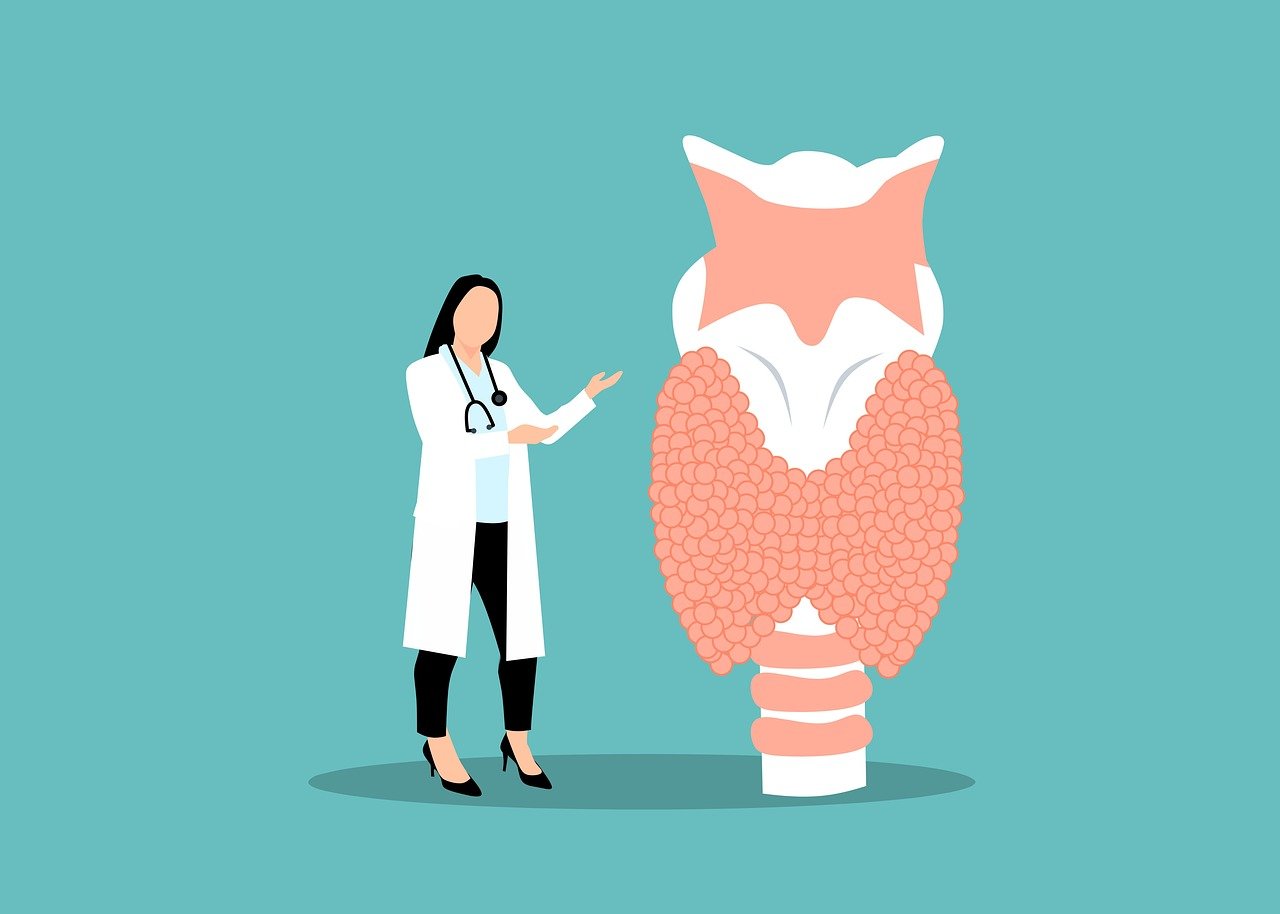
A TSH blood test measures the amount of thyroid-stimulating hormone in your blood. TSH is made by the pituitary gland, not the thyroid itself. When thyroid hormone levels are too low, the pituitary usually releases more TSH to tell the thyroid to make more hormone. When thyroid hormone levels are high, the pituitary usually releases less TSH. MedlinePlus describes this feedback loop as the reason TSH can help show whether the thyroid is making the right level of hormones. MedlinePlus
For many people, TSH is the first blood test ordered when a clinician wants to check thyroid function. The American Thyroid Association notes that measuring TSH in a blood sample is often the best initial way to test thyroid function because TSH can change before thyroid hormone levels become clearly high or low. American Thyroid Association
Why a TSH test is ordered
A clinician may order a TSH test when symptoms, risk factors, or medication monitoring make thyroid function worth checking. It may be used to help evaluate possible hypothyroidism, possible hyperthyroidism, thyroid medication dosing, thyroid changes during or after pregnancy, or follow-up after treatment for thyroid disease.
| Reason for testing | What TSH can help show | What may be checked next |
|---|---|---|
| Symptoms of underactive thyroid | TSH is often high in primary hypothyroidism because the pituitary is pushing the thyroid to work harder. | Free T4, thyroid peroxidase antibodies, medication review. |
| Symptoms of overactive thyroid | TSH is often low when thyroid hormone production is too high. | Free T4, T3, thyroid-stimulating immunoglobulin, imaging when clinically indicated. |
| Monitoring levothyroxine or other thyroid treatment | TSH helps show whether the current dose is likely too low, too high, or in range for the treatment goal. | Repeat TSH after dose changes, free T4 in selected situations. |
| Pregnancy or planning pregnancy | TSH is interpreted using pregnancy-specific context because normal physiology changes during pregnancy. | Free T4 and antibody testing when indicated. |
| Abnormal prior thyroid result | Repeat TSH can confirm whether the pattern persists. | Additional thyroid blood tests depending on the pattern. |
The National Institute of Diabetes and Digestive and Kidney Diseases explains that thyroid blood tests may include TSH, T4, T3, and thyroid antibody tests, and that antibody testing can help identify autoimmune thyroid disorders such as Graves disease or Hashimoto disease when other results suggest thyroid disease. NIDDK
How to prepare for a TSH blood test
For a standalone TSH blood test, fasting is usually not required. MedlinePlus states that there is no preparation needed for the test itself, while also advising patients to ask about medicines that may affect results and not to stop medicines unless a health care provider tells them to. MedlinePlus Medical Encyclopedia
Before the blood draw, tell the ordering clinician or lab about thyroid medications, amiodarone, lithium, glucocorticoids such as prednisone, iodine-containing medicines or supplements, dopamine, recent serious illness, pregnancy, and high-dose biotin. These factors do not always invalidate the test, but they can change how a result is interpreted.
- If you take levothyroxine: ask whether your clinician wants blood drawn before your daily dose or at a consistent time of day.
- If you take biotin: ask how long to hold it, especially if taking high-dose products.
- If other tests are ordered at the same time: fasting may be needed for those other tests even if TSH itself does not require fasting.
- If you are pregnant or recently postpartum: make sure that information is included with the order and discussed when reviewing results.
What do TSH results mean?
TSH results are usually reported in milli-international units per liter, often written as mIU/L or mU/L. Each lab provides its own reference interval, and the most relevant range is the one printed on your report. A commonly seen adult reference interval is roughly around 0.4 to 4.0 mIU/L, but exact cutoffs vary by lab, age, pregnancy status, medical history, and the reason for testing.
| TSH pattern | Common interpretation | Why it is not the whole answer |
|---|---|---|
| High TSH | Often suggests the thyroid is not making enough hormone, especially in primary hypothyroidism. | Free T4 helps separate overt hypothyroidism from subclinical patterns; medications and recent illness can affect results. |
| Low TSH | Often suggests too much thyroid hormone effect, which may happen with hyperthyroidism or too much thyroid medication. | Free T4 and T3 help show whether thyroid hormone levels are actually elevated. |
| Normal TSH | Often suggests thyroid signaling is in the expected range. | Some pituitary conditions, pregnancy-related questions, thyroid medication situations, and symptomatic cases may need more context. |
| Borderline result | May require repeat testing rather than immediate conclusions. | TSH can vary, and interpretation depends on symptoms, risk factors, medications, and prior results. |
The American Thyroid Association summarizes the usual pattern this way: a high TSH can indicate that the thyroid is not making enough thyroid hormone, while a low TSH usually indicates that the thyroid is producing too much thyroid hormone. It also emphasizes that free T4 can more accurately reflect thyroid function when checked with TSH. American Thyroid Association
High TSH
A high TSH most often raises concern for hypothyroidism, especially when free T4 is low. Symptoms that may prompt testing include fatigue, cold intolerance, constipation, dry skin, weight gain, heavy or irregular periods, slowed heart rate, or depressed mood. However, these symptoms are nonspecific and can have many causes.
If TSH is high but free T4 is still normal, clinicians may call the pattern subclinical hypothyroidism. Whether it needs treatment depends on the TSH level, symptoms, pregnancy plans, thyroid antibodies, age, heart history, and other factors.
Low TSH
A low TSH may suggest hyperthyroidism, over-replacement with thyroid hormone, thyroiditis, or another cause of excess thyroid hormone effect. Symptoms that may prompt testing include unexplained weight loss, heat intolerance, tremor, anxiety, frequent bowel movements, palpitations, irregular heartbeat, or trouble sleeping.
Low TSH needs context. A clinician often checks free T4 and sometimes T3 to see whether thyroid hormone levels are elevated. In some cases, antibody tests or thyroid imaging may be considered to identify the cause.
Pregnancy and TSH
TSH interpretation changes during pregnancy. The American Thyroid Association states that TSH and free T4 should remain in trimester-specific normal ranges during pregnancy, and its 2026 guideline recommends laboratory and trimester-specific reference intervals when available. If those intervals are unavailable, the guideline says a TSH reference interval of 0.1 to 4.0 mU/L can be used during the first and second trimesters. American Thyroid Association 2026 guideline
When TSH is not enough by itself
A TSH blood test can answer the first question: is thyroid signaling high, low, or within the lab range? It usually cannot answer every question about cause. MedlinePlus notes that an abnormal TSH result may lead to other thyroid blood tests, including T4, T3, and thyroid antibody testing. MedlinePlus
| Test | What it measures | Why it may be added |
|---|---|---|
| Free T4 | Unbound thyroxine, a major thyroid hormone | Helps determine whether high or low TSH reflects overt thyroid hormone deficiency or excess. |
| T3 or free T3 | Triiodothyronine, an active thyroid hormone | Often useful when hyperthyroidism is suspected and T3 is disproportionately elevated. |
| TPO antibodies | Antibodies against thyroid peroxidase | Can support evaluation for Hashimoto thyroiditis in the right clinical setting. |
| TSI or TRAb | Antibodies that can stimulate the TSH receptor | Can support evaluation for Graves disease when hyperthyroidism is suspected. |
| Thyroid ultrasound | Thyroid structure, nodules, enlargement | Used for structural questions, not as a routine replacement for thyroid blood testing. |
Cost and ordering options
Many people get TSH testing through a clinician, insurance plan, community clinic, or health system. Direct-to-consumer lab ordering is another option in many states, but it does not replace medical interpretation. When comparing prices, look at the effective total cost: posted test price plus any provider-charged order, physician, draw, processing, mobile collection, or shipping fee.
| Provider/order path | Collection network | Example posted price and provider fees | Ordering notes |
|---|---|---|---|
| Quest Health Thyroid TSH Function Test | Quest patient service centers; optional in-home collection where available | Quest Health lists a sale price of $44.10 with a $6.00 physician service fee on the TSH product page; the non-sale test price shown is $49.00. The effective sale checkout cost shown before optional services is $50.10. Quest Health | The page states that abnormal TSH triggers free T4 reflex testing at no additional cost and that in-home sample collection, where available, costs an additional $79. |
| Labcorp OnDemand TSH Test | In-person collection at a Labcorp location | Labcorp OnDemand lists the TSH test at $49. Labcorp OnDemand | The page lists blood sample collection in person, ages 18 to 100, and results in about 1 day from when the sample arrives at the lab. |
| Walk-In Lab TSH Blood Test | Local lab visit after online order | Walk-In Lab lists the TSH test at $35.00, plus a $6.00 per-order physician fee; it also shows a coupon price that may depend on promotion terms. Walk-In Lab | The page states no fasting is required, advises stopping biotin at least 72 hours before collection, and lists typical turnaround of 1 to 3 days. |
Prices and promotions can change at checkout, and state availability may vary. If you are paying cash, compare the final checkout total rather than the headline test price alone. For a broader side-by-side view, you can .
What to ask after you get your result
Useful questions include: Is my TSH outside this lab’s reference interval? Do my symptoms match the result? Should free T4, T3, or thyroid antibodies be checked? Could medications, supplements, pregnancy, recent illness, or timing of thyroid medication have affected the result? If I am already on thyroid medication, when should TSH be repeated after a dose change?
Seek prompt medical guidance if thyroid symptoms are severe, if you have chest pain, fainting, a very fast or irregular heartbeat, confusion, severe weakness, or pregnancy with a markedly abnormal thyroid result. A lab value should be interpreted with clinical context rather than treated as a diagnosis by itself.
FAQs about the TSH blood test
Is a TSH blood test the same as a thyroid panel?
No. A TSH test measures one hormone: thyroid-stimulating hormone. A thyroid panel may include TSH plus free T4, T3, thyroid antibodies, or other thyroid-related markers depending on the panel.
Do I need to fast for a TSH test?
Usually no. Fasting is not typically required for TSH alone. If your order includes other blood tests, follow the instructions for the full set of tests.
Can biotin affect TSH results?
Yes. Biotin can interfere with some thyroid lab assays. Tell your clinician about supplements, especially high-dose hair, skin, and nail products, and ask how long to stop biotin before testing.
What does high TSH mean?
High TSH often suggests that the thyroid is not producing enough hormone, especially if free T4 is low. It can also require repeat testing or additional labs before a clinician makes a diagnosis or treatment decision.
What does low TSH mean?
Low TSH often suggests too much thyroid hormone effect, which can occur with hyperthyroidism or with a thyroid medication dose that is too high. Free T4 and T3 help clarify the pattern.
How often should TSH be checked?
Frequency depends on why you are being tested. People with stable thyroid disease may be tested periodically, while those starting or changing medication, pregnant patients, or people with abnormal results may need closer follow-up directed by a clinician.
Can I order a TSH test myself?
In many locations, adults can order TSH testing through direct-to-consumer lab services. Availability, age limits, state rules, collection networks, and provider review vary. Results should still be discussed with a qualified clinician, especially if abnormal or if symptoms are present.
Source Notes
- MedlinePlus Medical Encyclopedia: TSH test
- MedlinePlus — Tsh Thyroid Stimulating Hormone Test
- American Thyroid Association: Thyroid Function Tests
- niddk.nih.gov — Thyroid
- American Thyroid Association: Biotin interference with thyroid testing
- American Thyroid Association 2026 Guidelines for Thyroid Disease in Preconception, Pregnancy, and Postpartum