
Medical & affiliate disclosure: CTX Stat provides educational laboratory information and is not a substitute for professional medical advice, diagnosis, or treatment. CTX Stat may receive compensation from some outbound provider links when an affiliate program is active; provider comparisons and rankings are based on consumer fit, effective cost, access, policies, and reputation—not commission.
Quick take: Free T3 is the unbound form of triiodothyronine, an active thyroid hormone. A high free T3 result can fit with hyperthyroidism, excess thyroid hormone medication, or a less common pattern called T3 thyrotoxicosis. A low free T3 result can occur with hypothyroidism, severe illness, starvation, thyroiditis, or medication effects, but free T3 is usually not the best test for diagnosing hypothyroidism. The most important point: a free T3 result should be read alongside TSH, free T4, symptoms, medications, pregnancy status, and the lab’s own reference range. MedlinePlus explains that providers usually compare T3 results with TSH and T4 results because different combinations point to different thyroid conditions.
What does free T3 measure?
T3, or triiodothyronine, is one of the main thyroid hormones. Your thyroid gland makes some T3 directly, but much of the body’s T3 is produced when T4 is converted into T3 in tissues. “Free” T3 means the portion that is not bound to transport proteins in the blood and is available to enter tissues. The American Thyroid Association notes that free T4 or free T3 represents unbound hormone, while total hormone tests include both bound and unbound hormone. American Thyroid Association
A free T3 test is usually ordered when a clinician is evaluating possible hyperthyroidism, monitoring some thyroid disorders, or clarifying a thyroid panel that does not fit the clinical picture. It is less often the deciding test for underactive thyroid. The National Institute of Diabetes and Digestive and Kidney Diseases (NIDDK) says T3 testing can help confirm hyperthyroidism when T4 is normal but T3 is high. NIDDK
What counts as a high or low free T3 result?
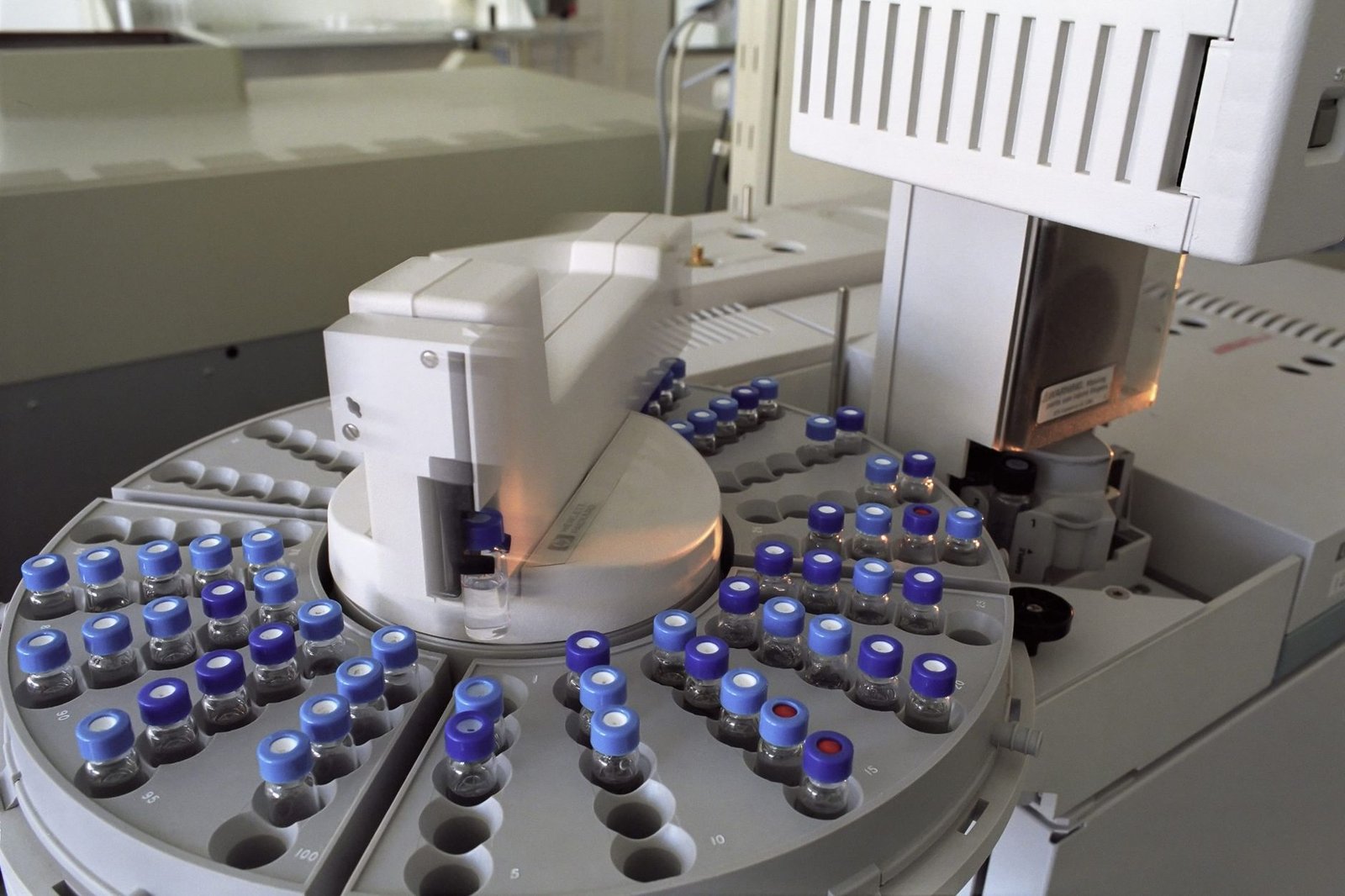
Your result is considered high or low only in relation to the reference interval printed on your own lab report. Reference ranges vary by lab method, instrument, specimen type, and units. MedlinePlus lists one example free T3 range as 210 to 440 pg/dL, or 3.2 to 6.8 pmol/L, but also emphasizes that normal value ranges vary among laboratories. MedlinePlus Medical Encyclopedia
| Result flag | What it generally means | Why the rest of the thyroid panel matters |
|---|---|---|
| High free T3 | Your free T3 is above your lab’s reference range. | High free T3 is more concerning for thyroid overactivity when TSH is low, especially if free T4 is also high or high-normal. |
| Low free T3 | Your free T3 is below your lab’s reference range. | Low free T3 alone does not automatically diagnose hypothyroidism; TSH and free T4 are usually more useful. |
| Normal free T3 | Your free T3 falls within the lab’s reference range. | Normal free T3 does not rule out thyroid disease if TSH or free T4 is abnormal. |
What does a high free T3 result mean?
A high free T3 result means the measured unbound T3 in your blood is above the lab’s reference range. In the right pattern, it may suggest too much thyroid hormone activity. MedlinePlus lists overactive thyroid, Graves disease, T3 thyrotoxicosis, toxic nodular goiter, thyroid medicines or certain supplements, and liver disease among possible reasons for higher-than-normal T3. MedlinePlus Medical Encyclopedia
High free T3 is most thyroid-specific when it appears with a low TSH. TSH is the pituitary signal that tells the thyroid how much hormone to make. When thyroid hormone levels are too high, TSH often drops. NIDDK explains that a low TSH usually means hyperthyroidism, while a high TSH most often points to hypothyroidism. NIDDK
Common possibilities with high free T3
- Graves disease: an autoimmune condition and a common cause of hyperthyroidism.
- Toxic nodular goiter or autonomous thyroid nodule: one or more thyroid nodules produce excess hormone.
- T3 thyrotoxicosis: T3 is high while free T4 may still be normal, often with low TSH.
- Too much thyroid hormone replacement: this can happen with prescribed T3-containing medication, desiccated thyroid, or dose changes.
- Pregnancy, estrogen, or oral contraceptives: these can affect thyroid hormone measurements, especially total hormone levels; free hormone tests and TSH are interpreted in context.
- Assay interference: supplements such as high-dose biotin can make some thyroid results look falsely hyperthyroid.
Symptoms that can fit with thyroid overactivity include a fast or irregular heartbeat, tremor, heat intolerance, sweating, anxiety, trouble sleeping, frequent bowel movements, and unintentional weight loss. Symptoms are not enough to diagnose the cause, but they help determine how urgent follow-up should be. American Thyroid Association
What does a low free T3 result mean?
A low free T3 result means the measured unbound T3 is below the lab’s reference range. It may occur with too little thyroid hormone activity, but it can also occur in non-thyroid situations. MedlinePlus lists severe short-term or some long-term illnesses, thyroiditis, starvation, and underactive thyroid gland as possible reasons for lower-than-normal T3. MedlinePlus Medical Encyclopedia
Free T3 is a tricky marker for hypothyroidism. The American Thyroid Association states that T3 testing is rarely helpful in hypothyroid patients because it is often the last thyroid test to become abnormal; people can have significant hypothyroidism with high TSH and low free T4 while T3 remains normal. The same ATA resource also notes that free T3 measurement is possible but often not reliable and therefore not typically helpful. American Thyroid Association
Common possibilities with low free T3
- Primary hypothyroidism: especially if TSH is high and free T4 is low.
- Central hypothyroidism: possible when TSH is low or inappropriately normal with low free T4; this involves the pituitary or hypothalamus and needs clinician evaluation.
- Non-thyroidal illness: serious illness, inflammation, hospitalization, undernutrition, or starvation can lower T3 without the thyroid being the primary problem.
- Thyroiditis: inflammation can cause a changing pattern, sometimes starting with high thyroid hormone levels and later shifting lower.
- Medication effects: some medications and supplements can affect thyroid hormone production, conversion, binding, or measurement.
Symptoms that may fit hypothyroidism include fatigue, weight gain, cold intolerance, dry skin or thinning hair, constipation, heavy or irregular menstrual periods, slowed heart rate, and depression. NIDDK cautions that symptoms such as fatigue and weight gain are common and do not necessarily mean someone has a thyroid disorder, which is why blood-test patterns matter. NIDDK

How to read free T3 with TSH and free T4
The most useful question is not simply “Is free T3 high or low?” It is “Does the full thyroid pattern make physiologic sense?” The table below summarizes common patterns. These are educational patterns, not diagnoses.
| TSH | Free T4 | Free T3 | Common interpretation to discuss |
|---|---|---|---|
| Low | High | High or high-normal | Pattern often fits overt hyperthyroidism or excess thyroid hormone exposure. |
| Low | Normal | High | Can fit T3-predominant hyperthyroidism or early hyperthyroidism; confirm and evaluate cause. |
| Low | Normal | Normal | Can fit subclinical hyperthyroidism, medication effect, illness, or early/treated thyroid disease. |
| High | Low | Low or normal | Often fits primary hypothyroidism; free T3 may be normal until later. |
| High | Normal | Normal or low-normal | Can fit subclinical hypothyroidism or recovery from illness; trend and context matter. |
| Low or normal | Low | Low or normal | Can suggest central hypothyroidism, non-thyroidal illness, or medication effect; needs clinician review. |
| Normal | Normal | High or low | Consider repeat testing, lab method issues, supplements, timing of thyroid medication, and non-thyroid causes. |
Reasons a free T3 result can be misleading
Thyroid blood tests are powerful, but they are not immune to misleading results. ARUP Consult notes that thyroid immunoassays, including TSH, T4, and T3 tests, can be affected by sources of interference such as antibodies, biotin supplements, and other substances; method-specific reference intervals are recommended because results vary by assay platform. ARUP Consult
1. Biotin supplements
High-dose biotin, commonly marketed for hair, skin, and nails, can interfere with some thyroid tests. The American Thyroid Association describes reports in which biotin use can cause falsely high T4 and T3 and falsely low TSH, creating a pattern that may look like hyperthyroidism. ATA recommends stopping biotin for at least 2 days before thyroid testing to reduce the risk of a misleading test, but patients should follow the instructions of their own clinician and lab. American Thyroid Association
2. Timing of thyroid medication
If you take a T3-containing medicine, such as liothyronine or desiccated thyroid, blood levels can rise after a dose. A free T3 result drawn soon after taking medication may not mean the same thing as a trough level drawn before the next dose. Do not change timing or dose on your own; ask the ordering clinician how they want the test timed.
3. Pregnancy, estrogen, and binding proteins
Pregnancy and estrogen-containing medications can change thyroid-binding proteins and affect some thyroid measurements. The ATA notes that binding protein changes can alter total T4 and total T3 measurements, and NIDDK notes that pregnancy and oral contraceptives can raise thyroid hormone levels. This is one reason clinicians often rely on TSH, free T4, pregnancy-specific reference ranges when available, and clinical context. American Thyroid Association NIDDK
4. Severe illness or undernutrition
Low T3 can happen during severe illness or starvation. In those settings, a low free T3 may reflect the body’s response to illness rather than primary thyroid failure. This is one reason isolated free T3 results should be interpreted cautiously.
5. Lab method differences
Different laboratories may use different assays, and free T3 immunoassays can be less dependable at the low end. Mayo Clinic Laboratories cautions that free T3 is not a sensitive test for hypothyroidism and that results should be interpreted carefully if they do not match the clinical presentation. Mayo Clinic Laboratories
What should you do after a high or low free T3 result?
If your free T3 is outside range, the next step is usually to review the full thyroid panel rather than reacting to the free T3 number alone. Bring the report, the lab’s reference range, your medication and supplement list, and the timing of your last thyroid dose if you take thyroid medicine.
| Situation | Reasonable follow-up to ask about |
|---|---|
| High free T3 with low TSH | Repeat or confirm thyroid panel; evaluate for Graves disease, thyroid nodules, thyroiditis, medication excess, and biotin interference. |
| Low free T3 with high TSH | Review free T4, thyroid peroxidase antibodies if autoimmune thyroid disease is suspected, symptoms, and whether treatment or repeat testing is appropriate. |
| Low free T3 during major illness or calorie restriction | Ask whether the result may reflect non-thyroidal illness or nutritional status rather than primary thyroid disease. |
| Free T3 does not match TSH, free T4, or symptoms | Discuss repeat testing, a different lab method, supplement interference, and timing of medications. |
| Self-ordered thyroid testing | Consider clinician review before starting, stopping, or changing thyroid medication. The ATA cautions that direct-access thyroid test interpretation can be ambiguous without clinical context. American Thyroid Association |
When to seek prompt care
Seek urgent medical care if thyroid symptoms are accompanied by a rapid or irregular heartbeat, dizziness, change in consciousness, fever, severe weakness, chest pain, or severe shortness of breath. MedlinePlus advises emergency care for hyperthyroidism symptoms with changes in consciousness, dizziness, or rapid irregular heartbeat. MedlinePlus Medical Encyclopedia
What if you are paying out of pocket?
If you are comparing self-pay thyroid testing options, compare the effective total cost, not just the advertised test price. A fair comparison includes the listed test price, any required clinician/order or processing fee charged by the testing provider, specimen collection or shipping charges, state availability, whether the test is free T3 alone or part of a panel, and how results are delivered. If cost is your main question, you can compare current options through .
FAQs about high and low free T3
Is high free T3 always hyperthyroidism?
No. High free T3 can fit hyperthyroidism, especially when TSH is low, but it can also reflect thyroid medication timing, excess thyroid hormone replacement, supplements, pregnancy-related changes, assay interference, or less common conditions. The full pattern matters.
Can you have hypothyroidism with normal free T3?
Yes. Free T3 can remain normal even when hypothyroidism is present. ATA notes that T3 is often the last thyroid test to become abnormal in hypothyroidism, so TSH and free T4 are usually more informative.
Why would free T3 be high but free T4 normal?
This pattern can occur in T3-predominant hyperthyroidism or early hyperthyroidism, especially if TSH is low. It can also occur from T3-containing medication or test interference. A clinician may repeat the panel and consider antibody testing or imaging depending on the situation.
Why would free T3 be low but TSH normal?
Low free T3 with normal TSH can occur during acute or chronic illness, undernutrition, medication effects, or lab-method issues. It is not usually enough by itself to diagnose hypothyroidism.
Should I take T3 supplements for a low free T3 result?
Do not start thyroid hormone or “thyroid support” supplements based only on a low free T3 result. Too much thyroid hormone can cause serious problems, including abnormal heart rhythm and bone loss. Review the full thyroid panel and symptoms with a qualified clinician.
Should free T3 be tested with every thyroid panel?
Not always. TSH and free T4 are often the core tests. T3 testing is most useful when hyperthyroidism is suspected or when T4 is normal but the clinician still suspects thyroid overactivity.
Can biotin affect free T3?
Yes. High-dose biotin can interfere with some thyroid assays and may create falsely high T3 or T4 and falsely low TSH results. Tell the ordering clinician and lab about biotin or hairail supplements before testing.
Source Notes
- MedlinePlus — Triiodothyronine T3 Tests
- American Thyroid Association: Thyroid Function Tests
- niddk.nih.gov — Thyroid
- MedlinePlus Medical Encyclopedia: T3 Test
- American Thyroid Association
- niddk.nih.gov — Hypothyroidism
- ARUP Consult: Analytical Considerations in the Evaluation of Thyroid Function
- American Thyroid Association
- American Thyroid Association
- MedlinePlus Medical Encyclopedia