
Medical & affiliate disclosure: CTX Stat provides educational laboratory information and is not a substitute for professional medical advice, diagnosis, or treatment. CTX Stat may receive compensation from some outbound provider links when an affiliate program is active; provider comparisons and rankings are based on consumer fit, effective cost, access, policies, and reputation—not commission.
A TPO antibodies blood test measures antibodies against thyroid peroxidase, an enzyme your thyroid uses to help make thyroid hormones. The test is most often used when a clinician is trying to determine whether thyroid dysfunction may have an autoimmune cause, especially Hashimoto thyroiditis. It is a blood test, not a thyroid hormone level, so it is usually interpreted with thyroid-stimulating hormone (TSH) and free thyroxine (free T4) rather than by itself.
Quick take
- What it measures: thyroid peroxidase antibodies, often abbreviated TPOAb, anti-TPO, or TPO antibodies.
- Why it is ordered: to look for autoimmune thyroid activity when TSH or thyroid hormone results, symptoms, pregnancy context, or history suggest thyroid disease.
- Sample type: blood drawn from a vein.
- Fasting: usually not required unless another test in the same order requires it.
- Biotin: high-dose biotin supplements can interfere with some lab immunoassays, so ask the ordering clinician or lab whether to stop biotin before testing.
- Key limitation: a positive TPO antibody result does not always mean you currently have hypothyroidism or need treatment.
What does a TPO antibodies blood test measure?
Thyroid peroxidase is an enzyme in thyroid cells that helps the thyroid make the hormones T4 and T3. When the immune system makes antibodies that target thyroid peroxidase, those antibodies can be measured in blood. MedlinePlus explains that thyroid antibody testing checks whether antibodies are attacking thyroid tissue and that different antibodies are associated with different thyroid autoimmune conditions, including TPOAb and thyroglobulin antibodies for Hashimoto disease and TRAb for Graves disease. MedlinePlus
A TPO antibody test is different from a TSH, free T4, or free T3 test. TSH and thyroid hormone tests help show how the thyroid is functioning. TPO antibodies help show whether an autoimmune process may be part of the reason. ARUP Consult, a laboratory medicine decision-support resource, describes TSH as the usual first-line test for suspected thyroid disease and notes that autoantibody testing can help distinguish autoimmune thyroiditis from other causes once thyroid dysfunction is suspected or confirmed. ARUP Consult
| Test | What it tells you | Common role |
|---|---|---|
| TPO antibodies | Whether antibodies against thyroid peroxidase are present or elevated | Helps identify autoimmune thyroid activity, especially Hashimoto thyroiditis |
| TSH | How strongly the pituitary is signaling the thyroid | First-line screening test for many thyroid concerns |
| Free T4 | Amount of circulating unbound thyroxine | Helps classify overt versus subclinical thyroid dysfunction with TSH |
| TRAb or TSI | Antibodies that affect the TSH receptor | More specific testing when Graves disease is suspected |
| Thyroglobulin antibodies | Antibodies against thyroglobulin | May support autoimmune thyroid evaluation in selected cases; also used in thyroid cancer monitoring contexts |
When is a TPO antibodies test ordered?
A clinician may order TPO antibodies when thyroid symptoms or other lab results suggest autoimmune thyroid disease. Symptoms that may prompt thyroid evaluation include fatigue, weight change, cold or heat intolerance, hair loss, constipation, tremor, palpitations, menstrual irregularity, anxiety, or a visible thyroid enlargement. Symptoms overlap with many non-thyroid conditions, so the TPO antibody test is not a stand-alone diagnosis.
Common reasons for ordering include:
- High TSH or low free T4: to help determine whether hypothyroidism may be due to Hashimoto thyroiditis.
- Subclinical hypothyroidism: elevated TSH with normal free T4, where TPO positivity can help estimate risk of progression and guide follow-up discussions.
- Possible thyroiditis: when thyroid inflammation is being considered.
- Pregnancy or fertility context: when thyroid status and autoimmune thyroid risk may affect monitoring or treatment decisions.
- Family or personal autoimmune history: if thyroid symptoms or abnormal thyroid labs are also present.
Mayo Clinic Laboratories lists TPO antibody testing as useful for aiding diagnosis of autoimmune thyroid disorders, differentiating autoimmune thyroid disease from nonautoimmune goiter or hypothyroidism, and helping decisions in subclinical hypothyroidism. It also notes that TPO antibodies are found in most patients with autoimmune thyroid disease and are especially common in Hashimoto thyroiditis. Mayo Clinic Laboratories
Guidelines do not generally support repeating TPO antibodies frequently in adults once autoimmune thyroiditis has been established. NICE guidance recommends considering TPO antibody measurement in adults with TSH above the reference range, but says not to repeat TPOAb testing in adults. Although NICE is a UK guideline, the principle is widely practical: thyroid function is usually monitored with TSH and free T4, not serial antibody levels. NICE
How to prepare for the TPO antibodies blood test
For the TPO antibody test itself, fasting is usually not needed. MedlinePlus states that thyroid antibody blood testing does not require special preparation. If your order includes fasting labs such as glucose, insulin, or certain lipid testing, follow the instructions for the whole lab order rather than the TPO test alone. MedlinePlus
Tell the ordering clinician and the lab about supplements and medications, especially biotin. Biotin is common in hair, skin, and nail supplements and some high-dose medical regimens. The FDA warns that biotin can significantly interfere with certain lab tests and cause incorrect results that may go unnoticed. Many consumer thyroid testing pages and lab instructions advise pausing biotin before collection, often for 72 hours, but the right interval depends on the dose, assay, and clinical situation. FDA
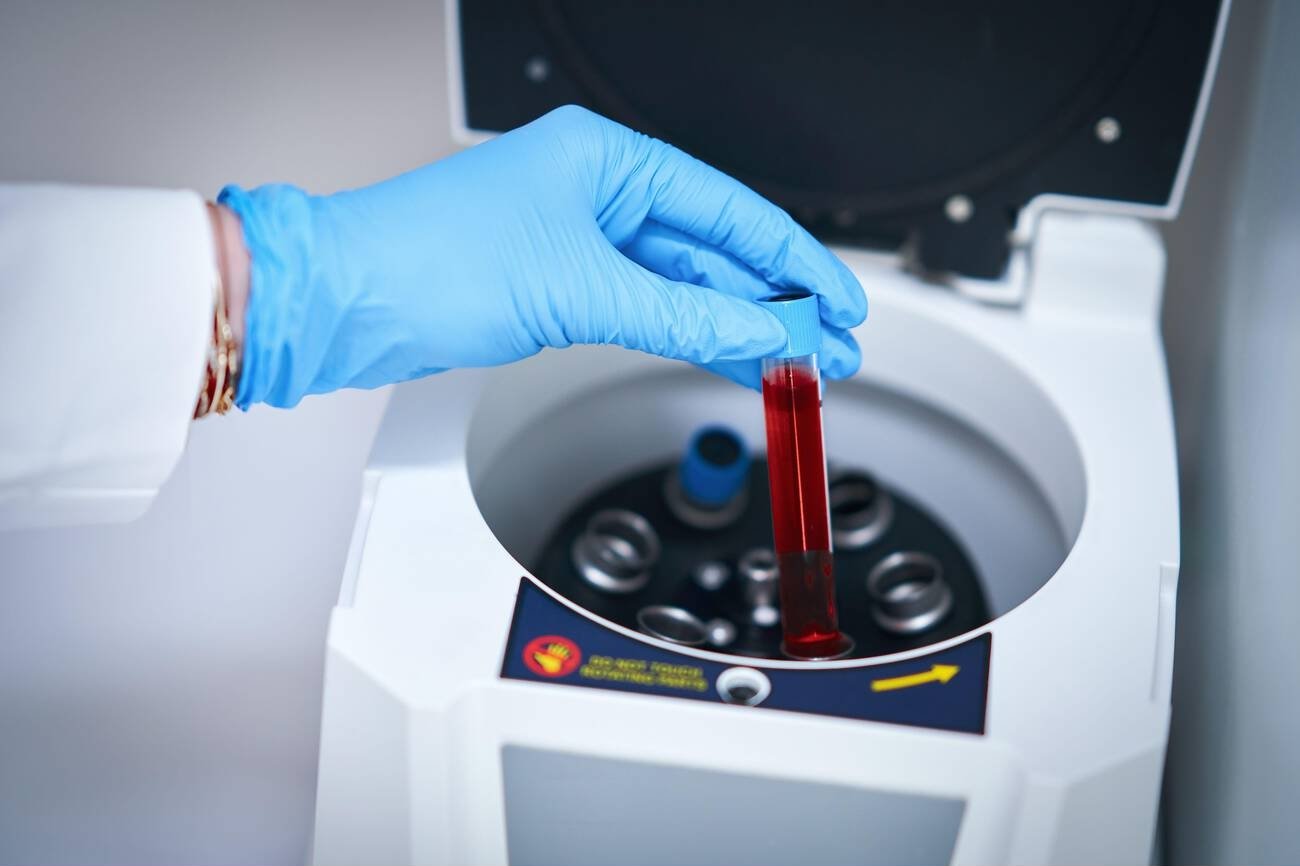
During collection, a phlebotomist draws blood from a vein in your arm into a tube. The draw itself usually takes only a few minutes. Mild soreness, bruising, or lightheadedness can occur with any blood draw, but serious complications are uncommon.
Before your appointment
- Bring a list of thyroid medications, supplements, and high-dose vitamins.
- Ask whether to pause biotin and for how long.
- Ask whether the order includes TSH and free T4, because TPO antibodies alone do not measure thyroid function.
- If pregnant, trying to conceive, or postpartum, tell the clinician before testing and interpretation.
How to understand TPO antibody results
TPO antibody results are usually reported as a number with a unit such as IU/mL, plus the lab’s reference range. Do not compare your number to another lab’s range without checking the method used. MedlinePlus emphasizes that normal ranges can vary between laboratories and that results should be interpreted with a healthcare provider in the context of your specific report. MedlinePlus Medical Encyclopedia
| Result pattern | What it can mean | What usually matters next |
|---|---|---|
| Negative or within range | No elevated TPO antibodies detected by that lab’s method | TSH, free T4, symptoms, medication history, and whether another antibody test is needed |
| Positive or mildly elevated | Autoimmune thyroid activity is possible; some people have positive antibodies before thyroid hormone levels change | Whether TSH and free T4 are normal, high, or low |
| Clearly elevated | More supportive of autoimmune thyroiditis, especially with compatible thyroid function results | Clinical diagnosis, treatment decisions, and follow-up thyroid function monitoring |
Mayo Clinic Laboratories gives one example reference interpretation: values above 9.0 IU/mL are generally associated with autoimmune thyroiditis, while elevations may also be seen in other autoimmune diseases. That cutoff is not universal; your report’s own reference interval is the one attached to the assay that tested your sample. Mayo Clinic Laboratories
Does a positive TPO antibody result mean Hashimoto thyroiditis?
A positive TPO antibody result can support Hashimoto thyroiditis, especially when TSH is high and free T4 is low or trending low. But antibody positivity alone does not prove that you currently have hypothyroidism. MedlinePlus notes that a positive thyroid peroxidase antibody result does not always mean you have a thyroid condition or need thyroid treatment; it may indicate a higher chance of thyroid disease in the future. MedlinePlus Medical Encyclopedia
Can TPO antibodies be positive in Graves disease?
Yes. TPO antibodies can be present in Graves disease, but they are not the most specific antibody test for Graves disease. ARUP Consult describes TSH receptor antibodies, including TRAb and TSI testing, as more specific tools for Graves disease evaluation when the clinical picture is unclear. This is one reason a low TSH with high free T4 or T3 is interpreted differently from a high TSH pattern. ARUP Consult
Do higher TPO antibody numbers mean more severe disease?
Not necessarily. A higher number can make autoimmune thyroiditis more likely, but treatment decisions usually depend more on TSH, free T4, symptoms, pregnancy status, age, heart risk, and clinical history than on the antibody number alone. In many cases, once TPO antibodies have identified autoimmune thyroiditis, repeating the antibody level does not change management.
What if TPO antibodies are positive but TSH and free T4 are normal?
This can happen. Some people have detectable thyroid antibodies before thyroid hormone levels become abnormal, and some never develop clinically significant thyroid dysfunction. Mayo Clinic Laboratories notes that in subclinical hypothyroidism, TPO antibody positivity predicts a higher risk of developing overt hypothyroidism; however, risk is not the same as a diagnosis or an automatic need for medication. Mayo Clinic Laboratories
TPO antibodies in pregnancy and postpartum care
Pregnancy changes thyroid hormone needs and can make thyroid interpretation more time-sensitive. The American Thyroid Association explains that treatment decisions in pregnancy depend on TSH level and TPO antibody status; for example, when TPO antibodies are positive, treatment is recommended when TSH is above 4 mIU/L and may be considered when TSH is between 2.5 and 4.0 mIU/L. Pregnancy decisions should be handled by the obstetric or endocrine care team rather than by interpreting an antibody result alone. American Thyroid Association
How to compare TPO antibody testing options
Some people get a TPO antibodies blood test through a clinician and insurance. Others compare self-pay options when they do not have coverage, have a high deductible, or are missing one thyroid marker from a previous workup. When comparing options, use the effective total cost: the listed test price plus any provider-charged physician, order, draw, processing, or service fees required to complete the test.
The examples below are based on public consumer test pages and should be confirmed at checkout because prices, promotions, collection networks, and state rules can change. The order is alphabetical and is not a recommendation.
| Provider | Test configuration | Collection | Listed price and provider fees | Effective total shown |
|---|---|---|---|---|
| Discounted Labs | Thyroid Peroxidase Antibodies – TPO Antibodies | Local lab draw | $54 listed product price plus a $10 lab processing fee charged by Discounted Labs | $64 before any optional discounts or changes |
| Labcorp OnDemand | Thyroid Peroxidase (TPO) Antibody Test | In-person Labcorp location | $69 listed price; page notes ages 18–100 and 1–2 day result timing after the sample arrives at the lab | $69 if no additional checkout fees apply |
| Private MD Labs | Thyroid Peroxidase (TPO) Antibodies | Local lab draw | $107 listed price; product page states prescription and lab fees are included | $107 if no additional checkout fees apply |
| Quest Health | Comprehensive Thyroid Test Panel including TPO antibodies, thyroglobulin antibodies, TSH, free T3, and free T4 | Quest collection workflow | $119.20 promotional price shown plus a $6 physician service fee collected for provider oversight | $125.20 for the panel, not a standalone TPO-only comparison |
| Request A Test | Thyroid Peroxidase Antibody Blood Test | Lab option varies by location | $59 shown for one laboratory option; page states typical turnaround of 1–3 business days | $59 for the displayed option if no additional checkout fees apply |
| Ulta Lab Tests | Thyroid Peroxidase Antibodies Test | Blood draw | $34.95 promotional price shown, with a higher non-sale price also displayed | $34.95 if the promotional price and no added checkout fees apply |
| Walk-In Lab | Thyroid Peroxidase Antibodies (TPO) Blood Test | Local lab draw | $55 listed price plus a $6 per-order physician fee charged by Walk-In Lab | $61 before any optional discounts or changes |
Sources for the provider examples: Discounted Labs, Labcorp OnDemand, Private MD Labs, Quest Health, Request A Test, Ulta Lab Tests, and Walk-In Lab.
Shopping checklist
- Confirm whether you are buying TPO antibodies alone or a thyroid panel.
- Check whether TSH and free T4 are included if you need thyroid function context.
- Look for provider-charged physician, processing, or draw fees before paying.
- Check whether your state, age, or pregnancy status affects ordering.
- Confirm whether results include a clinician note, abnormal-result follow-up, or only a lab report.
If you are comparing self-pay options, you can use the Compare Lab Test Prices tool to review total costs and test configurations in one place: .
What to discuss with your clinician after results
Useful follow-up questions include:
- Are my TSH and free T4 normal, high, or low?
- Does my result fit Hashimoto thyroiditis, Graves disease, postpartum thyroiditis, or another condition?
- Should I repeat thyroid function tests, and if so, when?
- Do I need a TRAb or TSI test instead of, or in addition to, TPO antibodies?
- If I am pregnant or trying to conceive, what TSH target and monitoring schedule apply to me?
- Could biotin, supplements, medications, recent illness, or assay interference have affected my results?
FAQs
Is the TPO antibodies blood test the same as a thyroid panel?
No. A TPO antibody test measures one autoimmune thyroid marker. A thyroid panel may include TSH, free T4, free T3, TPO antibodies, thyroglobulin antibodies, or other tests depending on the panel. Always check the included biomarkers before ordering.
Do I need to fast for a TPO antibody test?
Usually no. Fasting is not typically required for thyroid antibody testing, but follow the instructions for any other tests ordered at the same time.
Can biotin affect TPO antibody results?
Biotin can interfere with some immunoassays, including some thyroid-related tests. Ask the ordering clinician or lab whether to pause biotin before collection, especially if you take a high-dose hair, skin, nail, or B-complex supplement.
What is a normal TPO antibody level?
Normal depends on the laboratory method and reference range. Some labs use cutoffs such as less than 9 IU/mL, but you should interpret your result using the reference interval printed on your own report.
Does a high TPO antibody result require thyroid medication?
Not by itself. Treatment decisions usually depend on thyroid function results, especially TSH and free T4, plus symptoms, pregnancy status, age, medical history, and clinician judgment.
Can TPO antibodies go down?
They can fluctuate, but falling antibody levels are not usually the main treatment target. Clinicians typically monitor thyroid function rather than trying to normalize antibody numbers.
Should I order TPO antibodies if my TSH is normal?
Sometimes it may be reasonable, especially with strong autoimmune history, pregnancy-related concerns, or persistent symptoms being evaluated by a clinician. However, for many people, TSH and free T4 provide the key thyroid function context.
What is the difference between TPO antibodies and thyroglobulin antibodies?
TPO antibodies target thyroid peroxidase, an enzyme involved in thyroid hormone production. Thyroglobulin antibodies target thyroglobulin, a thyroid protein. Both may be seen in autoimmune thyroiditis, but TPO antibodies are commonly used as the more sensitive marker for Hashimoto thyroiditis.
Source Notes
- MedlinePlus Medical Encyclopedia: Thyroid Peroxidase Antibody
- MedlinePlus — Thyroid Antibodies
- ARUP Consult: Initial Evaluation of Thyroid Function
- NICE: Thyroid Disease Assessment and Management
- FDA: Testing for Biotin Interference in In Vitro Diagnostic Devices
- ARUP Consult: Autoimmune Thyroiditis
- American Thyroid Association: Hypothyroidism in Pregnancy