Medical & affiliate disclosure: CTX Stat provides educational laboratory information and is not a substitute for professional medical advice, diagnosis, or treatment. CTX Stat may receive compensation from some outbound provider links when an affiliate program is active; provider comparisons and rankings are based on consumer fit, effective cost, access, policies, and reputation—not commission.
Quick take
- What it measures: An LH blood test measures luteinizing hormone, a hormone made by the pituitary gland that helps regulate ovulation, menstrual cycles, testosterone production, sperm production, puberty, and reproductive hormone balance.
- Why it is ordered: Clinicians use LH with other tests to evaluate irregular or absent periods, infertility, possible ovulation timing, menopause or perimenopause questions, low testosterone symptoms, pituitary or hypothalamic problems, and early or delayed puberty.
- Preparation: Fasting is usually not required. You may need testing on a specific menstrual-cycle day, and you should tell the ordering clinician about birth control, hormone therapy, testosterone, DHEA, fertility medicines, and biotin supplements.
- Results: LH interpretation depends heavily on age, sex assigned at birth, menstrual-cycle timing, pregnancy status, medications, and companion results such as FSH, estradiol, testosterone, prolactin, TSH, or semen analysis.
- Bottom line: LH is useful context, but it is rarely diagnostic by itself. A single LH result is a snapshot of a hormone that can change by cycle phase and, in some people, by pulses throughout the day.
What is luteinizing hormone?
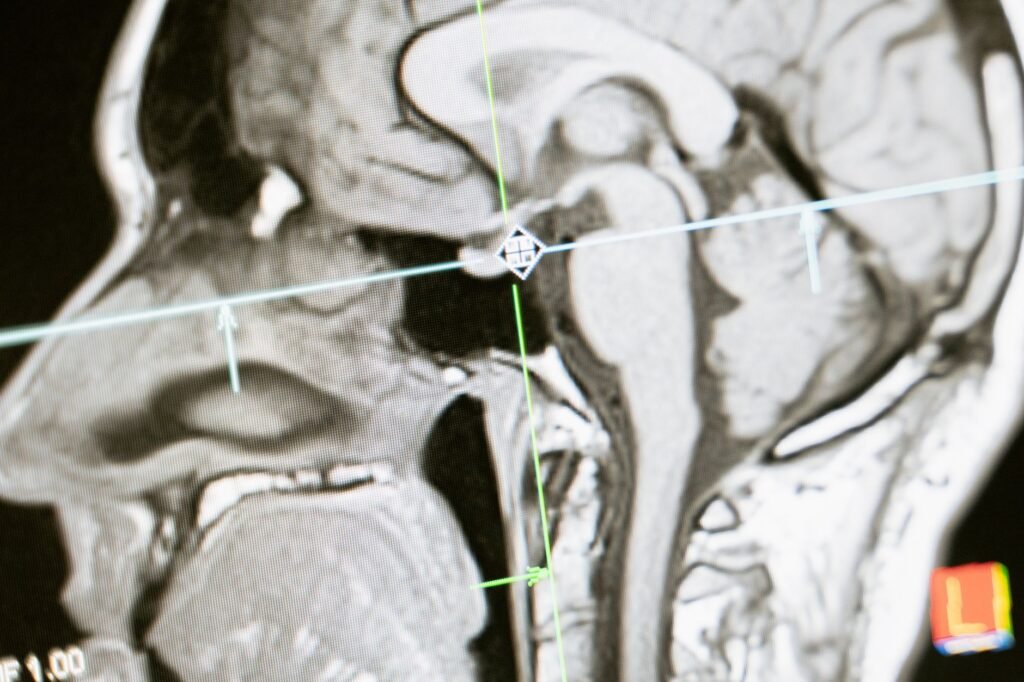
Luteinizing hormone, usually shortened to LH, is a reproductive hormone produced by the pituitary gland, a small hormone-producing gland at the base of the brain. LH works as part of the hypothalamic-pituitary-gonadal axis: the hypothalamus signals the pituitary, the pituitary releases LH and follicle-stimulating hormone (FSH), and the ovaries or testes respond by producing sex hormones and supporting egg or sperm development.
In people who menstruate, LH changes across the menstrual cycle. A sharp rise in LH in the middle of the cycle helps trigger ovulation, the release of an egg from the ovary. After ovulation, LH also supports the corpus luteum, which helps produce progesterone during the luteal phase. In people with testes, LH signals Leydig cells in the testes to make testosterone, which is important for sexual development, libido, and sperm production. In children, LH is normally low during early childhood and rises as puberty begins.
Because LH is part of a feedback loop, the number on the lab report is not interpreted in isolation. For example, high LH can mean the pituitary is working harder because the ovaries or testes are not responding as expected. Low or “inappropriately normal” LH can suggest that the pituitary or hypothalamus is not sending enough signal, especially when sex hormone levels are also low. The same LH value may be normal in one setting and abnormal in another.
What does an LH blood test measure?
An LH blood test measures the concentration of luteinizing hormone in a blood sample, usually reported in international units per liter (IU/L) or milli-international units per milliliter (mIU/mL). These units are commonly treated as numerically equivalent for LH reporting, but you should always use the units and reference interval shown on your own result.
The test is usually performed on serum or plasma from a routine venous blood draw. A phlebotomist places a small needle into a vein in your arm, collects blood into a tube, and sends the sample to a clinical laboratory. The draw itself usually takes only a few minutes. Mild bruising, soreness, or lightheadedness can occur, but serious complications are uncommon.
LH may also be measured in urine for ovulation prediction. At-home ovulation predictor kits detect the LH surge that often occurs about 24 to 36 hours before ovulation. A urine LH kit and a laboratory LH blood test are related, but they are used differently. Urine kits are mainly used for timing intercourse or insemination around ovulation. Blood LH is more often used as part of a clinical evaluation of reproductive, endocrine, or puberty-related concerns.
Why an LH blood test may be ordered
Clinicians order LH when they need more information about the signaling between the brain and the reproductive glands. The test is commonly ordered with FSH because the two hormones work together and their pattern can be more informative than either result alone.
| Reason for testing | How LH helps | Common companion tests |
|---|---|---|
| Irregular, absent, or very infrequent periods | Helps distinguish ovarian, pituitary, hypothalamic, and medication-related patterns when interpreted with symptoms and cycle history. | Pregnancy test, FSH, estradiol, prolactin, TSH, and sometimes androgens. |
| Infertility evaluation | May help assess ovulatory patterns or broader reproductive hormone signaling, although it is not a stand-alone fertility test. | FSH, estradiol, progesterone timed after ovulation, AMH, semen analysis, ultrasound, TSH. |
| Ovulation timing | A midcycle LH rise may suggest ovulation is approaching; urine LH kits are more commonly used for home timing. | Urine LH kits, cycle tracking, progesterone about one week before the expected period. |
| Menopause or primary ovarian insufficiency questions | LH and FSH often rise when ovarian estrogen production declines, but FSH and estradiol usually carry more diagnostic weight for ovarian insufficiency. | FSH, estradiol, pregnancy test, TSH, prolactin. |
| Low testosterone symptoms or male-factor infertility | Helps separate primary testicular problems from pituitary or hypothalamic causes when testosterone is low. | Morning total testosterone, free testosterone when indicated, FSH, prolactin, semen analysis. |
| Early or delayed puberty | Helps determine whether puberty-related hormone signaling has started or whether further endocrine evaluation is needed. | FSH, estradiol or testosterone, bone age imaging, other endocrine tests. |
For infertility, LH is only one piece of the evaluation. The American Society for Reproductive Medicine notes that urinary LH predictor kits can identify the midcycle LH surge that precedes ovulation by about one to two days, but a broader fertility evaluation may include menstrual history, timed progesterone, ovarian reserve assessment, imaging, and evaluation of a sperm-producing partner when applicable.
How to prepare for an LH blood test
Most people do not need to fast before an LH blood test. If your clinician orders other blood tests at the same time, such as fasting glucose, insulin, or a lipid panel, you may receive fasting instructions for those tests. Follow the instructions from the ordering clinician or lab because preparation can vary by the full set of tests being drawn.
Know the menstrual-cycle timing
If you have menstrual periods, timing can be critical. LH is normally much higher around the midcycle surge than it is during the follicular or luteal phases. For a baseline reproductive hormone evaluation, many clinicians order LH and FSH early in the cycle, often around cycle day 2, 3, or 4, where day 1 is the first day of full menstrual bleeding. For ovulation evaluation, timing may be different. If cycles are irregular or absent, your clinician may give individualized timing instructions.
Review medications and supplements
Tell the ordering clinician about all prescription medicines, over-the-counter medicines, hormones, and supplements you take. Results may be affected by hormonal birth control, estrogen or progesterone therapy, testosterone therapy, anabolic steroids, DHEA, fertility medicines, medications that affect prolactin, and treatments that act on the pituitary-gonadal axis.
Do not stop a prescribed medication just to “get a cleaner result” unless the ordering clinician specifically tells you to do so. Stopping hormones, fertility treatment, testosterone, or pituitary-related medications without guidance can be unsafe or can make results harder to interpret.
Ask about biotin
Biotin, also called vitamin B7, is common in hair, skin, and nail supplements and in some multivitamins. Some immunoassay-based hormone tests can be affected by high-dose biotin. Major laboratory test directories advise asking about biotin use and, for some LH-related assays, stopping biotin for a defined period before collection. The appropriate hold time may vary by lab and dose, so follow the lab’s or clinician’s instructions.
What to bring
- Your test order or requisition if the lab requires it.
- Insurance card and identification, if using insurance.
- A list of medications and supplements, including doses.
- The first day of your last menstrual period, if relevant.
- Any fertility-treatment calendar or cycle instructions, if testing is part of assisted reproduction care.
How to understand LH blood test results
Your lab report will show your LH result and a reference interval. Reference intervals vary by laboratory, method, age, sex, and menstrual-cycle phase. Always compare your result with the interval printed on your own report rather than a generic internet range.
As an example of why context matters, the University of Rochester Medical Center lists adult male and female reference ranges that differ substantially by cycle phase: lower ranges in the follicular and luteal phases, a much higher midcycle peak, and higher postmenopausal ranges. Other labs may use different assays or slightly different intervals.
| Context | General LH pattern | Important interpretation note |
|---|---|---|
| Early follicular phase in a person who menstruates | Usually relatively low to moderate. | Often used with FSH and estradiol for baseline reproductive hormone evaluation. |
| Midcycle LH surge | Temporarily much higher. | Can be a normal sign that ovulation is approaching; timing matters. |
| Luteal phase | Usually falls after the surge. | Progesterone is often more useful than LH for confirming that ovulation recently occurred. |
| After menopause | Often persistently higher. | High LH and FSH can reflect reduced ovarian hormone production, but testing is not always needed at typical menopause age. |
| Adult with testes | Usually more stable than in menstrual cycles. | Interpreted with testosterone and FSH to assess primary versus secondary hypogonadism patterns. |
| Child before puberty | Usually low. | Interpretation requires pediatric reference intervals and often specialist input. |
It is common for people to focus on whether the LH result is marked “high” or “low.” That flag is only a starting point. The more useful question is whether the LH level is appropriate for the person’s age, cycle phase, symptoms, and other hormone levels.
What high or low LH can mean
High LH in people who menstruate
A brief high LH result around midcycle may be normal and can indicate the LH surge that helps trigger ovulation. Persistently high LH outside the expected surge may suggest a different pattern, especially if periods are absent or irregular.
Possible causes or associations include menopause, perimenopause, primary ovarian insufficiency, certain ovarian disorders, and some forms of gonadal resistance or developmental differences. In primary ovarian insufficiency, clinicians usually rely more on repeated elevated FSH with low estradiol, after excluding pregnancy and other causes of absent or irregular periods. LH may be elevated too, but it is not usually the only deciding test.
Polycystic ovary syndrome (PCOS) is a common reason people search for LH and FSH ratios. Some people with PCOS have higher LH relative to FSH, but PCOS is not diagnosed by LH alone or by an LH:FSH ratio alone. Evidence-based PCOS diagnosis is based on a combination of ovulatory dysfunction, hyperandrogenism, polycystic ovarian morphology, and exclusion of conditions that can mimic PCOS. If you are being evaluated for PCOS, ask what criteria are being used and whether androgen, thyroid, prolactin, glucose, and lipid testing are appropriate.
Low LH in people who menstruate
Low LH can occur when the hypothalamus or pituitary is not sending enough reproductive signal. Potential contributors include functional hypothalamic amenorrhea related to low energy availability, significant weight loss, undernutrition, intense exercise, stress, chronic illness, pituitary disorders, elevated prolactin, and some medications. Hormonal contraceptives often suppress ovulation and can lower LH signaling as an expected medication effect.
Low LH is interpreted with estradiol and FSH. Low or inappropriately normal LH and FSH with low estradiol can point toward a central, hypothalamic, or pituitary pattern rather than primary ovarian failure. Symptoms such as headaches, vision changes, milky nipple discharge when not breastfeeding, severe fatigue, or multiple hormone abnormalities should be discussed promptly with a clinician.
High LH in people with testes
When testosterone is low and LH is high, the pattern may suggest primary hypogonadism, meaning the pituitary is sending a strong signal but the testes are not producing enough testosterone in response. Causes can include genetic conditions such as Klinefelter syndrome, prior testicular injury, chemotherapy or radiation exposure, testicular infection or inflammation, undescended testes history, torsion, or other testicular disorders.
In this setting, FSH and semen analysis may help assess sperm production. Treatment decisions depend on the cause, symptoms, fertility goals, testosterone levels, and risks. Testosterone treatment can suppress sperm production, so people who want future fertility should discuss fertility-preserving options before starting therapy.
Low or inappropriately normal LH in people with testes
When testosterone is consistently low but LH is low or not elevated as expected, the pattern can suggest secondary hypogonadism involving the hypothalamus or pituitary. Potential contributors include pituitary tumors, high prolactin, iron overload, opioid or glucocorticoid use, anabolic steroid use or withdrawal, severe obesity, systemic illness, sleep disorders, or prior pituitary surgery or radiation. Guidelines for male hypogonadism recommend measuring LH and FSH to help distinguish primary testicular causes from secondary pituitary-hypothalamic causes.
Limitations of the LH blood test
An LH blood test is clinically useful, but it has important limitations.
- It is a snapshot. LH can fluctuate, especially across the menstrual cycle and around ovulation. One result may not represent the whole cycle.
- Cycle timing can change the meaning. A value that is expected during the midcycle surge may be unexpected early in the follicular phase.
- Medications can suppress or raise LH. Hormonal contraception, fertility drugs, testosterone, anabolic steroids, DHEA, and pituitary-gonadal medications can change results.
- Assays differ. Results from different laboratories or methods are not always interchangeable. Use the same lab when serial monitoring is important, if your clinician recommends it.
- Biotin may interfere with some assays. Supplement use should be disclosed before testing.
- LH does not diagnose infertility by itself. Fertility depends on ovulation, sperm parameters, fallopian tube patency, uterine factors, timing, age, and other medical factors.
- LH is not the best test for every question. Progesterone is often better for confirming recent ovulation; FSH and estradiol are central in ovarian insufficiency evaluation; testosterone is central in suspected male hypogonadism.
If your result is unexpected, do not assume the result is wrong or that it proves a diagnosis. Ask whether the test should be repeated at a specific time, whether medications or supplements may have affected it, and which companion tests are needed.
Practical next steps after an abnormal LH result
The best next step depends on why the test was ordered. These questions can make the follow-up visit more productive:
- Was my LH level interpreted using the correct age, sex, and cycle-phase reference range?
- If I menstruate, what cycle day was I on, and does that timing match the purpose of the test?
- Were FSH, estradiol, progesterone, testosterone, prolactin, TSH, or pregnancy testing also needed?
- Could birth control, hormone therapy, testosterone, DHEA, fertility medications, opioids, steroids, or biotin have affected the result?
- Should the test be repeated, and if so, when?
- If fertility is the concern, what evaluation is recommended for ovulation, ovarian reserve, semen parameters, uterine factors, and fallopian tubes?
- If low testosterone is the concern, were testosterone levels drawn in the morning and confirmed on repeat testing?
- Are any symptoms urgent, such as new severe headaches, vision changes, fainting, or signs of pituitary hormone problems?
Seek timely medical care if you have severe pelvic pain, sudden severe headache, vision changes, fainting, very heavy bleeding, symptoms of pregnancy complications, or signs of adrenal crisis such as severe weakness, low blood pressure, or confusion. These are not typical issues caused by LH itself, but they can occur in conditions that require urgent evaluation.
LH blood test cost and access
LH is a common laboratory test. In the United States, it may be ordered by a primary care clinician, OB-GYN, urologist, endocrinologist, reproductive endocrinologist, pediatrician, or other licensed clinician. Some direct-access lab services also allow adults to purchase an LH test without a traditional office visit, depending on state rules and the service’s ordering workflow.
The billing code often associated with LH testing is CPT 83002, but the amount you pay depends on the setting. Insurance coverage may depend on medical necessity, diagnosis codes, deductible status, copay or coinsurance, and whether the lab is in network. If paying cash or using a direct-access service, compare the effective total cost, not just the advertised test price.
| Cost component | What to check before testing |
|---|---|
| Base LH test price | Whether the listed price includes the lab analysis only or the full ordering process. |
| Physician or authorization fee | Some services include clinician authorization; others add a separate fee. |
| Blood draw or collection fee | Some collection sites charge a draw fee, especially for third-party orders. |
| Visit cost | If testing is ordered during an office visit, the visit may be billed separately. |
| Repeat or companion testing | LH is often ordered with FSH, estradiol, testosterone, prolactin, TSH, progesterone, or pregnancy testing. |
| State availability | Direct-access testing rules and service availability vary by state. |
| Result support | Check whether you receive a lab report only or access to clinician interpretation. |
FAQs about the LH blood test
What is the LH blood test used for?
It is used to evaluate reproductive hormone signaling. Common reasons include irregular or absent periods, infertility evaluation, ovulation timing, menopause or perimenopause questions, low testosterone evaluation, pituitary or hypothalamic concerns, and early or delayed puberty. It is usually interpreted with FSH and sex hormone tests.
Do I need to fast before an LH blood test?
Usually no. LH testing itself generally does not require fasting. However, if other tests are ordered at the same time, you may need to fast for those tests. Follow the instructions on your lab order.
What cycle day should LH be tested?
It depends on the clinical question. Baseline LH and FSH are often checked early in the menstrual cycle, commonly around day 2 to day 4. Testing for an LH surge is timed closer to the middle of the cycle. If your cycles are irregular or absent, ask the ordering clinician when to test.
Is high LH always bad?
No. A high LH level can be normal during the midcycle LH surge and after menopause. High LH outside those contexts may need evaluation, especially if it is persistent or paired with abnormal FSH, estradiol, testosterone, or symptoms.
Can LH confirm ovulation?
A urine LH surge can suggest ovulation is likely soon, but it does not prove that ovulation successfully occurred. A properly timed progesterone blood test, usually about one week before the expected period, is often used to provide evidence of recent ovulation.
Can an LH blood test diagnose PCOS?
No. Some people with PCOS have elevated LH or an increased LH-to-FSH ratio, but PCOS is not diagnosed by LH alone. Diagnosis requires a broader assessment of menstrual patterns, androgen excess, ovarian findings when relevant, and exclusion of other conditions.
Why would LH be tested with testosterone?
When testosterone is low, LH helps determine whether the problem appears more testicular or more central. Low testosterone with high LH suggests a primary testicular pattern. Low testosterone with low or inappropriately normal LH suggests a pituitary or hypothalamic pattern.
Can biotin affect LH results?
Biotin can interfere with some immunoassay-based lab tests. Tell your clinician and the lab if you take biotin, especially high-dose hair, skin, and nail supplements. Follow the lab’s instructions about whether and how long to stop it before testing.
How long do LH blood test results take?
Many labs report LH within one to a few business days, but timing depends on the laboratory, collection site, whether the test is performed in-house or sent out, weekends, holidays, and whether other tests were ordered.
Source Notes
- MedlinePlus: Luteinizing Hormone (LH) Levels Test
- MedlinePlus Medical Encyclopedia: Luteinizing Hormone (LH) Blood Test
- University of Rochester Medical Center Health Encyclopedia: Luteinizing Hormone (Blood)
- American Society for Reproductive Medicine: Fertility Evaluation of Infertile Women, Committee Opinion
- Endocrine Society Clinical Practice Guideline: Testosterone Therapy in Men With Hypogonadism
- Merck Manual Professional Edition: Primary Ovarian Insufficiency