Medical & affiliate disclosure: CTX Stat provides educational laboratory information and is not a substitute for professional medical advice, diagnosis, or treatment. CTX Stat may receive compensation from some outbound provider links when an affiliate program is active; provider comparisons and rankings are based on consumer fit, effective cost, access, policies, and reputation—not commission.
Quick Take
- The FSH blood test measures follicle-stimulating hormone, a pituitary hormone involved in ovarian follicle development, ovulation, sperm production, and puberty.
- FSH is rarely interpreted alone. Your age, sex assigned at birth, symptoms, menstrual-cycle day, medication use, and related hormones such as LH, estradiol, testosterone, AMH, prolactin, and TSH can change what a result means.
- Timing matters most for fertility-related ovarian testing. Baseline FSH is commonly checked early in the menstrual cycle, often around cycle days 2–4 or 2–5, and is usually paired with estradiol.
- High FSH often points to reduced feedback from the ovaries or testes, as can happen with menopause, primary ovarian insufficiency, or primary testicular dysfunction. Low FSH may point toward pituitary or hypothalamic signaling issues or medication effects.
- Preparation is simple for most people. Fasting is usually not needed for FSH alone, but ask whether other same-day tests require fasting, morning collection, or cycle-specific timing.
- For self-pay testing, compare the total price—not just the listed test price—including provider-order fees, blood draw fees, collection-network access, state restrictions, and follow-up options.
What is an FSH blood test?
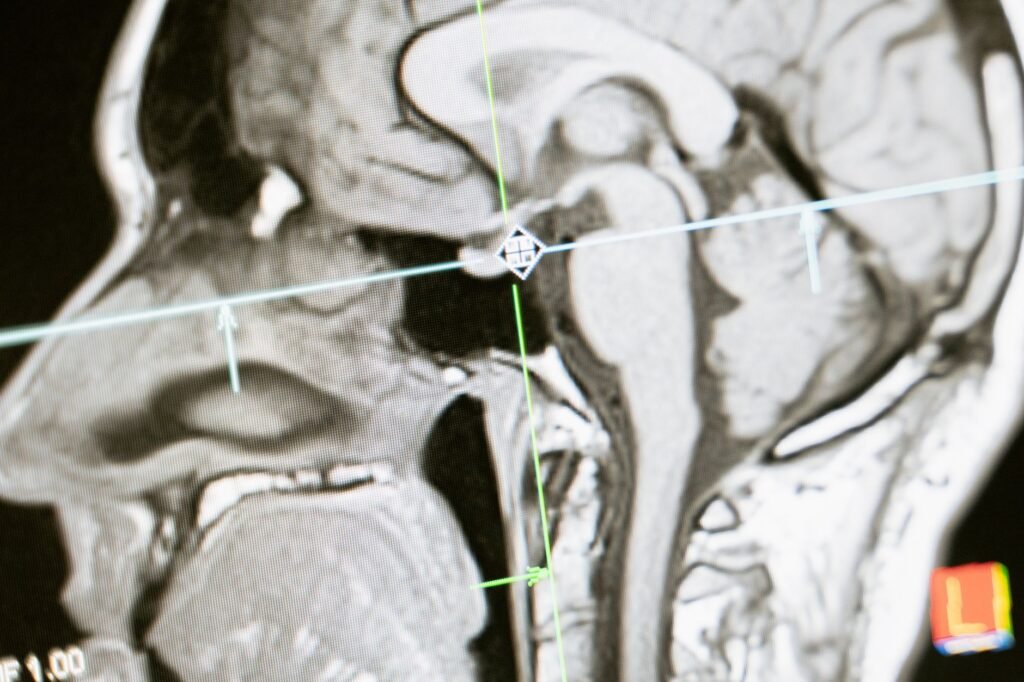
An FSH blood test measures the amount of follicle-stimulating hormone in a blood sample. FSH is made by the pituitary gland, a small hormone-producing gland at the base of the brain. It is part of the hypothalamic-pituitary-gonadal axis: the hypothalamus signals the pituitary, the pituitary releases FSH and luteinizing hormone (LH), and the ovaries or testes respond by making sex hormones and supporting egg or sperm development. MedlinePlus describes FSH as important for sexual development in children and fertility in adults, and Mayo Clinic Laboratories lists FSH as useful in evaluating menstrual irregularities, suspected hypogonadism, ovulation, infertility, and pituitary disorders. MedlinePlus Mayo Clinic Laboratories
In people who menstruate, FSH helps ovarian follicles mature. Around the middle of a menstrual cycle, FSH and LH change as ovulation approaches. In people with testes, FSH supports Sertoli-cell function and sperm production. In children, FSH is normally low before puberty and rises as puberty begins, along with other reproductive hormones.
The key point for interpretation is that FSH is a signal, not a direct measurement of egg count, sperm count, estrogen, testosterone, or fertility. A high or low result suggests how hard the pituitary is signaling the reproductive glands, but it does not identify the cause by itself.
Why an FSH blood test is ordered
FSH testing is used in several different clinical situations. The reason for the order changes the ideal timing and the meaning of the result.
| Reason for testing | What FSH can help evaluate | Common companion tests |
|---|---|---|
| Irregular, absent, or changing periods | Whether the pattern may fit ovarian insufficiency, menopause transition, hypothalamic/pituitary signaling, or another endocrine issue | Pregnancy test, LH, estradiol, TSH, prolactin, sometimes AMH |
| Fertility evaluation | Baseline ovarian response or clues to sperm-production problems | Estradiol, AMH, LH, progesterone, semen analysis, ultrasound antral follicle count |
| Menopause or perimenopause questions | Whether ovarian hormone feedback has declined; more useful after menopause than during fluctuating perimenopause | Estradiol, clinical history, bleeding pattern, sometimes TSH |
| Low testosterone, low libido, erectile dysfunction, or low sperm count | Whether the issue looks more consistent with primary testicular dysfunction or pituitary/hypothalamic signaling | Total testosterone, LH, prolactin, semen analysis, SHBG in selected cases |
| Early or delayed puberty | Whether pubertal hormone signaling appears activated, low, or inconsistent with age and development | LH, estradiol or testosterone, bone age, pediatric endocrine evaluation |
| Suspected pituitary or hypothalamic disorder | Whether FSH and LH are appropriately high, low, or normal for the clinical situation | LH, estradiol/testosterone, prolactin, cortisol, TSH/free T4, imaging when indicated |
For infertility, FSH is only one part of a broader evaluation. The Endocrine Society notes that both female and male factors can contribute to infertility and that evaluation often includes history, physical examination, hormone blood tests, semen analysis for male partners, and other tests depending on findings. ARUP Consult also emphasizes that FSH used for ovarian reserve should be measured early in the menstrual cycle and interpreted with estradiol rather than as a standalone result. Endocrine Society ARUP Consult
How to prepare for an FSH blood test
For most people, an FSH blood test is a routine venous blood draw from the arm. You can usually eat and drink normally before a standalone FSH test. Preparation depends mainly on timing and medications.
1. Confirm the right day of the menstrual cycle
If FSH is being used for ovarian reserve or fertility assessment, timing is important because FSH changes across the menstrual cycle. Early-cycle testing is commonly used for baseline interpretation. ARUP Consult lists FSH measurement on cycle days 2–4 or 2–5 for female infertility evaluation and notes that it should be measured with estradiol. If you do not have predictable periods, have recently stopped hormonal contraception, are postpartum, or are using fertility medications, ask the ordering clinician how to time the test. ARUP Consult
2. Tell the clinician and lab about hormones and medications
Hormonal birth control, estrogen therapy, testosterone therapy, gonadotropin-releasing hormone medicines, fertility drugs, and some other medications can affect FSH or the interpretation of FSH. Do not stop prescribed medications just to “get a cleaner result” unless the prescribing clinician specifically tells you to do so. The practical question is not simply whether a medication changes FSH; it is whether your clinician wants the result while you are on that medication or after a washout period.
3. Ask about supplements and assay interference
Many hormone tests are immunoassays. Some laboratory methods can be affected by high-dose biotin supplements, which are often marketed for hair, skin, and nails. Not every FSH method is affected in the same way, so the safest approach is to tell the ordering clinician and lab about biotin dose and timing, along with any over-the-counter supplements.
4. Plan for other tests collected the same day
FSH alone usually does not require fasting, but a fertility, menstrual, or low-testosterone workup may include tests with their own timing rules. For example, testosterone is often collected in the morning; glucose or lipid testing may require fasting; progesterone is interpreted according to ovulation timing; and some fertility panels require cycle-day coordination.
What the blood draw feels like
The blood draw typically takes only a few minutes. Mild bruising, tenderness, or brief lightheadedness can occur. Let the phlebotomist know if you have a history of fainting, difficult blood draws, bleeding disorders, or if you take blood thinners.
How to read FSH blood test results
FSH is commonly reported in mIU/mL or IU/L; for this hormone, those units are numerically equivalent. The most important rule is to use the reference range printed on your own lab report because ranges vary by method, age group, sex, and menstrual phase. MedlinePlus specifically notes that interpretation should consider sex, age, symptoms, medical history, and other hormone tests, especially LH. MedlinePlus
Reference ranges are not diagnostic cutoffs
A result just outside a reference interval is not automatically a diagnosis, and a result inside the interval does not rule out a hormone problem. FSH is best read as a pattern: Is the pituitary signal high, low, or appropriate for the situation?
Example adult reference ranges
The table below shows example adult ranges from a major U.S. laboratory test directory. These are not universal and should not replace the range on your report. Labcorp lists adult male FSH as 1.5–12.4 mIU/mL and gives different adult female ranges by cycle phase, including follicular, ovulation, luteal, and postmenopausal categories. Labcorp Test Directory
| Group or phase | Example FSH reference range | Interpretation note |
|---|---|---|
| Adult male | 1.5–12.4 mIU/mL | Interpret with testosterone, LH, semen analysis, symptoms, and exam findings. |
| Adult female, follicular phase | 3.5–12.5 mIU/mL | Early-cycle values may be used in ovarian reserve evaluation, usually with estradiol. |
| Adult female, ovulation phase | 4.7–21.5 mIU/mL | FSH can rise around ovulation; cycle timing matters. |
| Adult female, luteal phase | 1.7–7.7 mIU/mL | Different expected range after ovulation. |
| Postmenopausal | Often much higher; Labcorp lists 25.8–134.8 mIU/mL | Mayo Clinic Laboratories notes postmenopausal FSH is generally above 40 IU/L, but labs differ. |
For menstrual and fertility questions, a clinician may care less about whether FSH is “normal” on a generic adult range and more about whether it is appropriate for the exact cycle day and estradiol level. A high estradiol level early in the cycle can suppress FSH and make an FSH result look more reassuring than it really is. That is one reason FSH and estradiol are often ordered together in fertility evaluation.
What high or low FSH may mean
High FSH
High FSH often means the pituitary is sending a stronger signal because the ovaries or testes are not producing the expected hormone feedback. Mayo Clinic Laboratories notes that primary hypogonadism in both male and female patients results in elevated basal FSH and LH, and that FSH and LH are generally elevated in primary gonadal failure, menopause, primary ovarian hypofunction, and primary male hypogonadism. Mayo Clinic Laboratories
| Pattern | Possible meaning | Common next checks |
|---|---|---|
| High FSH with low estradiol and absent periods | May fit menopause, primary ovarian insufficiency, or ovarian damage depending on age and history | Repeat FSH/estradiol when appropriate, pregnancy test, thyroid and prolactin testing, evaluation for POI if under 40 |
| High early-cycle FSH in fertility evaluation | Can be consistent with reduced ovarian reserve or poorer response to ovarian stimulation | Estradiol, AMH, antral follicle count, fertility specialist review |
| High FSH with low sperm count | May suggest impaired sperm production from primary testicular dysfunction | Repeat semen analysis, LH, testosterone, exam, urology/reproductive urology evaluation |
| High FSH in a child with early pubertal signs | Could be part of early puberty evaluation | Pediatric endocrine assessment, LH, sex steroids, growth pattern, bone age |
High FSH does not always mean the same thing for every person. In a 52-year-old who has not had a period for 12 months, a high FSH may support a menopause pattern. In a 32-year-old with absent periods, the same number may lead to evaluation for primary ovarian insufficiency or other causes. In a man with infertility, high FSH may shift attention toward sperm production in the testes rather than an obstruction alone.
Low or inappropriately normal FSH
Low FSH may mean the pituitary is not sending enough signal, or that medications or hormone exposure are suppressing the axis. Mayo Clinic Laboratories notes that FSH and LH are both decreased in pituitary or hypothalamic failure. In male infertility evaluation, ARUP Consult notes that low FSH with low LH and testosterone is consistent with hypogonadotropic hypogonadism, while low FSH with azoospermia may suggest obstruction depending on the broader workup. Mayo Clinic Laboratories ARUP Consult
Possible contributors to low or inappropriately normal FSH include pituitary or hypothalamic disorders, significant energy deficiency, very low body weight, intense exercise, chronic illness, high prolactin, thyroid disease, hormonal contraception, estrogen or testosterone therapy, anabolic steroid use, and certain medications. The result is interpreted alongside symptoms such as absent periods, low libido, erectile dysfunction, infertility, hot flashes, galactorrhea, headaches, vision changes, or delayed puberty.
FSH and menopause: why one test can be misleading
FSH tends to rise as ovarian estrogen production declines. However, during perimenopause, hormone levels can fluctuate substantially from month to month. ACOG states that hormone testing is usually not needed to identify perimenopause in typical midlife situations because age, symptoms, and period changes are often more informative, while testing may be considered in younger people with concerning bleeding changes, especially under age 40. ACOG
Limitations of the FSH blood test
- It is a snapshot. FSH changes during the menstrual cycle and can vary over time.
- It does not diagnose infertility by itself. Fertility depends on ovulation, egg quality, sperm factors, tubal patency, uterine factors, timing, age, and other health issues.
- It does not directly measure egg count. AMH and antral follicle count are often used with FSH when assessing ovarian reserve.
- It does not replace semen analysis. In male fertility evaluation, FSH can help interpret sperm-production patterns, but semen analysis remains central.
- It may be affected by medications and hormones. Results can be hard to interpret while using hormonal contraception, fertility medicines, testosterone, estrogen, or other endocrine treatments.
- Reference ranges vary. Different laboratories and assays may produce different intervals, especially for children and cycle-phase-specific interpretation.
How much does an FSH blood test cost?
The cost of an FSH blood test depends on whether it is ordered through insurance, a clinician’s office, a fertility clinic, a hospital outpatient lab, or a direct-to-consumer testing service. The most useful comparison is the effective total cost: the test price plus any required ordering, physician oversight, specimen collection, facility, processing, or follow-up fees.
| Ordering route | What to compare | cost to the patient considerations |
|---|---|---|
| Clinician order with insurance | In-network lab, deductible, coinsurance, medical-necessity rules | May be low if covered, but out-of-network or hospital-based labs can be expensive. |
| Fertility clinic or specialist | Panel pricing, monitoring fees, same-day turnaround, bundled visits | Often ordered with estradiol, LH, AMH, ultrasound, or repeated cycle monitoring. |
| Direct lab order | Standalone FSH vs panel, included collection, provider review, state availability | Convenient for self-pay, but not always the cheapest if you need multiple hormones. |
| Online lab marketplace | Advertised lab price, draw fee, ordering fee, collection network, result support | Advertised prices can be low, but confirm mandatory fees before checkout. |
Current public examples show why total-cost comparison matters. Labcorp OnDemand lists a consumer FSH test and describes a workflow in which the test is purchased online, reviewed by a healthcare provider, collected at a Labcorp location, and released through a Labcorp Patient account; its hormone testing page has listed the FSH test at $139. Quest Health’s fertility testing page lists several hormone panels rather than a simple standalone FSH option in the same category, including an ovarian reserve panel at $219 and a post-menopause assessment panel at $72, and states that Quest lab tests have an additional physician service fee starting at $6 collected for PWNHealth-affiliated provider oversight. A third-party lab-price index has shown some marketplace listings much lower, such as $20 for FSH through Jason Health, but such listings should be checked carefully for collection, ordering, and availability details before purchase. Labcorp OnDemand Quest Health Find Lab Test
Cost comparison checklist
- Is FSH ordered alone, or do you need LH, estradiol, AMH, testosterone, prolactin, TSH, or a fertility panel?
- Is the blood draw included, or is there a separate collection fee?
- Is a clinician order or physician oversight fee required?
- Are results reviewed by a clinician, or only posted to a portal?
- Is the service available in your state?
- Will the same lab method be used if you need repeat testing?
If you are paying cash, you can compare available options by total checkout cost and collection convenience before ordering. .
What to do after you get your FSH result
The next step depends on why the test was ordered and whether the result fits your symptoms.
If you are evaluating irregular or absent periods
Ask whether pregnancy, thyroid disease, prolactin elevation, PCOS, primary ovarian insufficiency, perimenopause, hypothalamic amenorrhea, and medication effects have been considered. If you are younger than 40 with high FSH and low estradiol on repeat testing, a clinician may evaluate for primary ovarian insufficiency and discuss bone, heart, fertility, and hormone-management implications.
If you are evaluating fertility
Do not make decisions from FSH alone. Ask how the result compares with your estradiol level, AMH, antral follicle count, age, ovulation history, and partner testing. For male fertility, ask how FSH fits with semen analysis, testosterone, LH, and exam findings. The Endocrine Society notes that male and female factors can both contribute, so a complete evaluation is usually more informative than isolated hormone testing. Endocrine Society
If you are evaluating menopause symptoms
If you are in the usual age range and have typical cycle changes, FSH may not be necessary. If you are younger than expected for menopause, have stopped periods abruptly, have heavy or unusual bleeding, or are using hormonal medications that complicate interpretation, clinician-guided testing is more useful than repeating FSH on your own.
If FSH is very low or paired with other pituitary-type symptoms
Low FSH with low LH and low estradiol or testosterone may prompt evaluation of the pituitary and hypothalamus. Tell your clinician about headaches, vision changes, nipple discharge, severe fatigue, major weight change, eating restriction, intense exercise, opioid use, anabolic steroid use, or prior brain radiation, surgery, or trauma.
FAQs about the FSH blood test
What does an FSH blood test show?
It shows the level of follicle-stimulating hormone in your blood. Clinicians use it to evaluate reproductive hormone signaling, ovarian or testicular function, menstrual changes, infertility, menopause-related questions, puberty timing, and possible pituitary or hypothalamic problems.
Do I need to fast?
Usually no. A standalone FSH test typically does not require fasting. If your blood draw includes glucose, lipids, insulin, or other tests, follow the instructions for the full panel.
What cycle day is best for FSH testing?
For ovarian reserve or fertility evaluation, FSH is commonly checked early in the menstrual cycle, often around days 2–4 or 2–5, and interpreted with estradiol. For menopause, puberty, pituitary evaluation, or medication monitoring, timing may differ.
Does high FSH mean I am infertile?
No. High FSH can suggest reduced ovarian reserve or impaired sperm production in the right context, but fertility cannot be determined from FSH alone. Age, ovulation, egg quality, sperm results, anatomy, timing, and other hormones all matter.
Can FSH confirm menopause?
FSH is often high after menopause, but during perimenopause it can fluctuate. Menopause is usually defined clinically after 12 months without menstrual periods when there is no other cause. Testing is more likely to be useful when symptoms occur earlier than expected or when the clinical picture is unclear.
What does low FSH mean in men?
Low FSH in men may suggest reduced pituitary or hypothalamic signaling, especially if LH and testosterone are also low. In infertility evaluation, it must be interpreted with semen analysis, testosterone, LH, prolactin, medication history, and physical exam findings.
Can birth control affect FSH?
Yes. Hormonal contraceptives can suppress the reproductive hormone axis and make FSH harder to interpret for ovarian reserve or natural-cycle questions. Ask whether testing should be done while using the medication or after a clinician-recommended interval off it.
Are urine FSH tests the same as blood FSH tests?
No. Some home urine tests detect higher-than-normal FSH and may be marketed for menopause-related questions, but MedlinePlus cautions that home FSH tests should not be used to determine whether you can become pregnant because they cannot accurately tell whether the ovaries are making eggs. MedlinePlus
Should I repeat an abnormal FSH result?
Often, yes—especially if the result does not fit your symptoms, was drawn on an unexpected cycle day, or may have been affected by medication timing. Repeat testing should ideally use the same lab or a method your clinician can compare, and it may be paired with estradiol, LH, testosterone, AMH, prolactin, or TSH depending on the question.