Medical & affiliate disclosure: CTX Stat provides educational laboratory information and is not a substitute for professional medical advice, diagnosis, or treatment. CTX Stat may receive compensation from some outbound provider links when an affiliate program is active; provider comparisons and rankings are based on consumer fit, effective cost, access, policies, and reputation—not commission.
Quick take
- The AMH blood test measures anti-Müllerian hormone, a hormone made by ovarian follicles in reproductive-age females and by testicular tissue in males and children.
- In fertility care, AMH is mainly an ovarian reserve marker. It helps estimate the number of recruitable follicles and can help clinicians plan ovarian stimulation for IVF or egg freezing.
- AMH is not an egg-quality test. Age remains a major driver of egg quality, miscarriage risk, and chance of live birth.
- A single AMH result cannot tell you whether you can get pregnant naturally. Professional guidance cautions against using AMH alone to predict time to pregnancy in people who are not already being evaluated for infertility.
- Preparation is usually simple. Most people do not need to fast, and AMH can usually be drawn on any day of the menstrual cycle, although your ordering clinician may coordinate it with other cycle-day tests.
- Reference ranges vary by age, sex, and lab method. Always interpret your value using the range and units printed on your own report.
What is an AMH blood test?
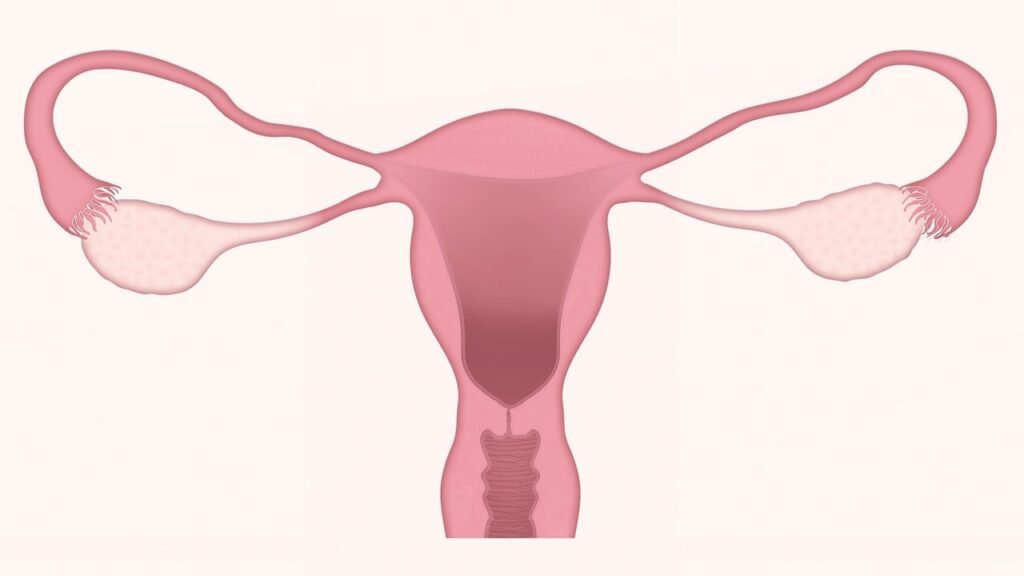
An AMH blood test measures anti-Müllerian hormone in a blood sample. AMH is involved in reproductive development before birth, but in adult fertility care it is best known as a marker of ovarian reserve. In people with ovaries, AMH is produced by granulosa cells around small developing follicles. Because the number of these follicles generally declines with age, AMH often declines across the reproductive lifespan.
AMH is different from many other fertility hormones. Follicle-stimulating hormone, estradiol, luteinizing hormone, and progesterone can change substantially across the menstrual cycle. AMH is relatively more stable during the cycle, which is why clinicians often allow the test to be drawn on almost any day. That convenience is one reason AMH has become common in fertility evaluations and in planning ovarian stimulation for assisted reproductive technology.
However, “ovarian reserve” is often misunderstood. It refers mainly to quantity—the remaining pool of eggs or follicles—not the genetic health or developmental potential of those eggs. Two people with the same AMH can have different chances of pregnancy depending on age, ovulation, fallopian tube status, sperm factors, endometriosis, uterine factors, metabolic health, prior pregnancies, and other clinical details.
What does AMH measure?
AMH is an indirect measure. It does not count eggs directly. Instead, it reflects activity from small follicles that are early in development. In fertility treatment, that information can help estimate how many follicles may respond when the ovaries are stimulated with medication.
| Question | What AMH can help with | What AMH cannot do alone |
|---|---|---|
| Ovarian reserve | Estimate whether ovarian reserve appears lower, average, or higher for age. | Count the exact number of eggs remaining. |
| IVF or egg-freezing planning | Help predict ovarian response and guide medication dosing discussions. | Guarantee egg yield, embryo quality, pregnancy, or live birth. |
| Natural fertility | Provide one piece of context when infertility is being evaluated. | Reliably predict whether or how quickly someone will conceive naturally. |
| PCOS evaluation | Sometimes support the picture when AMH is high and symptoms fit. | Diagnose PCOS without symptoms, cycle history, and other testing. |
| Menopause or primary ovarian insufficiency | Support evaluation when AMH is very low for age and symptoms fit. | Predict the exact date of menopause. |
Why might a clinician order an AMH test?
The most common adult reason for AMH testing is fertility evaluation. A clinician may order it if you are having trouble conceiving, planning IVF, considering egg freezing, or have risk factors for diminished ovarian reserve. Risk factors can include prior ovarian surgery, chemotherapy, pelvic radiation, certain genetic conditions, a strong family history of early menopause, or medical conditions that may affect ovarian function.
AMH can also be used outside routine fertility workups. Very low values may be part of an evaluation for primary ovarian insufficiency or early menopause when symptoms and other hormones support that question. High AMH can be seen in some people with polycystic ovary syndrome (PCOS), because PCOS is often associated with many small follicles. AMH may also be used by specialists for certain ovarian tumors, particularly granulosa cell tumors, and in pediatric endocrinology to evaluate testicular tissue or differences of sex development. Those uses require specialist interpretation and are not the same as consumer fertility screening.
How to prepare for an AMH blood test
Preparation is usually minimal. MedlinePlus notes that no special preparation is typically required for an AMH test. A health professional draws blood from a vein, usually in the arm, and the collection itself generally takes only a few minutes.
Do you need to fast?
Fasting is usually not required for AMH alone. If your clinician ordered other tests at the same visit—such as glucose, insulin, a lipid panel, or certain metabolic tests—those may have separate fasting instructions. Follow the instructions for the full lab order, not just AMH.
What cycle day is best?
AMH is often considered cycle-day independent, meaning it can usually be measured at any point in the menstrual cycle. In practice, fertility clinics may still schedule it on cycle day 2, 3, or 4 if they are drawing AMH with FSH, estradiol, or performing a baseline ultrasound at the same visit. If your periods are irregular, absent, or you recently stopped hormonal contraception, ask whether timing matters for your specific evaluation.
Can birth control affect AMH?
Hormonal contraception may lower AMH in some people, and professional guidance recommends interpreting AMH cautiously in current hormonal contraceptive users. That does not mean the result is useless, but it may not reflect your untreated baseline. Do not stop contraception solely to change a lab number without discussing pregnancy prevention, cycle goals, and timing with your clinician.
What medications or supplements should you mention?
Tell the ordering clinician and laboratory about fertility medications, recent ovarian stimulation, hormone therapy, and high-dose supplements. Mayo Clinic Laboratories notes that some fertility-related medications may interfere with its specific AMH assay and that results from different assay methods are not interchangeable. If your result does not fit the clinical picture, repeating the test at the same lab or reviewing possible interferences may be reasonable.
What happens during the test?
The AMH test is a standard venous blood draw. You may feel a brief sting when the needle is inserted. Afterward, mild bruising, tenderness, or light bleeding at the site can occur and usually resolves quickly. Serious complications are uncommon, but let the phlebotomist know if you have a history of fainting with blood draws, difficult veins, bleeding disorders, or anticoagulant use.
Turnaround time depends on the lab and ordering workflow. Many outpatient labs return AMH results within a few business days, but specialty send-out testing can take longer. If the result will influence medication dosing for an upcoming fertility cycle, confirm when the result must be available.
How AMH results are reported
AMH is commonly reported in ng/mL in the United States, though some reports use pmol/L. The approximate conversion is:
- ng/mL to pmol/L: multiply by about 7.14
- pmol/L to ng/mL: divide by about 7.14
Be careful when comparing numbers from articles, forums, fertility clinics, or friends. A value of 10 may be high if it is ng/mL but not the same if it is pmol/L. Also, laboratories use different assays and reference intervals. Mayo Clinic Laboratories specifically cautions that AMH immunoassays are not standardized and values from different methods or kits may differ.
What is a normal AMH level?
There is no single “normal AMH” that applies to everyone. AMH varies by age, sex, pubertal stage, pregnancy status, medical history, and laboratory method. In adult ovarian reserve testing, a value that is expected for a 24-year-old may be different from what is expected for a 42-year-old.
The following table is a practical interpretation framework, not a diagnostic scale. Your own report’s reference interval and your clinician’s interpretation should take priority.
| Pattern on report | Possible meaning in adult fertility care | Important caution |
|---|---|---|
| Lower than expected for age | May suggest diminished ovarian reserve or a lower expected response to ovarian stimulation. | Does not prove you cannot conceive naturally and does not measure egg quality. |
| Within expected range for age | May suggest ovarian reserve is not obviously low by this marker. | Does not rule out ovulation, tubal, uterine, sperm, endometriosis, or age-related egg-quality factors. |
| Higher than expected for age | May occur with a high antral follicle count and can be seen in PCOS or high ovarian response. | Does not diagnose PCOS by itself and may signal a need for careful stimulation planning. |
| Very low or undetectable | May be seen near menopause, with primary ovarian insufficiency, after some cancer treatments, or with markedly diminished ovarian reserve. | Needs clinical correlation; intermittent ovulation and pregnancy can still occur in some situations before menopause. |
Low AMH: what it may mean
A low AMH result usually means the measured AMH is lower than expected for the person’s age or clinical context. In fertility care, this may suggest a smaller pool of recruitable follicles and a higher chance of retrieving fewer eggs during IVF or egg freezing. It can influence stimulation protocol, medication dose, counseling about expected egg yield, and urgency of evaluation.
Low AMH is emotionally difficult for many people because it is often presented as a countdown. A more accurate framing is that AMH is a planning tool, not a verdict. In people who are trying to conceive without fertility treatment, AMH alone is a poor predictor of natural pregnancy potential. ASRM states that ovarian reserve markers are useful for predicting oocyte yield in controlled ovarian stimulation but are poor predictors of reproductive potential independently from age. ACOG similarly cautions that a single AMH level in women with presumed fertility should not be used to counsel patients about time to pregnancy.
If your AMH is low, useful next questions include: How does this compare with my age? Was I using hormonal contraception? Should the test be repeated? What is my antral follicle count? Am I ovulating? Is my partner or sperm source being evaluated? Are there symptoms suggesting endometriosis, thyroid disease, PCOS, or another factor? The next step is usually not “treat the AMH,” but rather understand the broader fertility picture.
High AMH: what it may mean
A high AMH result often indicates a higher number of small follicles. In a fertility clinic, that can suggest a stronger response to ovarian stimulation. This may be helpful for egg yield, but it can also increase the need for careful dosing because very high responders may have a higher risk of ovarian hyperstimulation syndrome during assisted reproduction.
High AMH can also be seen in PCOS, especially when menstrual cycles are irregular and there are symptoms such as acne, excess facial or body hair, or metabolic concerns. AMH alone should not be used to diagnose PCOS. Diagnosis usually depends on a combination of cycle history, clinical or biochemical androgen excess, ultrasound findings when appropriate, and exclusion of other causes.
Rarely, AMH can be used in the evaluation or monitoring of ovarian granulosa cell tumors. This is a specialist use and should be interpreted in the context of imaging, symptoms, pathology, and other tumor markers.
AMH, age, and egg quality
One of the most important limitations of AMH is that it does not measure egg quality. Egg quality is closely tied to age, especially chromosomal normality. A younger person with low AMH may produce fewer eggs during stimulation, but the eggs retrieved may still have a younger age-related quality profile. An older person with a higher AMH may produce more eggs than peers, but age-related embryo aneuploidy risk may still be higher.
This distinction matters for decision-making. AMH can help estimate quantity and response; age helps contextualize quality and probability. Fertility counseling should integrate both, along with diagnosis and treatment goals.
AMH compared with FSH, estradiol, and antral follicle count
AMH is often ordered with other fertility tests because each test answers a different question.
| Test | What it helps assess | Common limitation |
|---|---|---|
| AMH | Ovarian reserve and expected response to stimulation. | Does not predict natural conception well by itself. |
| FSH | Pituitary signal to stimulate ovarian follicles, often checked early in the cycle. | Can vary from cycle to cycle and may look deceptively normal if estradiol is high. |
| Estradiol | Estrogen activity and context for interpreting early-cycle FSH. | Not an ovarian reserve test by itself. |
| Antral follicle count | Ultrasound count of small follicles, often used with AMH. | Depends on ultrasound timing, equipment, and operator experience. |
| Progesterone | Evidence of ovulation when timed in the luteal phase. | Does not measure ovarian reserve. |
Cost and ordering considerations
AMH may be ordered by an OB-GYN, reproductive endocrinologist, primary care clinician, endocrinologist, oncologist, or pediatric specialist, depending on the reason for testing. Some direct-order lab services also offer AMH testing without an in-person visit. If you are paying out of pocket, compare the effective total cost, not just the advertised test price. The total may include the lab test, blood draw or collection fee, clinician authorization fee, platform fee, and any follow-up visit needed to interpret the result.
Insurance coverage varies. AMH may be covered when it is part of an infertility evaluation, cancer-treatment planning, endocrine evaluation, or another medically documented indication, but it may be denied when used as elective fertility screening. Before testing, ask whether the order will be billed to insurance, whether prior authorization is required, which diagnosis code is being used, and what your self-pay option would cost if coverage is denied.
If you are comparing self-pay options, use a simple formula: test price + required provider or platform fee + draw fee + shipping or handling fee, if any = effective total cost. Availability can also vary by state and collection network. If price is a major factor, you can and confirm the final checkout cost before ordering.
What to do after you get your AMH result
Your best next step depends on why the test was ordered.
- If you are trying to conceive: Review the result with a clinician who can consider your age, cycle pattern, duration of trying, ovulation, partner or sperm testing, and medical history.
- If you are under 35 and have regular cycles: Many guidelines use 12 months of trying without pregnancy as a common point for fertility evaluation, unless symptoms or risk factors justify earlier care.
- If you are 35 or older: Evaluation is often recommended after 6 months of trying without pregnancy. If you are over 40, many clinicians recommend earlier individualized evaluation.
- If AMH is very low for age: Ask whether an antral follicle count, repeat AMH, FSH/estradiol, thyroid testing, prolactin, or referral to reproductive endocrinology is appropriate.
- If AMH is high with irregular periods: Ask about PCOS evaluation, androgen testing, metabolic screening, and ovulation status.
- If testing was done before chemotherapy or pelvic radiation: Ask about fertility preservation timing and whether urgent referral is needed before treatment begins.
Try not to make major reproductive decisions from AMH alone. A result can clarify options, but it should not replace individualized counseling.
Common misunderstandings about AMH
“Low AMH means I am infertile.”
Not necessarily. Low AMH may predict a lower response to ovarian stimulation, but it does not prove that natural conception is impossible. Fertility depends on many factors, including ovulation, tubes, sperm, uterine factors, timing, and age.
“High AMH means I am very fertile.”
Not necessarily. High AMH may mean more small follicles, but it can also be seen with PCOS or high response risk. It does not guarantee ovulation, egg quality, embryo quality, pregnancy, or live birth.
“AMH tells me exactly when menopause will happen.”
No. AMH tends to decline as menopause approaches, and very low values can support evaluation of early menopause or primary ovarian insufficiency. But AMH cannot accurately predict the exact timing of menopause for an individual.
“I can improve AMH with supplements.”
Be cautious. Many supplements are marketed for ovarian reserve, but raising the AMH number is not the same as improving egg quality or live-birth odds. Discuss supplements with your clinician, especially if you are taking fertility medications, anticoagulants, thyroid medication, or have a cancer history.
FAQs
What does an AMH blood test show?
An AMH blood test shows the amount of anti-Müllerian hormone in your blood. In adult fertility care, it is mainly used as a marker of ovarian reserve and expected response to ovarian stimulation. It does not directly measure egg quality or guarantee pregnancy chances.
Do I need to fast for an AMH test?
Usually no. AMH alone typically does not require fasting. If your clinician ordered other blood tests at the same time, follow the instructions for the entire lab order.
Can AMH be tested during my period?
Yes, AMH can often be tested during your period or on another cycle day. Some clinics schedule it during cycle days 2–4 because they are also checking FSH, estradiol, or doing a baseline ultrasound.
What is a good AMH level for age?
There is no universal “good” number. AMH should be interpreted against age-specific and lab-specific reference ranges. A value that is typical at one age may be low or high at another.
Does low AMH mean I need IVF?
Not automatically. Low AMH may be relevant if you are already pursuing fertility treatment or have been trying without success, but it does not by itself mean IVF is required. Your clinician may consider your age, duration of trying, ovulation, sperm testing, tubal status, and goals.
Can AMH diagnose PCOS?
No. High AMH can be associated with PCOS, but PCOS diagnosis requires a broader clinical evaluation, including menstrual pattern, androgen symptoms or lab results, and exclusion of other conditions.
Should I repeat an AMH test?
Sometimes. Repeating may be useful if the result is unexpected, was done while using hormonal contraception, came from a different lab method than prior testing, or does not fit ultrasound findings. Ask whether repeating at the same lab would change management.
Can AMH predict natural pregnancy?
AMH is not reliable as a stand-alone predictor of natural pregnancy or time to pregnancy in people without diagnosed infertility. It is more useful for estimating ovarian response in fertility treatment.
Source Notes
- MedlinePlus — Anti Mullerian Hormone Test
- American Society for Reproductive Medicine: Testing and interpreting measures of ovarian reserve
- American College of Obstetricians and Gynecologists: The use of antimüllerian hormone in women not seeking fertility care
- CDC: Infertility Frequently Asked Questions