Medical & affiliate disclosure: CTX Stat provides educational laboratory information and is not a substitute for professional medical advice, diagnosis, or treatment. CTX Stat may receive compensation from some outbound provider links when an affiliate program is active; provider comparisons and rankings are based on consumer fit, effective cost, access, policies, and reputation—not commission.
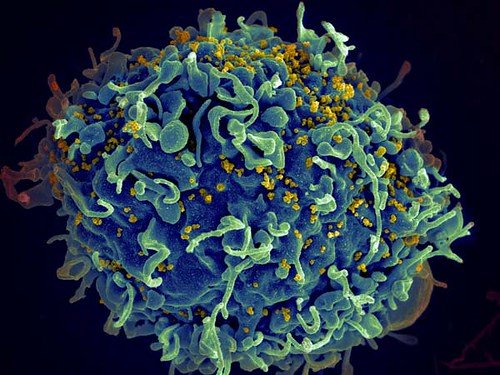
An HIV blood test is a laboratory or point-of-care test that looks for evidence of infection with human immunodeficiency virus, the virus that can lead to AIDS if untreated. Depending on the test type, it may detect HIV antibodies, HIV-1 p24 antigen, or HIV genetic material in the blood. For most routine screening in the United States, the preferred laboratory test is a blood-based HIV antigen/antibody test, sometimes called a “4th-generation” HIV test.
HIV testing is common, confidential, and medically important because early diagnosis allows people to start effective treatment, protect their immune system, and reduce the chance of transmitting HIV to others. The Centers for Disease Control and Prevention recommends that everyone ages 13 to 64 be tested for HIV at least once, with more frequent testing for people with ongoing risk. The U.S. Preventive Services Task Force recommends HIV screening for adolescents and adults ages 15 to 65, younger adolescents and older adults at increased risk, and all pregnant people.
Quick take
- What it measures: HIV antibodies, HIV-1 p24 antigen, or HIV RNA, depending on the test ordered.
- Most common blood test: A lab-based HIV-1/2 antigen/antibody test on blood from a vein.
- Preparation: No fasting is needed. Bring ID, insurance information if using insurance, and a list of relevant medications such as PrEP or PEP.
- Timing matters: No HIV test detects infection immediately after exposure. The time before a test can reliably detect infection is called the window period.
- Negative result: Usually means no HIV was detected, but repeat testing may be needed if the test was done during the window period or after a recent exposure.
- Reactive or positive result: Requires confirmatory testing. A reactive screening result alone is not the same as a completed diagnosis.
What an HIV blood test measures
HIV blood testing does not look for symptoms. Instead, it looks for biological markers of HIV infection. The marker depends on the test:
- HIV antibodies: Proteins made by the immune system in response to HIV. Antibodies take time to develop after exposure.
- HIV-1 p24 antigen: A viral protein that may become detectable before antibodies during early infection.
- HIV RNA: Genetic material from the virus itself, detected by a nucleic acid test, also called NAT.
Most modern laboratory screening begins with a combined HIV-1/2 antigen/antibody immunoassay. This type of blood test screens for HIV-1 and HIV-2 antibodies and HIV-1 p24 antigen. The CDC laboratory testing recommendations describe a stepwise approach: start with an antigen/antibody combination test, follow a reactive result with an HIV-1/HIV-2 antibody differentiation test, and use an HIV-1 NAT when results suggest possible acute infection or are otherwise discordant.
HIV-1 is the most common type worldwide and in the United States. HIV-2 is less common and is concentrated in certain regions, particularly West Africa, but U.S. laboratory algorithms are designed to help distinguish HIV-1 from HIV-2 when confirmatory testing is needed.
Types of HIV blood tests
People often use the phrase “HIV blood test” to describe several different tests. The differences matter because each test has a different purpose, specimen type, turnaround time, and window period.
| Test type | What it detects | Common specimen | Typical role |
|---|---|---|---|
| Lab HIV antigen/antibody test | HIV-1/2 antibodies and HIV-1 p24 antigen | Blood from a vein | Most common routine lab screening test; detects infection earlier than antibody-only tests |
| Rapid antigen/antibody test | Antibodies and antigen, depending on the device | Usually fingerstick blood | Point-of-care screening with results often available during the visit |
| Antibody-only blood test | HIV antibodies | Fingerstick blood or venous blood | Rapid screening or self-testing; may take longer after exposure to turn positive |
| HIV nucleic acid test | HIV RNA | Blood from a vein | Early infection evaluation, discordant results, or specific clinical situations; not usually the first routine screening test |
The NIH HIVinfo testing overview groups HIV diagnostic tests into three main categories: antibody tests, antigen/antibody tests, and nucleic acid tests. In practical terms, a lab-based antigen/antibody blood test is often the best balance of early detection, accuracy, availability, and cost for routine screening.
Is a blood test better than an oral-fluid HIV test?
Blood-based tests generally detect HIV earlier than oral-fluid antibody tests. Oral-fluid self-tests can be useful for privacy and convenience, but they are antibody tests and may miss very recent infection. If you had a recent possible exposure, symptoms of acute HIV, or a reactive self-test, a blood test through a clinic, laboratory, or public health testing site is usually the better next step.
The FDA has approved over-the-counter HIV self-tests for home use, including oral-fluid and fingerstick options, but the agency also warns consumers about unapproved HIV blood sample self-collection kits. If you are buying a home test, check that it is FDA-authorized and follow the instructions exactly. The FDA’s consumer information explains that unapproved kits may not have been reviewed for reliable performance.
When to test after possible HIV exposure
Timing is one of the most important parts of HIV result interpretation. A negative test too soon after exposure may be reassuring, but it may not be conclusive. The window period is the time between a possible exposure and the point when a test can detect HIV if infection occurred.
According to the CDC, approximate window periods are:
- NAT: Usually detects HIV 10 to 33 days after exposure.
- Lab antigen/antibody test using blood from a vein: Usually detects HIV 18 to 45 days after exposure.
- Rapid antigen/antibody test using fingerstick blood: Usually detects HIV 18 to 90 days after exposure.
- Antibody test: Usually detects HIV 23 to 90 days after exposure.
These ranges are why the kind of test matters. A negative lab antigen/antibody test at 3 weeks after exposure means something different from a negative antibody-only self-test at 3 weeks. If you test before the end of the relevant window period, repeat testing may be recommended.
If exposure happened within the last 72 hours
Testing is important, but prevention can be urgent. Post-exposure prophylaxis, or PEP, is a medication regimen that may reduce the chance of HIV infection after a possible exposure if started as soon as possible and within 72 hours. The CDC’s 2025 nPEP recommendations advise prompt evaluation after sexual, injection-drug-use, or other nonoccupational exposures. Do not wait for a future test date if you may need PEP now.
Symptoms do not replace testing
Some people develop flu-like symptoms during acute HIV infection, such as fever, sore throat, rash, swollen lymph nodes, muscle aches, or fatigue. These symptoms are not specific to HIV and can occur with many common infections. Other people have no noticeable symptoms. The only way to know your HIV status is to test at an appropriate time and complete any recommended follow-up testing.
How to prepare for an HIV blood test
For most HIV blood tests, preparation is simple.
- No fasting is required. You can usually eat and drink normally before the test.
- Bring identification and payment or insurance information if the testing site requires it. Some public health and community testing programs offer free or low-cost testing without the same billing process as a medical office.
- Know the date of your most recent possible exposure. This helps the clinician or counselor choose the right test and decide whether repeat testing is needed.
- Tell the testing professional if you take PrEP or recently took PEP. HIV prevention medications can affect follow-up planning, especially if there is concern for very recent infection.
- Ask what test is being used. If you are unsure whether the test is antigen/antibody, antibody-only, rapid, or NAT, ask before or after collection so you can interpret the window period correctly.
During a venous blood draw, a phlebotomist cleans the skin, places a needle into a vein, and collects blood into one or more tubes. The draw usually takes only a few minutes. Fingerstick rapid tests use a small lancet to collect a drop of blood. Some rapid tests provide preliminary results in 30 minutes or less; laboratory results may take a day or several days depending on the site and ordering process.
How to read HIV blood test results
HIV test reports can use different words, including “nonreactive,” “negative,” “reactive,” “positive,” “preliminary positive,” “indeterminate,” or “invalid.” The wording depends on the test type and whether confirmatory testing has been completed.
| Result wording | What it usually means | Common next step |
|---|---|---|
| Nonreactive or negative | No HIV marker was detected by that test | No further testing may be needed if the test was after the window period and there was no later exposure; repeat testing may be needed after recent exposure |
| Reactive or preliminary positive | The screening test detected a marker that may indicate HIV | Confirmatory testing is needed before final interpretation |
| Positive with confirmed differentiation test | HIV antibodies were confirmed and may identify HIV-1, HIV-2, or both | Prompt linkage to HIV care, baseline labs, and treatment planning |
| Reactive screening test but negative or indeterminate differentiation test | Could represent very early HIV infection or a false-reactive screen | HIV-1 NAT is typically used to help distinguish acute infection from a false-positive screening result |
| Invalid | The test did not run correctly or the sample was not adequate | Repeat testing with a new specimen |
Negative HIV blood test
A negative result means the test did not detect HIV markers in the specimen. If your last possible exposure was before the window period for that test, and you have had no possible exposure since, a negative result is generally considered reliable. If testing occurred inside the window period, repeat testing after the window period is the usual way to confirm the result.
For people with ongoing exposure risk, a negative result is not a permanent status. It means no HIV was detected at that point in time. Depending on risk, clinicians may recommend periodic screening, PrEP discussion, condom use, safer injection practices, STI screening, or partner testing.
Reactive or positive HIV blood test
A reactive screening test needs follow-up. Modern screening tests are highly accurate, but false-reactive results can occur, and early infection can produce patterns that require additional testing. That is why the diagnostic process uses a sequence rather than relying on one screening result alone.
If HIV is confirmed, the next step is medical care, not panic. HIV treatment with antiretroviral therapy can reduce the amount of virus in the body to very low levels, protect the immune system, and help people live long, healthy lives. The HIV.gov consumer resource explains that people who are diagnosed early and get and stay on HIV medicine can maintain viral suppression and protect their health.
Indeterminate or discordant result
An indeterminate or discordant result can be stressful, but it does not automatically mean HIV is present. It means the available pattern is not enough for a final answer. This can happen during very early infection, after technical or specimen issues, or because of a false-reactive screening test. Follow the laboratory or clinician’s instructions for NAT or repeat testing, and avoid assuming the result until the diagnostic sequence is complete.
Cost, insurance, and where to get an HIV blood test
HIV blood testing is available through primary care offices, sexual health clinics, community health centers, local health departments, hospitals, pharmacies, outreach programs, and direct-to-consumer lab ordering services. HIV.gov notes that HIV testing is generally covered by insurance and that free options are available for people without insurance; its HIV testing locator information points consumers to local testing sites and self-test options.
If you have health insurance, HIV screening may be covered as preventive care when it meets plan rules and is performed by an in-network provider. HealthCare.gov explains that most Marketplace and many other health plans must cover specified preventive services without cost sharing when delivered by an in-network medical provider, although coverage can vary and $0 cost is not guaranteed in every circumstance.
- Is the listed price for an antigen/antibody test, antibody-only test, or NAT?
- Does the price include the lab draw, provider order, and result review?
- If the screen is reactive, is confirmatory testing included or billed separately?
- Are there state restrictions on online ordering?
- How will results be delivered, and what support is available for urgent or reactive results?
- Will insurance be billed, or is this a cash-pay-only order?
Free or reduced-cost testing is often available through local health departments, community-based organizations, federally qualified health centers, and public health testing events. The CDC’s GetTested locator can help find nearby confidential HIV and STI testing services.
Limitations of HIV blood testing
HIV blood tests are powerful tools, but they have limitations. The most important limitation is the window period. No test can detect HIV immediately after exposure. Testing too early can produce a negative result even if infection later becomes detectable.
Other limitations include:
- Screening tests are not the full diagnostic algorithm. A reactive result needs confirmatory testing.
- Test type affects interpretation. Antibody-only tests, rapid tests, lab antigen/antibody tests, and NATs do not have the same window period.
- Home tests require careful instruction-following. An incorrectly performed self-test can produce an invalid or misleading result.
- Recent PrEP or PEP use may require expert interpretation. If you used HIV prevention medication around the time of exposure, a clinician may recommend a specific follow-up schedule.
- Infants require different testing. Babies born to a parent with HIV exposure or HIV infection are evaluated with specialized pediatric algorithms, often involving virologic testing rather than standard antibody-only interpretation.
Practical next steps based on your situation
If you are testing routinely
A lab-based HIV antigen/antibody blood test is a common routine screening choice. If it is negative and there has been no recent exposure inside the window period, ask how often you should retest based on your health history, partners, STI history, and prevention plan.
If you had a possible exposure recently
If the exposure was within 72 hours, seek urgent medical advice about PEP. If more time has passed, ask which test best fits the timing. A NAT may be considered when acute HIV is suspected, while a lab antigen/antibody test is commonly used for routine post-exposure screening and follow-up.
If your result is reactive
Arrange confirmatory testing promptly. If testing was done at a community site or with a self-test, contact a clinic, health department, or healthcare professional for the next step. Avoid making major medical conclusions from a single preliminary screen.
If your result is negative but anxiety remains high
Check the test type and the exposure date. Many people feel uncertain because they do not know whether they took an antibody-only test, antigen/antibody test, or NAT. Once you know the test and timing, a clinician or testing counselor can explain whether repeat testing is medically needed.
FAQs about HIV blood tests
What is the best HIV blood test for routine screening?
For routine laboratory screening, a blood-based HIV-1/2 antigen/antibody test is commonly preferred because it detects both antibodies and HIV-1 p24 antigen. It usually identifies infection earlier than antibody-only tests and is widely available through clinics and labs.
How soon can an HIV blood test detect infection?
It depends on the test. CDC information states that NATs usually detect HIV 10 to 33 days after exposure, lab antigen/antibody tests using blood from a vein usually detect HIV 18 to 45 days after exposure, and antibody tests usually detect HIV 23 to 90 days after exposure.
Do I need to fast before an HIV blood test?
No. HIV blood testing does not require fasting. If other labs are ordered at the same visit, those other tests may have separate preparation instructions.
Can a regular blood count show HIV?
No. A complete blood count can show general information about blood cells, but it cannot diagnose or rule out HIV. HIV requires a specific HIV test.
Is a negative HIV blood test conclusive?
A negative result is most reliable when the test was taken after the window period for that specific test and there has been no later exposure. If testing was done too soon, repeat testing may be recommended.
What does a reactive HIV test mean?
Reactive means the screening test detected a signal that may indicate HIV. It does not always mean a final diagnosis. Confirmatory testing is needed to determine whether HIV is present and, if so, whether it is HIV-1, HIV-2, or both.
Can HIV tests be wrong?
Yes, although modern HIV tests are highly accurate when used at the right time and interpreted correctly. False-reactive screening results and false-negative results during the window period are the main reasons confirmatory and repeat testing are sometimes needed.
Does taking PrEP affect HIV test results?
PrEP is highly effective when taken as prescribed, but people taking PrEP still need regular HIV testing. If HIV infection is suspected while taking PrEP or after missed doses, clinicians may use specific testing strategies, sometimes including NAT, to evaluate early infection.
Can I get an HIV blood test anonymously?
Availability depends on state law and the testing site. Many health departments and community programs offer confidential testing, and some may offer anonymous testing. Ask the site how your name, contact information, and results are handled before testing.
What should I do if I used an at-home HIV test and it was positive?
Contact a healthcare professional, clinic, or local health department for confirmatory blood testing. A positive self-test should be taken seriously, but it needs confirmation through an approved diagnostic process.
Source Notes
- CDC — Centers for Disease Control and Prevention
- USPSTF: HIV Screening Recommendation
- CDC/APHL: Laboratory Testing for the Diagnosis of HIV Infection
- NIH HIVinfo testing overview
- FDA — Important Information Use Unapproved Human Immunodeficiency Virus Hiv Blood Sample Self Collection
- CDC HIV Nexus: Clinical Testing Guidance for HIV
- CDC’s 2025 nPEP recommendations
- HIV testing locator information
- healthcare.gov — Preventive Care Benefits
- CDC’s GetTested locator