
Medical & affiliate disclosure: CTX Stat provides educational laboratory information and is not a substitute for professional medical advice, diagnosis, or treatment. CTX Stat may receive compensation from some outbound provider links when an affiliate program is active; provider comparisons and rankings are based on consumer fit, effective cost, access, policies, and reputation—not commission.
- Included: advertised test price, mandatory requisition or physician-order fees, and required provider fees disclosed before or during ordering.
- Not included: optional mobile phlebotomy, optional in-home collection, coupon codes that may not be available to every reader, travel costs, follow-up clinician visits, or additional tests your clinician may recommend.
- Availability checked: whether haptoglobin is available as a standalone test or only within a panel, whether the provider uses a national collection network, and whether common state restrictions are disclosed.
- Consumer-satisfaction evidence: public review patterns were considered as ordinary consumer context, but they were not used to rank providers by medical quality.
What a haptoglobin blood test measures
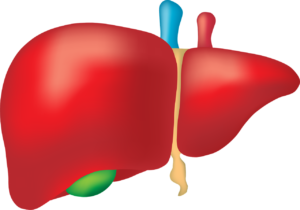
A haptoglobin test measures the amount of haptoglobin in blood. Haptoglobin is a liver-made protein that binds free hemoglobin released outside red blood cells. After haptoglobin binds hemoglobin, the complex is cleared from circulation, mainly through the liver and reticuloendothelial system.
The test is most often used in the evaluation of hemolysis, which means red blood cells are being destroyed faster than expected. MedlinePlus explains that when red blood cells are damaged and release extra hemoglobin, haptoglobin may be used up faster than the liver can make it, causing the blood haptoglobin level to fall. Mayo Clinic Laboratories lists haptoglobin as useful for confirmation of intravascular hemolysis and notes that the common method is nephelometry.
Haptoglobin is rarely interpreted by itself. A low result can support hemolysis, but it does not prove the cause. A clinician usually compares haptoglobin with hemoglobin, hematocrit, reticulocyte count, bilirubin, lactate dehydrogenase, peripheral smear findings, liver tests, symptoms, medication history, and recent transfusion history.
When paying for haptoglobin may make sense
A haptoglobin blood test may be worth paying for when you and a clinician are trying to clarify whether anemia, jaundice, dark urine, or an abnormal CBC could involve red blood cell destruction. MedlinePlus lists common reasons for testing such as weakness or fatigue, pale skin, shortness of breath, dizziness, arrhythmia, jaundice, dark urine, and evaluation after a blood transfusion.
Self-pay ordering may be practical if you have a high deductible, no insurance, a clinician suggested the test but you need an upfront cash price, or you are comparing online lab-ordering options before deciding where to have blood drawn. However, haptoglobin is not a general wellness screening test. It is most useful when there is a specific question about hemolysis, liver disease, transfusion reaction, or a related blood disorder.
Seek timely medical care rather than simply ordering a self-pay test if you have severe shortness of breath, chest pain, fainting, rapid worsening fatigue, yellowing of the skin or eyes, cola-colored urine, pregnancy with concerning symptoms, or symptoms after a recent blood transfusion. Lab results can help, but they do not replace urgent evaluation when symptoms are significant.
Preparation, blood draw, turnaround time, and result basics
Preparation
MedlinePlus states that no special preparation is needed for a haptoglobin test. Some commercial lab pages, including Walk-In Lab’s haptoglobin listing, prefer overnight fasting and avoiding exercise before collection. If your lab order gives preparation instructions, follow that order because it controls how your specimen will be accepted and processed.
Do not stop prescription medications just to “clean up” a haptoglobin result unless your clinician tells you to. MedlinePlus and UCSF Health note that some medicines may affect haptoglobin levels; examples include corticosteroids and androgens increasing levels, while some other medications may lower levels. Labcorp also cautions that inflammation or steroid therapy can make normal concentrations less reassuring when hemolysis is still clinically suspected.
Blood draw
The test is a standard venous blood draw. A phlebotomist collects blood from a vein, usually in the arm. The collection itself generally takes only a few minutes, though wait time depends on the patient service center. Mayo Clinic Laboratories lists serum as the specimen type for its haptoglobin test, with a serum gel tube preferred and a red-top tube acceptable.
Turnaround time
Turnaround varies by lab and provider. Walk-In Lab lists typical haptoglobin results in 2–4 days. Mayo Clinic Laboratories lists report availability of 1–3 days for its haptoglobin serum test. Quest Health’s anemia panel page says results are typically available within 2–3 business days after sample collection, including processing, testing, and clinical review. Delays can happen because of holidays, weather, specimen issues, or reflex review.
Interpreting low, normal, and high haptoglobin
Low haptoglobin can be seen with hemolytic anemia, liver disease, transfusion reactions, severe liver damage, and other situations. Mayo cautions that low haptoglobin can be difficult to interpret from a single measurement because congenital anhaptoglobinemia occurs in some people, and low levels are normal in infants during the first months of life.
Normal haptoglobin does not always exclude hemolysis. Haptoglobin is an acute-phase reactant, which means it can rise during inflammation or tissue injury. If a person has both hemolysis and inflammation, the value may be less obviously low than expected. This is why clinicians usually interpret it with LDH, bilirubin, reticulocytes, CBC results, and the clinical picture.
High haptoglobin is less commonly the main reason for ordering the test. MedlinePlus notes that high levels may be associated with inflammatory conditions, severe infection, ulcerative colitis, rheumatic disease, or diabetes, but haptoglobin is not usually used by itself to diagnose or monitor those conditions.
Provider notes: cost, availability, and public reviews
Ulta Lab Tests
Best fit: price-sensitive shoppers who want a low haptoglobin-only total and have an accessible Quest collection site. The listed haptoglobin test cost is low, but the required requisition charge must be counted. Public Trustpilot data shows a 4.5 rating from 144 reviews, with common positive themes around price, website ease, and quick results, while some negative themes involve delays, scheduling, or technical issues.
Jason Health
Best fit: shoppers who prefer a simple Quest-based workflow and are ordering one or more tests through a single per-order fee. Jason Health states that after payment there are no additional lab charges and that results are usually delivered online in 1–3 days for many tests. Its public Trustpilot profile shows a 4.4 rating from 28 reviews, a smaller review base than some competitors, with positive comments commonly mentioning ease and price.
Walk-In Lab
Best fit: shoppers who want an established online lab-ordering provider, the option to choose among major lab networks when available, and a haptoglobin page with clear test details. Walk-In Lab’s haptoglobin page shows $99 plus a $6 per-order physician fee. Its Verified Reviews profile shows a 4.9 rating with more than 22,000 total reviews since 2018 and recent review themes around convenience, ease, and quick results, with occasional complaints about result access or process friction.
Quest Health anemia panel
Best fit: shoppers who do not want haptoglobin by itself and prefer a broader anemia panel ordered directly through Quest’s consumer platform. Quest Health’s Basic Anemia Test Panel is listed at $179 and includes haptoglobin along with other anemia-related markers. Quest Health also states that Quest lab tests have an additional physician service fee starting at $6. Public Trustpilot data for questhealth.com shows no reviews on that specific profile, so consumer-review evidence is limited there.
Should you order haptoglobin alone or as part of a panel?
Standalone haptoglobin is usually cheapest when you already know that haptoglobin is the missing piece. For example, a clinician may have already ordered a CBC, bilirubin, reticulocyte count, and LDH, and you are trying to add haptoglobin at a predictable cash price.
A panel may be better when you do not yet have the surrounding tests needed to interpret haptoglobin. MedlinePlus lists reticulocyte count, hemoglobin, hematocrit, lactate dehydrogenase, blood smear, and CBC as tests that may be ordered to help diagnose the cause of abnormal haptoglobin or anemia symptoms. Paying for haptoglobin alone may save money upfront but lead to another blood draw if the result cannot be interpreted without companion markers.
How to avoid overpaying
- Compare the final cart total. Required order fees change the true cost.
- Check collection sites first. A low price is less useful if the nearest participating lab is inconvenient.
- Confirm state restrictions. NY, NJ, and RI commonly have restrictions for direct-to-consumer lab ordering; some providers also restrict specific lab networks in additional states.
- Avoid duplicate testing. If your clinician recently ordered CBC, reticulocyte count, LDH, or bilirubin, ask whether those recent results are sufficient before buying a bundle.
- Use HSA/FSA only if eligible. Some providers accept HSA/FSA cards, but eligibility depends on your plan rules.
- Share results with a clinician. A low haptoglobin result can be medically important and may require prompt interpretation in context.
FAQs
How much does a haptoglobin blood test cost without insurance?
Common direct-to-consumer standalone options range from about $30.90 to $105 total when required provider fees are counted. Broader anemia panels that include haptoglobin can cost more, such as a Quest Health anemia panel listed at $179 before any applicable physician service fee.
Why is Ulta’s haptoglobin price so much lower?
Ulta’s listed haptoglobin line item is low, and the effective total remains low even after a required requisition charge is added. Lower price does not necessarily mean a different analyte; many online providers use the same national lab networks. Still, you should compare collection convenience, state availability, customer support, and checkout total before ordering.
Can I order a haptoglobin test without a doctor?
In many states, yes. Online lab-ordering providers typically arrange an authorized lab order through their physician network or ordering system. However, direct ordering is restricted in certain states, and the test still needs clinical interpretation.
Is the haptoglobin blood test the same at Quest or Labcorp?
The measured analyte is the same—haptoglobin—but exact methodology, reference range, specimen handling, and reporting format can vary by laboratory. Quest listings commonly identify haptoglobin as Quest test 502, while Labcorp lists haptoglobin as test 001628.
Does a low haptoglobin result mean hemolytic anemia?
Not always. Low haptoglobin can support hemolysis, especially with anemia, high LDH, high indirect bilirubin, and an elevated reticulocyte count. But low levels can also occur with liver disease, recent transfusion-related red cell breakdown, congenital low haptoglobin, or other causes. A clinician should interpret the result with the rest of your labs.
Can inflammation hide a low haptoglobin result?
Yes. Haptoglobin is an acute-phase reactant and may rise during inflammation or tissue injury. Labcorp cautions that during inflammation or steroid therapy, a normal haptoglobin concentration does not rule out hemolysis.
How long do results take?
Typical published timeframes range from about 1–4 business days depending on the lab and provider. Walk-In Lab lists 2–4 days for its haptoglobin blood test, Mayo Clinic Laboratories lists 1–3 days for reporting, and Quest Health lists 2–3 business days for its anemia panel after sample collection.
What should I do if my result is abnormal?
Review it with a licensed clinician, especially if haptoglobin is low or you have symptoms such as jaundice, dark urine, shortness of breath, chest pain, fainting, or rapidly worsening fatigue. Interpretation often requires additional labs and clinical history.