Medical & affiliate disclosure: CTX Stat provides educational laboratory information and is not a substitute for professional medical advice, diagnosis, or treatment. CTX Stat may receive compensation from some outbound provider links when an affiliate program is active; provider comparisons and rankings are based on consumer fit, effective cost, access, policies, and reputation—not commission.
Quick Take
- A reticulocyte count measures young red blood cells. Reticulocytes are immature red blood cells recently released from the bone marrow; they usually mature into red blood cells within about one to two days, according to MedlinePlus.
- A high reticulocyte count usually means your bone marrow is responding to a need for more red blood cells. In the setting of anemia, common reasons include blood loss, red blood cell destruction, or recovery after anemia treatment.
- A low reticulocyte count suggests the marrow is not making or releasing enough new red blood cells for the body’s needs. Causes can include nutrient deficiency, chronic kidney disease, inflammation, bone marrow suppression, certain medicines, or marrow disorders.
- The same number can mean different things depending on your CBC. Reticulocyte results are interpreted with hemoglobin, hematocrit, red blood cell indices, bilirubin, LDH, haptoglobin, iron studies, kidney tests, and symptoms.
- Do not diagnose yourself from reticulocytes alone. The test is a clue about red blood cell production, not a stand-alone diagnosis.
What a reticulocyte count measures
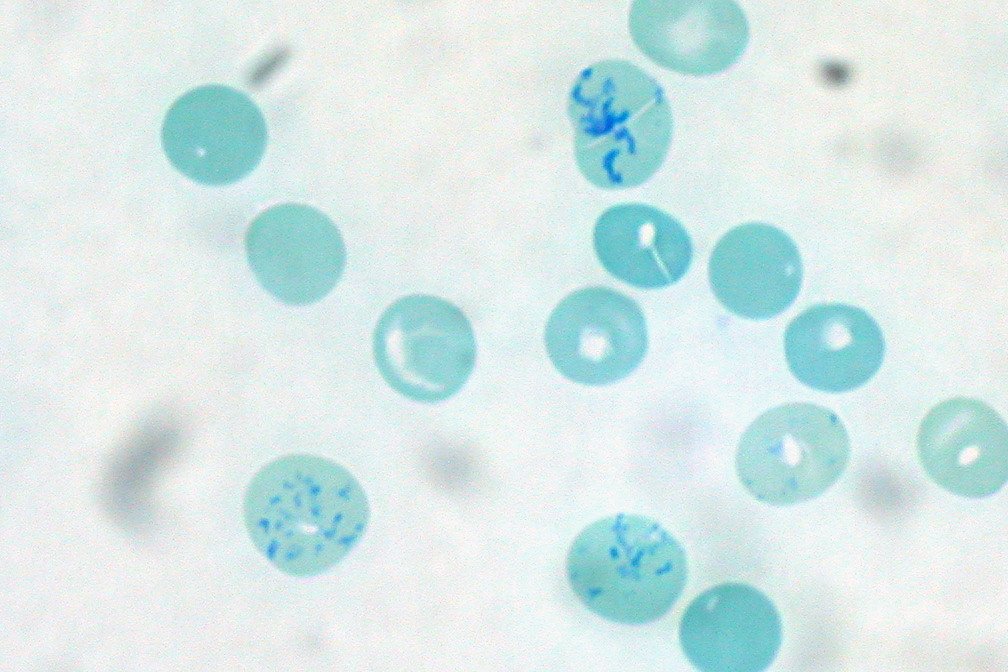
A reticulocyte count, often shortened to “retic count,” is a blood test that helps show how actively your bone marrow is producing red blood cells. Red blood cells carry oxygen through hemoglobin. Reticulocytes are the young version of those cells: they have left the bone marrow but are not fully mature yet.
This test is especially useful when someone has anemia, which means the blood has too little hemoglobin or too few healthy red blood cells to carry oxygen normally. A complete blood count can show that anemia is present; the reticulocyte count helps answer a different question: Is the bone marrow responding appropriately? The Merck Manual Professional Edition describes the reticulocyte count as an important part of anemia evaluation because it helps distinguish decreased red blood cell production from increased red blood cell destruction or blood loss.
Think of the result as a production signal. If red blood cells are being lost or destroyed, a healthy marrow usually tries to compensate by releasing more reticulocytes. If the body lacks the raw materials or marrow function needed to make red blood cells, the reticulocyte count may be low or inappropriately normal even when hemoglobin is low.
What is a normal reticulocyte count?
Reticulocyte reference ranges vary by laboratory, analyzer, age, and reporting method. Many adult reports list a percentage, often roughly around 0.5% to 2.5% of red blood cells, though some laboratories use narrower or different intervals. The Cleveland Clinic notes that adult reticulocyte percentages are commonly reported in this general range, while infants normally have higher values.
Your own lab report’s reference interval matters most. Newborns, infants, pregnant people, people living at high altitude, and people recently treated for anemia may have expected values that differ from a typical adult range.
Common ways reticulocytes appear on a lab report
| Report item | What it means | Why it matters |
|---|---|---|
| Reticulocyte percentage | Reticulocytes as a percent of total red blood cells | Easy to read, but can be misleading when the total red blood cell count is abnormal |
| Absolute reticulocyte count | The number of reticulocytes in a volume of blood | Often more helpful for judging actual marrow output |
| Corrected reticulocyte count or reticulocyte production index | A reticulocyte measure adjusted for the degree of anemia | Helps determine whether the marrow response is adequate when hemoglobin or hematocrit is low |
| Immature reticulocyte fraction (IRF) | The proportion of very young reticulocytes | May rise early when the marrow is stimulated to produce more red blood cells |
| Reticulocyte hemoglobin or RET-He/CHr | An estimate of hemoglobin content in young red blood cells | Can help assess recent iron availability for red blood cell production |
A key point: a “normal” percentage does not always mean the marrow response is normal. If hemoglobin is low, a normal reticulocyte percentage may actually be too low for the situation. That is why clinicians often pay close attention to the absolute or corrected value.
What does a high reticulocyte count mean?
A high reticulocyte count is called reticulocytosis. In many cases, it means the bone marrow is working harder than usual to replace red blood cells. Whether that is expected, helpful, or concerning depends on why the marrow is being stimulated.
MedlinePlus lists several possible reasons for a higher-than-normal result, including hemolytic anemia, bleeding, certain newborn blood disorders, kidney cysts or tumors that increase erythropoietin, and pregnancy. It also notes that reticulocytes may temporarily increase after moving to high altitude or because of some medicines. See the MedlinePlus Medical Encyclopedia reticulocyte count guide for a consumer-level overview.
High reticulocytes with anemia
When hemoglobin or hematocrit is low and reticulocytes are high, the result often points to a “regenerative” pattern: the body is trying to replace missing red blood cells. Common explanations include:
- Recent or ongoing blood loss. Examples include heavy menstrual bleeding, gastrointestinal bleeding, trauma, surgery, or repeated blood donation. The marrow may release more reticulocytes after the body senses lower oxygen-carrying capacity.
- Hemolysis. Hemolysis means red blood cells are being destroyed faster than normal. This can occur with autoimmune hemolytic anemia, inherited red cell disorders, sickle cell disease, certain infections, transfusion reactions, mechanical heart valves, some medications, or other conditions. ARUP Consult notes that hemolytic anemia evaluation often includes a CBC, reticulocyte count, LDH, haptoglobin, and unconjugated bilirubin tests; in hemolysis, reticulocytes are generally increased unless iron deficiency or marrow suppression is also present (ARUP Consult: Hemolytic Anemias).
- Recovery after treatment. Reticulocytes may rise after starting effective treatment for iron deficiency, vitamin B12 deficiency, folate deficiency, or after recovery from a temporary marrow-suppressing illness. In that context, a rise may be a sign that the marrow is responding.
High reticulocytes without anemia
A mildly high reticulocyte count with a normal hemoglobin can happen for several reasons. It may reflect recent recovery from blood loss, early compensation before anemia appears, pregnancy, high-altitude adaptation, smoking-related oxygen stress, or lab-to-lab variation. It can also occur when red blood cells are being destroyed but hemoglobin is still maintained. The pattern becomes more meaningful when paired with symptoms and other markers such as bilirubin, LDH, haptoglobin, and a peripheral blood smear.
Symptoms that may fit with high reticulocytes from blood loss or hemolysis
Symptoms depend on the cause. Possible symptoms include fatigue, shortness of breath with exertion, dizziness, fast heartbeat, pale skin, yellowing of the eyes or skin, dark urine, back or abdominal pain, heavy menstrual bleeding, black stools, bloody stools, or unexplained bruising. These symptoms are not specific to reticulocytes, but they can help determine how quickly follow-up is needed.
What does a low reticulocyte count mean?
A low reticulocyte count means fewer young red blood cells are entering the bloodstream than expected. This is most concerning when hemoglobin or hematocrit is also low, because the marrow should usually increase production in response to anemia.
MedlinePlus lists low reticulocyte causes such as iron deficiency anemia, vitamin B12 or folate deficiency, bone marrow failure from medicines, tumors, radiation therapy, or infection, chronic kidney disease, and cirrhosis. The key concept is underproduction: the body may not have the nutrients, hormonal signals, or functioning marrow needed to make enough red blood cells.
Common reasons reticulocytes are low or inappropriately normal
- Iron deficiency. Iron is required to make hemoglobin. Without enough iron, new red blood cell production slows. Causes may include low dietary intake, poor absorption, pregnancy, heavy menstrual bleeding, or chronic gastrointestinal blood loss. The National Heart, Lung, and Blood Institute explains that iron-deficiency anemia is evaluated with blood tests such as CBC, hemoglobin, blood iron, and ferritin.
- Vitamin B12 or folate deficiency. These vitamins are needed for normal red blood cell development. Deficiency can cause large red blood cells and a low reticulocyte response because cells do not mature properly in the marrow.
- Chronic kidney disease. The kidneys make erythropoietin, a hormone that signals the marrow to produce red blood cells. Reduced erythropoietin can lead to underproduction anemia.
- Anemia of inflammation or chronic disease. Chronic inflammatory conditions, infections, autoimmune disease, cancer, and kidney disease can alter iron handling and marrow response.
- Bone marrow suppression or failure. Causes may include chemotherapy, radiation, some medications, aplastic anemia, marrow infiltration by cancer, myelodysplastic syndromes, severe infection, or inherited marrow failure syndromes.
- Temporary viral effects. Some infections can briefly suppress red blood cell production. This can be especially important in people with underlying hemolytic conditions because they rely on a high baseline marrow response.
Low reticulocytes with normal hemoglobin
A low reticulocyte count is usually interpreted most carefully when anemia is present. If hemoglobin is normal and the low reticulocyte result is mild, the finding may be less urgent, but it can still be worth discussing if it persists, is accompanied by other abnormal CBC results, or appears with symptoms such as fatigue, recurrent infections, bruising, weight loss, or kidney disease.
How clinicians interpret high and low reticulocyte count patterns
Reticulocyte interpretation is pattern-based. The question is not only whether reticulocytes are high or low, but whether the result makes sense for the hemoglobin level and the rest of the CBC. The NHLBI anemia diagnosis guide describes the CBC as a common blood test used to measure red blood cells, hemoglobin, hematocrit, white blood cells, and platelets; reticulocytes add information about production.
| Pattern | What it often suggests | Common follow-up tests or clues |
|---|---|---|
| Low hemoglobin + high reticulocytes | Blood loss, hemolysis, or recovery after treatment | Iron studies, stool blood testing when appropriate, bilirubin, LDH, haptoglobin, peripheral smear, direct antiglobulin test |
| Low hemoglobin + low reticulocytes | Underproduction anemia | Ferritin, iron/TIBC, B12, folate, kidney function, thyroid testing when indicated, inflammatory markers, medication review |
| Normal hemoglobin + high reticulocytes | Compensation, recent blood loss recovery, pregnancy, high altitude, early hemolysis, or medication effect | Repeat CBC/retic trend, bilirubin, LDH, haptoglobin, review of bleeding history and medications |
| Normal hemoglobin + low reticulocytes | May be less significant if isolated; can matter if persistent or paired with other CBC abnormalities | Trend over time, CBC differential, nutritional tests, kidney function, review of symptoms and medicines |
| High reticulocytes + high bilirubin or low haptoglobin | Possible red blood cell destruction | Hemolysis workup, peripheral smear, direct antiglobulin test, inherited hemolysis evaluation when appropriate |
Why the MCV matters
The mean corpuscular volume, or MCV, describes average red blood cell size. A low MCV often points toward iron deficiency or thalassemia trait; a high MCV can occur with vitamin B12 or folate deficiency, alcohol use, liver disease, hypothyroidism, some medications, or marrow disorders. Reticulocytes themselves are larger than mature red blood cells, so a strong reticulocyte response can sometimes raise MCV. ARUP Consult’s anemia guidance uses MCV and corrected reticulocyte count together to guide the evaluation of anemia (ARUP Consult: Anemia).
Why the absolute count may be more useful than the percentage
The reticulocyte percentage is influenced by the number of mature red blood cells. If the total red blood cell count is low, the percentage can look deceptively normal or high even if actual production is not adequate. That is why many clinicians prefer the absolute reticulocyte count or a corrected measure when anemia is present.
Preparation, sample collection, timing, and cost
Do you need to fast?
Fasting is usually not required for a reticulocyte count. The test is performed on a blood sample, most often drawn from a vein in the arm. If your clinician ordered additional tests at the same time, follow the instructions for the full panel. Some iron studies, metabolic tests, or procedures may come with separate timing or fasting instructions.
How long results take
Turnaround time depends on the laboratory and where the sample is collected. Many routine reticulocyte counts are available within the same day or a few business days, but timing can vary if the specimen is sent to a reference laboratory, ordered after hours, or paired with specialized tests.
Specimen and lab limitations
Reticulocyte counts are commonly performed on automated hematology analyzers. Some sample problems can make results unreliable, including clotting, significant delays, incorrect tube handling, or severe interference from abnormal cells or particles. Mayo Clinic Laboratories notes in its Reticulocyte Profile, Blood catalog information that reticulocyte results should be correlated with other clinical and laboratory findings.
Cost and paying out of pocket
Reticulocyte testing may be ordered as a stand-alone test or as part of a broader anemia workup. If you use insurance, your cost depends on your plan, deductible, network rules, diagnosis codes, and whether the collection site and laboratory are in network. If you pay cash, compare the total cost to the patient rather than the advertised base price alone. The effective total may include the test price, blood draw fee, order or physician authorization fee, processing fee, and any required visit fee. Availability can also vary by state, collection network, age, and whether a clinician order is required.
What to do after a high or low reticulocyte result
The right next step depends on the whole pattern, not the reticulocyte count alone. A slightly abnormal value in an otherwise normal CBC may lead to repeat testing, while a significant abnormality with anemia or symptoms may need prompt evaluation.
Bring these details to your follow-up
- Your full CBC report, not just the reticulocyte value
- The reticulocyte percentage and absolute reticulocyte count, if both are listed
- Recent iron, ferritin, vitamin B12, folate, kidney function, liver function, bilirubin, LDH, and haptoglobin results, if available
- Current medications and supplements, including iron, B12, folate, erythropoietin-stimulating medicines, chemotherapy, antibiotics, seizure medicines, and blood thinners
- Any recent bleeding, surgery, pregnancy, transfusion, donation, infection, high-altitude travel, or major change in diet
- Symptoms such as fatigue, shortness of breath, dizziness, jaundice, dark urine, black stools, heavy periods, chest pain, or rapid heartbeat
When to seek urgent care
Seek urgent medical attention for chest pain, fainting, severe shortness of breath, confusion, rapid worsening weakness, heavy uncontrolled bleeding, black or bloody stools, vomiting blood, or yellowing of the skin with dark urine and significant illness. These symptoms can indicate serious anemia, active bleeding, or hemolysis and should not wait for routine follow-up.
Questions to ask your clinician
- Is my reticulocyte response appropriate for my hemoglobin and hematocrit?
- Do my results look more like blood loss, hemolysis, or low production?
- Should I have iron studies, ferritin, B12, folate, kidney tests, liver tests, LDH, haptoglobin, bilirubin, or a peripheral smear?
- Could any of my medications or supplements affect this result?
- Should the test be repeated, and if so, when?
- Do I need a hematology referral?
FAQs about high and low reticulocyte counts
Is a high reticulocyte count always bad?
No. A high result may be an appropriate response to recent blood loss or successful treatment of anemia. It becomes more concerning when it suggests ongoing bleeding, hemolysis, or another condition causing the body to replace red blood cells faster than usual.
Is a low reticulocyte count always serious?
Not always. A mild isolated low result may simply need repeat testing or context. However, a low reticulocyte count with low hemoglobin can be important because it suggests the marrow is not responding adequately to anemia.
Can iron supplements change reticulocyte results?
Yes. If iron deficiency is the cause and treatment is effective, reticulocytes may rise before hemoglobin fully improves. That rise can be an early sign of marrow response. Do not start high-dose iron unless advised, because too much iron can be harmful and not all anemia is caused by iron deficiency.
Can vitamin B12 or folate treatment change reticulocytes?
Yes. When vitamin B12 or folate deficiency is treated effectively, the marrow may produce more reticulocytes during recovery. Your clinician may monitor blood counts to confirm that hemoglobin and red blood cell indices improve as expected.
Why would reticulocytes be high after bleeding?
After blood loss, the body senses reduced oxygen-carrying capacity and stimulates the bone marrow to replace red blood cells. Reticulocytes rise because more young red blood cells are released into circulation. The timing depends on the severity of blood loss and the body’s iron stores.
Can reticulocyte count help diagnose hemolytic anemia?
It can support the diagnosis but does not confirm it alone. Hemolytic anemia is usually evaluated with a combination of CBC, reticulocyte count, bilirubin, LDH, haptoglobin, peripheral smear, and sometimes direct antiglobulin testing or specialized studies.
Why is my reticulocyte percentage high but my absolute reticulocyte count normal?
This can happen because percentages depend on the total number of red blood cells. If mature red blood cells are reduced, reticulocytes may make up a larger percentage even when the actual number of reticulocytes is not very high. The absolute count often gives a clearer picture.
Do children have the same reticulocyte range as adults?
No. Newborns and infants can have different expected ranges, and pediatric interpretation depends on age, prematurity, symptoms, and the reason testing was ordered. Always use the age-specific reference interval on the report and discuss pediatric abnormalities with the child’s clinician.
Source Notes
- MedlinePlus — Reticulocyte Count
- Merck Manual Professional Edition: Evaluation of Anemia
- Cleveland Clinic
- MedlinePlus Medical Encyclopedia reticulocyte count guide
- ARUP Consult: Hemolytic Anemias
- National Heart, Lung, and Blood Institute: Iron-Deficiency Anemia
- National Heart, Lung, and Blood Institute: Anemia Diagnosis
- ARUP Consult: Anemia
- Reticulocyte Profile, Blood