
Medical & affiliate disclosure: CTX Stat provides educational laboratory information and is not a substitute for professional medical advice, diagnosis, or treatment. CTX Stat may receive compensation from some outbound provider links when an affiliate program is active; provider comparisons and rankings are based on consumer fit, effective cost, access, policies, and reputation—not commission.
Quick take
Blood tests do not diagnose high blood pressure by themselves. Hypertension is diagnosed from accurate blood pressure measurements, ideally confirmed with readings outside the clinic when appropriate. Blood tests are used for a different reason: they help identify risk factors, check whether high blood pressure has affected organs such as the kidneys, establish a baseline before treatment, and look for less common “secondary” causes.
- Most common blood tests: basic or comprehensive metabolic panel, creatinine with eGFR, sodium, potassium, calcium, glucose or hemoglobin A1c, lipid panel, complete blood count, and thyroid-stimulating hormone.
- Common urine tests: urinalysis and urine albumin-to-creatinine ratio, which can show kidney involvement even when a person feels well.
- Specialized tests: aldosterone and renin, metanephrines, cortisol-related tests, or other hormone tests may be used when a clinician suspects a secondary cause of hypertension.
- Cost note: if you are paying out of pocket, compare the total cost—not only the posted test price. Draw fees, processing fees, clinician review fees, and required bundles can change the actual amount you pay.
Bottom line: A high blood pressure workup is not just about the cuff reading. Lab testing helps answer three practical questions: Is there another condition contributing to the pressure? Has high blood pressure affected the kidneys or cardiovascular risk profile? Is treatment safe and appropriately monitored?
First: blood tests do not diagnose hypertension
High blood pressure, or hypertension, is diagnosed by measuring blood pressure—not by a blood draw. The American Heart Association notes that high blood pressure often has no symptoms and that measurement is the only way to know whether it is present. The U.S. Preventive Services Task Force recommends screening adults with office blood pressure measurement and obtaining measurements outside the clinical setting to confirm hypertension before starting treatment when appropriate.
That distinction matters because a person can have abnormal lab results with normal blood pressure, high blood pressure with normal lab results, or both. A blood test result is one piece of the evaluation; it does not replace accurate blood pressure technique, repeat measurements, home monitoring, ambulatory monitoring, medical history, medication review, and physical examination.
Once high blood pressure is confirmed or strongly suspected, blood and urine tests become useful. The 2025 AHA/ACC high blood pressure guideline lists routine laboratory testing for a new diagnosis of hypertension, including complete blood count, electrolytes, creatinine with eGFR, lipid profile, fasting glucose or A1c, thyroid-stimulating hormone, urinalysis, urine albumin-to-creatinine ratio or protein-to-creatinine ratio, and an ECG.
Common blood tests for high blood pressure
The exact set of tests varies by clinician, age, symptoms, pregnancy status, medical history, medications, insurance coverage, and how high the readings are. Still, several tests are commonly used because they answer high-value clinical questions.
| Test | What it checks | Why it matters when blood pressure is high |
|---|---|---|
| Basic metabolic panel (BMP) or comprehensive metabolic panel (CMP) | Glucose, electrolytes, kidney markers; CMP also includes liver-related measurements | Assesses kidney function, sodium/potassium balance, glucose level, and medication safety baseline |
| Creatinine with estimated glomerular filtration rate (eGFR) | Kidney filtration estimate | High blood pressure can contribute to kidney disease, and kidney disease can contribute to high blood pressure |
| Electrolytes: sodium, potassium, chloride, bicarbonate, calcium | Mineral and acid-base balance | Low or high potassium can suggest medication effects, kidney issues, or hormone-related causes such as aldosterone excess |
| Fasting glucose or hemoglobin A1c | Diabetes and prediabetes risk | Diabetes and hypertension often overlap and together increase cardiovascular and kidney risk |
| Lipid profile | Total cholesterol, LDL cholesterol, HDL cholesterol, triglycerides | Helps estimate cardiovascular risk and guide prevention decisions |
| Complete blood count (CBC) | Red blood cells, white blood cells, platelets | Provides general health context; anemia, infection, or other findings may affect the broader workup |
| Thyroid-stimulating hormone (TSH) | Thyroid signaling | Overactive or underactive thyroid function can contribute to blood pressure changes |
| Urinalysis | Protein, blood, glucose, specific gravity, and other urine findings | Can reveal kidney or urinary findings related to hypertension or another condition |
| Urine albumin-to-creatinine ratio (uACR) | Small amounts of albumin in urine, adjusted for creatinine | Can detect early kidney damage and refine cardiovascular and kidney risk assessment |
BMP or CMP: the chemistry panel
A chemistry panel is often the starting point because it provides a broad snapshot from one blood draw. A basic metabolic panel measures substances related to fluid balance, metabolism, and kidney function, including glucose, electrolytes, blood urea nitrogen, and creatinine. A comprehensive metabolic panel includes the BMP components plus liver enzymes and proteins.
For high blood pressure, the most relevant parts of these panels are usually creatinine/eGFR, potassium, sodium, calcium, bicarbonate, and glucose. These values can influence medication selection and follow-up. For example, some blood pressure medicines can raise potassium, while others can lower it. Kidney function can also affect which medications are safest and how closely they should be monitored.
Creatinine and eGFR: kidney function
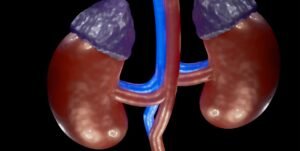
The kidneys are central to blood pressure regulation because they help control fluid volume, sodium balance, and hormonal signals that affect blood vessel tone. A creatinine blood test estimates how well the kidneys are filtering. The lab typically reports an estimated glomerular filtration rate, or eGFR, calculated from creatinine and demographic factors.
An isolated mildly abnormal creatinine or eGFR does not automatically mean permanent kidney disease. Hydration, muscle mass, recent illness, medications, and lab variation can affect results. Persistent abnormalities, a declining trend, or abnormal urine albumin results deserve follow-up with a clinician. The National Kidney Foundation emphasizes that eGFR and urine albumin testing are complementary: one checks filtration, while the other looks for kidney damage marked by albumin leakage into urine.
Electrolytes: sodium, potassium, calcium, and bicarbonate
Electrolytes are especially important in hypertension evaluation. Potassium is often watched closely. Low potassium may occur with some diuretics, vomiting or diarrhea, or hormone-related conditions such as primary aldosteronism. High potassium may occur with chronic kidney disease or with medications such as ACE inhibitors, angiotensin receptor blockers, mineralocorticoid receptor antagonists, or potassium supplements.
Sodium and bicarbonate can provide clues about fluid balance, kidney handling of salt, and acid-base status. Calcium is included because abnormal calcium levels can occasionally point toward endocrine or metabolic conditions that affect blood pressure. Most mild electrolyte abnormalities need confirmation and context rather than immediate conclusions.
Glucose and A1c: diabetes and prediabetes risk
Blood pressure, glucose metabolism, and cardiovascular risk are closely linked. A fasting glucose test measures blood sugar at a point in time, while hemoglobin A1c estimates average blood sugar exposure over roughly the past two to three months. The American Diabetes Association Standards of Care describe how A1c and plasma glucose are used to identify diabetes and prediabetes, while also noting that some conditions can make A1c less reliable.
If A1c or glucose is high, the result may change the overall prevention plan. A person with both hypertension and diabetes risk may need more careful kidney monitoring, cardiovascular risk reduction, nutrition counseling, and medication planning. If A1c is borderline or unexpected, clinicians may repeat testing or use another method to confirm.
Lipid profile: cardiovascular risk
A lipid profile measures cholesterol and triglyceride components that help estimate the risk of heart attack and stroke. This is not because cholesterol “causes” high blood pressure directly, but because high blood pressure and abnormal lipids are major cardiovascular risk factors. The National Heart, Lung, and Blood Institute explains that cholesterol diagnosis is based on a blood test interpreted with medical history, family history, physical exam, and other cardiovascular risk factors.
Many lipid panels can be performed without fasting, but fasting may still be requested in some circumstances, especially when triglycerides are a key concern or when a previous result was very high. Follow the instructions from the ordering clinician or lab.
CBC and TSH: broader health context
A complete blood count is not specific for high blood pressure, but it can identify anemia, infection patterns, platelet abnormalities, or other findings that influence the broader medical picture. Thyroid-stimulating hormone is used because thyroid disease can affect heart rate, vascular resistance, and blood pressure. A low or high TSH usually leads to thyroid-specific follow-up rather than a hypertension diagnosis by itself.
How to think about abnormal results
Lab interpretation is pattern-based. One abnormal number rarely tells the whole story. A clinician considers how high or low the result is, whether it is new, whether it fits symptoms, whether medications can explain it, and whether repeat testing confirms it.
| Finding | Possible relevance | Common next step |
|---|---|---|
| Elevated creatinine or reduced eGFR | May suggest reduced kidney filtration, dehydration, medication effect, or chronic kidney disease | Repeat test, review medications, check urine albumin, assess trend |
| Albumin or protein in urine | May indicate kidney stress or damage; can occur before symptoms | Confirm with uACR or repeat urine testing; manage kidney and cardiovascular risk |
| Low potassium | Can occur with diuretics or aldosterone-related hypertension | Medication review; consider aldosterone-renin testing when clinically appropriate |
| High potassium | Can occur with kidney disease, ACE inhibitors, ARBs, potassium-sparing diuretics, or supplements | Prompt medication/supplement review; repeat if needed; urgent evaluation if severe |
| High A1c or glucose | Suggests diabetes or prediabetes risk, which increases cardiovascular and kidney risk | Confirm diagnosis if needed; discuss lifestyle, monitoring, and treatment plan |
| Abnormal TSH | May suggest thyroid disease contributing to blood pressure or heart rate changes | Repeat or add thyroid hormone tests; treat thyroid disorder if confirmed |
When to seek urgent care: Lab results should be interpreted with symptoms and blood pressure readings. Very high blood pressure with chest pain, shortness of breath, neurologic symptoms, severe headache, confusion, fainting, or signs of stroke is an emergency. Do not wait for routine lab follow-up in that situation.
Blood tests for possible secondary hypertension
Most adults with high blood pressure have primary hypertension, meaning no single reversible cause is identified. However, secondary hypertension is important because some causes have targeted treatments. Testing is more likely when blood pressure is severe, begins at a young age, worsens suddenly, is difficult to control with multiple medications, is associated with low potassium, or appears with symptoms suggesting an endocrine or kidney disorder.
Aldosterone and renin
Primary aldosteronism is a hormone-related cause of hypertension in which aldosterone is inappropriately high relative to renin. It can occur with normal potassium, so a normal potassium level does not always exclude it. The 2025 Endocrine Society guideline suggests screening individuals with hypertension using aldosterone and renin, with potassium measured alongside them because low potassium can affect interpretation.
This test is sensitive to preparation details. Time of day, posture, sodium intake, potassium level, and medications can influence results. Do not stop prescribed blood pressure medication unless the ordering clinician gives explicit instructions; stopping medication can be unsafe.
Kidney-related testing
Kidney disease can be both a cause and a consequence of hypertension. Blood tests may include creatinine, eGFR, electrolytes, cystatin C in selected cases, and sometimes additional tests if an inflammatory, autoimmune, or structural kidney condition is suspected. Urine testing is just as important as blood testing because albumin, protein, or blood in urine can point toward kidney involvement.
Thyroid and other endocrine tests
TSH is common in the initial workup because thyroid conditions are relatively common and treatable. Less common hormone tests are used selectively. Examples include plasma free metanephrines or urine metanephrines when pheochromocytoma or paraganglioma is suspected, and cortisol-related testing when Cushing syndrome is suspected. These are not routine screening tests for every person with high blood pressure; they are ordered when the history, exam, or blood pressure pattern raises suspicion.
Monitoring labs after starting blood pressure medication
Blood tests are often repeated after medication changes. This is especially true for diuretics, ACE inhibitors, angiotensin receptor blockers, and mineralocorticoid receptor antagonists, which can affect potassium, sodium, and kidney function. The 2025 AHA/ACC guideline notes that a basic metabolic panel should be checked after initiation or dose titration of specific antihypertensive medication classes, and that pertinent laboratory testing should be repeated periodically to monitor treatment effects and kidney risk.
Monitoring does not mean the medication is unsafe. It means the clinician is checking whether the dose is appropriate for your kidneys and electrolyte balance. If a result changes after treatment begins, the next step may be a repeat test, dose adjustment, medication change, hydration review, or supplement review.
How to prepare for blood pressure-related blood tests
Preparation depends on which tests are ordered. Ask the ordering clinician or lab whether fasting is required and whether morning collection is preferred.
- Bring a complete medication and supplement list. Include prescription drugs, over-the-counter pain relievers, decongestants, oral contraceptives, steroids, stimulants, licorice products, potassium supplements, and herbal products.
- Ask about fasting. Fasting may be requested for fasting glucose or certain lipid panels. A1c, CBC, creatinine, electrolytes, and TSH usually do not require fasting unless bundled with tests that do.
- Hydrate normally. Dehydration can affect kidney markers and the difficulty of blood collection. Do not overhydrate to manipulate results.
- Do not stop blood pressure medications on your own. Some tests are affected by medication, but medication changes should be planned by the clinician ordering the test.
- For aldosterone-renin testing, follow instructions closely. Morning collection, seated posture, potassium correction, and sodium intake instructions may matter.
- Bring home blood pressure readings if you have them. Lab results are more useful when interpreted with actual blood pressure patterns.
What do these tests cost?
Costs vary widely by insurance status, deductible, lab network, state, ordering model, and whether the test is purchased alone or as part of a panel. A BMP, CMP, CBC, lipid panel, A1c, TSH, urinalysis, and uACR are common tests, but the consumer price can differ substantially depending on where and how they are ordered.
If you are using insurance, check whether the lab is in network and whether the diagnosis code and preventive-care status affect coverage. If you are self-pay, compare the effective total cost: the posted test price plus any required draw fee, lab processing fee, physician authorization or review fee, platform fee, and shipping fee for home-collection kits. Some services advertise a low individual test price but require a bundle or add a separate collection charge.
| Cost factor | Why it matters | Question to ask before ordering |
|---|---|---|
| Test price | The listed cost may apply only to the assay, not the full service | Is this the final price or only the lab test price? |
| Blood draw or collection fee | Some labs or ordering platforms charge separately for specimen collection | Is specimen collection included? |
| Clinician order or review fee | Direct-to-consumer testing may include or require clinician authorization | Is there a separate clinician fee? |
| Panel bundling | A panel can be cheaper than separate tests, but may include tests you do not need | Which individual tests are included? |
| Repeat testing | Abnormal or borderline results may need confirmation | Will repeat testing be covered or discounted? |
| State availability | Some consumer lab ordering models are not available in all states | Can I order and collect this test in my state? |
For a medically directed hypertension workup, the lowest price is not always the best choice. The test needs to be appropriate, performed correctly, and interpreted in context. If you already have a clinician managing your blood pressure, ask which tests are needed before ordering a broad panel on your own.
Practical next steps after a high blood pressure reading
- Confirm the reading. Make sure the cuff size and technique are correct. Follow your clinician’s plan for repeat office readings, home monitoring, or ambulatory blood pressure monitoring.
- Document your pattern. A log of morning and evening readings can help distinguish sustained hypertension from white-coat or masked patterns.
- Review medications and substances. Nonsteroidal anti-inflammatory drugs, stimulants, decongestants, nicotine, alcohol, some supplements, and several prescription medicines can raise blood pressure in some people.
- Complete recommended labs. Baseline kidney, electrolyte, glucose, cholesterol, thyroid, and urine testing can guide safe next steps.
- Follow up on abnormal results. Ask whether the result needs repeat testing, treatment, referral, or monitoring.
- Do not interpret a normal lab panel as “no risk.” Blood pressure itself can still require lifestyle treatment, medication, or monitoring even when labs are normal.
FAQs about blood tests for high blood pressure
Can a blood test diagnose high blood pressure?
No. High blood pressure is diagnosed with blood pressure measurements. Blood tests help evaluate causes, complications, risk factors, and medication safety.
What is the most important blood test for hypertension?
There is no single “most important” test for everyone. Creatinine with eGFR and electrolytes are especially common because kidney function and potassium balance are central to hypertension evaluation and treatment safety. Glucose or A1c and lipid profile are also important for cardiovascular risk assessment.
Why did my clinician order a urine test if I asked about blood tests?
Urine testing can show kidney involvement that may not be obvious from symptoms. Urinalysis and urine albumin-to-creatinine ratio are commonly used with blood tests to assess kidney health in people with high blood pressure.
Do normal blood tests mean my high blood pressure is harmless?
No. Normal labs are reassuring, but they do not erase the risk from persistently high blood pressure. Blood pressure control is still important to reduce long-term risk to the heart, brain, kidneys, and blood vessels.
When is aldosterone-renin testing considered?
Aldosterone-renin testing is used to screen for primary aldosteronism, a potentially treatable cause of hypertension. It may be considered more strongly when blood pressure is resistant, potassium is low, hypertension starts young, or there is a suggestive family or clinical pattern. Current Endocrine Society guidance has broadened attention to screening in people with hypertension, but the decision and preparation should be clinician-directed.
Should I fast before a hypertension lab panel?
Ask the lab or ordering clinician. Fasting may be needed for fasting glucose or certain lipid testing. Many other tests, including A1c, CBC, electrolytes, creatinine, and TSH, are often performed without fasting.
How soon should labs be repeated after starting blood pressure medicine?
Timing depends on the medication and your health history. Electrolytes and kidney function are often checked within weeks after starting or changing medications that can affect potassium or creatinine, then periodically afterward.
Can I order these tests myself?
In many states, some lab tests can be ordered through consumer lab services, but availability and ordering rules vary. If you have very high readings, symptoms, kidney disease, diabetes, pregnancy, or medication changes, clinician-directed testing is safer than self-ordering without follow-up.
Source Notes
- American Heart Association: High Blood Pressure Symptoms and Diagnosis
- U.S. Preventive Services Task Force: Hypertension in Adults Screening Recommendation
- 2025 AHA/ACC Guideline for the Prevention, Detection, Evaluation and Management of High Blood Pressure in Adults
- MedlinePlus — basic metabolic panel
- MedlinePlus — comprehensive metabolic panel
- National Kidney Foundation: Urine Albumin-Creatinine Ratio
- American Diabetes Association Standards of Care: Diagnosis and Classification of Diabetes
- National Heart, Lung, and Blood Institute: Blood Cholesterol Diagnosis
- Endocrine Society Clinical Practice Guideline: Primary Aldosteronism