Medical & affiliate disclosure: CTX Stat provides educational laboratory information and is not a substitute for professional medical advice, diagnosis, or treatment. CTX Stat may receive compensation from some outbound provider links when an affiliate program is active; provider comparisons and rankings are based on consumer fit, effective cost, access, policies, and reputation—not commission.
Quick take: The most common blood tests for thyroid problems are thyroid-stimulating hormone (TSH), free thyroxine (free T4), triiodothyronine (T3), and thyroid antibody tests. TSH is often the starting point, free T4 helps confirm whether thyroid hormone is low or high, T3 is especially useful when hyperthyroidism is suspected, and antibody tests can help identify autoimmune causes such as Hashimoto’s disease or Graves’ disease.
Why thyroid symptoms lead to blood tests
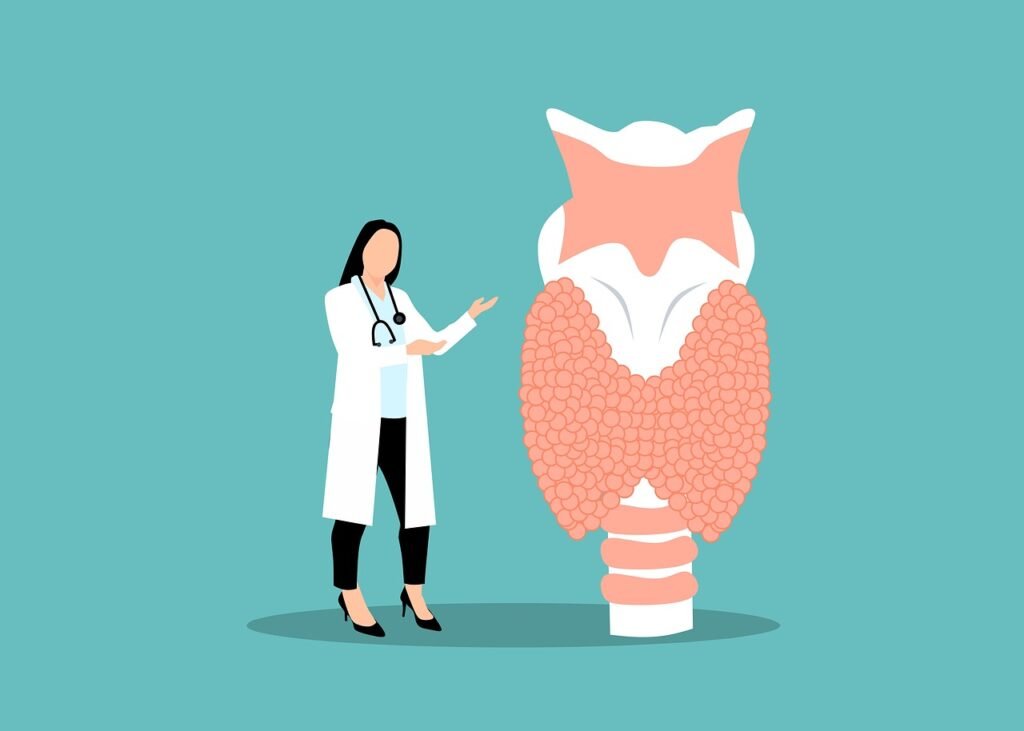
The thyroid is a small gland in the front of the neck that makes hormones involved in energy use, temperature regulation, heart rate, digestion, menstrual function, mood, and metabolism. Because thyroid hormones affect many organ systems, thyroid symptoms can be broad and easy to confuse with sleep problems, anemia, depression, anxiety, medication effects, menopause, pregnancy, infection, or other medical conditions.
Symptoms that commonly prompt thyroid testing include fatigue, unexplained weight change, feeling unusually cold or hot, constipation or diarrhea, hair shedding, dry skin, tremor, fast or irregular heartbeat, anxiety, low mood, muscle weakness, menstrual changes, fertility concerns, neck swelling, or a known thyroid nodule. These symptoms do not prove a thyroid disorder, but they are common reasons clinicians order blood work.
The National Institute of Diabetes and Digestive and Kidney Diseases explains that thyroid tests are used to check how well the thyroid is working and to help diagnose conditions such as hypothyroidism, hyperthyroidism, Hashimoto’s disease, Graves’ disease, thyroid nodules, and thyroid cancer. In most routine evaluations, blood tests come before imaging. Ultrasound, radioactive iodine uptake testing, or biopsy may be considered later depending on the blood test pattern and the physical exam.
The most common blood tests for thyroid problems
Thyroid testing is usually not a single “yes or no” test. Clinicians look at patterns. A TSH result may suggest underactive or overactive thyroid function, but free T4, T3, and antibody tests often provide the context needed to understand the likely cause.
| Blood test | What it measures | Why it is ordered | Common use |
|---|---|---|---|
| TSH | Thyroid-stimulating hormone from the pituitary gland | Shows how strongly the brain is signaling the thyroid to make hormone | Usually the first screening or monitoring test |
| Free T4 | Unbound thyroxine available to tissues | Helps confirm whether thyroid hormone level is low, normal, or high | Often ordered with an abnormal TSH or when pituitary disease is a concern |
| Total or free T3 | Triiodothyronine, an active thyroid hormone | Can detect T3-predominant hyperthyroidism | Most useful when hyperthyroidism is suspected |
| TPO antibodies | Antibodies against thyroid peroxidase | Looks for autoimmune thyroiditis | Commonly used when Hashimoto’s disease is suspected |
| Thyroglobulin antibodies | Antibodies against thyroglobulin | May support autoimmune thyroid disease; can interfere with thyroglobulin monitoring | Selected autoimmune thyroid evaluations and thyroid cancer follow-up contexts |
| TRAb or TSI | Antibodies that stimulate or bind the TSH receptor | Helps identify Graves’ disease | When hyperthyroidism, Graves’ disease, or pregnancy-related risk assessment is being evaluated |
TSH: the usual starting point
TSH stands for thyroid-stimulating hormone. It is made by the pituitary gland, not the thyroid gland itself. When circulating thyroid hormone is low, the pituitary usually releases more TSH to tell the thyroid to work harder. When circulating thyroid hormone is high, TSH usually falls because the pituitary reduces that signal.
The American Thyroid Association describes TSH as the best initial blood test for thyroid function in many situations. A high TSH often points toward hypothyroidism, while a low TSH often points toward hyperthyroidism. However, “often” matters: unusual patterns can occur with pituitary disease, severe illness, certain medications, pregnancy, or recent treatment changes.
Free T4: confirming the hormone level
T4, or thyroxine, is the main hormone made by the thyroid gland. Much of the T4 in blood is attached to carrier proteins, while a smaller free fraction is available to enter tissues. Free T4 is commonly preferred over total T4 when the goal is to understand active thyroid hormone availability, especially when binding proteins may be altered.
The NIDDK notes that pregnancy, oral contraceptives, severe illness, and corticosteroid use can affect binding proteins and total T4 levels. That is one reason many clinicians use free T4 along with TSH when evaluating symptoms or abnormal screening results.
T3: most useful for suspected overactive thyroid
T3, or triiodothyronine, is a more active thyroid hormone. A T3 test is not always needed when hypothyroidism is suspected, because T3 may remain normal until later in underactive thyroid disease. It becomes more useful when the concern is hyperthyroidism, especially if TSH is low and free T4 is normal or borderline.
For example, a person with palpitations, tremor, heat intolerance, unexplained weight loss, and a low TSH may have free T4 and T3 measured to determine whether thyroid hormone levels are high. The American Thyroid Association’s hyperthyroidism information describes a typical hyperthyroid lab pattern as low TSH with high T4 and/or T3.
Thyroid antibody tests: looking for autoimmune causes
Many thyroid conditions are autoimmune, meaning the immune system targets thyroid-related proteins or receptors. Antibody tests are not simply “thyroid function” tests; they help explain why thyroid function may be abnormal or why a person may be at increased risk of future dysfunction.
- Thyroid peroxidase antibodies (TPOAb): Often checked when Hashimoto’s thyroiditis is suspected. The NIDDK’s Hashimoto’s disease page lists TPO antibodies among the tests used in evaluation.
- Thyroglobulin antibodies (TgAb): May be present in autoimmune thyroid disease and are important in some thyroid cancer follow-up situations because they can affect thyroglobulin interpretation.
- TSH receptor antibodies (TRAb) or thyroid-stimulating immunoglobulin (TSI): These are commonly used when Graves’ disease is suspected, especially when blood tests show hyperthyroidism.
Antibody tests can remain positive even when thyroid hormone levels are normal. They may help identify autoimmune risk, but they usually do not replace TSH and free T4 for monitoring current thyroid function.
How thyroid blood test results are commonly interpreted
Reference ranges vary by laboratory, testing platform, age, pregnancy status, and clinical context. Always compare your result with the reference interval shown on the lab report and discuss interpretation with the ordering clinician. The patterns below are common educational examples, not a diagnosis.
| Pattern | Common interpretation | What may happen next |
|---|---|---|
| High TSH + low free T4 | Often consistent with overt primary hypothyroidism | Review symptoms, medications, TPO antibodies, and treatment options |
| High TSH + normal free T4 | May fit subclinical hypothyroidism or a temporary TSH rise | Repeat testing, check risk factors, consider TPO antibodies |
| Low TSH + high free T4 and/or high T3 | Often consistent with hyperthyroidism | Consider TRAb/TSI, medication review, imaging or uptake testing if needed |
| Low TSH + normal free T4 and T3 | May fit subclinical hyperthyroidism or non-thyroid influences | Repeat testing, review biotin, medications, pregnancy status, and cardiac/bone risk |
| Low or normal TSH + low free T4 | Can suggest central hypothyroidism or severe non-thyroid illness | Needs clinician evaluation; may involve pituitary testing |
| Normal TSH + positive antibodies | May indicate autoimmune thyroid tendency without current dysfunction | Periodic monitoring may be recommended depending on risk factors |
Hypothyroidism patterns
Hypothyroidism means the body does not have enough thyroid hormone effect. In primary hypothyroidism, the issue is usually in the thyroid gland. The classic blood test pattern is high TSH with low free T4. Symptoms can include fatigue, weight gain, constipation, cold intolerance, dry skin, hair changes, slow heart rate, heavy or irregular periods, and low mood.
Hashimoto’s disease is a common cause of hypothyroidism. In that setting, TPO antibodies may be positive. However, treatment decisions are usually based on thyroid function, symptoms, pregnancy status, age, cardiovascular risk, and how abnormal the TSH and free T4 are—not antibody status alone.
Subclinical hypothyroidism
Subclinical hypothyroidism usually means TSH is elevated while free T4 remains within the lab’s reference range. This pattern may persist, progress, or return to normal. The U.S. Preventive Services Task Force notes that abnormal TSH results in asymptomatic people can revert or not progress, which is one reason repeat testing is often recommended before labeling a persistent thyroid disorder in low-risk, asymptomatic adults.
Hyperthyroidism patterns
Hyperthyroidism means there is too much thyroid hormone effect. A common pattern is low TSH with high free T4 and/or high T3. Symptoms can include palpitations, tremor, anxiety, heat intolerance, sweating, diarrhea, weight loss despite normal or increased appetite, muscle weakness, lighter menstrual periods, and trouble sleeping. Graves’ disease, toxic nodules, thyroiditis, and excess thyroid hormone medication are among possible causes.
If Graves’ disease is suspected, TRAb or TSI testing may help confirm the autoimmune cause. In other cases, clinicians may order imaging or uptake testing to distinguish between a gland making too much hormone and thyroid inflammation releasing stored hormone.
When TSH alone may not be enough
TSH is useful, but it is not perfect. TSH alone can be misleading in central hypothyroidism, when the pituitary or hypothalamus is not signaling normally. It can also be temporarily altered by severe illness, some medications, early pregnancy, recent thyroid medication changes, and assay interference. If symptoms are significant or the TSH result does not match the clinical picture, a clinician may order free T4, T3, repeat testing, or other endocrine evaluation.
How to prepare for thyroid blood tests
Most thyroid blood tests use a standard blood draw from a vein in the arm. Fasting is usually not required for TSH, free T4, T3, or thyroid antibody tests unless other labs are being collected at the same time. Still, a few preparation details can improve the usefulness of the result.
- Tell the clinician and lab about supplements, especially biotin. MedlinePlus warns that biotin can affect TSH test results. Biotin is common in hair, skin, and nail supplements, multivitamins, and high-dose B-vitamin products.
- Ask how to time thyroid medication. People taking levothyroxine, liothyronine, desiccated thyroid, antithyroid medication, amiodarone, lithium, or iodine-containing supplements should ask the ordering clinician whether to take medicines before the blood draw.
- Use the same lab when monitoring if possible. Reference ranges and assay methods can differ. Using the same lab can make trends easier to interpret.
- Report pregnancy or recent delivery. Pregnancy and postpartum status can change thyroid reference ranges and the likelihood of certain thyroid conditions.
- Do not change prescribed medication on your own. Stopping or adjusting thyroid medicine before testing can create confusing or unsafe results unless it is part of a clinician-directed plan.
Special situations: pregnancy, postpartum, nodules, and thyroid cancer
Pregnancy changes thyroid physiology, and normal thyroid reference ranges can differ by trimester. The American Thyroid Association states that thyroid function in pregnancy is assessed using TSH and free T4 within trimester-specific ranges. People who are pregnant, trying to conceive, undergoing fertility treatment, or recently postpartum should not interpret thyroid labs using generic adult assumptions.
Thyroid nodules are different from thyroid function problems. A person can have a thyroid nodule and completely normal TSH, free T4, and T3. Blood tests may be part of the evaluation, but ultrasound is often the key imaging test for nodules. Biopsy decisions are usually based on ultrasound features and nodule size, not on symptoms alone.
Thyroglobulin is another thyroid-related blood test, but it is not a general screening test for thyroid symptoms. It is mainly used in selected thyroid cancer follow-up situations after treatment. Thyroglobulin antibodies are often measured at the same time because they can interfere with interpretation.
Should everyone be screened for thyroid disease?
Testing is different from population screening. If you have symptoms, a goiter, a known thyroid condition, a medication that affects thyroid function, pregnancy-related risk factors, prior neck radiation, autoimmune disease, or a strong family history, thyroid testing may be clinically appropriate. But routine screening of every asymptomatic adult is more complicated.
The USPSTF recommendation summary concludes that evidence is insufficient to assess the balance of benefits and harms of screening for thyroid dysfunction in nonpregnant, asymptomatic adults. That does not mean testing is never useful. It means testing decisions should consider symptoms, risk factors, and the possibility of false positives, overdiagnosis, or treatment of lab abnormalities that may not cause harm.
How much do thyroid blood tests cost?
Thyroid blood test cost depends on whether testing is ordered through insurance, a clinician’s office, a hospital outpatient lab, an independent lab, or a direct-access testing service. The total cost to the patient may include more than the lab assay itself. Common components include the lab test price, specimen collection or draw fee, clinician visit, telehealth ordering fee, result-review fee, and any insurance deductible or coinsurance.
Medicare laboratory payment rates are not the same as retail cash prices, but they can provide a useful public benchmark. The Centers for Medicare & Medicaid Services Clinical Laboratory Fee Schedule explains that many clinical diagnostic laboratory tests are paid based on fee schedule amounts. Current public fee schedules list thyroid-related CPT codes such as TSH, free T4, total T3, free T3, TSI, and antibody tests, but actual patient responsibility depends on coverage rules, diagnosis coding, network status, and plan design.
| Ordering route | Typical advantages | Cost questions to ask |
|---|---|---|
| Primary care or endocrinology visit | Results interpreted with symptoms, exam, medications, and follow-up plan | Is the lab in network? Will the visit and blood draw be billed separately? |
| Insurance-covered independent lab | May be lower cost than hospital outpatient labs for many plans | Is prior authorization needed? What diagnosis code is being used? |
| Hospital outpatient lab | Convenient if tied to a specialist or health system | Are facility or outpatient hospital fees added? |
| Direct-access self-order testing | Transparent menu pricing and no separate office visit in some cases | Does the price include the physician order, draw fee, and result review? |
When comparing thyroid test prices, compare the effective total cost rather than the advertised test-only price. For example, a low listed price for TSH may not be the lowest total if a mandatory order fee, draw fee, or separate review fee is added. Also check availability in your state, whether the collection site is convenient, whether results are reviewed by a licensed clinician, and how abnormal results are communicated.
Limitations of thyroid blood tests
Thyroid blood tests are powerful, but they do not answer every question. A normal TSH makes many common thyroid function disorders less likely, but it does not rule out every thyroid-related issue, especially nodules, early disease, pituitary-related problems, or symptoms from another cause. Conversely, a mildly abnormal result does not always mean lifelong thyroid disease.
Important limitations include:
- Reference ranges vary. The “normal” range on your report is the range that matters for that lab and assay.
- Symptoms overlap with many conditions. Iron deficiency, B12 deficiency, sleep apnea, depression, anxiety, diabetes, infection, medication effects, and menopause can mimic thyroid symptoms.
- Biotin and assay interference can distort results. This can make results look falsely high or low depending on the test method.
- Illness can temporarily change thyroid labs. Severe non-thyroid illness can produce abnormal patterns that do not represent a chronic thyroid disorder.
- Antibodies show immune activity, not necessarily current hormone imbalance. A positive antibody test may increase suspicion for autoimmune thyroid disease, but thyroid function is judged primarily by hormone-related tests.
- Timing matters after medication changes. TSH can take weeks to stabilize after levothyroxine dose changes, so testing too soon can mislead.
What to do after thyroid blood test results
If your results are normal but symptoms continue, ask what else should be evaluated. Depending on the symptom pattern, a clinician may consider a complete blood count, ferritin or iron studies, vitamin B12, metabolic panel, A1c, pregnancy test, inflammatory markers, sleep evaluation, medication review, or mental health screening.
If your TSH is abnormal, the next step is often confirmation with free T4 and sometimes repeat TSH. If hypothyroidism is suspected, TPO antibodies may help determine whether Hashimoto’s disease is likely. If hyperthyroidism is suspected, free T4, T3, TRAb or TSI, medication review, and possibly imaging or uptake testing may be used to find the cause.
Seek prompt medical attention if thyroid symptoms are severe, such as chest pain, fainting, severe shortness of breath, confusion, very fast heart rate, high fever, severe agitation, or marked weakness. People who are pregnant, have known heart disease, are older adults with new palpitations, or are taking thyroid medication and develop symptoms of over- or under-treatment should contact a clinician promptly.
FAQs about blood tests for thyroid problems
What is the first blood test for thyroid problems?
TSH is usually the first blood test ordered because it reflects the pituitary gland’s signal to the thyroid. If TSH is abnormal, free T4 and sometimes T3 or thyroid antibody tests are commonly added to clarify whether the pattern fits hypothyroidism, hyperthyroidism, or another cause.
Can thyroid blood tests explain symptoms like fatigue or weight changes?
They can help, but symptoms such as fatigue, weight change, mood changes, constipation, diarrhea, hair shedding, and palpitations can have many causes. Thyroid tests are interpreted with symptoms, medications, pregnancy status, other illnesses, and the laboratory’s reference range.
Do I need a full thyroid panel?
Not always. Many evaluations begin with TSH, followed by free T4 if TSH is abnormal. T3 is more useful when hyperthyroidism is suspected. Antibody tests are useful when an autoimmune thyroid condition such as Hashimoto’s disease or Graves’ disease is suspected. Very broad panels can add cost and confusing abnormalities without improving care in every situation.
Should I stop biotin before a thyroid test?
Biotin supplements can interfere with some thyroid lab assays and may make results look falsely abnormal. Ask the ordering clinician or laboratory how long to stop biotin before testing. Do not stop prescribed medicines unless your clinician tells you to.
What blood tests are used for Hashimoto’s disease?
Hashimoto’s disease is commonly evaluated with TSH and free T4 to assess thyroid function, plus thyroid peroxidase antibodies, often called TPO antibodies, to look for autoimmune thyroiditis. Antibody results help identify the cause, but TSH and free T4 are usually used to monitor thyroid function over time.
What blood tests are used for Graves’ disease or hyperthyroidism?
A typical hyperthyroidism evaluation includes TSH, free T4, and T3. Thyrotropin receptor antibody or thyroid-stimulating immunoglobulin testing may be used when Graves’ disease is suspected. Imaging or uptake testing may be added in selected cases.
Can I order thyroid blood tests myself?
In many states, adults can order some thyroid tests through direct-access lab services, but availability and clinician review vary. Self-ordering can be useful for price shopping or follow-up planning, but abnormal results should be reviewed with a qualified healthcare professional.
Are at-home thyroid tests accurate?
Some at-home thyroid tests use finger-prick blood collection and CLIA-certified laboratory processing, but collection quality, test menu, result review, and follow-up vary by company. Venous blood testing through a lab draw is still commonly used in clinical care, especially when results may guide medication decisions.
Can thyroid tests be normal even if I have thyroid symptoms?
Yes. Symptoms associated with thyroid disease are not specific. A person can have fatigue, weight change, hair shedding, or mood changes with normal thyroid function. If symptoms persist, ask a clinician what non-thyroid causes should be evaluated.
How often should thyroid blood tests be repeated?
It depends on why testing was done. A mildly abnormal result may be repeated to confirm persistence. People taking thyroid medication are often retested after dose changes once levels have had time to stabilize. Pregnancy, medication changes, new symptoms, or known thyroid disease may require a different schedule.
Source Notes
- National Institute of Diabetes and Digestive and Kidney Diseases: Thyroid Tests
- American Thyroid Association: Thyroid Function Tests
- American Thyroid Association’s hyperthyroidism information
- NIDDK’s Hashimoto’s disease page
- U.S. Preventive Services Task Force: Thyroid Dysfunction Screening Recommendation Statement
- MedlinePlus Medical Encyclopedia: TSH Test
- American Thyroid Association: Hypothyroidism in Pregnancy
- USPSTF recommendation summary
- CMS — Centers for Medicare & Medicaid Services: Clinical Laboratory Fee Schedule