

PT/INR Blood Test Cost: Self-Pay Price Comparison
Compare PT/INR blood test cost for self-pay patients, including total cash prices, mandatory physician fees, collection options, result timing, and when to use a lab, clinic, or home INR monitor.
Compare PT/INR blood test cost for self-pay patients, including total cash prices, mandatory physician fees, collection options, result timing, and when to use a lab, clinic, or home INR monitor.

A D-dimer blood test is most useful when it is normal or low in the right clinical setting. A high result can happen with a blood clot, but it can also rise after surgery, infection, inflammation, pregnancy, cancer, liver disease, trauma, and aging.
Compare D-dimer blood test costs from national self-pay lab providers, including mandatory fees, lab networks, restrictions, and how to interpret price versus urgency.
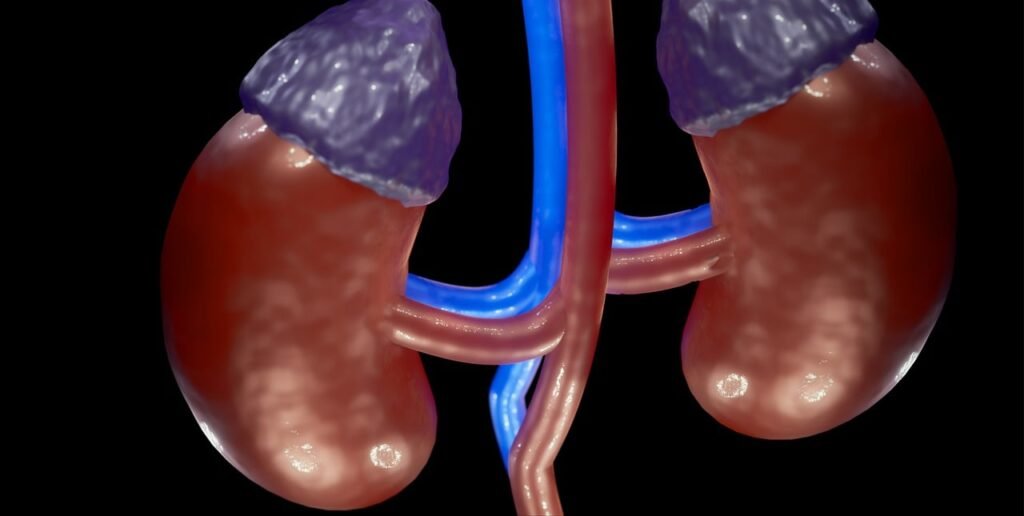
An aldosterone blood test measures a salt-and-water-regulating hormone made by the adrenal glands. Learn why it is ordered, how to prepare, what high or low results can mean, and why renin, potassium, posture, salt intake, and medications matter.

LDH is a nonspecific marker of cell or tissue injury. Learn what high and low LDH results can mean, what can falsely affect the test, and what follow-up questions to ask.
Self-pay LDH blood test prices commonly range from about $23 to $35 before optional promotions when you order through online lab marketplaces, but the real cost depends on mandatory order fees, state restrictions, and whether you need total LDH or LDH isoenzymes.

A high or low total protein result is a clue, not a diagnosis. Learn what total protein measures, common reasons it changes, how albumin and globulin affect interpretation, and what follow-up tests may be useful.
A total protein blood test measures albumin and globulin in your blood and may help evaluate liver, kidney, nutrition, inflammation, and immune-related concerns. Learn what high and low results can mean, how to prepare, and what to ask next.

Compare total protein blood test cost without insurance, including standalone tests, CMP alternatives, required fees, state restrictions, preparation, and result interpretation basics.
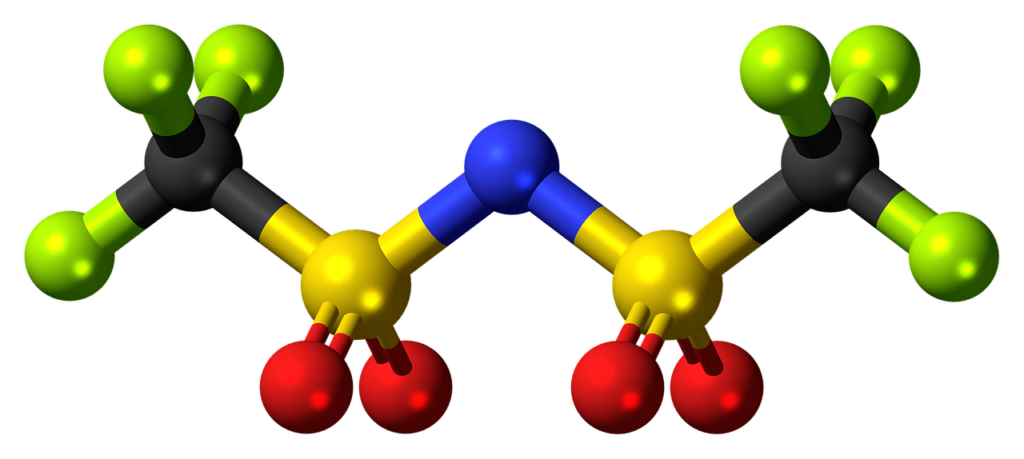
An anion gap blood test is a calculated result from an electrolyte panel that helps clinicians evaluate acid-base balance, especially metabolic acidosis. Learn what high, low, and normal results can mean, how to prepare, what affects accuracy, and what questions to ask next.