
Medical & affiliate disclosure: CTX Stat provides educational laboratory information and is not a substitute for professional medical advice, diagnosis, or treatment. CTX Stat may receive compensation from some outbound provider links when an affiliate program is active; provider comparisons and rankings are based on consumer fit, effective cost, access, policies, and reputation—not commission.
An A1C result is a percentage that estimates your average blood sugar over roughly the past 2 to 3 months. In general, an A1C below 5.7% is considered in the usual range for diabetes screening, 5.7% to 6.4% is in the prediabetes range, and 6.5% or higher is in the diabetes range when confirmed according to clinical criteria. The CDC, NIDDK, and American Diabetes Association Standards of Care use these same major cut points for diabetes and prediabetes screening.
Quick take
- High A1C usually means higher average blood glucose over the last few months, but one result is not the same as a complete diagnosis.
- A1C 5.7% to 6.4% is commonly interpreted as the prediabetes range for screening.
- A1C 6.5% or higher is in the diabetes range when confirmed, unless symptoms and other glucose findings make the diagnosis clear.
- A low A1C is often normal if it is below 5.7% and you are not taking glucose-lowering medicine, but unusually low results or results that do not match glucose readings may need follow-up.
- A1C can be misleading in some people with anemia, recent blood loss or transfusion, pregnancy, kidney failure, liver disease, hemoglobin variants, or conditions that change red blood cell lifespan.
What A1C measures
A1C, also called hemoglobin A1C or HbA1c, measures the percentage of hemoglobin proteins in red blood cells that have glucose attached. Because red blood cells circulate for weeks to months, A1C gives a longer-term view of average glucose than a single fasting glucose or random glucose test. NIDDK describes A1C as a test that reflects average blood glucose over the previous 3 months, while the CDC describes it as an estimate of average blood sugar over the past 2 to 3 months.
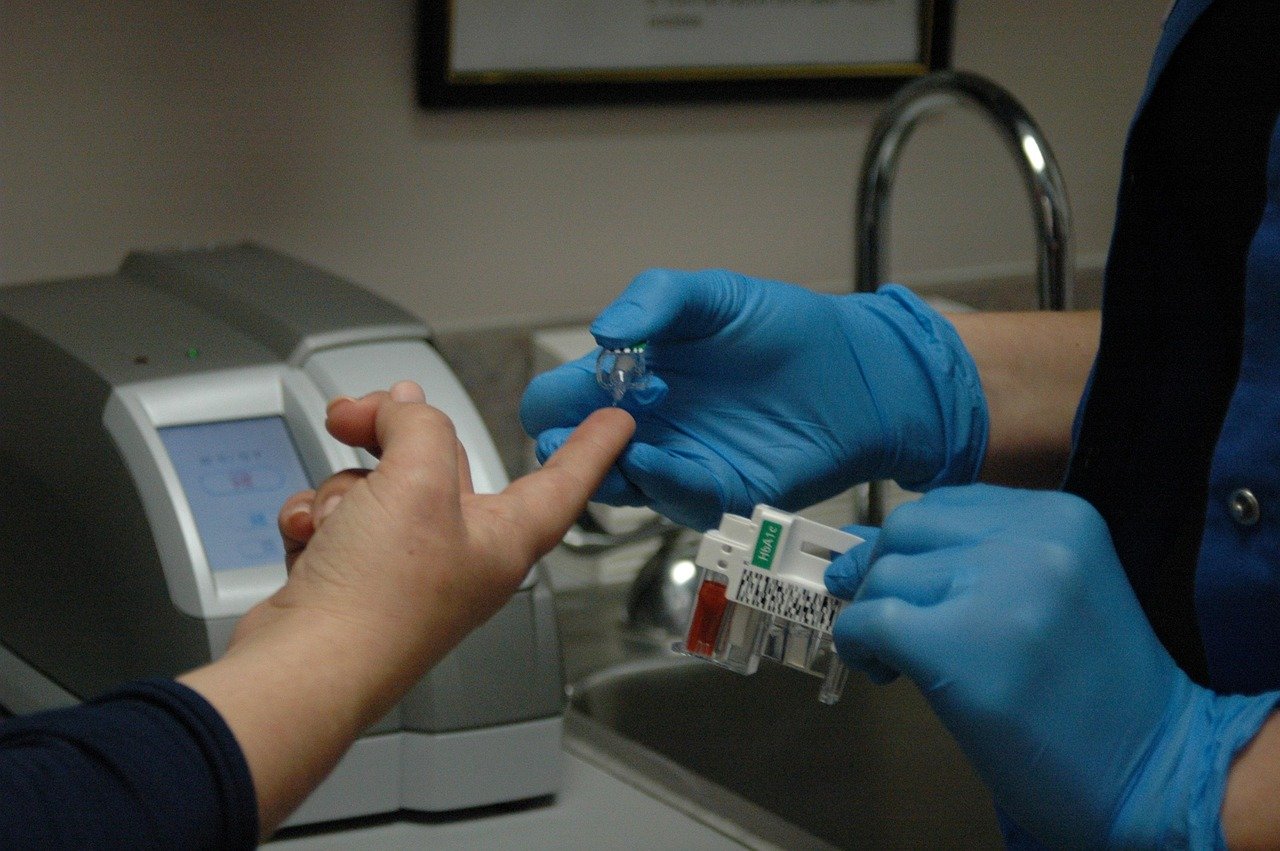
A1C is convenient because it usually does not require fasting. That makes it useful for screening, follow-up, and long-term diabetes monitoring. However, A1C is an average. It does not show daily glucose swings, meal-related spikes, overnight lows, or short-term changes from a new medication or recent illness.
A1C is an average, not a glucose diary
Two people can have the same A1C but very different day-to-day glucose patterns. One person may have steady glucose values, while another may have both highs and lows that average out. If symptoms or home glucose readings do not match the A1C, that mismatch is worth discussing with a clinician.
A1C ranges: low, normal, prediabetes, diabetes
The table below summarizes common A1C interpretation for adults when the test is being used for diabetes screening. Reference ranges and clinical decisions can vary by situation, especially during pregnancy, in children, in people with known diabetes, or when another medical condition affects A1C accuracy.
| A1C result | Common interpretation | What it may mean |
|---|---|---|
| Below 5.7% | Usual screening range | Often considered below the prediabetes threshold. Very low or unexpected values may need context, especially if symptoms or glucose readings do not match. |
| 5.7% to 6.4% | Prediabetes range | Average glucose is higher than expected but not in the diabetes range by A1C criteria. Risk generally increases as A1C rises within this range. |
| 6.5% or higher | Diabetes range | May support a diabetes diagnosis when confirmed by repeat or additional testing, unless there is clear symptomatic hyperglycemia. |
| Result conflicts with glucose readings | Possible mismatch or interference | May happen with hemoglobin variants, anemia, kidney or liver disease, recent blood loss, transfusion, pregnancy, or other factors affecting red blood cells. |
The ADA states that, without unequivocal hyperglycemia, diagnosis requires confirmatory testing. Confirmatory testing may include repeating the same abnormal test or using another accepted glucose-based test, depending on the clinical situation.
What a high A1C may mean
A high A1C usually means blood glucose has been running higher than expected over time. For someone who has not been diagnosed with diabetes, a high A1C can indicate prediabetes or diabetes-range glucose exposure. For someone already living with diabetes, a higher-than-goal A1C may suggest that the current care plan is not achieving the intended average glucose target.
Common reasons A1C may rise include increased insulin resistance, changes in weight or activity, eating patterns, missed or insufficient medication, certain medications such as glucocorticoids, illness, stress, or progression of diabetes. A1C can also rise if red blood cells live longer than usual or if certain assay-related interferences are present.
| High A1C pattern | Possible meaning | Useful follow-up questions |
|---|---|---|
| 5.7% to 6.4% | Prediabetes-range result | Was the test repeated? Are fasting glucose, weight, blood pressure, lipids, and family history being reviewed? |
| 6.5% or higher | Diabetes-range result if confirmed | Is confirmatory testing needed? Are there symptoms such as excessive thirst, frequent urination, blurry vision, or unexplained weight loss? |
| Higher than a personal goal in known diabetes | Average glucose may be above the individualized target | Do home glucose or continuous glucose monitor patterns show fasting, after-meal, or overnight highs? |
| High A1C but normal glucose readings | Possible testing mismatch | Could anemia, kidney disease, a hemoglobin variant, or another red blood cell issue affect the result? |
For many nonpregnant adults with diabetes, an A1C goal around 7% is commonly used, but goals may be higher or lower depending on age, pregnancy status, other health conditions, hypoglycemia risk, medications, and personal circumstances. The American Diabetes Association notes that A1C can also be shown as estimated average glucose, or eAG, using the same mg/dL units many people see on glucose meters.
What a low A1C may mean
A “low” A1C can mean different things depending on the number and the person. If your A1C is below 5.7% and you are not taking insulin or other glucose-lowering medication, it is often interpreted as below the prediabetes threshold. In that setting, it is not automatically a problem.
However, an unusually low A1C or a lower-than-expected A1C may need follow-up in certain situations. If you take insulin, sulfonylureas, or other medicines that can cause hypoglycemia, a very low A1C could be a clue that average glucose is low or that highs and lows are balancing out. A1C alone cannot tell whether you are having dangerous low glucose episodes.
A low A1C can also be falsely low. Conditions that shorten red blood cell survival can reduce the time hemoglobin is exposed to glucose, lowering the A1C even when actual glucose is higher. NIDDK and NGSP describe examples such as recent blood loss, hemolytic anemia, transfusion, hemodialysis, erythropoietin therapy, and some hemoglobin disorders.
When a low A1C deserves extra attention
- You have symptoms of low blood sugar, such as shakiness, sweating, confusion, weakness, or faintness.
- You use medication that can cause hypoglycemia.
- Your glucose meter or continuous glucose monitor shows frequent highs or lows that do not fit the A1C.
- You recently had blood loss, transfusion, pregnancy, dialysis, or treatment affecting red blood cell production.
Why A1C can be falsely high or low
A1C depends on both glucose exposure and the biology of red blood cells. That is why A1C may be less accurate when red blood cells are replaced too quickly, live longer than usual, or contain hemoglobin variants that interfere with certain testing methods. NGSP, the organization that standardizes A1C testing methods, maintains information on factors that can interfere with HbA1c measurement and interpretation.

| Factor | How it can affect A1C | What clinicians may consider |
|---|---|---|
| Iron-deficiency anemia | May falsely increase A1C in some situations | Review CBC, iron studies, symptoms, and whether the A1C matches glucose results. |
| Hemolytic anemia, recent blood loss, or transfusion | May falsely lower A1C by changing red blood cell age | Use glucose-based tests or other monitoring methods when appropriate. |
| Hemoglobin variants, including sickle cell trait or thalassemia-related variants | May falsely raise or lower A1C depending on the assay method | Ask whether the laboratory method is appropriate for known or suspected variants. |
| Kidney failure, dialysis, or erythropoietin therapy | May alter the relationship between A1C and true average glucose | Consider glucose logs, CGM data, fructosamine, glycated albumin, or plasma glucose criteria when clinically appropriate. |
| Liver disease | May affect A1C interpretation | Interpret A1C alongside liver-related labs, CBC, and glucose measurements. |
| Pregnancy | A1C may not reflect glucose the same way, especially later in pregnancy | Pregnancy-specific glucose testing is often used for gestational diabetes screening and diagnosis. |
The MedlinePlus HbA1c test guide also notes that anemia, other blood disorders, kidney failure, and liver disease can affect A1C results. If your A1C is below 4%, above 15%, or sharply inconsistent with your glucose readings, NIDDK advises clinicians to consider possible interference.
A1C compared with fasting glucose and other tests
A1C is only one way to assess glucose status. Fasting plasma glucose, random plasma glucose in symptomatic people, and the oral glucose tolerance test can provide different information. This matters because one person may have a borderline A1C but an abnormal fasting glucose, or a normal fasting glucose but high after-meal glucose.
| Test | What it reflects | When it can help |
|---|---|---|
| A1C | Average glucose over roughly 2 to 3 months | Screening, diagnosis when appropriate, and long-term monitoring. |
| Fasting plasma glucose | Blood glucose after fasting | Useful when A1C may be inaccurate or when fasting glucose patterns are important. |
| Oral glucose tolerance test | How the body handles a glucose load over time | Can detect abnormal glucose handling that may not appear on A1C alone; used in pregnancy-specific testing protocols. |
| Home glucose checks or CGM | Day-to-day and time-specific glucose patterns | Useful for identifying fasting highs, after-meal spikes, overnight lows, or medication-related hypoglycemia. |
What to do after a high or low A1C result
The best next step depends on your number, symptoms, medical history, and whether the result matches other glucose information. For a first diabetes-range A1C, confirmatory testing is commonly needed unless there is clear symptomatic hyperglycemia. For a prediabetes-range result, clinicians often review cardiometabolic risk factors and may recommend repeat testing, lifestyle changes, or prevention programs.
- Confirm the context. Was the test done for screening, monitoring known diabetes, pregnancy care, medication adjustment, or follow-up after an abnormal glucose?
- Check whether the result fits. Compare the A1C with fasting glucose, home meter readings, CGM reports, symptoms, and recent illnesses or blood-related events.
- Ask whether A1C is reliable for you. Mention anemia, kidney disease, liver disease, hemoglobin variants, recent transfusion, blood donation, pregnancy, dialysis, or erythropoietin therapy.
- Do not change medication on A1C alone. Medication changes should account for glucose patterns, hypoglycemia risk, kidney function, age, pregnancy status, and other conditions.
- Plan follow-up testing. Depending on the situation, follow-up may include repeat A1C, fasting plasma glucose, oral glucose tolerance testing, CBC, iron studies, or another marker of glycemia.
If you are paying for an A1C test yourself
A1C testing is often ordered through a clinician, but some consumers pay out of pocket for lab testing. If you compare self-pay options, compare the effective total cost rather than the headline test price alone. Look for whether the listed price includes the lab draw, ordering clinician review if required, processing fees, result access, and any state or location restrictions. For a blood-based A1C, also note whether the sample is collected at a laboratory draw site or by an at-home kit, because those are not always equivalent workflows.
If you are comparing out-of-pocket lab options, you can use the tool to review available A1C testing choices and focus on total cost to the patient, collection method, and ordering steps.
When to seek timely medical advice
Contact a healthcare professional promptly if you have a diabetes-range A1C, symptoms of high blood sugar, symptoms of low blood sugar, pregnancy with abnormal glucose testing, or a result that conflicts with home glucose readings. Symptoms such as extreme thirst, frequent urination, vomiting, dehydration, confusion, unexplained weight loss, fainting, or severe weakness should not be managed by interpreting A1C alone.
FAQs about high and low A1C
What A1C is considered high?
For screening, an A1C of 5.7% to 6.4% is commonly considered the prediabetes range, and 6.5% or higher is in the diabetes range when confirmed. For someone already diagnosed with diabetes, “high” depends on the individual A1C goal set with a clinician.
What does a low A1C mean?
An A1C below 5.7% is often considered below the prediabetes threshold. But a very low or unexpectedly low A1C can sometimes reflect frequent low glucose, recent blood loss, hemolytic anemia, transfusion, dialysis, erythropoietin therapy, or another issue that makes the A1C falsely low.
Can A1C be wrong?
Yes. A1C can be falsely high or falsely low when red blood cell lifespan or hemoglobin structure affects the test. Examples include some anemias, hemoglobin variants, kidney failure, liver disease, recent blood loss, transfusion, pregnancy, and dialysis. When A1C does not match glucose readings, clinicians may use glucose-based tests or other markers.
Does A1C show daily glucose spikes?
No. A1C is an average. It can miss short-term spikes after meals and low glucose episodes, especially if highs and lows balance each other. Home glucose testing or continuous glucose monitoring may be more informative for daily patterns.
Do I need to fast for an A1C test?
Usually no. A1C is commonly performed without fasting because it reflects longer-term average glucose rather than the glucose level at one moment.
Can I diagnose diabetes from one A1C result?
Not usually. In the absence of clear symptomatic hyperglycemia, the ADA states that diagnosis requires confirmatory testing. A clinician may repeat A1C or use another accepted test such as fasting plasma glucose or an oral glucose tolerance test.
Why would my A1C be high but my fasting glucose normal?
Possibilities include higher after-meal glucose, day-to-day variation, recent lifestyle or medication changes, or a falsely high A1C. A clinician may compare A1C with fasting glucose, glucose logs, CGM data, and other labs.
Why would my A1C be low but my glucose readings high?
This mismatch can happen if A1C is falsely low because red blood cells are turning over faster than usual or because of certain hemoglobin-related issues. Recent blood loss, transfusion, hemolytic anemia, dialysis, and erythropoietin therapy are examples to discuss with a clinician.
Source Notes
- CDC: A1C Test for Diabetes and Prediabetes
- NIDDK: The A1C Test & Diabetes
- American Diabetes Association: Standards of Care in Diabetes—2026, Diagnosis and Classification
- American Diabetes Association: Understanding A1C
- NGSP: Factors that Interfere with HbA1c Test Results
- MedlinePlus: Hemoglobin A1C Test
- NIDDK: Diabetes Tests & Diagnosis