Medical & affiliate disclosure: CTX Stat provides educational laboratory information and is not a substitute for professional medical advice, diagnosis, or treatment. CTX Stat may receive compensation from some outbound provider links when an affiliate program is active; provider comparisons and rankings are based on consumer fit, effective cost, access, policies, and reputation—not commission.
Quick Take
- C-peptide is a marker of your own insulin production. Your pancreas releases C-peptide when it makes insulin, so the result helps estimate how much insulin your body is producing naturally.
- A high C-peptide result usually points to high internal insulin production. Common explanations include insulin resistance, type 2 diabetes physiology, recent carbohydrate intake, and, less commonly, conditions such as insulinoma, kidney failure, Cushing syndrome, or low potassium.
- A low C-peptide result can mean low insulin production. This may occur with type 1 diabetes, later-stage type 2 diabetes, pancreatic beta-cell failure, or temporary suppression from injected insulin. A low value can also be expected if you were fasting and your glucose was low or normal.
- The glucose drawn at the same time matters. Low C-peptide with high glucose is more concerning for inadequate insulin production than low C-peptide with low glucose after fasting.
- Do not interpret the number by itself. Timing, medications, kidney function, glucose level, symptoms, and the lab’s reference range can change the meaning.
What is C-peptide?
C-peptide is a small chain of amino acids released when the pancreas makes insulin. When your beta cells produce proinsulin, that molecule is split into insulin and C-peptide. Because insulin and C-peptide are released together, C-peptide can help show how much insulin your body is making on its own.
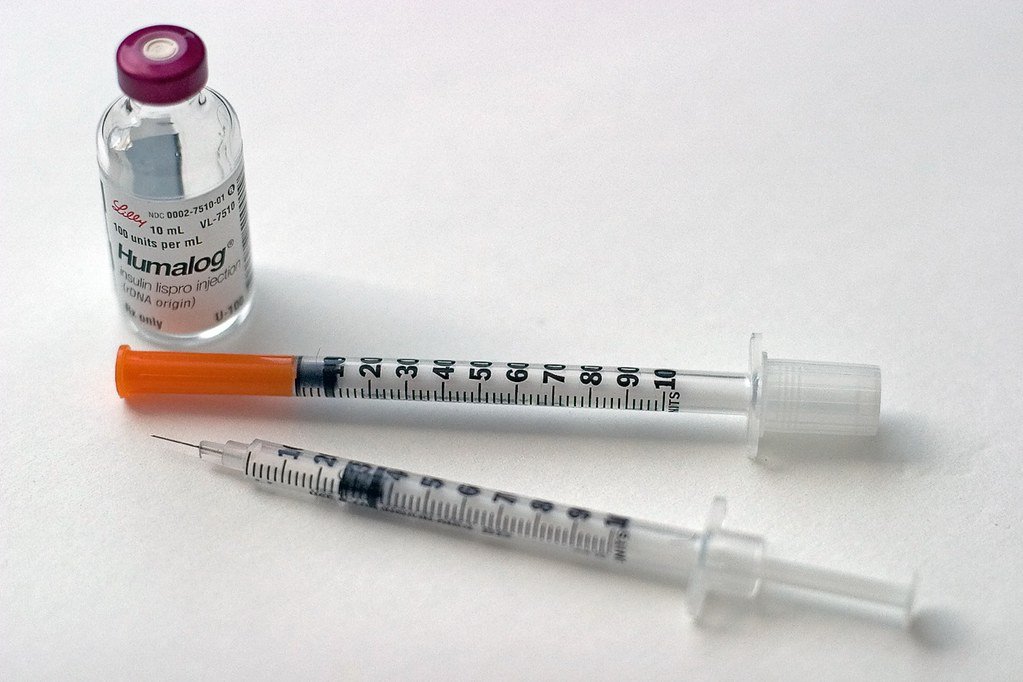
This is especially useful for people who take insulin. Injected insulin does not contain C-peptide, so a C-peptide test can help separate endogenous insulin—insulin made by your pancreas—from insulin that came from a medication. MedlinePlus explains that C-peptide can provide an accurate picture of natural insulin production because it is not affected by outside insulin treatment in the same way direct insulin testing can be. MedlinePlus: C-peptide test
Clinicians may order C-peptide when they are trying to understand diabetes type, evaluate unexplained low blood glucose, estimate remaining insulin production, or monitor certain insulin-producing pancreatic tumors. It is not usually a stand-alone screening test for diabetes; glucose, A1C, clinical history, and sometimes islet autoantibodies are often more central to diagnosis and classification.
What is a normal C-peptide range?
Reference ranges vary by laboratory, sample type, assay method, and whether the test was fasting or stimulated. MedlinePlus Medical Encyclopedia lists one commonly used blood reference interval as 0.3 to 3.3 ng/mL, or 0.2 to 1.0 nmol/L, while noting that ranges can differ between labs. MedlinePlus Medical Encyclopedia: insulin C-peptide test
Because C-peptide rises when your pancreas is responding to glucose, a result near the low end may be expected after fasting, while a higher result may be expected after eating or after a stimulation test. The most useful interpretation usually asks: What was the glucose level at the time the C-peptide sample was drawn?
What does a high C-peptide result mean?
A high C-peptide result generally means your pancreas is making a higher-than-expected amount of insulin for the circumstances. In many people, this reflects insulin resistance: the body needs more insulin than usual to move glucose from the bloodstream into cells. Testing.com describes high C-peptide as a sign of high endogenous insulin production and notes that it may occur in response to high glucose from glucose intake or insulin resistance. Testing.com: C-peptide test
Common or important possibilities include:
- Insulin resistance or type 2 diabetes physiology. If glucose or A1C is high and C-peptide is high, the pancreas may still be producing insulin, but the body is not responding to it effectively.
- Recent food intake or a stimulated test. A post-meal result is often higher than a fasting result because glucose stimulates insulin and C-peptide release.
- Insulinoma or other endogenous hyperinsulinism. If C-peptide is inappropriately high during documented low glucose, clinicians may evaluate for insulin-producing tumors or medication-related causes.
- Reduced kidney clearance. Kidney disease can raise C-peptide because the kidneys help clear it from the body.
- Other endocrine or metabolic conditions. MedlinePlus lists Cushing syndrome, insulinoma, kidney failure, and low potassium among conditions associated with high C-peptide. MedlinePlus: C-peptide test
A high value is not automatically “bad.” It can be an appropriate response if blood glucose was elevated after a meal. The concern increases when the value is unexpectedly high for the glucose level, when it appears with recurrent hypoglycemia, or when it is part of a broader pattern of insulin resistance.
What does a low C-peptide result mean?
A low C-peptide result suggests that your pancreas is producing little insulin at that moment. The interpretation depends heavily on whether your body should have been making insulin at the time.
MedlinePlus notes that a low level may be normal if you have not eaten recently because glucose and insulin levels naturally fall during fasting. The same source also states that a low level is abnormal if blood sugar is high and the body should be making insulin. MedlinePlus Medical Encyclopedia: insulin C-peptide test
Possible explanations include:
- Type 1 diabetes or autoimmune beta-cell loss. In type 1 diabetes, immune-mediated beta-cell destruction leads to low or absent insulin production over time.
- Advanced beta-cell dysfunction in type 2 diabetes. Some people with long-standing type 2 diabetes eventually make less insulin than they need.
- Suppression from injected insulin. If glucose is low after taking insulin, the pancreas may reduce its own insulin production, producing a low C-peptide result.
- Pancreatic disease or surgery. Conditions that damage or remove insulin-producing pancreatic tissue can lower C-peptide.
- Fasting or low-carbohydrate intake before testing. If glucose was low or normal and you had not eaten, low C-peptide may simply reflect low demand for insulin at that time.
For diabetes classification, the American Diabetes Association’s Standards of Care emphasize that C-peptide should be interpreted with concurrent glucose and clinical context; in insulin-treated people, C-peptide should be measured before stopping insulin to help exclude severe insulin deficiency. American Diabetes Association: Standards of Care in Diabetes—2026
Why the glucose result changes the meaning
C-peptide answers only one question: how much insulin your pancreas appears to be making. Glucose answers another: whether your body currently has too much, too little, or an appropriate amount of circulating sugar. The two results together are much more informative than either result alone.
For example, low C-peptide with high glucose suggests that the pancreas may not be keeping up with the body’s insulin needs. High C-peptide with high glucose suggests the pancreas is making insulin, but insulin resistance may be present. High C-peptide with low glucose is a different pattern and can trigger evaluation for endogenous hyperinsulinism or use of insulin-stimulating medications.
Common C-peptide and glucose patterns
| Pattern | What it can suggest | Common next questions |
|---|---|---|
| High C-peptide + high glucose | Often points to insulin resistance or type 2 diabetes physiology, especially if fasting glucose or A1C is elevated. | Was the sample fasting? What is the A1C? Are there features of metabolic syndrome? Are medicines affecting glucose? |
| Low C-peptide + high glucose | May suggest inadequate insulin production, including type 1 diabetes, autoimmune diabetes in adults, or later beta-cell failure. | Are islet autoantibodies needed? Is insulin treatment being adjusted? Was there recent diabetic ketoacidosis or severe hyperglycemia? |
| High C-peptide + low glucose | Can be concerning for too much internal insulin activity if drawn during true hypoglycemia. | Was low plasma glucose documented? Are sulfonylureas or meglitinides possible? Is an endocrine evaluation needed? |
| Low C-peptide + low or normal glucose | May be expected during fasting or after insulin use, but can still matter if symptoms or diabetes history suggest insulin deficiency. | Was the person fasting? What insulin or diabetes medicines were used? Should testing be repeated with concurrent glucose? |
| Normal C-peptide + abnormal glucose | Can be ambiguous. “Normal” may be too low or too high for the glucose level and clinical situation. | Is the result appropriate for the glucose level? Would A1C, fasting glucose, oral glucose tolerance testing, or antibody testing clarify the picture? |
Fasting vs. stimulated C-peptide
A fasting C-peptide test measures insulin production after a period without food. A stimulated C-peptide test measures the pancreas after a stimulus such as a mixed meal or glucagon, depending on the protocol. Stimulated testing may reveal remaining beta-cell capacity more clearly than fasting testing in some diabetes evaluations.
The ADA notes that, for classification in an insulin-treated person, a random sample with concurrent glucose within 5 hours of eating can sometimes replace a formal stimulation test. The same guidance cautions that if C-peptide is below certain thresholds and the concurrent glucose is low or the person may have been fasting, repeat testing may be considered. American Diabetes Association: Standards of Care in Diabetes—2026
Can C-peptide tell type 1 from type 2 diabetes?
C-peptide can help, but it does not always give a complete answer. Very low C-peptide in the setting of high glucose can support severe insulin deficiency. Higher C-peptide in the setting of high glucose often fits insulin resistance. But many real-world cases overlap, especially early in autoimmune diabetes, in adults with latent autoimmune diabetes, and in people with long-standing type 2 diabetes whose insulin production has declined.
When diabetes type is uncertain, clinicians may combine C-peptide with:
- A1C and glucose testing to assess the severity and pattern of hyperglycemia.
- Islet autoantibodies, such as GAD, IA-2, insulin autoantibody, or ZnT8, when autoimmune diabetes is possible.
- Clinical features, including age at onset, body weight changes, diabetic ketoacidosis history, family history, medication response, and time from diagnosis to insulin requirement.
The ADA recommends standardized islet autoantibody tests for diabetes classification in adults whose features overlap between type 1 and type 2 diabetes. American Diabetes Association: Standards of Care in Diabetes—2026
C-peptide in unexplained low blood sugar
C-peptide is especially useful when someone has documented hypoglycemia and the cause is unclear. During true low plasma glucose, the body should normally reduce insulin production. If insulin, C-peptide, and proinsulin are inappropriately high during that episode, clinicians may evaluate for endogenous hyperinsulinism or insulin-stimulating drugs.
The Endocrine Society guideline for adult hypoglycemic disorders recommends measuring plasma glucose, insulin, C-peptide, proinsulin, beta-hydroxybutyrate, and screening for oral hypoglycemic agents during an episode of spontaneous hypoglycemia when the cause is not evident. Endocrine Society guideline: adult hypoglycemic disorders
This is one reason an isolated C-peptide result from a time when glucose was normal may not answer the question. For hypoglycemia workups, timing the blood draw to the low-glucose episode can be crucial.
Factors that can affect interpretation
- Insulin injections or pump therapy: Outside insulin can lower glucose and suppress your pancreas’s own insulin release, lowering C-peptide.
- Sulfonylureas and meglitinides: These diabetes medicines stimulate pancreatic insulin release and can raise C-peptide.
- Food timing: A meal, especially one containing carbohydrate, can raise glucose and C-peptide.
- Kidney function: Reduced kidney clearance can increase C-peptide levels.
- Recent severe hyperglycemia or metabolic emergency: Acute illness and glucose toxicity can complicate interpretation.
- Lab method and units: Results may be reported in ng/mL, nmol/L, or pmol/L, and reference intervals vary.
What to ask after a high or low C-peptide result
If your result is outside the reference range—or seems inconsistent with your glucose readings—use it as a starting point for a more specific conversation. Helpful questions include:
- Was my C-peptide drawn fasting, after a meal, or during a stimulation test?
- What was my glucose at the exact time the sample was drawn?
- Is this C-peptide level appropriate for that glucose level?
- Could my insulin, sulfonylurea, steroid, or other medication affect the result?
- Do my A1C, fasting glucose, or home glucose patterns support the same interpretation?
- Do I need islet autoantibody testing to clarify diabetes type?
- If I have low blood sugar symptoms, should labs be drawn during an episode?
- Should kidney function be reviewed when interpreting the value?
When a C-peptide result deserves prompt attention
Contact a healthcare professional promptly if a C-peptide result is paired with very high glucose, ketones, unexplained weight loss, vomiting, dehydration, confusion, fainting, seizures, or repeated low-glucose episodes. These situations require clinical interpretation rather than self-adjustment based on the C-peptide value alone.
For people already using insulin, do not stop or reduce insulin solely because C-peptide is detectable. Detectable C-peptide can mean some insulin production remains, but it does not prove that insulin medication is unnecessary or safe to discontinue.
Bottom line
A high or low C-peptide result is best understood as a snapshot of pancreatic insulin production at the time of the blood draw. High C-peptide often means the body is making a lot of insulin, commonly because of insulin resistance or a recent glucose stimulus. Low C-peptide can mean low insulin production, especially when glucose is high, but it may also be expected during fasting or after insulin use.
The most important next step is to interpret the number with the simultaneous glucose result, the test conditions, your medications, and the reason the test was ordered.
FAQs about high and low C-peptide
Is high C-peptide the same as diabetes?
No. High C-peptide means your body is making a higher amount of insulin at that moment. It can occur with insulin resistance and type 2 diabetes physiology, but it can also rise after eating. Diabetes diagnosis depends on glucose-based criteria such as A1C, fasting plasma glucose, oral glucose tolerance testing, or random glucose with symptoms.
Is low C-peptide always type 1 diabetes?
No. Low C-peptide can occur with type 1 diabetes, but it can also occur during fasting, after insulin use, with later beta-cell failure in type 2 diabetes, or after pancreatic disease. Low C-peptide with high glucose is more concerning for inadequate insulin production than low C-peptide with low or normal glucose.
Can C-peptide be normal even if glucose is abnormal?
Yes. A “normal” C-peptide may still be inappropriate for the glucose level. For example, a mid-range C-peptide may be too low if glucose is very high, or higher than expected if glucose is low.
Why order C-peptide instead of insulin?
C-peptide can be useful because injected insulin does not contain C-peptide. That makes it helpful for estimating your body’s own insulin production, especially in people who use insulin therapy.
Do I need to fast before a C-peptide test?
It depends on the ordering clinician’s question and the lab protocol. Some tests are fasting; others are random or stimulated. Follow the instructions given with the lab order, and make sure the timing is documented when results are reviewed.
What tests are often checked with C-peptide?
Common companion tests include blood glucose, A1C, insulin, kidney function tests, and sometimes islet autoantibodies. In unexplained hypoglycemia, clinicians may also check proinsulin, beta-hydroxybutyrate, and a medication screen during a low-glucose episode.