Medical & affiliate disclosure: CTX Stat provides educational laboratory information and is not a substitute for professional medical advice, diagnosis, or treatment. CTX Stat may receive compensation from some outbound provider links when an affiliate program is active; provider comparisons and rankings are based on consumer fit, effective cost, access, policies, and reputation—not commission.
Quick take
Metanephrines are breakdown products of the stress hormones epinephrine and norepinephrine. A metanephrines test is usually ordered to look for evidence of rare catecholamine-producing tumors, especially pheochromocytoma and paraganglioma. It may be done as a blood test for plasma free metanephrines or as a 24-hour urine fractionated metanephrines test.
- High metanephrines can be concerning, but the degree of elevation matters. Borderline results are much more likely to be false positives than results several times above the upper limit.
- Low metanephrines usually are not a problem. This test is designed mainly to detect excess catecholamine production, not to diagnose low-adrenaline states.
- Collection conditions matter. Stress, posture, exercise, temperature, illness, caffeine, nicotine, alcohol, some foods, and several medications can affect results.
- Do not interpret one number alone. The pattern—metanephrine, normetanephrine, sometimes 3-methoxytyramine—plus symptoms, blood pressure, imaging history, medications, and family risk all matter.
Bottom line: A high or low metanephrines result is a clue, not a diagnosis. Strong elevations often need prompt specialist follow-up, while mild elevations are commonly repeated under more controlled conditions before imaging or treatment decisions are made.
What are metanephrines?
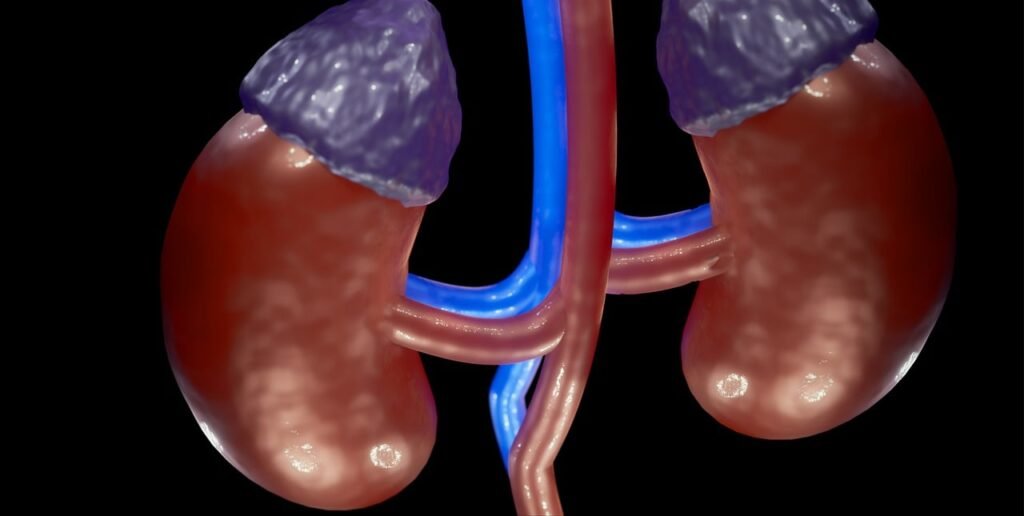
Metanephrines are metabolites, or breakdown products, of catecholamines. Catecholamines are hormones and neurotransmitters involved in the body’s “fight-or-flight” response. The main catecholamines are epinephrine, norepinephrine, and dopamine. Your adrenal glands and parts of the nervous system make these chemicals, and levels normally rise during stress, pain, exercise, acute illness, or fear.
Metanephrine comes mainly from epinephrine metabolism. Normetanephrine comes mainly from norepinephrine metabolism. Some testing panels also include 3-methoxytyramine, a dopamine metabolite that can be useful in selected paraganglioma evaluations.
The clinical reason these metabolites matter is that pheochromocytomas and paragangliomas can produce catecholamines or catecholamine metabolites. These tumors are rare, but they can cause dangerous blood pressure surges, rapid heartbeat, headaches, sweating, tremor, or anxiety-like spells. The Endocrine Society clinical practice guideline recommends initial biochemical testing with plasma free metanephrines or urinary fractionated metanephrines when pheochromocytoma or paraganglioma is suspected.
Why this test is ordered
A clinician may order metanephrines testing when symptoms or clinical findings suggest excess catecholamine production. Common reasons include:
- Episodes of very high blood pressure or difficult-to-control hypertension
- Spells of severe headache, sweating, pounding heartbeat, shakiness, or pallor
- An adrenal mass found incidentally on CT or MRI
- A personal or family history of pheochromocytoma, paraganglioma, or related hereditary syndromes
- Follow-up after treatment for a known catecholamine-producing tumor
MedlinePlus notes that catecholamine-related testing may be used when adults have symptoms such as resistant high blood pressure, severe headaches, sweating, rapid heartbeat, or anxiety-like episodes. In children, related testing may be used for suspected neuroblastoma, a different tumor type.
How to read a metanephrines result
Your report should show the measured value, the unit, and the lab’s reference range. Do not compare your number with a reference range from another lab unless your clinician specifically converts and interprets it. Methods, units, age adjustments, body position, and collection type can differ.
| Result pattern | What it may mean | Common next step |
|---|---|---|
| Within the reference range | Makes a catecholamine-producing tumor less likely, especially in a low-risk person with proper collection conditions. | Clinical follow-up if symptoms continue or pretest suspicion is high. |
| Mildly high, especially one analyte only | Often due to stress, posture, exercise, medications, caffeine, nicotine, alcohol, illness, or collection issues; still needs clinician review. | Repeat testing under controlled conditions or confirm with a different sample type. |
| More than about 2 times the upper reference limit or multiple analytes high | More concerning for true catecholamine excess, depending on context. | Endocrinology review; possible repeat, confirmatory testing, or imaging. |
| More than about 3 times the upper reference limit | Strongly concerning for pheochromocytoma or paraganglioma in the right clinical setting. | Prompt specialist-guided evaluation and localization imaging after biochemical confirmation. |
| Low or low-normal | Usually not clinically important; generally means there is no biochemical evidence of excess catecholamine production. | Usually no action unless the test was done for follow-up or there are concerns about sample quality. |
ARUP Consult’s pheochromocytoma and paraganglioma testing guidance emphasizes interpreting results in clinical context. It notes that plasma results more than twice the upper limit or elevations in more than one analyte may warrant imaging depending on the situation, while results greater than three times the appropriate upper limit are considered diagnostic in many guideline-based frameworks.
What a high metanephrines result can mean
A high metanephrines result means one or more measured metabolites are above the lab’s reference interval. The key question is whether the elevation reflects true autonomous catecholamine production or a false-positive rise from common physiologic or medication-related factors.
Possible medical causes of high metanephrines
- Pheochromocytoma: a catecholamine-producing tumor that arises from adrenal medulla cells.
- Paraganglioma: a related tumor that arises outside the adrenal gland, sometimes in the abdomen, chest, pelvis, head, or neck.
- Neuroblastoma: a pediatric tumor that can raise catecholamine metabolites, usually evaluated with age-appropriate tests.
- Severe physiologic stress: acute illness, heart failure, pain, withdrawal states, sleep apnea, or major anxiety during collection can raise sympathetic activity.
True pheochromocytoma and paraganglioma are uncommon, so the positive predictive value of a mildly abnormal result may be low in people tested with low suspicion. This is why clinicians often confirm borderline results before ordering extensive imaging.
How high is “high”?
The fold elevation matters more than the word “high” on the report. A result just above the reference range may have a very different meaning from a result three or four times the upper limit. For example, a normetanephrine value 10% above the cutoff after a seated blood draw during a stressful office visit is not interpreted the same way as a fasting, supine plasma result several times above the upper limit.
Many laboratories and endocrine specialists treat mild elevations as indeterminate. They may repeat plasma testing with the patient resting quietly while lying down, use a 24-hour urine collection, or review medication and lifestyle factors. More pronounced elevations, especially when multiple metabolites are elevated, typically move the workup forward faster.
Symptoms that make a high result more concerning
A high result is more clinically significant when it matches a typical symptom pattern. Concerning features include:
- Sudden spells of pounding heartbeat, headache, sweating, tremor, and pallor
- Paroxysmal or resistant hypertension
- Blood pressure surges triggered by surgery, anesthesia, urination, certain foods, or medications
- An adrenal or extra-adrenal mass on imaging
- Family history of pheochromocytoma, paraganglioma, MEN2, von Hippel-Lindau disease, neurofibromatosis type 1, or SDHx-related syndromes
Symptoms alone cannot diagnose a tumor, because panic attacks, thyroid disease, medication effects, migraine, arrhythmias, menopause symptoms, autonomic disorders, and other conditions can overlap. The purpose of metanephrines testing is to help sort these possibilities with biochemical evidence.
Common false-positive causes
False positives are common enough that preparation and collection details should be reviewed before assuming a high result means a tumor. ARUP Consult highlights several factors that can raise plasma metanephrines, including sympathetic activation from exercise, physiologic conditions, medications, stress, upright posture during blood draw, and temperature-related stress.
| Factor | Why it matters | What to ask your clinician |
|---|---|---|
| Seated blood draw | Plasma metanephrines can be higher when blood is collected upright. | Should the test be repeated after at least 20 minutes resting supine? |
| Exercise before testing | Vigorous activity increases sympathetic tone. | How long should I avoid strenuous exercise before repeat testing? |
| Caffeine, nicotine, alcohol | These can affect catecholamine physiology or interpretation. | Which substances should I avoid and for how long? |
| Medications | Some antidepressants, stimulants, monoamine oxidase inhibitors, decongestants, acetaminophen in some assays, and other drugs can interfere. | Should any medication be held, or is it safer to test while continuing it? |
| Acute illness or pain | Illness and pain can raise stress hormone pathways. | Would repeat testing after recovery be more reliable? |
| Incomplete 24-hour urine collection | Missing urine or over-collecting can distort results. | Was urine creatinine checked to assess collection completeness? |
Never stop prescribed medication on your own to “clean up” a metanephrines result. For many drugs, the risk of stopping may be greater than the benefit, and the ordering clinician can decide whether a medication washout is safe or necessary.
What a low metanephrines result can mean
A low metanephrines result is usually not a disease signal. In most people, catecholamines and their metabolites are expected to be low when the body is not under stress. The test is designed to identify inappropriate excess production, so values below or near the low end of a lab range usually do not indicate adrenal failure or a dangerous inability to make adrenaline.
There are a few contexts where “low” has meaning:
- After treatment: Falling metanephrines after surgery or other therapy for a functional tumor may suggest reduced tumor catecholamine production.
- During diagnostic exclusion: Normal or low plasma free metanephrines can make pheochromocytoma or paraganglioma unlikely in many low-risk situations when the sample was collected properly. Mayo Clinic Laboratories describes plasma free metanephrines as a strong test for excluding pheochromocytoma when both plasma metanephrine and normetanephrine are normal in the appropriate context.
- Questionable specimen quality: If the result is unexpectedly low and the collection seems incomplete, mislabeled, delayed, or mishandled, the lab or clinician may recommend repeating it.
Low metanephrines do not rule out every possible endocrine or autonomic condition. If your symptoms persist, your clinician may evaluate other causes, such as thyroid disease, primary aldosteronism, medication effects, arrhythmias, sleep apnea, panic disorder, migraine, or autonomic dysfunction.
Plasma free metanephrines vs 24-hour urine metanephrines
Both tests can be appropriate, but they answer the question in slightly different ways.
| Feature | Plasma free metanephrines | 24-hour urine fractionated metanephrines |
|---|---|---|
| Sample | Blood draw | All urine collected over 24 hours |
| Strength | Very sensitive when collected correctly; useful when suspicion is higher | Useful for confirmation; integrates secretion over a full day |
| Main limitation | False positives if drawn seated, stressed, cold, or without adequate rest | Inconvenient; inaccurate if collection is incomplete; less suitable in chronic kidney disease |
| Preparation focus | Quiet, warm setting; fasting if instructed; resting supine before draw | Complete collection; avoid exercise and restricted foods/medications if instructed |
The Endocrine Society guideline recommends plasma free or urinary fractionated metanephrines as initial biochemical tests and suggests using mass spectrometric or electrochemical detection methods rather than less specific approaches when establishing a biochemical diagnosis. ARUP also notes that liquid chromatography with tandem mass spectrometry is preferred because it is less vulnerable to some analytic problems than older methods.
How to prepare for repeat or confirmatory testing
Preparation depends on the exact test and laboratory. Always follow the instructions from the ordering clinician and lab. Common preparation steps include:
- Review all prescriptions, over-the-counter medicines, supplements, nicotine products, and recreational substances.
- Avoid vigorous exercise before testing if instructed.
- Avoid caffeine, nicotine, and alcohol for the recommended period if your clinician advises it.
- Fast before plasma testing if requested, especially if 3-methoxytyramine is included.
- For plasma testing, ask whether the draw will be performed after resting quietly while lying down for at least 20 minutes.
- For 24-hour urine testing, collect every urine specimen during the timed window, keep the container cold as instructed, and return it promptly.
MedlinePlus describes the basic 24-hour urine process: discard the first morning urine, collect all urine for the next 24 hours, keep the container cold, and include the final morning collection at the end of the period. Some laboratories also check urine creatinine to help determine whether the collection was complete.
What happens after an abnormal result?
The next step depends on how abnormal the result is and why testing was ordered.
- Review collection conditions. Was plasma drawn seated or supine? Were you acutely ill? Did you exercise, smoke, drink caffeine, or feel highly stressed before the test?
- Review medications and substances. Bring a complete list to the appointment. Include antidepressants, stimulants, decongestants, blood pressure medications, acetaminophen, caffeine, nicotine, supplements, and any recreational drugs.
- Assess the pattern. Is metanephrine high, normetanephrine high, both high, or is 3-methoxytyramine elevated? The pattern may influence which tumor types or false-positive causes are considered.
- Repeat or confirm if needed. Borderline results often lead to repeat testing under controlled conditions or a different test type.
- Image only when appropriate. The Endocrine Society guideline recommends beginning imaging to locate pheochromocytoma or paraganglioma once there is clear biochemical evidence.
- Refer when complexity is high. Endocrinology referral is common when results are clearly elevated, symptoms are concerning, there is an adrenal mass, pregnancy is involved, or there is hereditary risk.
Seek urgent medical attention for severe chest pain, stroke-like symptoms, fainting, severe shortness of breath, or extremely high blood pressure with concerning symptoms. Those situations require immediate care rather than waiting for routine lab interpretation.
Cost and access considerations
Metanephrines testing is usually ordered by a clinician, especially when used to evaluate possible pheochromocytoma or paraganglioma. Insurance coverage, prior authorization, deductible status, laboratory network, and whether the test is plasma or 24-hour urine can all change the out-of-pocket cost.
If paying cash or comparing options, look at the effective total cost, not just the advertised lab price. The total may include a clinician order fee, specimen collection fee, lab processing charge, shipping or handling for specialized samples, and follow-up visit cost. Plasma metanephrines may also require a collection site able to follow handling instructions, such as supine rest and cold specimen handling, which can affect availability.
For medical decision-making, the lowest price is not always the best value if the collection conditions are poor or the lab method is inappropriate. Ask whether the laboratory reports fractionated metanephrine and normetanephrine, which method is used, how specimens are handled, and whether the ordering clinician will interpret the result in context.
Questions to ask your clinician
- Was my result mildly, moderately, or strongly elevated compared with the upper reference limit?
- Which analyte was abnormal: metanephrine, normetanephrine, both, or 3-methoxytyramine?
- Were my collection conditions ideal, or should the test be repeated?
- Could any of my medications, supplements, caffeine, nicotine, or alcohol have affected the result?
- Should I have plasma testing, 24-hour urine testing, or both?
- Do my symptoms, blood pressure pattern, imaging findings, or family history increase suspicion?
- At what point would imaging or endocrinology referral be appropriate?
FAQs
What does a high metanephrines result mean?
It means one or more catecholamine metabolites are above the reference range. A high result can occur with pheochromocytoma or paraganglioma, but mild elevations are often false positives from stress, posture, exercise, medications, nicotine, caffeine, alcohol, illness, or collection problems.
Does high metanephrines always mean cancer?
No. Many pheochromocytomas are not metastatic, and many high metanephrines results are not tumors at all. The term “paraganglioma” also covers tumors with different locations and behaviors. Your clinician interprets the biochemical pattern, imaging, genetics, and clinical history before discussing cancer risk.
What does low metanephrines mean?
Low metanephrines are usually not clinically important. They generally suggest there is no biochemical evidence of excess catecholamine production at the time of testing. If the test was part of tumor follow-up, low or falling levels may be reassuring.
Can anxiety cause high metanephrines?
Stress and sympathetic activation can contribute to elevated results, particularly mild plasma elevations. Anxiety symptoms can also overlap with catecholamine spells. Because of this overlap, clinicians often repeat borderline results under controlled conditions before concluding that a tumor is present.
Can medications affect metanephrines?
Yes. Some antidepressants, stimulants, monoamine oxidase inhibitors, decongestants, phenoxybenzamine, acetaminophen in certain testing methods, and other agents can affect results or interpretation. Do not stop medication unless the ordering clinician tells you it is safe.
Is plasma or urine testing more accurate?
Plasma free metanephrines are highly sensitive when collected correctly, especially after quiet supine rest. Fractionated 24-hour urine metanephrines are useful for confirmation and may be preferred if proper plasma collection conditions are not available. The best choice depends on your clinical situation.
How high is concerning for pheochromocytoma?
Results more than three times the appropriate upper reference limit are much more concerning than borderline elevations. Results more than twice the upper limit or elevations in more than one analyte may also warrant additional evaluation depending on symptoms, risk factors, and collection quality.
Should imaging be done after one high result?
Not always. Imaging is usually most useful after clear biochemical evidence exists. Mild or indeterminate results may be repeated or confirmed first to avoid incidental findings and unnecessary scans.