
Medical & affiliate disclosure: CTX Stat provides educational laboratory information and is not a substitute for professional medical advice, diagnosis, or treatment. CTX Stat may receive compensation from some outbound provider links when an affiliate program is active; provider comparisons and rankings are based on consumer fit, effective cost, access, policies, and reputation—not commission.
A selenium result can be confusing because selenium is both essential and potentially toxic at higher exposures. A result marked high or low does not diagnose a disease by itself. It tells you that the amount of selenium measured in your blood, serum, plasma, or urine is outside the comparison range used by that laboratory, and it needs to be interpreted with your diet, supplements, symptoms, medical history, and specimen type.
Quick Take
- Low selenium can occur with very low intake, malabsorption, prolonged parenteral nutrition without enough trace minerals, severe nutritional deficiency, dialysis, or certain gastrointestinal conditions. True deficiency is uncommon in many U.S. adults but is clinically important when present.
- High selenium is most often related to supplements, frequent high-selenium foods, occupational or environmental exposure, or, occasionally, sample contamination during collection.
- Symptoms matter. Possible selenium toxicity symptoms include nausea, diarrhea, hair loss, brittle or discolored nails, garlic-like breath odor, fatigue, irritability, and nerve symptoms. Possible deficiency symptoms can include muscle pain or weakness and, in severe cases, heart muscle problems.
- Use your lab’s range. Selenium reference intervals vary by specimen type and lab method. Mayo Clinic Laboratories lists an adult serum reference interval of 110–165 mcg/L, but other labs may use different ranges.
- Do not self-treat with high doses. The National Institutes of Health Office of Dietary Supplements lists the adult tolerable upper intake level for selenium as 400 mcg/day from food and supplements combined.
What selenium does in the body
Selenium is a trace mineral, meaning the body needs it in small amounts. It is incorporated into selenoproteins, which help with antioxidant defense, thyroid hormone metabolism, immune function, reproduction, and other cellular processes. The NIH Office of Dietary Supplements lists seafood, meat, poultry, eggs, dairy products, grains, and Brazil nuts among common dietary sources, with the selenium content of plant foods depending heavily on soil selenium levels.
For most adults, the recommended dietary allowance is 55 mcg/day. Needs are higher during pregnancy and lactation, but the safety ceiling is still important: the adult tolerable upper intake level is 400 mcg/day. That upper limit includes selenium from all sources, not just pills. A multivitamin, a thyroid-support supplement, a hair-and-nail supplement, and a few Brazil nuts can add up quickly.
Selenium testing is not part of routine wellness screening for everyone. It is more commonly ordered when a clinician is evaluating possible deficiency, toxicity, unusual supplement use, malabsorption, long-term parenteral nutrition, occupational exposure, or a complex nutritional picture.
What a selenium test measures
Selenium can be measured in different specimen types, and this is one reason results can be hard to compare across labs.
| Specimen type | What it may reflect | Important interpretation notes |
|---|---|---|
| Serum or plasma selenium | Recent circulating selenium status | Often used to assess deficiency or toxicity, but it can be affected by recent intake and collection issues. ARUP Laboratories notes that serum/plasma contains about 75% of the selenium measured in whole blood and reflects recent dietary intake. |
| Whole blood selenium | Selenium in both plasma and blood cells | May be used for exposure monitoring or nutritional assessment. The reference range is not interchangeable with serum or plasma. |
| Urine selenium | Recent excretion | May be useful in some exposure evaluations. A urine result is not interpreted the same way as a blood result. |
| Hair or nail testing | Longer-term incorporation into keratin tissues | Can be affected by external contamination and is generally not the first-line clinical test for most people. |
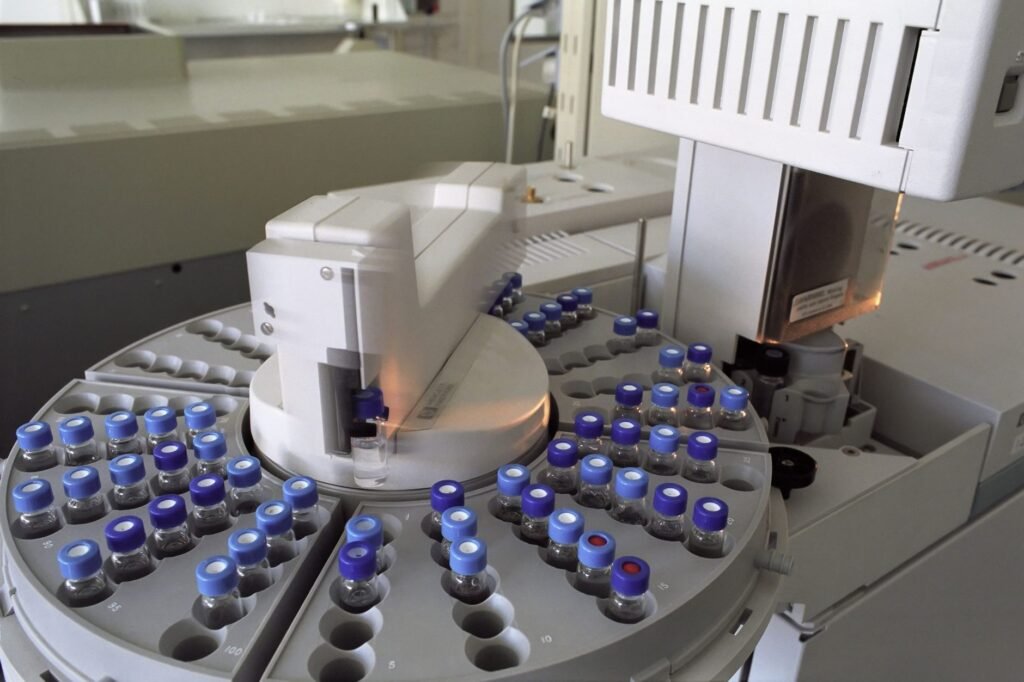
Most clinical selenium tests use inductively coupled plasma mass spectrometry, commonly abbreviated ICP-MS. This method is sensitive for trace elements, but it also requires careful specimen handling. Trace mineral tests are especially vulnerable to contamination if the wrong tube, transfer device, or collection process is used.
What is a normal selenium result?
There is no single universal “normal selenium” number. Your result should be compared with the reference interval printed on the same report, because ranges differ by age, specimen type, and laboratory method.
As one example, Mayo Clinic Laboratories lists an adult serum selenium reference interval of 110–165 mcg/L. The same Mayo entry notes that serum selenium is age-dependent and that serum concentrations in deficiency associated with loss of glutathione peroxidase activity are usually below 40 mcg/L. In contrast, ARUP Laboratories lists a serum/plasma reference interval of 23.0–190.0 ug/L for its assay. These examples illustrate why a selenium number should not be interpreted without the laboratory’s own range.
| Report pattern | What it usually means | What to check before reacting |
|---|---|---|
| Within range | Your measured selenium level falls within that lab’s comparison interval. | Whether you are taking supplements unnecessarily, whether symptoms have another cause, and whether the specimen type fits the clinical question. |
| Borderline low | Selenium status may be mildly low, or the result may reflect recent intake, illness, or lab variation. | Diet history, absorption problems, inflammation, TPN, dialysis, and whether repeat testing is needed. |
| Very low | More concerning for true deficiency, especially if symptoms or risk factors are present. | Muscle symptoms, cardiac symptoms, malnutrition, gastrointestinal disease, and other nutrient deficiencies. |
| Borderline high | May reflect supplements, recent high intake, or a lab-specific cutoff. | Total selenium intake from all products and foods, especially Brazil nuts and “thyroid,” “immune,” or “hairail” supplements. |
| Markedly high | Raises concern for excess intake, exposure, or contamination. | Symptoms of selenosis, occupational exposure, environmental exposure, collection tube type, and confirmation with a properly collected repeat specimen. |
What does a high selenium result mean?
A high selenium result means the measured level is above the laboratory’s reference interval for that specimen. The most common explanation in consumer health settings is usually intake: selenium-containing supplements, multivitamins, high-dose “thyroid support” formulas, antioxidant blends, or frequent Brazil nut intake.
High selenium is clinically important because selenium has a narrower safe intake range than many people realize. The Agency for Toxic Substances and Disease Registry describes selenosis as a condition that can occur with chronic high selenium exposure, with major signs including hair loss, brittle nails, and neurologic abnormalities such as numbness or unusual sensations in the extremities. The NIH also lists possible acute toxicity effects, including gastrointestinal and neurologic symptoms and, in severe cases, serious heart, kidney, or respiratory complications.
Common reasons selenium may be high
- Supplements: Selenium is found in multivitamins, standalone selenium tablets, antioxidant formulas, prostate-health products, immune-support products, and thyroid-support products. Some people unknowingly take selenium from several products at once.
- Brazil nuts: Brazil nuts are a concentrated selenium source, and the selenium content varies widely. Eating them occasionally is different from eating several every day while also taking supplements.
- Occupational exposure: Selenium compounds may be encountered in certain industrial settings, including metal refining, electronics, glass, pigments, and other manufacturing contexts. Inhalational exposure is a different clinical scenario from dietary intake.
- Environmental exposure: High selenium in local soil or water is uncommon for most people but can occur in specific regions or exposure scenarios.
- Specimen contamination: Trace element testing requires metal-free collection materials. ARUP’s test directory notes that elevated serum/plasma selenium results may be due to contamination from skin or collection-related issues and recommends confirmation with a second specimen collected in a certified metal-free tube when contamination is a concern.
Symptoms that can fit selenium excess
Symptoms do not prove selenium toxicity, but they can help determine urgency. Possible symptoms include nausea, vomiting, diarrhea, abdominal discomfort, metallic taste, garlic-like breath odor, fatigue, irritability, hair loss, brittle hair, nail brittleness or nail changes, skin irritation, numbness, tingling, tremor, or other neurologic symptoms. Severe acute ingestion, especially from a concentrated supplement or chemical compound, can be dangerous and needs urgent medical attention.
When to seek urgent help
Seek urgent medical care or poison control guidance if a high selenium result is accompanied by severe vomiting or diarrhea, confusion, fainting, chest pain, shortness of breath, severe weakness, new neurologic symptoms, or a known large ingestion of selenium-containing supplements or chemicals. In the United States, Poison Control can be reached at 1-800-222-1222.
What does a low selenium result mean?
A low selenium result means the measured selenium level is below that laboratory’s reference interval. Mildly low results can occur for several reasons and should be interpreted in context. Severe selenium deficiency is uncommon in many areas of the United States, but it is well recognized in certain clinical settings.
The Merck Manual Consumer Version notes that selenium deficiency is rare and may occur when intake is too low. It is associated with Keshan disease, a cardiomyopathy described in certain low-selenium regions, and can occur in people receiving intravenous nutrition for a long time. Merck also notes that selenium deficiency may interact with iodine deficiency and contribute to thyroid problems in people who have both deficiencies.
Common reasons selenium may be low
- Very low dietary intake: A highly restricted diet, food insecurity, or avoidance of many selenium-containing foods may lower intake.
- Malabsorption: Conditions that reduce absorption, such as certain gastrointestinal diseases or surgeries, can contribute to low selenium and other nutrient deficiencies.
- Long-term parenteral nutrition: People who receive nutrition through an IV require carefully managed trace minerals. Inadequate selenium in parenteral nutrition can lead to deficiency.
- Dialysis or severe kidney disease context: Selenium status can be altered in complex chronic illness, and interpretation should be clinician-guided.
- Critical illness or inflammation: Blood micronutrient levels can shift during acute or chronic illness, so a low level may not always equal simple dietary deficiency.
- Multiple nutrient deficiencies: Selenium deficiency often needs to be evaluated alongside protein status, zinc, copper, iron, vitamin D, B vitamins, iodine status, thyroid tests, and other markers depending on the situation.
Symptoms that can fit selenium deficiency
Possible deficiency-related symptoms include muscle pain, muscle weakness, fatigue, impaired immune function, and, in severe cases, cardiomyopathy. These symptoms are nonspecific; many other conditions can cause them. A low selenium result is most meaningful when it matches a plausible risk factor, a compatible clinical picture, and, when needed, repeat or related testing.
Preparation and factors that affect accuracy
Many selenium blood tests do not require fasting. For example, Labcorp’s consumer selenium test page states that no special preparation is needed for its blood selenium test. However, “no fasting required” does not mean “nothing can affect the result.” Before testing, ask the ordering clinician whether you should continue or temporarily pause nonessential supplements. Do not stop prescribed products or medically directed nutrition formulas without guidance.
Accuracy depends heavily on proper collection. Selenium is a trace element, so collection materials matter. Labs may require royal-blue-top or certified trace-element-free tubes. Mayo Clinic Laboratories cautions that selenium is volatile and that careful specimen collection is necessary for accurate results. ARUP similarly warns that elevated results can reflect contamination from collection-related issues if noncertified materials are used.
To reduce avoidable confusion, bring a complete supplement list to the appointment. Include multivitamins, thyroid support products, fertility supplements, hair and nail products, antioxidant blends, sports powders, electrolyte products, and the number of Brazil nuts you typically eat. If your result is unexpectedly high, this list is often more useful than trying to interpret the number alone.
What to do after a high or low selenium result
The right next step depends on the degree of abnormality, symptoms, and why the test was ordered. These general steps can help you have a more productive conversation with your clinician.
If your selenium is high
- Total your intake. Add selenium from all supplements, multivitamins, powders, and high-selenium foods. Compare the total with the NIH adult upper limit of 400 mcg/day unless your clinician has given different instructions for a specific medical reason.
- Stop duplicate nonessential selenium sources only with appropriate guidance. If you are taking multiple over-the-counter products, your clinician may advise reducing or stopping them, but medically prescribed nutrition plans should be changed only under supervision.
- Look for symptoms. Hair loss, brittle nails, gastrointestinal symptoms, garlic-like breath, numbness, or tingling make the result more concerning.
- Consider confirmation. If the number is surprising or inconsistent with your history, a repeat specimen collected in the correct trace-element-free tube may be appropriate.
- Assess exposure. If you work with selenium compounds or have a possible environmental exposure, occupational or environmental medicine input may be needed.
If your selenium is low
- Review diet and absorption risks. A clinician or registered dietitian may ask about protein intake, seafood, meat, eggs, grains, nuts, gastrointestinal symptoms, prior surgery, and restricted eating patterns.
- Check related conditions. Depending on symptoms, follow-up may include thyroid testing, markers of malnutrition, inflammatory markers, kidney function, liver tests, complete blood count, and other micronutrients.
- Avoid high-dose self-treatment. Selenium supplementation can be helpful when deficiency is real, but excess can be harmful. More is not better.
- Use food-first strategies when appropriate. Many people can meet selenium needs through ordinary foods, but the right plan depends on diet pattern, allergies, kidney disease, pregnancy, and other health factors.
- Repeat or monitor when needed. If supplementation or nutrition therapy is started, follow-up testing may be used to confirm correction and avoid overshooting into excess.
Food and supplement context
Selenium intake varies widely. A person eating a varied diet may already meet daily needs without a supplement. Another person with malabsorption, severe dietary restriction, or long-term IV nutrition may need medically supervised supplementation. The key is matching intake to need.
| Source | Why it matters for results | Practical note |
|---|---|---|
| Multivitamin | Often contains selenium, commonly unnoticed | Check the Supplement Facts label for mcg per serving. |
| Brazil nuts | Can be very high in selenium | Daily multiple-nut intake can be excessive for some people. |
| Thyroid support supplements | Frequently include selenium | Use caution if also taking a multivitamin or standalone selenium. |
| Seafood, meat, poultry, eggs, grains | Common dietary contributors | Usually safer than high-dose supplementation for people without deficiency. |
| Parenteral nutrition | Requires trace mineral management | Should be managed by a clinical nutrition team. |
Selenium has also been marketed for cancer prevention, prostate health, immunity, and thyroid health. Evidence does not support taking selenium supplements for general cancer prevention. The National Cancer Institute’s SELECT trial summary reports that selenium and vitamin E, alone or together, did not prevent prostate cancer in the trial. This is a good example of why supplement decisions should be based on deficiency risk and medical context rather than broad marketing claims.
FAQs about high and low selenium results
What does a high selenium result mean?
It means your selenium level is above the reference interval for the specimen tested. The most common explanations include supplements, frequent high-selenium foods, occupational or environmental exposure, or specimen contamination. The seriousness depends on how high the result is, whether you have symptoms, and whether the result is confirmed.
What does a low selenium result mean?
It suggests lower-than-expected selenium status. This can happen with very low intake, malabsorption, prolonged parenteral nutrition without adequate trace minerals, severe nutritional deficiency, dialysis, gastrointestinal disease, or complex illness. Mild low results may need confirmation and context before treatment.
What is the difference between serum selenium and whole blood selenium?
Serum or plasma selenium reflects circulating selenium and more recent intake. Whole blood includes selenium in blood cells as well as plasma, so its values and reference intervals are different. Do not compare a whole-blood result with a serum reference range.
Can a selenium result be falsely high?
Yes. Trace element tests can be affected by contamination from collection materials, transfer devices, skin, or non-metal-free tubes. If a high result does not match your supplement use, diet, or symptoms, your clinician may repeat the test with strict trace-element collection procedures.
Can I fix low selenium by eating Brazil nuts?
Sometimes increasing dietary selenium is reasonable, but Brazil nuts can contain large and variable amounts of selenium. Eating several per day can overshoot the safe range, especially if you also take supplements. Ask your clinician or dietitian for a specific plan if your result is truly low.
Is selenium important for thyroid health?
Yes, selenium is involved in thyroid hormone metabolism. However, that does not mean everyone with thyroid symptoms should take selenium. Thyroid symptoms can have many causes, and selenium excess can be harmful. Testing and supplement decisions should be individualized by a healthcare professional.
Should I stop selenium supplements before testing?
Ask the ordering clinician. Stopping a nonessential supplement before testing may help clarify baseline status in some cases, but stopping prescribed nutrition support or medically directed supplementation can be unsafe. Always tell the lab or clinician what you took and when.
How much selenium is too much?
For adults, the NIH lists the tolerable upper intake level as 400 mcg/day from food and supplements combined. Toxicity can still depend on duration, chemical form, individual health factors, and total exposure. A lab result above range should be interpreted with your actual intake and symptoms.
Bottom line
A high or low selenium result is a clue, not a standalone diagnosis. High selenium most often points toward excess intake, supplements, exposure, or collection contamination. Low selenium is more concerning when it appears with malabsorption, long-term parenteral nutrition, severe dietary restriction, dialysis, or compatible symptoms. Because selenium is essential but potentially toxic, the safest next step is to review the result, reference range, specimen type, supplements, diet, symptoms, and possible need for repeat testing with a qualified healthcare professional.
Source Notes
- NIH Office of Dietary Supplements: Selenium Fact Sheet for Health Professionals
- ARUP Laboratories Test Directory: Selenium, Serum or Plasma
- Agency for Toxic Substances and Disease Registry
- Merck Manual Consumer Version: Selenium Deficiency
- National Cancer Institute: SELECT Trial Questions and Answers