Medical & affiliate disclosure: CTX Stat provides educational laboratory information and is not a substitute for professional medical advice, diagnosis, or treatment. CTX Stat may receive compensation from some outbound provider links when an affiliate program is active; provider comparisons and rankings are based on consumer fit, effective cost, access, policies, and reputation—not commission.
Quick take
Pituitary blood tests are used to look for hormone levels that are too high, too low, or poorly coordinated with the glands the pituitary controls. Common tests include prolactin, thyroid-stimulating hormone (TSH) with free T4, adrenocorticotropic hormone (ACTH) with cortisol, luteinizing hormone (LH) and follicle-stimulating hormone (FSH) with sex hormones, insulin-like growth factor 1 (IGF-1), and sometimes blood sodium and osmolality studies. The pituitary gland is often described as a “master” endocrine gland because it helps regulate thyroid, adrenal, reproductive, growth, and fluid-balance systems; MedlinePlus summarizes pituitary disorders as conditions in which the body often has too much or too little of one or more hormones. MedlinePlus
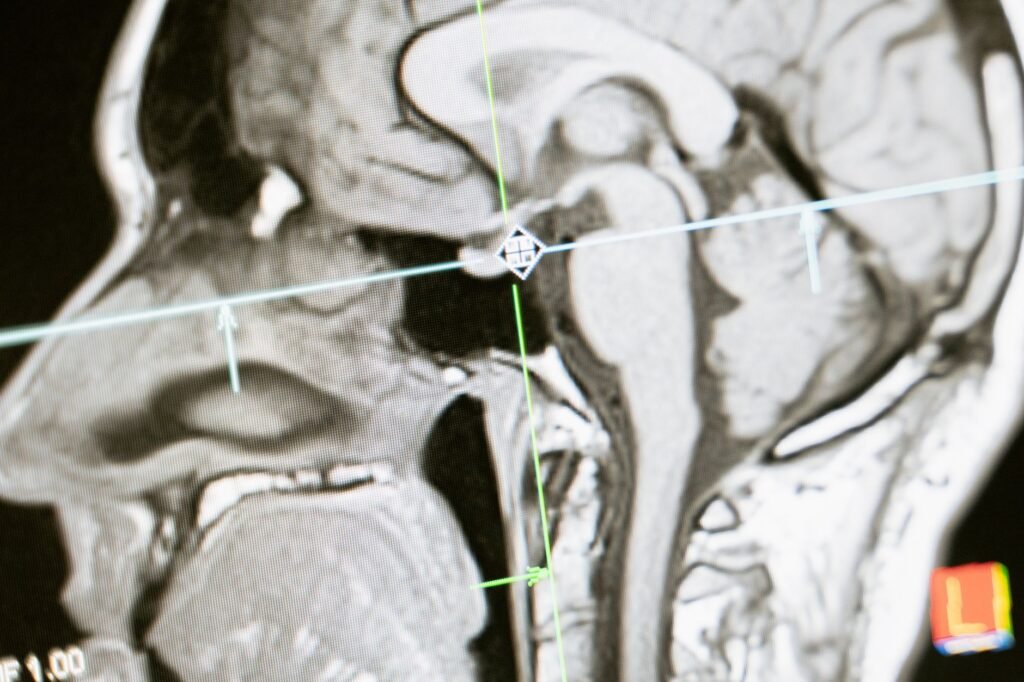
Blood testing is usually only one part of a pituitary evaluation. Depending on the suspected disorder, clinicians may also use urine or saliva cortisol testing, stimulation or suppression tests, pituitary MRI, vision testing, medication review, pregnancy testing, or referral to an endocrinologist. Mayo Clinic notes that pituitary tumor evaluation may include blood tests, urine tests, brain MRI, CT in selected circumstances, and vision testing when the optic nerves may be affected. Mayo Clinic
What pituitary blood tests measure
The pituitary sits at the base of the brain and releases hormones that communicate with other endocrine glands. Instead of asking only, “Is the pituitary level normal?” clinicians often ask whether the pituitary signal and the target-gland hormone make sense together. For example, TSH is a pituitary signal to the thyroid. If free T4 is low but TSH is not appropriately high, the pattern may raise concern for central, meaning pituitary or hypothalamic, hypothyroidism rather than the more common primary thyroid disease.
That paired interpretation is important across several hormone systems. ACTH is interpreted with cortisol; LH and FSH are interpreted with estradiol, testosterone, menstrual status, age, and fertility context; and growth hormone activity is usually screened with IGF-1 because growth hormone itself is released in pulses. Endocrine Society patient guidance for hypopituitarism describes blood tests for hormone levels and notes that low morning cortisol with an inadequate response to stimulation can suggest that the pituitary is not making enough ACTH. Endocrine Society
Pituitary blood tests are ordered for several broad reasons: symptoms of hormone excess, symptoms of hormone deficiency, follow-up of a known pituitary tumor, monitoring after surgery or radiation, evaluation of an incidental pituitary finding on imaging, or assessment of fertility, growth, menstrual, sexual, adrenal, thyroid, or fluid-balance problems. The Endocrine Society’s pituitary incidentaloma guideline recommends laboratory evaluation for hormone hypersecretion and hypopituitarism when an incidental pituitary lesion is found, with visual field testing when the lesion is close to the optic nerves or chiasm. Endocrine Society guideline
Common pituitary blood tests
| Test or test group | What it helps evaluate | Common interpretation issue |
|---|---|---|
| Prolactin | Prolactinoma, medication effects, infertility, irregular periods, milk production not related to pregnancy or breastfeeding, low libido or erectile dysfunction | High prolactin has many possible causes; one result does not automatically prove a pituitary tumor. |
| TSH and free T4 | Thyroid axis and possible central hypothyroidism or, less often, central hyperthyroidism | TSH alone can be misleading when pituitary disease is suspected; free T4 is essential. |
| Morning cortisol and ACTH | Adrenal insufficiency, ACTH excess, Cushing disease workup, pituitary-adrenal function | Timing matters because cortisol follows a daily rhythm; dynamic testing is often needed. |
| LH, FSH, estradiol, testosterone | Reproductive axis, menstrual changes, infertility, delayed or early puberty, low testosterone symptoms | Results depend heavily on age, sex, cycle timing, pregnancy, menopause, and medication use. |
| IGF-1 | Growth hormone excess or deficiency screening | IGF-1 is age-adjusted; abnormal or borderline results often require confirmatory testing. |
| Sodium, serum osmolality, urine osmolality, sometimes copeptin | Possible central diabetes insipidus or other causes of excessive thirst and urination | Fluid intake, kidney function, glucose levels, and medications can complicate interpretation. |
Prolactin
Prolactin is one of the most commonly ordered pituitary blood tests. A prolactin test measures the level of prolactin in a blood sample. MedlinePlus explains that high prolactin can be caused by prolactinoma, certain medicines, hypothyroidism, kidney disease, chest injuries, and other pituitary tumors, and that the test helps guide what additional testing may be needed. MedlinePlus
Preparation and timing vary by clinician and lab. Prolactin can change during the day, and MedlinePlus notes that blood collection may be scheduled three to four hours after waking; medicines and vitamins can affect the result, so the ordering clinician needs a full medication and supplement list. Very high prolactin may point strongly toward a prolactinoma, but mildly elevated prolactin is common and may need repeat testing, thyroid testing, pregnancy testing when applicable, or a review of dopamine-blocking drugs, antidepressants, antipsychotics, opioids, estrogen therapy, kidney function, and chest-wall irritation.
TSH and free T4
TSH is made by the pituitary and tells the thyroid how much thyroid hormone to make. MedlinePlus describes the feedback relationship: when thyroid hormone is low, the pituitary generally makes more TSH; when thyroid hormone is high, TSH usually falls. MedlinePlus
In routine primary thyroid disease, TSH is often the first screening test. In suspected pituitary disease, however, TSH must be interpreted with free T4. A low free T4 with a low, normal, or only mildly elevated TSH can suggest that the thyroid is not receiving an adequate pituitary signal. This is one reason people with known pituitary disease are often monitored using free T4 rather than relying on TSH alone. Conversely, a high free T4 with an inappropriately normal or high TSH is unusual and may prompt evaluation for rare conditions such as a TSH-secreting pituitary adenoma or thyroid hormone resistance.
ACTH and cortisol
ACTH is the pituitary hormone that signals the adrenal glands to make cortisol. MedlinePlus notes that ACTH testing is usually done with cortisol testing because ACTH controls cortisol production. MedlinePlus
For possible adrenal insufficiency from pituitary disease, clinicians commonly start with an early-morning cortisol, often with ACTH. Very low morning cortisol can be concerning; clearly adequate morning cortisol can be reassuring in some settings; and intermediate results often require stimulation testing. For possible cortisol excess, a random morning cortisol is generally not enough to diagnose Cushing syndrome because stress, sleep disruption, depression, alcohol use, obesity, medications, and acute illness can affect cortisol patterns. Instead, clinicians usually use validated screening strategies such as late-night salivary cortisol, 24-hour urinary free cortisol, or dexamethasone suppression testing.
LH, FSH, estradiol, and testosterone
LH and FSH are pituitary hormones that regulate ovarian and testicular function. They may be ordered for irregular or absent periods, infertility, delayed puberty, early puberty, symptoms of low testosterone, hot flashes before the expected age of menopause, or monitoring after pituitary surgery or radiation. These tests are rarely interpreted in isolation. A low testosterone with low or inappropriately normal LH and FSH suggests a central signal problem; a low sex-hormone level with high LH and FSH often points toward primary ovarian or testicular failure.
Cycle timing matters for many reproductive-hormone tests. Oral contraceptives, gender-affirming hormone therapy, fertility medications, anabolic steroids, glucocorticoids, opioids, severe illness, eating disorders, intense exercise, and significant weight change can all affect the hypothalamic-pituitary-gonadal axis. In children and adolescents, results require age- and puberty-stage interpretation.
IGF-1 and growth hormone-related testing
Growth hormone is difficult to evaluate with a single random blood draw because it is secreted in pulses and varies with sleep, exercise, nutrition, glucose, age, and body composition. IGF-1, which is produced largely in response to growth hormone, is a more stable screening marker. NIDDK explains that a high IGF-1 level suggests acromegaly in most cases and that an oral glucose tolerance test is used to confirm the diagnosis. NIDDK
The Endocrine Society acromegaly guideline states that a normal IGF-1 level effectively excludes acromegaly in most circumstances, while elevated or equivocal IGF-1 should be confirmed by showing that growth hormone does not suppress appropriately after an oral glucose load. Endocrine Society guideline Growth hormone deficiency testing is different: clinicians may use stimulation tests rather than random growth hormone levels, especially in adults.
Sodium, osmolality, urine studies, and copeptin
The posterior pituitary stores and releases vasopressin, also called antidiuretic hormone, which helps the kidneys conserve water. When central diabetes insipidus is suspected, testing may include blood sodium, serum osmolality, urine osmolality, urine volume assessment, and sometimes specialized copeptin-based testing. Endocrine Society patient guidance notes that a water deprivation test may be needed for diabetes insipidus. Endocrine Society
These tests should be clinician-directed because dehydration, excessive water intake, uncontrolled diabetes mellitus, kidney disease, diuretics, lithium, and electrolyte disorders can produce overlapping symptoms. Endotext describes newer diagnostic approaches using copeptin, a stable marker related to vasopressin release, and notes that hypertonic-saline-stimulated copeptin can be more accurate than traditional water-deprivation approaches in differentiating central diabetes insipidus from primary polydipsia in specialized settings. Endotext
How pituitary blood test results are interpreted
Pituitary results are pattern-based. The most useful question is often whether the pituitary hormone is appropriate for the downstream hormone level. If the target gland is underactive, the pituitary signal should usually rise. If the target gland is overactive, the pituitary signal should usually fall. When that feedback loop does not fit, clinicians consider pituitary or hypothalamic causes, medication effects, lab interference, acute illness, and timing problems.
| Possible pattern | Example | What clinicians may consider next |
|---|---|---|
| High pituitary hormone with high downstream hormone | High or nonsuppressed TSH with high free T4 | Rare central hyperthyroidism, assay interference, thyroid hormone resistance, medication effects |
| Low pituitary hormone with low downstream hormone | Lowormal ACTH with low cortisol; lowormal TSH with low free T4 | Central hormone deficiency, pituitary or hypothalamic disease, medication effects, dynamic testing |
| High pituitary hormone with low downstream hormone | High TSH with low free T4; high LH/FSH with low sex hormones | Primary thyroid, ovarian, or testicular disease rather than a pituitary cause |
| Isolated hormone excess | High prolactin or high IGF-1 | Repeat or confirmatory testing, medication review, pregnancy testing when relevant, pituitary MRI if indicated |
Reference ranges are not universal. They vary by laboratory method, units, age, sex, pregnancy status, menstrual cycle phase, and time of day. A result just outside the range may not mean the same thing as a result several times above or below the range. Endocrine testing is also vulnerable to pre-analytic variables: whether the sample was collected at the right time, whether the patient was fasting if required, how stressful the blood draw was, whether biotin or other supplements were used, and whether the specimen was handled correctly.
When dynamic testing is needed
Dynamic testing is used when a baseline hormone level does not answer the clinical question. It measures the body’s response to stimulation or suppression. This is common in pituitary medicine because several hormones are pulsatile, stress-responsive, or controlled by feedback loops.
- ACTH stimulation test: evaluates whether the adrenal glands can produce cortisol after synthetic ACTH. It is often used when adrenal insufficiency is possible, though some central adrenal problems may need specialist interpretation.
- Insulin tolerance, glucagon, macimorelin, or other growth hormone stimulation tests: may be used to evaluate growth hormone deficiency, depending on age, safety considerations, local protocols, and availability.
- Oral glucose tolerance test with growth hormone: helps confirm acromegaly when IGF-1 is elevated or equivocal, because growth hormone should suppress after glucose in people without acromegaly.
- Dexamethasone suppression test: helps screen for cortisol excess by checking whether cortisol suppresses after dexamethasone.
- Late-night salivary cortisol or 24-hour urinary free cortisol: evaluates cortisol excess using the loss of normal daily rhythm or excess total daily cortisol production.
- Water deprivation or copeptin-based testing: helps distinguish central diabetes insipidus, nephrogenic diabetes insipidus, and primary polydipsia.
For Cushing syndrome, the Endocrine Society guideline recommends initial use of one high-accuracy screening test such as urinary free cortisol, late-night salivary cortisol, or a dexamethasone suppression test. Endocrine Society guideline If screening suggests cortisol excess, additional testing is used to confirm the diagnosis and determine whether the source is pituitary, adrenal, medication-related, or ectopic ACTH production.
How to prepare for pituitary blood tests
Preparation depends on the test. Always follow the instructions on the lab order, because timing and fasting requirements can change the meaning of results. For pituitary testing, the most common preparation issues are timing, medication review, supplement review, and whether illness or stress could make the result hard to interpret.
- Ask what time to draw the sample. Morning timing is common for cortisol and ACTH. Prolactin may be timed a few hours after waking.
- Do not stop prescriptions on your own. Steroids, thyroid hormone, estrogen, testosterone, dopamine agonists, antipsychotics, seizure medicines, opioids, and fertility medicines can affect endocrine tests, but stopping them without guidance can be unsafe.
- Mention biotin and supplements. High-dose biotin can interfere with some immunoassays. The ordering clinician or lab can advise whether to pause it before testing.
- Report pregnancy or recent childbirth when relevant. Pregnancy and breastfeeding substantially affect prolactin, thyroid, cortisol, and reproductive hormones.
- Ask whether fasting is required. Some tests do not require fasting; others, such as certain prolactin repeats or glucose-based testing, may.
- Clarify collection details for saliva or urine tests. Late-night saliva and 24-hour urine collections are only useful if collected at the correct time and handled properly.
If results are unexpected, repeat testing is common. A repeat may be ordered at a different time of day, with fasting, after addressing an interfering medication or supplement, or using a different assay. That does not mean the first result was ignored; it means endocrine diagnosis often requires confirmation before imaging, long-term medication, surgery, or other major decisions.
Blood tests versus MRI: why both may be used
Blood tests show hormone function; MRI shows pituitary anatomy. A small pituitary lesion can be hormonally silent, while a hormonally active tumor may be small and difficult to see. Conversely, a pituitary abnormality found on MRI may not be causing symptoms. This is why clinicians usually match symptoms, blood and urine testing, eye findings, and imaging.
Mayo Clinic notes that blood tests for pituitary adenoma commonly look for extra hormone made by a tumor and for low levels of pituitary hormones, while MRI can identify the tumor’s size and location. Mayo Clinic Vision testing becomes especially important when a larger lesion approaches the optic chiasm, where pressure can affect peripheral vision.
Cost and access considerations
The cost of pituitary blood tests depends on how many hormones are ordered, whether testing is done through insurance or self-pay, whether the collection site charges a draw fee, whether an ordering clinician or telehealth visit is required, and whether dynamic testing is performed in an infusion center or endocrine testing unit. A single routine hormone blood test is usually much less expensive than a multi-hour stimulation test, 24-hour urine collection with multiple analytes, or imaging such as pituitary MRI.
When comparing out-of-pocket options, look beyond the advertised lab price. The effective cost to the patient may include the test itself, specimen collection, clinician order or consultation fees, follow-up visit charges, shipping if a home kit is involved, and repeat or confirmatory testing. Availability can also vary by state, lab network, age, pregnancy status, and whether the test requires supervised administration of a medication such as dexamethasone, glucagon, insulin, ACTH analog, or hypertonic saline.
For symptoms suggesting a possible pituitary disorder, the cheapest test is not always the best first test. A targeted clinician-ordered panel can prevent paying for isolated results that cannot be interpreted. This is especially true for cortisol, growth hormone, and reproductive testing, where timing and clinical context strongly affect interpretation.
Practical next steps after abnormal results
- Compare the result with the correct reference range. Use the range printed by the performing laboratory and confirm the units.
- Check whether timing matched the test. A cortisol drawn in the afternoon is interpreted differently from an early-morning cortisol.
- Review medications and supplements. Bring a complete list, including injections, creams, inhalers, over-the-counter supplements, and high-dose biotin.
- Ask whether the result needs confirmation. Many pituitary-related abnormalities are repeated before imaging or treatment.
- Ask what axis is being evaluated. Thyroid, adrenal, reproductive, growth hormone, prolactin, and water-balance systems each have different next steps.
- Seek urgent care for red flags. Sudden severe headache, new vision loss, fainting, severe vomiting, confusion, very low blood pressure, or severe dehydration symptoms require prompt medical evaluation.
FAQs about pituitary blood tests
What blood tests are commonly used for pituitary disorders?
Common tests include prolactin, TSH with free T4, ACTH with morning cortisol, LH and FSH with estradiol or testosterone, IGF-1, and sometimes sodium, serum osmolality, urine osmolality, and copeptin. The right set depends on whether the concern is hormone excess, hormone deficiency, fertility, growth hormone disease, adrenal function, thyroid function, or water-balance symptoms.
Can a single blood test diagnose a pituitary tumor?
Usually not. Some results, such as markedly high prolactin, may strongly suggest a functioning pituitary adenoma, but clinicians typically confirm the pattern, review medications and pregnancy status when relevant, and use MRI or other tests when indicated. A pituitary tumor diagnosis is usually based on a combination of biochemical, imaging, and clinical findings.
Why are pituitary tests often drawn in the morning?
ACTH and cortisol follow a daily rhythm, with cortisol usually highest in the early morning. Prolactin also varies over the day and may rise with sleep, stress, and nipple or chest-wall stimulation. Morning or specifically timed testing improves interpretability.
What is the difference between a pituitary hormone and a target-gland hormone?
A pituitary hormone is the signal, such as TSH, ACTH, LH, or FSH. A target-gland hormone is the hormone released in response, such as free T4 from the thyroid, cortisol from the adrenal glands, testosterone from the testes, or estradiol from the ovaries. Interpreting both together helps identify whether the problem is central or primary.
Do normal pituitary blood tests rule out all pituitary disorders?
No. Normal results can be reassuring for the hormone systems tested, but they do not rule out every pituitary problem. Some disorders are intermittent, early, medication-related, or require dynamic testing. Imaging and visual field testing may still be relevant when symptoms or MRI findings suggest a structural pituitary issue.
Are at-home pituitary blood tests enough?
At-home collection may be appropriate for selected routine blood or saliva tests when ordered and interpreted correctly, but many pituitary evaluations require timed venous samples, supervised medication administration, dynamic testing, or imaging. At-home results should not be used alone to diagnose or exclude a pituitary disorder.
When should an endocrinologist be involved?
An endocrinologist is often helpful when results suggest central adrenal insufficiency, Cushing disease, acromegaly, hypopituitarism, diabetes insipidus, a pituitary mass, multiple abnormal hormone axes, or symptoms that do not match routine testing. Specialist input is also important before dynamic testing or pituitary MRI decisions.
Source Notes
- MedlinePlus — Adrenocorticotropic Hormone Acth
- MedlinePlus — Pituitarydisorders
- Mayo Clinic: Pituitary Tumors and Adenomas — Diagnosis and Treatment
- Endocrine Society: Hypopituitarism
- Endocrine Society guideline
- MedlinePlus — Prolactin Levels
- MedlinePlus — Tsh Thyroid Stimulating Hormone Test
- niddk.nih.gov — Acromegaly
- Endocrine Society Clinical Practice Guideline: Acromegaly
- Endocrine Society
- Endotext: Diagnostic Tests for Diabetes Insipidus
- Endocrine Society Clinical Practice Guideline: Diagnosis of Cushing’s Syndrome