
Medical & affiliate disclosure: CTX Stat provides educational laboratory information and is not a substitute for professional medical advice, diagnosis, or treatment. CTX Stat may receive compensation from some outbound provider links when an affiliate program is active; provider comparisons and rankings are based on consumer fit, effective cost, access, policies, and reputation—not commission.
Quick Take
- A sodium blood test measures the concentration of sodium in your blood, not how much salt you ate that day.
- Sodium is an electrolyte that helps regulate body water, nerve signals, muscle function, blood pressure, and acid-base balance. MedlinePlus describes sodium testing as a routine way to check fluid and electrolyte balance, often as part of an electrolyte panel, basic metabolic panel, or comprehensive metabolic panel. MedlinePlus: Sodium Blood Test
- A common adult reference range is 135 to 145 mEq/L or 135 to 145 mmol/L, but the exact range can vary by lab. MedlinePlus Medical Encyclopedia
- Low sodium is called hyponatremia; high sodium is called hypernatremia. Both can be mild or serious depending on the number, how fast it changed, and whether symptoms are present.
- Emergency symptoms include confusion, seizures, severe weakness, fainting, loss of consciousness, or severe vomiting. Do not try to self-correct a major sodium abnormality with salt tablets, water restriction, or excessive fluids unless a clinician tells you to.
What is a sodium blood test?
A sodium blood test measures the amount of sodium in the liquid portion of your blood. Sodium is one of the body’s main electrolytes, meaning it carries an electrical charge when dissolved in body fluids. Your body keeps blood sodium in a narrow range because sodium concentration is closely tied to water balance inside and outside cells.
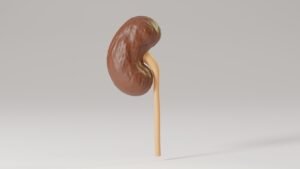
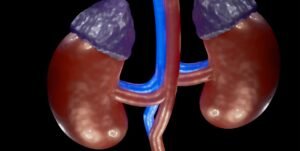
Although sodium is found in table salt and many foods, a blood sodium result is not a simple diet score. It reflects a balance among fluid intake, salt intake, kidney handling of water and sodium, hormones such as aldosterone and antidiuretic hormone, sweating, vomiting or diarrhea, IV fluids, and medicines. Your kidneys play a central role by filtering blood and adjusting how much sodium and water are excreted in urine.
Sodium may appear on a lab report as sodium, Na, or serum sodium. The result is usually reported in mEq/L or mmol/L. For sodium, these units are numerically equivalent, so a sodium of 140 mEq/L is the same number as 140 mmol/L.
Most people do not order a sodium test by itself. It is commonly included in an electrolyte panel, which often includes sodium, potassium, chloride, and bicarbonate or carbon dioxide. It is also included in a basic metabolic panel and comprehensive metabolic panel, which add information such as kidney function, glucose, calcium, and sometimes liver-related markers.
Why a clinician may order a sodium blood test
A sodium blood test is used both for general health screening and for focused evaluation when fluid or electrolyte imbalance is possible. Because sodium changes can reflect kidney function, hydration, hormone signaling, medication effects, and acute illness, the result is interpreted in context rather than by itself.
| Reason for testing | Why sodium helps |
|---|---|
| Routine checkup or medication monitoring | Diuretics, some blood pressure medicines, antidepressants, lithium, corticosteroids, NSAIDs, and other medicines can affect fluid and sodium balance. MedlinePlus notes several medicine groups that may affect sodium testing. MedlinePlus Medical Encyclopedia |
| Symptoms such as fatigue, weakness, confusion, nausea, cramps, twitching, or seizures | These can occur with sodium levels that are too low or too high, especially when the change is rapid. |
| Vomiting, diarrhea, fever, heavy sweating, burns, or poor fluid intake | These situations can change water and sodium balance and may lead to dehydration or electrolyte abnormalities. |
| Kidney, heart, liver, adrenal, thyroid, or lung disease | These conditions can affect water handling, blood volume, and hormones that regulate sodium concentration. |
| Hospital care, surgery, IV fluids, or serious illness | Sodium may shift quickly during acute illness or treatment, so repeat monitoring may be needed. |
For people with chronic medical conditions, sodium testing is often paired with kidney markers such as creatinine and blood urea nitrogen, glucose testing, urine sodium, urine osmolality, and serum osmolality. The American Academy of Family Physicians notes that when the cause of hyponatremia is not clear from the history, common initial tests include serum osmolality, a comprehensive metabolic profile, and urine testing for sodium, creatinine, and osmolality. American Family Physician
How to prepare for a sodium blood test
A sodium-only blood test usually requires little preparation. You can typically eat and drink normally unless your clinician or lab gives different instructions. If sodium is being tested as part of a metabolic panel with other tests, you may be told to fast for several hours, especially if glucose or lipid testing is being done at the same visit.
Before the test, tell your healthcare professional about prescription medicines, over-the-counter medicines, supplements, and recent changes in fluid intake. MedlinePlus specifically advises not stopping medicines before a sodium test unless your provider tells you to do so. MedlinePlus: Sodium Blood Test
Practical prep tips
- Do not overcorrect before testing. Avoid suddenly drinking large amounts of water or deliberately eating extra salt before the draw unless instructed.
- Ask about fasting. Sodium alone usually does not require fasting, but a broader panel might.
- Bring medication details. Include diuretics, antidepressants, lithium, NSAIDs, blood pressure medicines, steroids, laxatives, and supplements.
- Mention recent illness. Vomiting, diarrhea, fever, heavy exercise, heat exposure, surgery, or IV fluids can matter.
- Follow urgent instructions. If the test is being done because of confusion, seizure, severe weakness, or significant dehydration, do not delay care to prepare for the lab draw.
The blood draw itself is routine. A healthcare professional cleans the skin, places a small needle into a vein, collects a small amount of blood in a tube, and removes the needle. The draw usually takes only a few minutes. Mild pain, bruising, or lightheadedness can occur, but serious complications from a standard blood draw are uncommon.
How to read sodium blood test results
A typical adult sodium reference range is about 135 to 145 mEq/L. Some labs may use slightly different reference intervals based on their methods and patient population. Always compare your number with the range printed on your report and ask the ordering clinician how it fits your situation.
| Blood sodium result | Common interpretation | What it may prompt |
|---|---|---|
| About 135–145 mEq/L | Often within the usual adult reference range | Interpret with other panel results, symptoms, and medications. |
| Below 135 mEq/L | Hyponatremia, or low blood sodium | Evaluation may include glucose, kidney function, serum osmolality, urine sodium, urine osmolality, thyroid or adrenal testing, and medication review. |
| Above 145 mEq/L | Hypernatremia, or high blood sodium | Evaluation often focuses on water loss, inadequate fluid intake, urine output, kidney function, diabetes insipidus, medicines, and acute illness. |
The same sodium number can mean different things in different people. A sodium of 132 mEq/L in a stable outpatient may be handled very differently from a sodium of 132 mEq/L with sudden confusion, seizure, or a rapid drop from a higher baseline. The speed of change matters because brain cells adapt to sodium changes over time. Rapid shifts are more likely to cause neurological symptoms and require urgent management.
Some labs define very low or very high values as critical and contact the ordering clinician promptly. For example, Mayo Clinic Laboratories lists critical sodium thresholds of 120 mmol/L or lower and 160 mmol/L or higher for many patients, but critical limits are laboratory-specific and do not replace clinical judgment. Mayo Clinic Laboratories Critical Values
What low sodium can mean
Low sodium, or hyponatremia, means the sodium concentration in the blood is below the lab’s reference range. In many cases, hyponatremia is not caused by too little dietary salt. It often reflects too much water relative to sodium in the bloodstream, loss of sodium-containing fluids, impaired water excretion, medication effects, or hormone-related conditions.
Possible causes or contributors include:
- Vomiting, diarrhea, or heavy sweating
- Diuretic medicines, especially thiazide diuretics
- Some antidepressants, anti-seizure medicines, pain medicines, and other drugs
- Kidney disease, heart failure, cirrhosis, or conditions that cause the body to hold extra water
- Adrenal insufficiency, severe hypothyroidism, or syndrome of inappropriate antidiuretic hormone secretion
- Very high blood sugar, which can pull water into the bloodstream and lower measured sodium concentration
- Excessive water intake in specific settings, such as endurance events, certain psychiatric conditions, or impaired water excretion
Symptoms can include nausea, headache, fatigue, weakness, muscle cramps, confusion, twitching, seizures, or coma. Mayo Clinic advises emergency care for serious signs such as confusion, seizures, or loss of consciousness. Mayo Clinic: Hyponatremia
Treatment depends on the cause, symptoms, severity, and how quickly sodium fell. Some cases involve changing a medication, treating vomiting or diarrhea, adjusting fluids, managing heart, kidney, liver, thyroid, or adrenal disease, or giving carefully monitored IV therapy. Severe symptomatic hyponatremia is a medical situation that requires close monitoring because raising sodium too quickly can be dangerous.
What high sodium can mean
High sodium, or hypernatremia, means the sodium concentration in the blood is above the lab’s reference range. Hypernatremia is commonly a water-balance problem: there is too little water relative to sodium in the bloodstream. This can happen when water loss is high, fluid intake is too low, or the kidneys cannot conserve water appropriately.
Possible causes or contributors include:
- Dehydration from inadequate fluid intake, fever, diarrhea, vomiting, heavy sweating, or burns
- Reduced ability to access water or recognize thirst, which can affect infants, older adults, and people with cognitive or physical limitations
- Diabetes insipidus, a condition in which the body loses too much water in urine
- Osmotic diuresis from high blood sugar or other causes of high urine output
- Certain medicines, tube feeds, IV fluids, or high sodium intake in specific medical settings
- Kidney or hormone-related disorders
Symptoms may include intense thirst, dry mouth, reduced urination, restlessness, weakness, muscle twitching, confusion, seizures, or coma. The Merck Manual explains that hypernatremia usually involves dehydration and that severe cases can cause confusion, muscle twitching, seizures, and coma. Merck Manual Consumer Version
Management is not as simple as drinking a large amount of water all at once. The clinician first considers whether the person is dehydrated, whether blood pressure or circulation is unstable, whether urine output is excessive, and whether high glucose or kidney disease is present. In significant hypernatremia, the pace of correction matters because overly rapid shifts in body water can be harmful.
Limitations and common interpretation pitfalls
A sodium blood test is important, but it is not a complete diagnosis. Several factors can make interpretation more complex:
- Lab ranges vary. A result just outside the reference range may be repeated or interpreted with the rest of the panel rather than treated immediately.
- Glucose can affect sodium interpretation. High blood sugar can make measured sodium appear lower because water shifts from cells into the bloodstream. AAFP notes that hyperglycemia may suggest a false or hypertonic low sodium pattern rather than typical hypotonic hyponatremia. American Family Physician
- Very high proteins or triglycerides can interfere with some methods. This is called pseudohyponatremia and may require additional testing or a different measurement approach.
- Symptoms matter. Confusion, seizure, severe weakness, or loss of consciousness changes the urgency even if the number does not look dramatically abnormal.
- Medication history is essential. Diuretics, lithium, antidepressants, NSAIDs, laxatives, blood pressure medicines, and steroids may affect sodium or fluid balance.
- One result may not show the trend. A slowly changing sodium may be less symptomatic than a rapid change. Repeat testing may be needed to confirm direction and response to treatment.
Because of these limitations, abnormal sodium results are often interpreted alongside potassium, chloride, carbon dioxide, creatinine, blood urea nitrogen, glucose, calcium, serum osmolality, urine sodium, and urine osmolality. The goal is to understand the underlying water and electrolyte problem, not simply to force the sodium number into range.
How much does a sodium blood test cost?
The out-of-pocket cost of a sodium blood test depends on how it is ordered, whether it is bundled in a panel, insurance coverage, the collection site, and any required clinician order or service fee. A stand-alone sodium test is usually inexpensive from a laboratory billing perspective, but a consumer bill may include additional charges such as an office visit, urgent care visit, blood draw fee, physician order fee, or panel pricing.
For context, the Medicare Clinical Laboratory Fee Schedule is a payment benchmark for covered laboratory tests, not a guarantee of what an uninsured consumer will pay. CMS explains that the CLFS sets payment rates for many clinical diagnostic laboratory tests based on private payor rate data, and that inclusion of a code does not necessarily imply coverage. CMS Clinical Laboratory Fee Schedule
| Ordering route | What to check before paying | Cost notes |
|---|---|---|
| Clinician-ordered test with insurance | Network lab, diagnosis coverage, deductible, coinsurance, and whether sodium is part of a BMP or CMP | Your lab copay may be low, but an office visit or out-of-network lab can increase total cost. |
| Direct-to-consumer electrolyte panel | Panel contents, required provider review fee, collection location, state availability, and whether results are shared with a clinician | Often more practical than sodium alone if you want potassium, chloride, and bicarbonate at the same time. |
| Direct-to-consumer stand-alone sodium | Total checkout price, lab network, blood draw requirements, turnaround time, and state restrictions | May cost more than the lab’s underlying reimbursement because ordering, portal, and service costs are included. |
| Hospital, emergency department, or urgent care | Facility fee, clinician fee, lab charge, and insurance benefits | Appropriate for urgent symptoms, but typically more expensive than routine outpatient testing. |
When comparing options, look at the effective total cost: test price plus required physician service or order fees, specimen collection fees, shipping if applicable, and any separate visit charge. Also confirm whether the test is available in your state, where the blood draw occurs, how results are delivered, and whether abnormal results trigger follow-up instructions. Some national direct-access services describe an online purchase, clinician review, visit to a patient service center, and online results workflow; for example, Labcorp OnDemand describes healthcare provider review and Labcorp-location collection for its electrolyte testing. Labcorp OnDemand Electrolyte Test Quest Health describes an electrolyte panel that includes sodium and lists a physician service fee on the product page. Quest Health Electrolyte Panel
What to do after you get your result
If your sodium result is within range and you feel well, no specific action may be needed beyond following the plan from the clinician who ordered the test. If sodium was checked for medication monitoring or a chronic condition, keep the recommended follow-up schedule.
If your result is mildly low or high and you do not have urgent symptoms, review it with the ordering clinician. Useful questions include:
- Is this result new, or has it been present before?
- Was the sample part of an electrolyte panel, BMP, or CMP, and are potassium, creatinine, glucose, and carbon dioxide normal?
- Could any medicines or supplements be contributing?
- Do I need repeat testing, urine testing, serum osmolality, or medication changes?
- Should I change fluid intake, salt intake, or exercise habits?
Seek urgent medical care rather than waiting for routine follow-up if you have confusion, seizure, fainting, severe weakness, severe dehydration, persistent vomiting, or a very abnormal value flagged as critical by the lab or clinician.
FAQs about the sodium blood test
Is a sodium blood test the same as an electrolyte panel?
No. Sodium is one electrolyte. An electrolyte panel usually includes sodium plus other electrolytes such as potassium, chloride, and bicarbonate or carbon dioxide. A BMP or CMP includes sodium and adds kidney-related and metabolic markers.
Does high blood sodium mean I eat too much salt?
Not necessarily. High blood sodium often reflects too little water relative to sodium, such as dehydration, inadequate water intake, or excess water loss. Diet can matter in some circumstances, but hypernatremia is usually interpreted as a water-balance problem.
Can drinking too much water cause low sodium?
It can in certain situations, especially if water intake exceeds the kidneys’ ability to excrete water or if hormones and medications are causing water retention. Endurance events, severe illness, certain medicines, and some medical conditions increase risk. Most healthy kidneys can handle ordinary fluid intake, but deliberate overhydration can be dangerous.
Should I eat salt if my sodium is low?
Do not self-treat low sodium with salt tablets or a high-salt diet unless a clinician recommends it. Some low sodium states are caused by excess water retention, heart failure, kidney disease, liver disease, adrenal issues, or medication effects. The correct treatment depends on the cause and can be harmed by the wrong approach.
How fast do sodium blood test results come back?
For routine outpatient testing, results often return within the same day to a few business days depending on the lab and ordering route. In emergency or hospital settings, sodium can often be measured rapidly as part of urgent metabolic testing.
Can exercise affect sodium results?
Yes. Heavy sweating, heat exposure, endurance exercise, dehydration, and replacing sweat losses with large amounts of plain water can affect sodium balance. Tell your clinician if intense exercise occurred before testing or if symptoms developed during or after an event.
What other tests help explain an abnormal sodium result?
Common follow-up tests include potassium, chloride, carbon dioxide, glucose, creatinine, blood urea nitrogen, serum osmolality, urine osmolality, urine sodium, thyroid testing, adrenal testing, and sometimes evaluation for heart, liver, or kidney disease. The exact workup depends on symptoms and clinical context.
Educational note
This article is for general education and is not a diagnosis or treatment plan. Sodium abnormalities can be serious, especially when symptoms are present or the value changes quickly. Always interpret your result with a qualified healthcare professional who can review your medical history, medications, symptoms, and related lab tests.
Source Notes
- MedlinePlus Medical Encyclopedia: Sodium Blood Test
- MedlinePlus: Sodium Blood Test
- American Family Physician: Diagnosis and Management of Sodium Disorders
- Mayo Clinic: Hyponatremia Symptoms and Causes
- Merck Manual Consumer Version: Hypernatremia
- CMS — Centers for Medicare & Medicaid Services: Clinical Laboratory Fee Schedule