Medical & affiliate disclosure: CTX Stat provides educational laboratory information and is not a substitute for professional medical advice, diagnosis, or treatment. CTX Stat may receive compensation from some outbound provider links when an affiliate program is active; provider comparisons and rankings are based on consumer fit, effective cost, access, policies, and reputation—not commission.
Quick take
- What it measures: a uric acid blood test measures uric acid, also called serum urate, in a blood sample.
- Why it is ordered: it is commonly used when evaluating gout symptoms, kidney stones, kidney disease concerns, medication effects, or uric acid changes during certain cancer treatments.
- Preparation: many labs do not require fasting or special preparation, but medicines and supplements can affect results. Follow the instructions on your lab order.
- Result interpretation: a high level can reflect increased uric acid production, reduced kidney removal, diet, medications, or another medical condition. A normal value does not always rule out gout.
- Next step: interpret the number with your symptoms, medical history, kidney function, and the reference range printed on your report.
What is a uric acid blood test?
A uric acid blood test measures how much uric acid is circulating in your bloodstream. Uric acid is a normal waste product made when the body breaks down purines, which are chemical building blocks found in your own cells and in certain foods and drinks. Normally, uric acid dissolves in blood, travels to the kidneys, and leaves the body in urine. MedlinePlus describes the test as a measurement of uric acid in either blood or urine and notes that buildup can occur when the body makes too much uric acid or the kidneys do not remove enough of it: MedlinePlus Uric Acid Test.
In clinical settings, the blood version is often called serum urate, serum uric acid, or simply UA. It is a routine chemistry test collected from a vein in the arm. The draw usually takes only a few minutes, and the result is reported in milligrams per deciliter (mg/dL) in the United States.
The result is not a diagnosis by itself. Instead, it helps answer a narrower question: is the uric acid level higher, lower, or within the expected range for the lab that performed the test? The answer can support evaluation of gout, kidney stones, kidney function concerns, and some medication or cancer-treatment situations, but it must be interpreted alongside symptoms, exam findings, other lab tests, and sometimes imaging or joint fluid analysis.
Why a uric acid blood test may be ordered
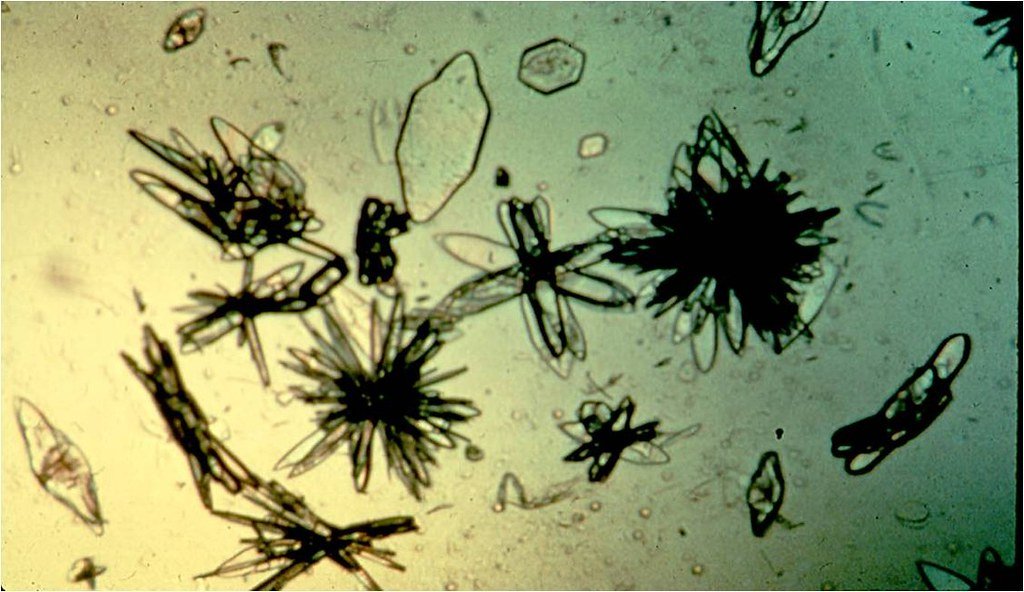
Healthcare professionals may order uric acid testing for several reasons. The most familiar is possible gout, a painful inflammatory arthritis caused by urate crystal deposits in and around joints. Gout often affects one joint at a time, commonly the big toe, ankle, or knee, and can cause sudden intense pain, warmth, swelling, redness, and limited motion.
However, the relationship between uric acid and gout is not perfectly straightforward. Mayo Clinic explains that high uric acid does not always mean gout, and some people with gout symptoms do not have high uric acid during an attack: Mayo Clinic: Gout diagnosis and treatment. That is why clinicians often use the test as one piece of the evaluation rather than the deciding factor.
| Reason for testing | How the result may help | What else may be needed |
|---|---|---|
| Possible gout flare | Checks whether serum urate is elevated or unexpectedly lowormal during symptoms | Exam, symptom history, inflammatory markers, imaging, or joint fluid crystal analysis |
| Known gout on urate-lowering therapy | Helps monitor whether treatment is lowering urate toward a clinician-selected goal | Medication review, kidney function tests, flare history, side-effect monitoring |
| Kidney stone evaluation | May identify high serum urate; urine uric acid testing may be more directly useful for stone chemistry | Urinalysis, stone analysis, imaging, 24-hour urine collection |
| Kidney disease or reduced kidney filtration | Can show buildup related to reduced uric acid removal | Creatinine, eGFR, urine albumin-to-creatinine ratio, urinalysis |
| Cancer treatment monitoring | Can detect uric acid increases when rapid cell breakdown raises purine load | Electrolytes, kidney function, phosphate, calcium, clinical monitoring |
| Medication or risk-factor review | Helps assess whether a medicine, diet pattern, alcohol intake, or metabolic condition may be contributing | Medication list, blood pressure, glucose/A1c, lipids, weight and kidney assessment |
High uric acid can also be associated with metabolic syndrome, obesity, high blood pressure, psoriasis, some blood disorders, diuretics, niacin, immune-suppressing medicines, alcohol intake, fructose intake, and purine-rich diets. Mayo Clinic’s overview of high uric acid causes lists several of these contributors and emphasizes that a clinician should evaluate the underlying reason for the finding: Mayo Clinic: high uric acid causes.
Blood test vs. urine uric acid test
A blood uric acid test and a urine uric acid test answer different questions. The blood test measures the concentration of uric acid in the bloodstream at the time of collection. A urine test, often collected over 24 hours, measures how much uric acid is being excreted through the kidneys. MedlinePlus notes that the urine version may be used to help determine whether high uric acid is contributing to kidney stones or to monitor stone risk in people with gout: MedlinePlus Uric Acid Test.
If your main concern is joint pain that may be gout, a blood test may be the first uric acid test ordered. If your concern is recurrent kidney stones, your clinician may add urine testing, stone analysis, urine pH evaluation, and other stone-risk measurements. Uric acid stones are influenced not only by the amount of uric acid but also by urine acidity and urine volume.
How to prepare for a uric acid blood test
Many uric acid blood tests require little or no special preparation. For example, Labcorp OnDemand’s consumer test page lists the sample as blood, collected in person, and states that no special preparation is needed: Labcorp OnDemand Uric Acid Test. Still, preparation instructions can vary when uric acid is ordered as part of a larger panel, when your clinician is trying to answer a specific question, or when another test drawn at the same visit requires fasting.
Before your appointment, review three practical items:
- Medication list: tell your clinician and the lab about prescription medicines, over-the-counter medicines, vitamins, and supplements. MedlinePlus notes that aspirin and niacin can affect uric acid levels and cautions not to stop medicines without clinician guidance.
- Recent diet and alcohol: a heavy intake of alcohol, organ meats, red meat, certain seafood, or high-fructose drinks can influence uric acid in some people. Do not make extreme short-term changes unless instructed; your clinician may want to know your usual baseline.
- Timing during symptoms: if the test is being done for a possible gout flare, ask whether timing matters. Uric acid can be lower or normal during an acute flare, so your clinician may repeat it later if the result does not match the clinical picture.
The blood draw itself is standard venipuncture. A health professional cleans the skin, places a needle into a vein, collects a small amount of blood into a tube, and applies pressure or a bandage. Minor bruising, brief soreness, or lightheadedness can occur. Serious complications from routine blood collection are uncommon.
How to read uric acid blood test results
Your report will show your uric acid value and a reference range. The reference range is the interval the lab uses for comparison, and it can vary by laboratory method, age, sex, and specimen type. Always use the range printed on your own report rather than assuming every lab uses the same cutoffs.
As one example, Mayo Clinic Laboratories lists adult reference values of 3.7–8.0 mg/dL for males age 16 and older and 2.7–6.1 mg/dL for females age 13 and older, and notes that hyperuricemia is commonly defined above 8.0 mg/dL in males or above 6.1 mg/dL in females: Mayo Clinic Laboratories: Uric Acid, Serum. Other laboratories may use slightly different intervals.
| Result pattern | What it can suggest | Important caution |
|---|---|---|
| Within the lab range | Uric acid is not above that lab’s expected interval at the time tested | Does not always rule out gout, especially during a flare |
| Mildly high | Could reflect diet, alcohol, body size, genetics, kidney handling, medications, or metabolic factors | Many people with high uric acid never develop gout or stones |
| Markedly high | May raise concern for gout risk, kidney stone risk, reduced kidney removal, medication effects, or rapid cell breakdown depending on context | Needs prompt clinical interpretation, especially with kidney disease, cancer treatment, or severe symptoms |
| Low | Less common; may occur with some medications, uncommon inherited or kidney-tubule conditions, or lab/clinical factors | Low uric acid is usually interpreted in relation to the reason the test was ordered |
What a high uric acid result can mean
A high blood uric acid level is called hyperuricemia. It can happen because the body produces more uric acid than usual, the kidneys remove less than usual, or both. Common contributors include genetics, kidney impairment, diuretics, alcohol, high-fructose drinks or foods, purine-rich diets, obesity, metabolic syndrome, psoriasis, some blood cancers, and rapid cell breakdown during certain cancer treatments.
High uric acid increases the chance that urate crystals may form, but it does not guarantee gout. MedlinePlus specifically notes that not everyone with high uric acid develops gout, kidney stones, or kidney problems: MedlinePlus Uric Acid Test. That distinction matters because treatment decisions depend on the whole clinical picture, not only the number.
What a low uric acid result can mean
Low blood uric acid is less common and often less clinically significant than high uric acid. It may be seen with certain medications or uncommon conditions affecting kidney handling of uric acid or purine metabolism. In many cases, a low result is not the main finding being investigated. If your result is below range, ask why the test was ordered, whether any medicines or supplements could explain it, and whether repeat testing or additional kidney or liver evaluation is appropriate.
Uric acid targets for people already diagnosed with gout
For people who have established gout and are using urate-lowering therapy, the interpretation may be different from a general screening result. The 2020 American College of Rheumatology guideline recommends a treat-to-target strategy for urate-lowering therapy, with dose titration guided by serial serum urate measurements and a target of less than 6 mg/dL for many patients with gout: American College of Rheumatology Gout Guideline. This is a treatment-monitoring goal, not the same thing as a general lab reference range for everyone.
If you are already taking allopurinol, febuxostat, probenecid, or another urate-lowering medication, do not change your dose based on one lab result without your prescriber. Gout management often considers kidney function, flare frequency, tophi, other medicines, allergy risk, and prevention of flares when therapy is started or adjusted.
Limitations of the test
The uric acid blood test is useful, but it has limitations. First, it is a snapshot. Hydration, recent intake, illness, medications, and timing can influence the number. Second, it is not specific. A high value can have many causes, and a low or normal value does not rule out every uric-acid-related condition. Third, gout is ultimately a crystal-related disease. When the diagnosis is uncertain, clinicians may look for urate crystals in joint fluid or use imaging and clinical criteria.
Another limitation is that the result does not show where uric acid is coming from. A high value could reflect increased production, decreased excretion, or both. If the question matters clinically, your provider may order kidney function tests, a urinalysis, a 24-hour urine stone-risk profile, medication review, blood counts, or tests related to metabolic health.
How much does a uric acid blood test cost?
Cost depends on how the test is ordered. If a clinician orders it through insurance, your cost may depend on your deductible, copay, network status, and whether the test is considered medically necessary. If you order directly through a consumer lab service, compare the effective total cost, not just the advertised test price.
Public self-pay examples reviewed for this guide show why total cost matters. Quest Health listed its Gout (Uric Acid) Test at $42.00 plus a $6.00 physician service fee, for a typical before-tax total of $48 when available for in-person collection; the same page stated that results are typically available within 2–3 business days and that in-home collection, where available, costs an additional $79: Quest Health Gout (Uric Acid) Test. Labcorp OnDemand listed its Uric Acid Test at $49, with in-person collection at a Labcorp location and results within 1 day from when the sample arrives at the lab: Labcorp OnDemand Uric Acid Test. Prices, service areas, age limits, state restrictions, and checkout fees can change, so verify current terms before purchase.
| Ordering route | What to check before paying | Why it matters |
|---|---|---|
| Doctor order with insurance | Network lab, deductible, copay, diagnosis coverage, separate draw fees | The billed amount and your out-of-pocket cost may differ |
| Direct-to-consumer lab order | Test price, required clinician/physician service fee, state availability, age restrictions, collection location | The advertised price may not be the final cost |
| At-home or in-home collection option | Whether it is a true home kit or mobile phlebotomy, shipping, collection fee, result timing | Convenience can add cost and may not be available everywhere |
What to do after you receive your result
If your uric acid result is normal and you were tested for joint pain, follow up if symptoms continue, worsen, or recur. A normal uric acid value does not automatically identify the cause of pain. Infection, injury, other inflammatory arthritis, osteoarthritis, and other conditions can mimic gout and may require different evaluation.
If your result is high, ask your healthcare provider these practical questions:
- Is this level high relative to my lab’s reference range and my health context?
- Could any of my medicines, supplements, alcohol intake, or diet patterns be contributing?
- Do I need kidney function tests, urine testing, imaging, or repeat uric acid testing?
- If I have gout, what urate goal are we using and how often should it be monitored?
- Are lifestyle changes enough, or should medication be discussed?
Seek urgent medical care for a hot, swollen joint with fever, severe unexplained pain, inability to bear weight, signs of infection, severe flank pain, blood in urine, reduced urination, or symptoms that feel rapidly worsening. Those situations require timely evaluation and should not wait for routine lab interpretation.
FAQs about the uric acid blood test
Do I need to fast before a uric acid blood test?
Often, no. Many standalone uric acid blood tests do not require fasting. However, if uric acid is drawn with a fasting glucose, lipid panel, or another test that requires fasting, follow the instructions for the full order. When in doubt, ask the ordering clinician or lab before the appointment.
Can a uric acid blood test diagnose gout?
It can support the evaluation, but it does not diagnose gout by itself. Gout may occur with a normal uric acid level during a flare, and high uric acid can occur without gout. Joint fluid crystal analysis is more definitive when it is needed and feasible.
What foods can raise uric acid?
Foods and drinks that may contribute include organ meats, some red meats, certain seafood such as anchovies and sardines, alcohol, and high-fructose sweetened beverages. Diet is only one factor; kidney function, genetics, body weight, medications, and other health conditions can also play major roles.
Should I stop aspirin, diuretics, or niacin before the test?
Do not stop prescribed medicines unless your healthcare provider tells you to. Some medicines can affect uric acid levels, but stopping them without guidance can be risky. Instead, make sure the person interpreting your result knows what you take and the doses.
How often should uric acid be checked?
Frequency depends on why it is being measured. A one-time test may be enough for a general evaluation. People receiving urate-lowering therapy for gout may need periodic monitoring while the dose is adjusted and then less frequent checks once stable. People receiving certain cancer treatments may be monitored more closely during high-risk periods.
Is a home uric acid meter the same as a lab blood test?
Home meters may be useful for some people who are monitoring trends with clinician guidance, but they are not the same as a standardized laboratory serum urate test. If a result will guide diagnosis or medication changes, confirm with a clinical lab test and discuss the result with your healthcare provider.