Medical & affiliate disclosure: CTX Stat provides educational laboratory information and is not a substitute for professional medical advice, diagnosis, or treatment. CTX Stat may receive compensation from some outbound provider links when an affiliate program is active; provider comparisons and rankings are based on consumer fit, effective cost, access, policies, and reputation—not commission.
Quick take
- Aldosterone is a salt-and-water hormone made by the adrenal glands. It helps the kidneys retain sodium and water and excrete potassium, which affects blood pressure and electrolyte balance.
- A high aldosterone result is most meaningful when renin is low or suppressed. That pattern can suggest primary aldosteronism, a treatable cause of high blood pressure.
- A high aldosterone result with high renin usually points to secondary activation of the renin-angiotensin-aldosterone system, such as low blood volume, diuretic use, kidney blood-flow problems, heart failure, cirrhosis, pregnancy-related hypertension, or dehydration.
- A low aldosterone result may be concerning when it occurs with low blood pressure, high potassium, low sodium, dehydration, or symptoms of adrenal insufficiency, but it can also reflect testing conditions or medications.
- Do not interpret aldosterone by itself. Posture, time of day, salt intake, potassium level, kidney function, pregnancy status, menstrual cycle phase, and many medications can change the result.
What aldosterone does
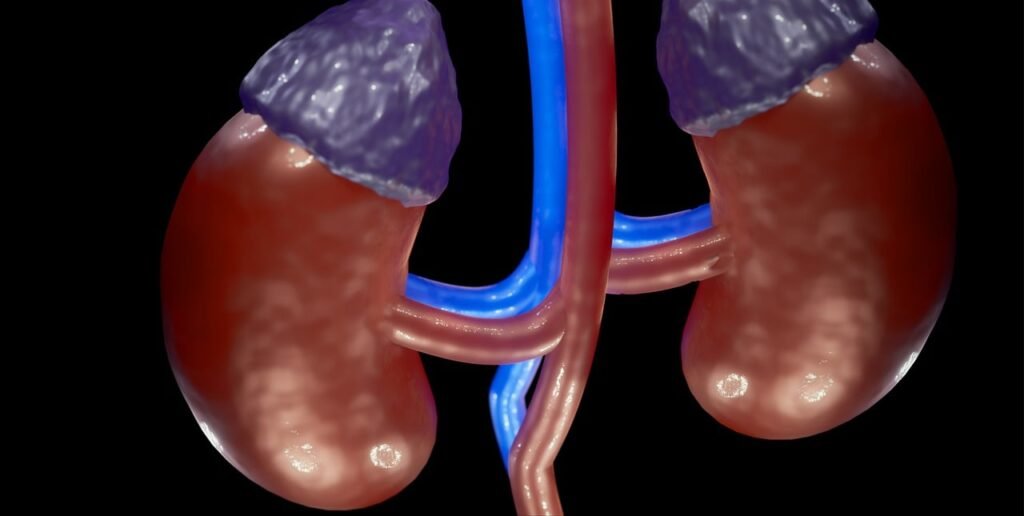
Aldosterone is a mineralocorticoid hormone produced by the adrenal glands, which sit above the kidneys. Its main job is to help maintain blood pressure and the body’s sodium-potassium balance. When aldosterone rises, the kidneys tend to hold on to more sodium and water and release more potassium into the urine. That can increase blood volume and blood pressure. When aldosterone falls, the body may lose more sodium and water and retain more potassium.
Because aldosterone is part of a feedback system, an abnormal result is not simply “good” or “bad.” The key question is whether the level is appropriate for the situation. For example, aldosterone is expected to rise when blood volume is low or when renin is high. It is less appropriate when aldosterone is high while renin is suppressed, especially in a person with hypertension.
Authoritative patient resources such as MedlinePlus describe aldosterone testing as a blood or urine test often used with renin testing to evaluate high blood pressure, low blood pressure, and abnormal sodium or potassium results. Clinical guidance from the Endocrine Society emphasizes that aldosterone, renin, the aldosterone-renin ratio, and potassium should be interpreted together when screening for primary aldosteronism.
What a high aldosterone result may mean
A high aldosterone result means the measured aldosterone concentration was above the reference range or higher than expected for the testing conditions. The result may come from a blood test, a 24-hour urine aldosterone test, or a combined aldosterone-renin panel. The interpretation depends heavily on renin.
High aldosterone with low renin
High aldosterone with low or suppressed renin suggests the adrenal glands may be producing aldosterone too independently. This pattern is often discussed in relation to primary aldosteronism, also called primary hyperaldosteronism or Conn syndrome. Primary aldosteronism can be caused by aldosterone overproduction from one adrenal gland, such as an aldosterone-producing adenoma, or from both adrenal glands, often called bilateral adrenal hyperplasia.
Primary aldosteronism is important because it is a potentially treatable cause of hypertension. Some people have low potassium, muscle weakness, cramps, headaches, thirst, frequent urination, or heart rhythm symptoms, but others have few noticeable symptoms beyond high blood pressure. A normal potassium level does not rule it out. Current laboratory guidance summarized by ARUP Consult notes that potassium should be measured with aldosterone-renin testing because low potassium can affect aldosterone interpretation, but potassium alone is not an adequate screening test.
High aldosterone with high renin
When both aldosterone and renin are high, the adrenal glands may be responding to a signal from the kidneys or circulation. This is often called secondary hyperaldosteronism. Possible causes include reduced effective blood volume, dehydration, sodium restriction, diuretic medications, kidney artery narrowing, kidney disease, heart failure, cirrhosis, and certain pregnancy-related blood pressure disorders. In this situation, aldosterone may be high because renin is telling the adrenal glands to make more of it.
High aldosterone from testing conditions
Aldosterone can rise because of posture, salt intake, and timing. Levels are usually different after a person has been standing or sitting upright than after lying down. Low-sodium diets and dehydration can stimulate renin and aldosterone. For that reason, a “high” result should be compared with the lab’s reference range for the specific collection position and method, not with a generic number found online.
| Pattern | Common interpretation | What usually helps clarify it |
|---|---|---|
| High aldosterone + low renin | Possible renin-independent aldosterone production, including primary aldosteronism | ARR, potassium, medication review, repeat standardized testing, confirmatory testing when appropriate |
| High aldosterone + high renin | Secondary activation from low blood volume, kidney blood-flow signals, diuretics, heart/liver/kidney conditions, or other stressors | Clinical history, blood pressure pattern, kidney function, urine studies, medication and diet review |
| High aldosterone with unclear renin | Hard to interpret; may reflect posture, salt intake, potassium status, or medication effects | Repeat aldosterone-renin testing under standardized conditions |
What a low aldosterone result may mean
A low aldosterone result means the measured level was below the laboratory’s expected range or lower than expected for the situation. Low aldosterone matters most when it fits the person’s symptoms, blood pressure, sodium, potassium, kidney function, and renin level.
Low aldosterone with high renin
Low aldosterone with high renin may suggest the adrenal glands are not responding adequately to a strong signal to produce aldosterone. One important possibility is primary adrenal insufficiency, also known as Addison disease when chronic. In primary adrenal insufficiency, the adrenal glands may not make enough cortisol and sometimes not enough aldosterone. The National Institute of Diabetes and Digestive and Kidney Diseases notes that severe adrenal hormone deficiency can cause dangerously low blood pressure, low blood sodium, and high blood potassium.
Symptoms that can fit adrenal insufficiency include fatigue, weakness, weight loss, abdominal pain, nausea, dizziness when standing, salt craving, and low blood pressure. Darkening of the skin can occur in some forms of primary adrenal insufficiency. These symptoms are not specific, but the combination of symptoms plus low sodium, high potassium, and low cortisol or abnormal ACTH stimulation testing can raise concern.
Low aldosterone with low renin
Low aldosterone with low renin may occur when the kidney signal that normally stimulates aldosterone is reduced. One example is hyporeninemic hypoaldosteronism, which is more often considered in people with diabetes, chronic kidney disease, older age, or recurrent high potassium. Certain medications can contribute, including some blood pressure medicines and anti-inflammatory drugs. This pattern may be associated with high potassium and a tendency toward mild metabolic acidosis, depending on the clinical setting.
Low aldosterone from medications or salt intake
Aldosterone can be lower when sodium intake is high, blood volume is expanded, or medications alter the renin-angiotensin-aldosterone system. Some medications directly or indirectly reduce aldosterone production or action. Others change renin enough to make the aldosterone-renin ratio misleading. A low result should therefore be reviewed in the context of all prescriptions, over-the-counter medications, supplements, and recent diet changes.
| Low aldosterone pattern | Possible meaning | Why it matters |
|---|---|---|
| Low aldosterone + high renin | Possible adrenal underproduction, including primary adrenal insufficiency | May be associated with low blood pressure, low sodium, high potassium, dehydration, and cortisol deficiency |
| Low aldosterone + low renin | Possible reduced kidney renin signal or medication effect | Can contribute to high potassium, especially with kidney disease or diabetes |
| Low aldosterone with normal electrolytes and no symptoms | May be less urgent or related to collection conditions | Still needs clinician review, especially if ordered for a specific concern |
Why renin and the aldosterone-renin ratio matter
Renin is a hormone-like enzyme released by the kidneys when they sense reduced blood flow, reduced sodium delivery, or lower effective circulating volume. Renin triggers a chain of signals that can raise aldosterone. Because renin drives aldosterone in many normal situations, the aldosterone result is far more useful when renin is measured at the same time.
The aldosterone-renin ratio, commonly abbreviated ARR, compares aldosterone with renin. It is a screening tool, not a stand-alone diagnosis. ARUP Consult’s aldosterone-renin ratio fact sheet describes ARR testing as an initial test for primary aldosteronism and notes that false-positive and false-negative results can occur. The Endocrine Society similarly recommends using aldosterone and renin together and applying assay-specific cutoffs rather than relying on a universal threshold.
In practical terms, clinicians look for two things when screening for primary aldosteronism: aldosterone that is inappropriately high and renin that is low or suppressed. The exact cutoff depends on whether renin is reported as plasma renin activity or direct renin concentration, the units used, the aldosterone measurement method, and the laboratory’s validated range.
Why one abnormal value may not be enough
Aldosterone and renin vary from day to day and are sensitive to collection conditions. If a result is borderline, inconsistent with symptoms, or affected by medications, a clinician may repeat testing under more standardized conditions before making decisions about imaging, confirmatory testing, or treatment.
Preparation and factors that can change aldosterone results
Preparation instructions vary by lab and by the reason for testing. Always follow the ordering clinician’s instructions, because preparation for a simple aldosterone level may differ from preparation for an aldosterone-renin ratio or a suppression test.
Posture and time of day
Aldosterone changes with posture. Some labs specify whether the sample is collected after the person has been upright, seated, or lying down for a defined time. Morning collection is commonly used for aldosterone-renin screening. If your report lists “upright,” “supine,” or “seated,” compare your result with the matching reference interval.
Salt intake
Very low sodium intake can raise renin and aldosterone, while high sodium intake can suppress them. For primary aldosteronism screening, current Endocrine Society guidance advises avoiding dietary sodium restriction in the few days before screening unless your clinician tells you otherwise. Do not intentionally load salt or restrict salt without medical advice, especially if you have hypertension, heart failure, kidney disease, or pregnancy-related blood pressure concerns.
Potassium level
Potassium is not just a clue; it can affect interpretation. Low potassium may reduce aldosterone secretion and make aldosterone appear less elevated than expected. That is one reason clinicians often measure potassium at the same time and may correct significant hypokalemia before repeating an aldosterone-renin evaluation.
Medications and supplements
Many medications can affect aldosterone, renin, or both. Examples include mineralocorticoid receptor antagonists such as spironolactone and eplerenone, diuretics, ACE inhibitors, angiotensin receptor blockers, beta blockers, renin inhibitors, some calcium channel blockers, nonsteroidal anti-inflammatory drugs, oral contraceptives or estrogen-containing medications, and licorice products. The right approach is individualized: stopping or changing medication can be unsafe if blood pressure is high or unstable.
| Factor | How it can affect interpretation | What to do |
|---|---|---|
| Posture before blood draw | Upright, seated, and lying-down values differ | Follow the lab’s posture instructions and check the matching reference range |
| Very low-sodium diet | May raise renin and aldosterone | Tell your clinician about recent diet changes |
| Low potassium | Can make aldosterone interpretation less reliable | Ask whether potassium should be corrected and testing repeated |
| Blood pressure medicines | Can cause false-positive or false-negative ARR patterns | Do not stop medication without clinician guidance |
| Kidney disease | Can change renin and aldosterone dynamics | Interpret with creatinine, eGFR, electrolytes, and urine findings |
What to ask after an abnormal aldosterone result
If your aldosterone result is high or low, the next step is usually not a single answer but a structured review. Bring the full lab report, including units and reference ranges, because aldosterone and renin assays vary. A screenshot of only the flagged value may leave out essential information.
Helpful questions for your clinician
- Was renin measured at the same time, and was it plasma renin activity or direct renin concentration?
- What was my aldosterone-renin ratio, and does the lab use a specific cutoff for this assay?
- Were my potassium, sodium, bicarbonate, creatinine, and eGFR normal?
- Was the sample collected seated, upright, or lying down, and was that the intended position?
- Could any of my medications or supplements have affected the result?
- Should testing be repeated under standardized conditions?
- If primary aldosteronism is suspected, do I need confirmatory testing, adrenal imaging, or referral to an endocrinologist or hypertension specialist?
- If low aldosterone is suspected, do I need cortisol, ACTH, ACTH stimulation testing, kidney evaluation, or urgent electrolyte management?
When results may need urgent attention
Seek prompt medical care if an abnormal aldosterone result occurs with severe weakness, fainting, confusion, chest pain, significant heart rhythm symptoms, very high blood pressure, severe dehydration, or known markedly abnormal potassium. High potassium and very low sodium can be medically urgent, especially if symptoms are present.
Possible follow-up testing
Follow-up depends on the pattern. For suspected aldosterone excess, clinicians may repeat the aldosterone-renin ratio, perform aldosterone suppression testing in selected situations, obtain adrenal imaging, or consider adrenal venous sampling when surgery is being considered. For suspected adrenal insufficiency or hypoaldosteronism, follow-up may include morning cortisol, ACTH, ACTH stimulation testing, plasma renin, electrolytes, kidney function, acid-base evaluation, and medication review.
Cost and access considerations
Aldosterone testing may be ordered as a single blood test, a 24-hour urine test, or part of an aldosterone-renin ratio panel. The total cost can vary because the consumer price may include the lab test, blood draw fee, ordering clinician or telehealth fee, specimen handling, and any required follow-up visit. If you are comparing self-pay options, compare the effective total cost rather than the advertised test-only price.
Availability also varies. Some walk-in lab marketplaces offer aldosterone or aldosterone-renin testing only in certain states or only through specific collection networks. Others require a clinician order. Insurance coverage depends on medical necessity, diagnosis codes, network status, deductible, and whether the test is ordered through an in-network clinician and laboratory. If the test is being used to evaluate hypertension, adrenal disease, abnormal potassium, or adrenal insufficiency, ask the ordering office whether prior authorization or a specific lab location is needed.
FAQs about high and low aldosterone results
Is high aldosterone always primary aldosteronism?
No. High aldosterone can be primary or secondary. Primary aldosteronism usually means aldosterone is high relative to low or suppressed renin. Secondary hyperaldosteronism usually means renin is also high and is stimulating aldosterone. The distinction matters because the causes and treatments differ.
Can aldosterone be high with normal potassium?
Yes. Low potassium is a classic clue for aldosterone excess, but many people with primary aldosteronism do not have low potassium on routine labs. That is why aldosterone-renin testing is used when the clinical pattern suggests a possible hormone-related cause of hypertension.
What does low aldosterone mean if my potassium is high?
Low aldosterone with high potassium can suggest that the body is not making enough aldosterone or that the kidneys are not responding appropriately to aldosterone signaling. Causes include adrenal insufficiency, hyporeninemic hypoaldosteronism, kidney disease, and medication effects. Because high potassium can affect heart rhythm, the urgency depends on the potassium level, symptoms, ECG findings, kidney function, and overall health.
Why did my aldosterone result change between tests?
Aldosterone can change with posture, time of day, sodium intake, hydration, potassium level, stress, menstrual cycle factors, and medications. Differences in assay method and lab reference ranges can also matter. A repeat test is most useful when the collection conditions are documented and comparable.
Can I diagnose adrenal disease from an online reference range?
No. Aldosterone reference ranges depend on the lab, units, specimen type, posture, sodium intake, and testing method. Online ranges can be useful for general education, but your own result should be interpreted using the report’s reference interval and your clinical context.
What symptoms fit high aldosterone?
High aldosterone may cause or contribute to high blood pressure, low potassium, muscle cramps or weakness, fatigue, headaches, increased thirst, increased urination, and sometimes heart rhythm symptoms. Some people have no obvious symptoms beyond elevated blood pressure.
What symptoms fit low aldosterone?
Low aldosterone may be associated with low blood pressure, dizziness when standing, dehydration, salt craving, fatigue, weakness, low sodium, and high potassium. If low aldosterone is part of adrenal insufficiency, symptoms may also include weight loss, abdominal symptoms, and low cortisol-related problems.
Should I change my salt intake before testing?
Do not make major salt changes unless your clinician tells you to. Sodium intake can affect renin and aldosterone. For primary aldosteronism screening, clinicians often prefer avoiding sodium restriction before testing, but this must be individualized for people with heart, kidney, liver, pregnancy-related, or severe blood pressure conditions.
Should I stop blood pressure medication before aldosterone-renin testing?
Do not stop prescribed medication on your own. Some drugs can interfere with aldosterone-renin interpretation, but stopping them can be dangerous. Your clinician may adjust medications, document the likely effect, or repeat testing if needed.