Liver Function: Which Blood Tests Are Commonly Used?
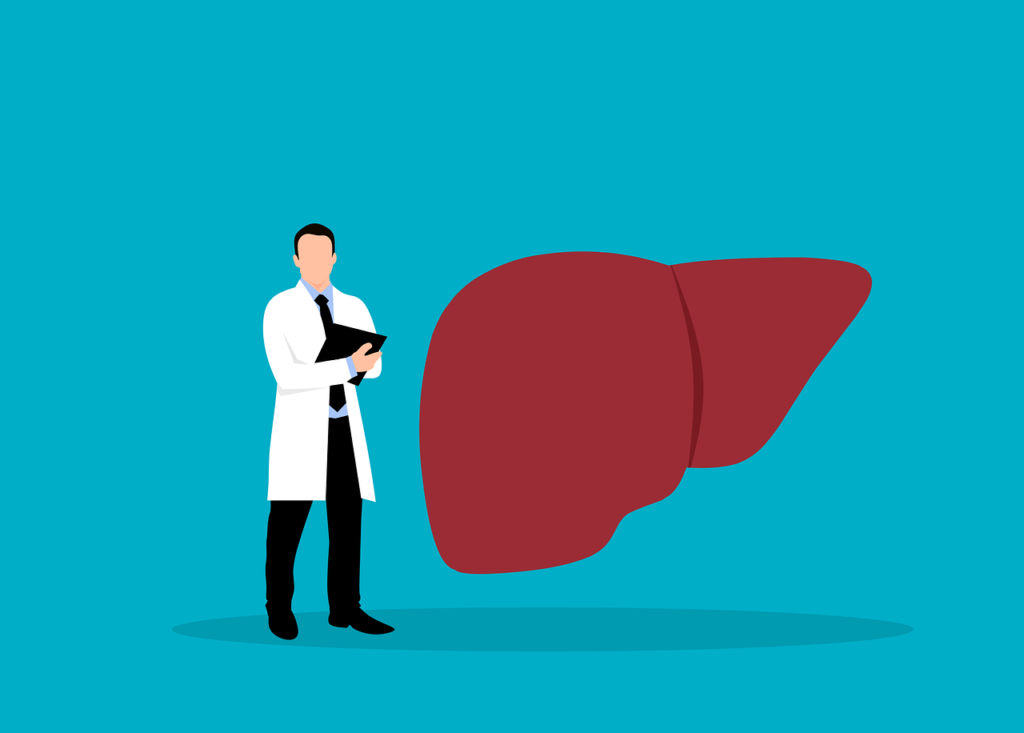
Liver function blood tests usually include ALT, AST, ALP, bilirubin, albumin and total protein, with GGT or PT/INR added when needed. Here’s how common liver tests are used and interpreted.

Liver function blood tests usually include ALT, AST, ALP, bilirubin, albumin and total protein, with GGT or PT/INR added when needed. Here’s how common liver tests are used and interpreted.
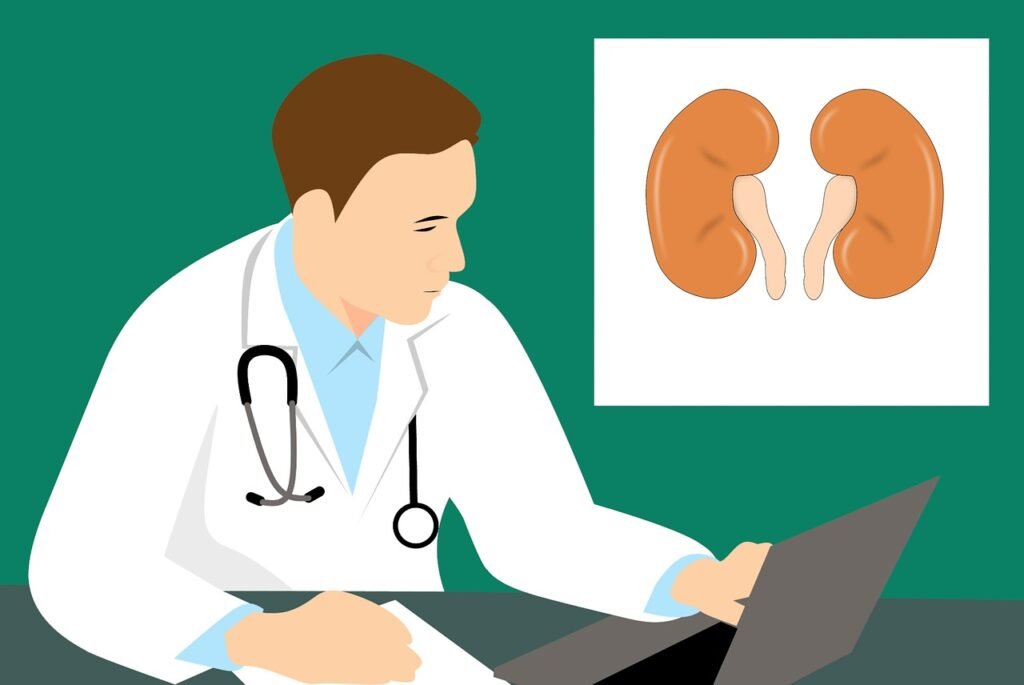
Kidney function blood tests usually include creatinine with eGFR, BUN, electrolytes, and sometimes cystatin C. Learn what each test can show, what it can miss, and why urine albumin testing is often paired with blood work.
The most common blood tests for vitamin deficiency include 25-hydroxyvitamin D, vitamin B12 with MMA when needed, folate testing, and targeted tests for vitamins A, E, K, B1, B6, and C in higher-risk situations.
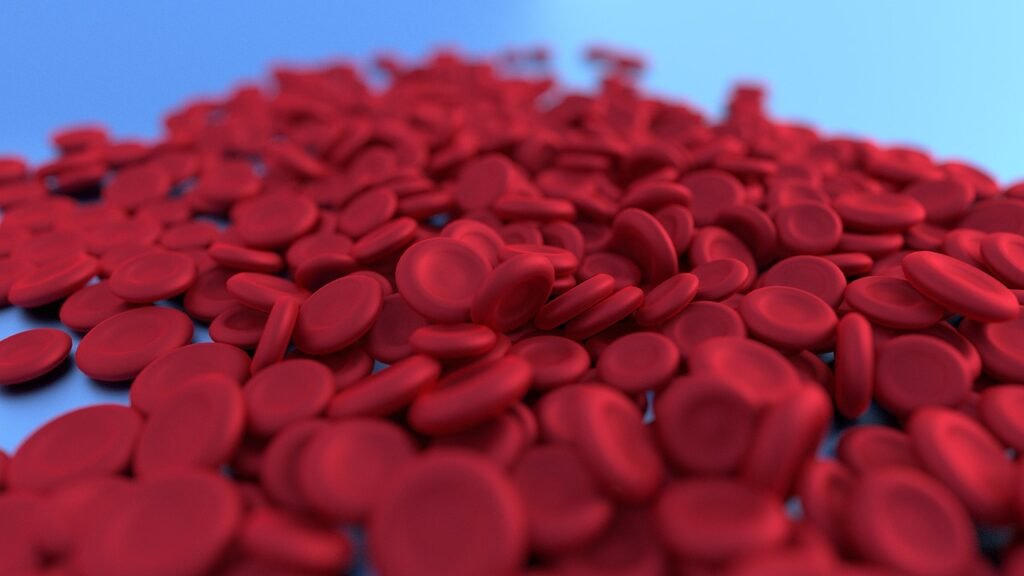
Common blood tests for iron deficiency include CBC, ferritin, serum iron, TIBC, transferrin saturation, and sometimes CRP or specialty tests. Here’s how they are used and interpreted.
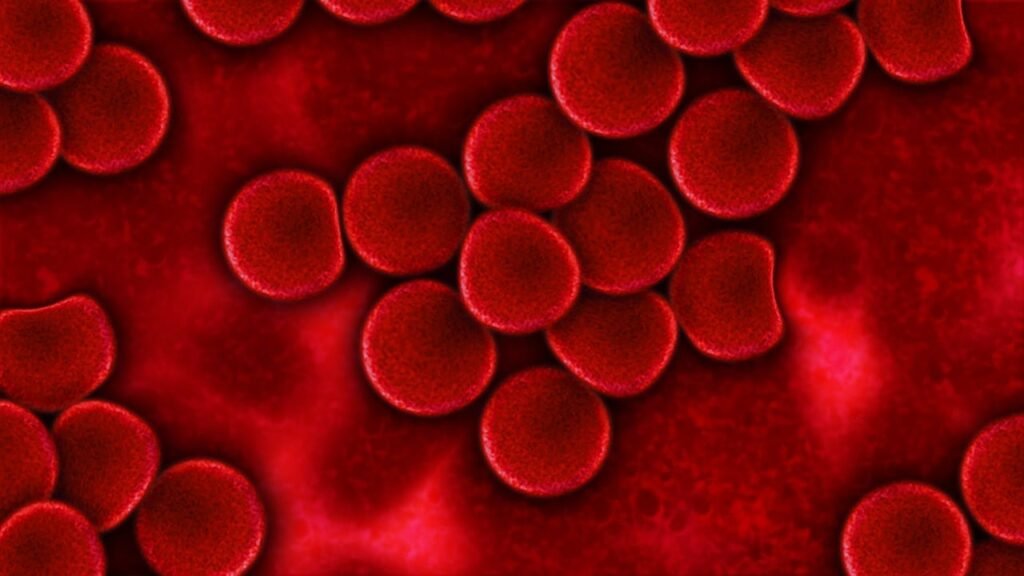
The most common blood tests for anemia include CBC, reticulocyte count, blood smear, ferritin, iron studies, B12, folate, and targeted tests for hemolysis, kidney disease, inflammation, and inherited conditions.

Infertility blood tests can evaluate ovulation, ovarian reserve, thyroid function, prolactin, androgen excess, and male hormone factors—but they are only one part of a complete fertility workup.
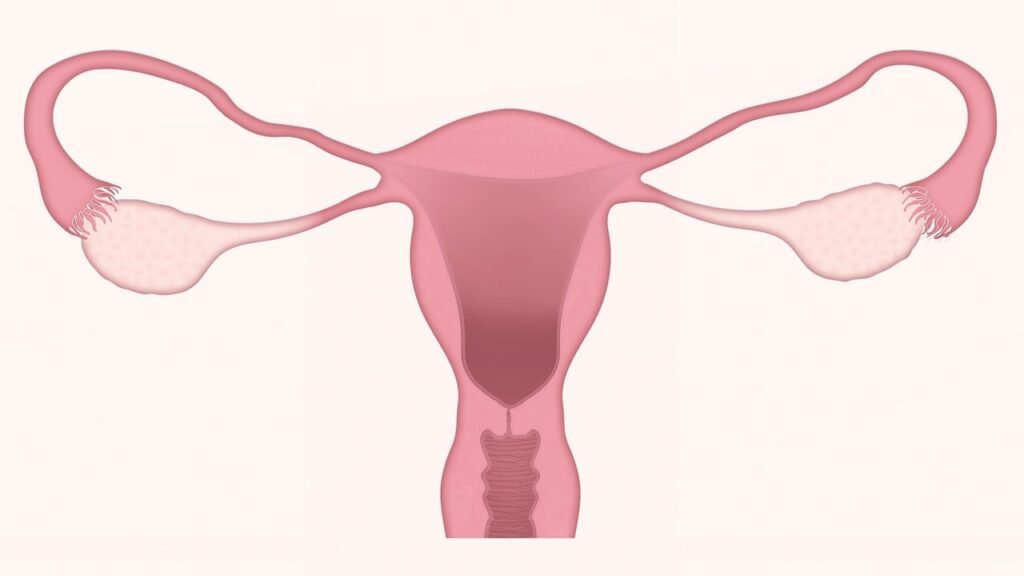
Blood tests can help in selected menopause questions, but most people do not need a hormone panel to confirm perimenopause. Learn when FSH, estradiol, TSH, prolactin, CBC, and other tests are useful—and what results can and cannot tell you.
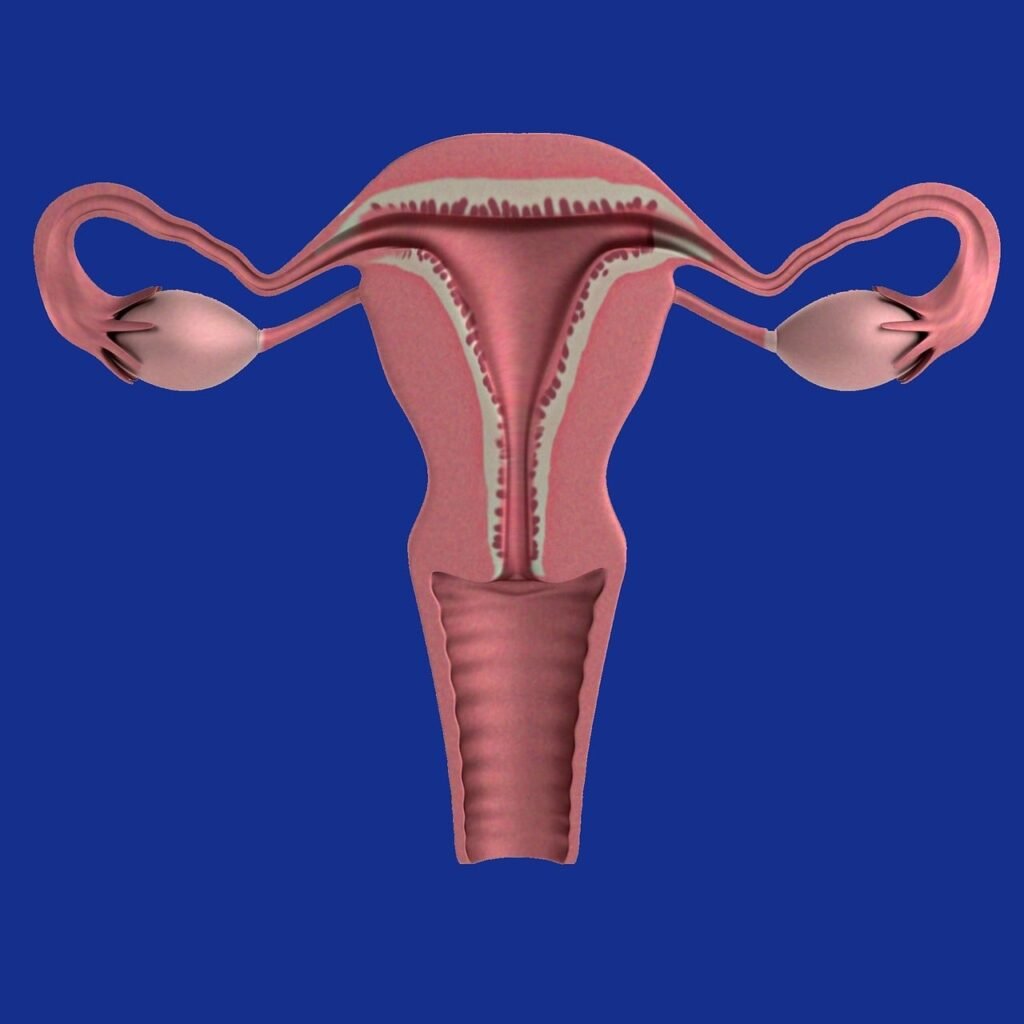
PCOS blood testing usually includes androgen tests, rule-out tests such as TSH and prolactin, and metabolic screening. Learn what each test can and cannot tell you.

Unexplained weight loss can have many causes. Learn which blood tests are commonly used, what results may suggest, how to prepare, and when to follow up.

Unexplained weight gain can have many causes. Learn which blood tests are commonly used, what they can and cannot show, how to prepare, and what to ask after results.