
Hair Loss: Which Blood Tests Are Commonly Used?
Blood tests for hair loss can identify treatable contributors such as anemia, low iron stores, thyroid disease, vitamin deficiencies, and hormone imbalance—but they do not replace a scalp exam.

Blood tests for hair loss can identify treatable contributors such as anemia, low iron stores, thyroid disease, vitamin deficiencies, and hormone imbalance—but they do not replace a scalp exam.

Fatigue has many possible causes. Learn which blood tests are commonly used, what results can suggest, what labs can miss, and how to compare costs safely.
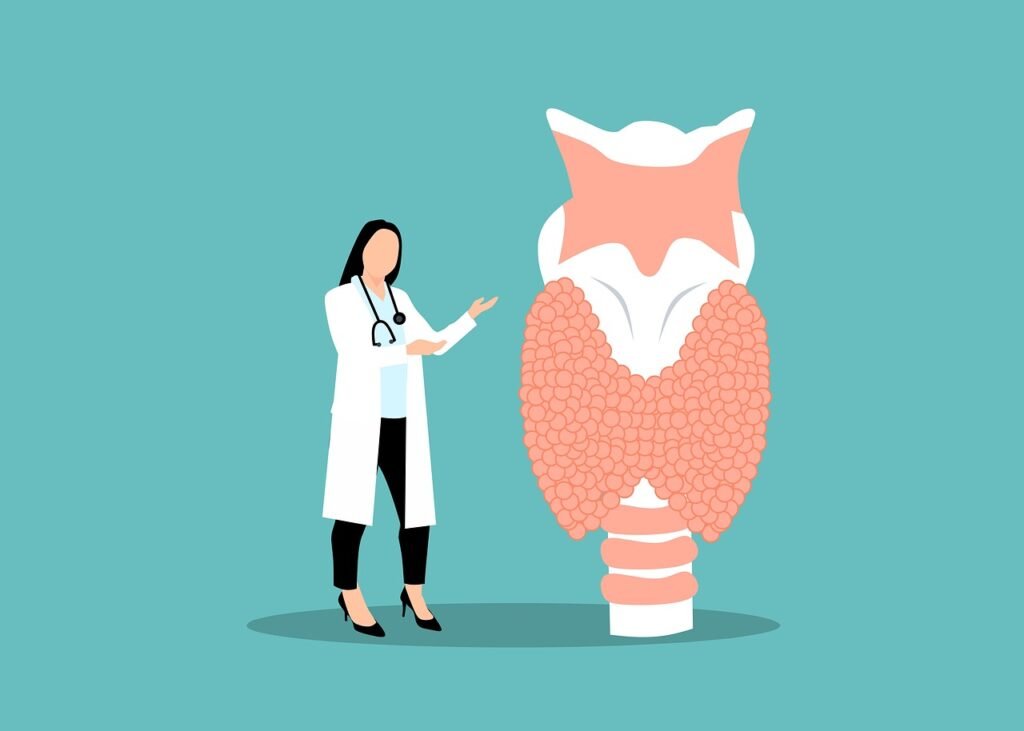
Thyroid symptoms can overlap with many conditions. Learn which blood tests are commonly used, how TSH, free T4, T3, and thyroid antibodies fit together, what results may mean, and what to ask before testing.

The most common blood test for high cholesterol is a lipid panel, but LDL, HDL, triglycerides, non-HDL cholesterol, ApoB and Lp(a) each answer different questions.
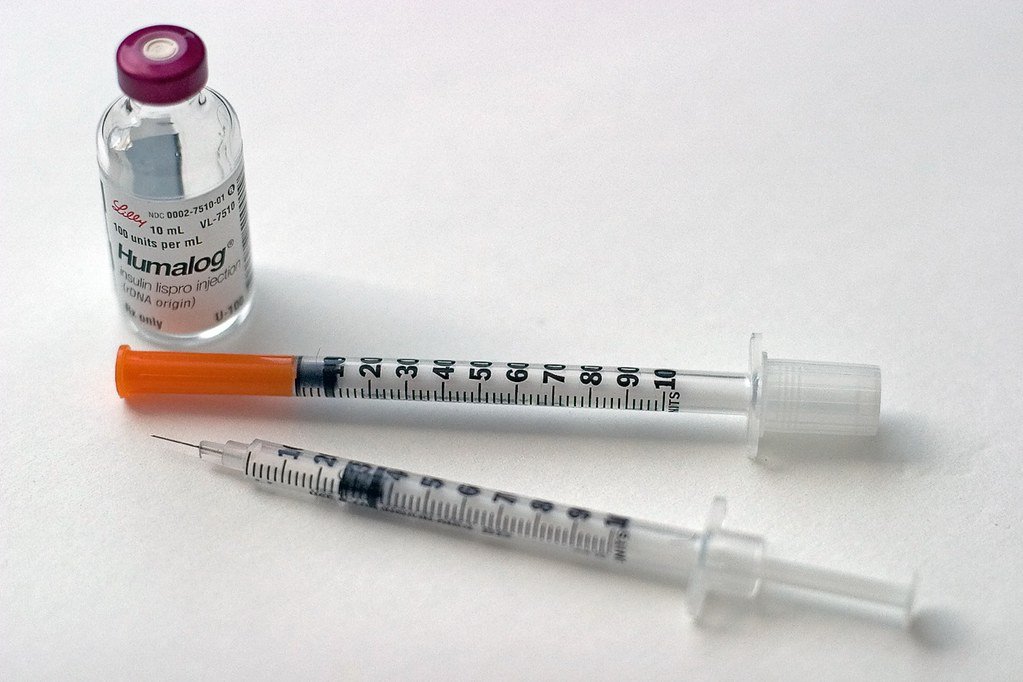
Common blood tests for insulin resistance include A1C, fasting glucose, OGTT, fasting insulin, HOMA-IR, lipids, and related metabolic labs. Learn what each test can and cannot tell you.
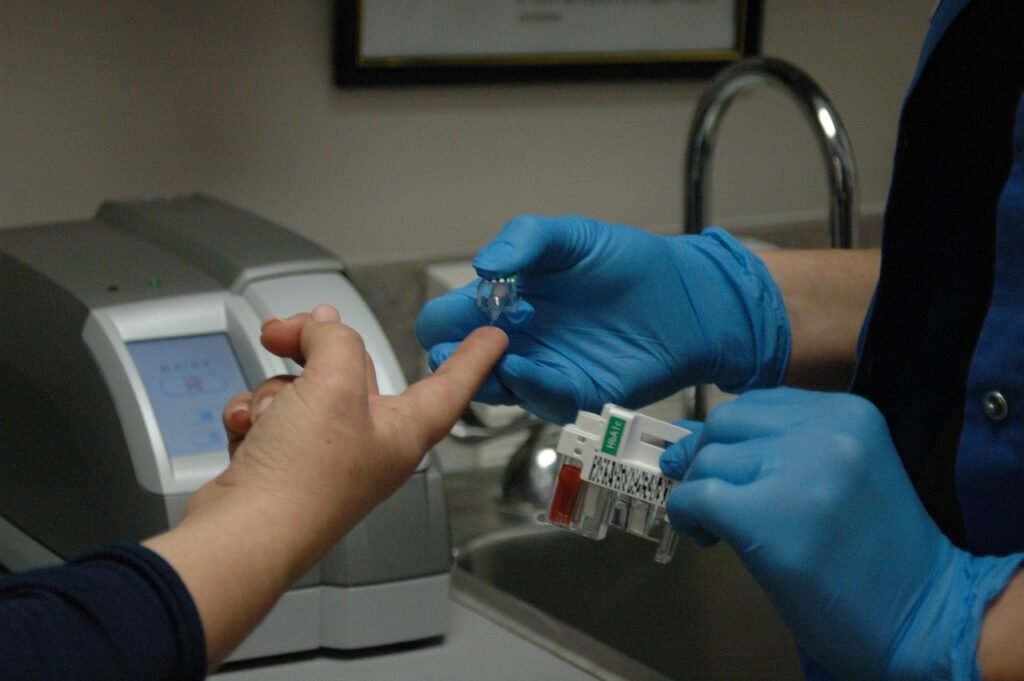
The main blood tests for prediabetes are A1C, fasting plasma glucose, and the 2-hour oral glucose tolerance test. Here is how they differ and what results may mean.
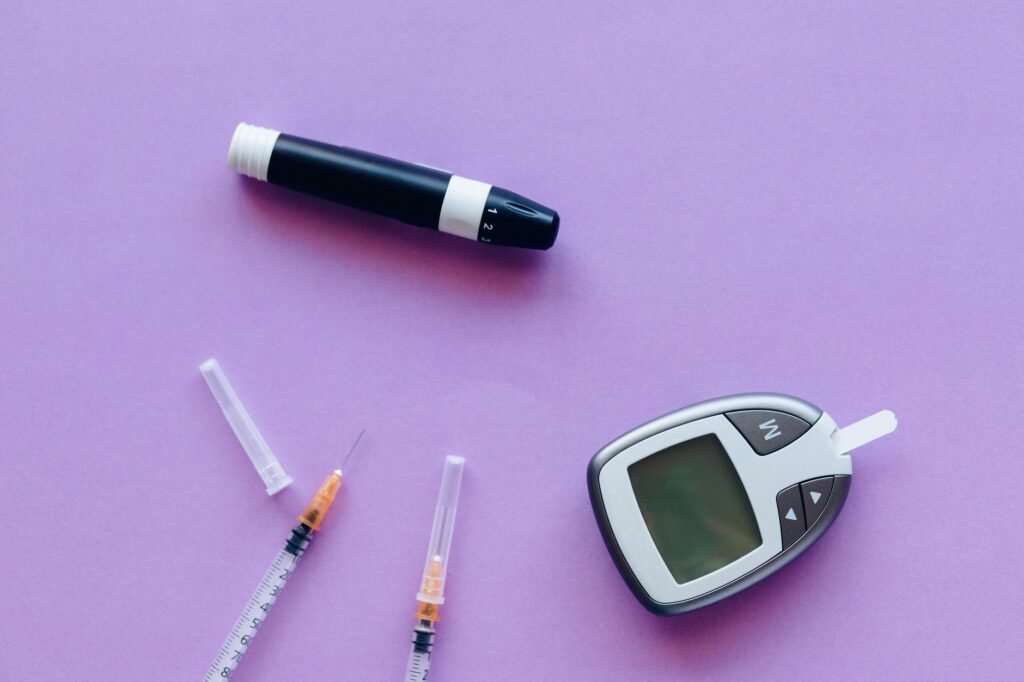
A clear guide to the blood tests commonly used for diabetes screening, diagnosis, monitoring, and type clarification, with result ranges and preparation tips.
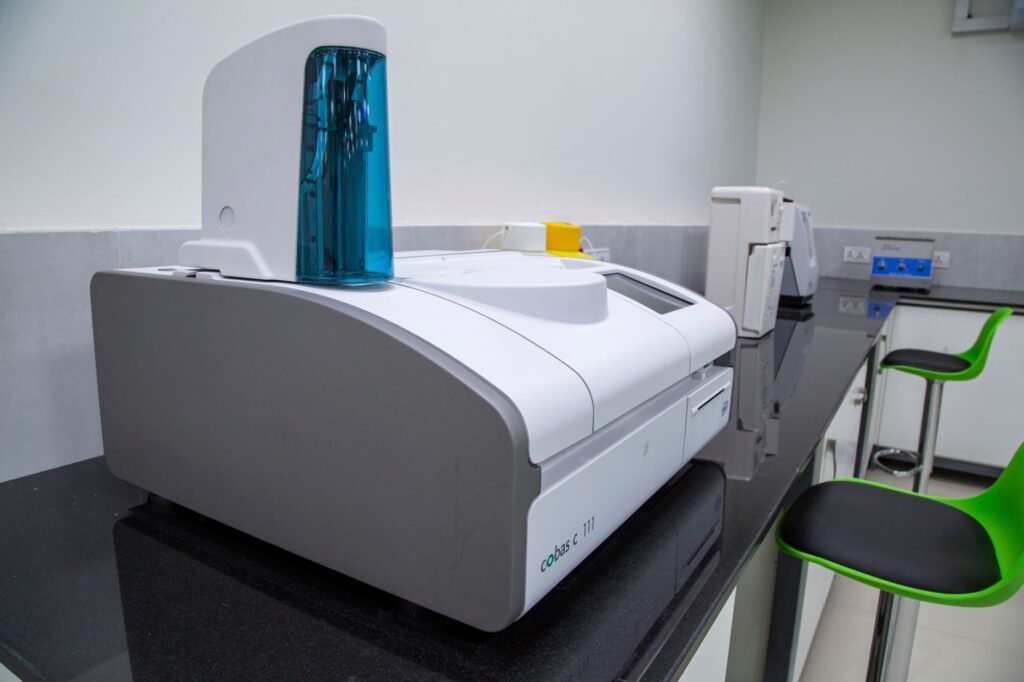
A high cadmium blood test usually reflects recent or ongoing exposure, while a low result is generally reassuring. Learn how to interpret blood vs. urine cadmium, common sources, follow-up tests, and next steps.
A cadmium blood test measures recent cadmium exposure. Learn when it is useful, how to prepare, how results are interpreted, and when urine or kidney testing may be needed.

Compare cadmium blood test self-pay prices, mandatory fees, lab networks, state restrictions, and when blood vs urine cadmium testing makes more sense.