Medical & affiliate disclosure: CTX Stat provides educational laboratory information and is not a substitute for professional medical advice, diagnosis, or treatment. CTX Stat may receive compensation from some outbound provider links when an affiliate program is active; provider comparisons and rankings are based on consumer fit, effective cost, access, policies, and reputation—not commission.
Quick take
The most common blood tests for diabetes are A1C, fasting plasma glucose, oral glucose tolerance testing, and random plasma glucose. These tests answer slightly different questions. A1C estimates average blood glucose over the past 2 to 3 months. Fasting plasma glucose measures glucose after an overnight fast. An oral glucose tolerance test checks how your body handles a measured glucose drink. Random plasma glucose can be used when symptoms are present and waiting for a fasting test is not practical.
For nonpregnant adults, widely used diagnostic cutoffs include A1C of 6.5% or higher, fasting plasma glucose of 126 mg/dL or higher, 2-hour oral glucose tolerance result of 200 mg/dL or higher, or random plasma glucose of 200 mg/dL or higher with classic symptoms. The American Diabetes Association notes that, when there is not obvious hyperglycemia or a crisis, diagnosis requires confirmation with a second abnormal result. ADA Standards of Care in Diabetes—2026
Blood tests can also help clarify the type of diabetes. If type 1 diabetes, latent autoimmune diabetes in adults, or another insulin-deficiency pattern is possible, clinicians may order islet autoantibodies and C-peptide after initial glucose testing.
Important: This guide explains common testing patterns, but it cannot diagnose diabetes or tell you which test is right for you. If you have symptoms such as unusual thirst, frequent urination, unexplained weight loss, vomiting, confusion, or severe weakness, seek medical care promptly.
Common blood tests for diabetes
Diabetes testing starts with blood tests that measure glucose directly or estimate glucose exposure over time. The National Institute of Diabetes and Digestive and Kidney Diseases explains that doctors can diagnose diabetes, prediabetes, and gestational diabetes using blood tests, and that over-the-counter glucose meters are not used to diagnose diabetes. NIDDK: Diabetes Tests & Diagnosis
| Test | What it measures | Fasting? | Common use |
|---|---|---|---|
| A1C / hemoglobin A1C / HbA1c | Approximate average blood glucose over the past 2 to 3 months | No | Screening, diagnosis, and monitoring |
| Fasting plasma glucose | Blood glucose at one point in time after no calories for at least 8 hours | Yes | Screening and diagnosis |
| Oral glucose tolerance test | Fasting glucose plus glucose level after a measured glucose drink, usually at 2 hours for nonpregnant adults | Yes | Prediabetes, diabetes, and gestational diabetes evaluation |
| Random plasma glucose | Blood glucose at any time of day | No | Evaluation when symptoms suggest significant hyperglycemia |
| Glucose challenge test | Glucose level after a screening glucose drink in pregnancy | Usually no | Screening for gestational diabetes |
| Islet autoantibodies | Immune markers associated with type 1 diabetes | Usually no | Clarifying diabetes type or risk in selected people |
| C-peptide | A marker of the body’s own insulin production | Depends on ordering instructions | Clarifying insulin deficiency versus insulin resistance patterns |
A1C test
The A1C test measures the percentage of hemoglobin that has glucose attached to it. Because red blood cells live for about 3 months, A1C reflects longer-term glucose exposure rather than a single meal or single day. MedlinePlus describes A1C as a test used to screen for or diagnose type 2 diabetes and prediabetes, and to monitor glucose control in people already diagnosed with diabetes. MedlinePlus: Hemoglobin A1C Test
A1C is convenient because it does not require fasting. That makes it useful for routine screening, especially when a fasting morning appointment is hard to schedule. However, A1C can be misleading in some situations, including certain anemias, hemoglobin variants, recent blood loss or transfusion, pregnancy, hemodialysis, and some conditions that change red blood cell turnover. In those cases, clinicians often rely more on plasma glucose testing.
Fasting plasma glucose
Fasting plasma glucose is a direct measurement of blood glucose after a period without caloric intake, typically at least 8 hours. It is often drawn first thing in the morning. The test is relatively simple, widely available, and commonly ordered as part of diabetes screening or evaluation of an elevated glucose result found on routine blood work.
Unlike A1C, fasting glucose captures one point in time. A temporary illness, stress response, medication effect, or fasting error can affect the result. That is one reason abnormal findings are commonly confirmed rather than interpreted in isolation.
Oral glucose tolerance test
An oral glucose tolerance test, often shortened to OGTT, evaluates how the body handles a standardized glucose load. For a typical 75-gram OGTT in nonpregnant adults, blood is drawn after fasting, the person drinks a glucose solution, and blood is drawn again 2 hours later. NIDDK notes that OGTT can help detect type 2 diabetes, prediabetes, and gestational diabetes, but it is less convenient and often more expensive than fasting plasma glucose testing. NIDDK: Oral Glucose Tolerance Test
The OGTT can uncover impaired glucose tolerance even when fasting glucose or A1C is not clearly diagnostic. It is also central to many pregnancy testing workflows, although pregnancy cutoffs and protocols differ from nonpregnant adult criteria.
Random plasma glucose
Random plasma glucose is drawn without regard to when you last ate. It is most useful when someone has classic symptoms of hyperglycemia, such as increased thirst, frequent urination, unexplained weight loss, blurry vision, or fatigue. The ADA diagnostic criteria include random plasma glucose of 200 mg/dL or higher when classic symptoms or hyperglycemic crisis are present. ADA Standards of Care in Diabetes—2026
A random glucose value can be a strong clue, but a random number without symptoms is often followed by A1C, fasting glucose, or an OGTT for confirmation and context.
Glucose challenge test in pregnancy
Gestational diabetes is diabetes first recognized during pregnancy. The CDC notes that gestational diabetes may not cause symptoms, which is why testing between 24 and 28 weeks of pregnancy is important; people at higher risk may be tested earlier. CDC: Gestational Diabetes
A common first step is a glucose challenge test, where blood is drawn 1 hour after drinking a glucose-containing liquid. If the screening result is above the practice’s threshold, a longer oral glucose tolerance test may be ordered. Because pregnancy testing protocols vary, pregnant patients should follow the specific instructions from their obstetric or prenatal care team.
Result ranges and interpretation
For most nonpregnant adults, the following ranges are commonly used. These are screening and diagnostic categories, not personalized treatment goals.
| Category | A1C | Fasting plasma glucose | 2-hour OGTT | Random plasma glucose |
|---|---|---|---|---|
| Normal | Below 5.7% | 99 mg/dL or below | 139 mg/dL or below | Not used as a standard normal/prediabetes category |
| Prediabetes | 5.7% to 6.4% | 100 to 125 mg/dL | 140 to 199 mg/dL | Not typically used to diagnose prediabetes |
| Diabetes range | 6.5% or higher | 126 mg/dL or higher | 200 mg/dL or higher | 200 mg/dL or higher with classic symptoms or hyperglycemic crisis |
These cutoffs come from major diabetes diagnostic guidance and are summarized for patients by NIDDK and MedlinePlus. NIDDK: Test Results for Diagnosis MedlinePlus: A1C Results
Two practical points matter. First, a result in the diabetes range is not always a final diagnosis by itself. If there are no clear symptoms or acute metabolic problems, the ADA recommends confirmatory testing. Confirmation may be the same test repeated on a different day or a different test performed at the same time or later. Second, different tests may not always agree. For example, A1C may be in the prediabetes range while fasting glucose is normal, or fasting glucose may be elevated while A1C is still below 5.7%. A clinician interprets the full pattern, risk factors, medications, symptoms, and any conditions that could affect test accuracy.
Which diabetes blood test is best in different situations?
There is no single best test for every person. The right test depends on the clinical question.
| Situation | Tests commonly considered | Why |
|---|---|---|
| Routine adult screening | A1C, fasting plasma glucose, or 2-hour OGTT | All are accepted screening options; A1C is convenient, fasting glucose is direct, OGTT is more sensitive for impaired glucose tolerance in some people. |
| Symptoms of high blood sugar | Random plasma glucose, A1C, fasting plasma glucose | Random glucose can be checked immediately when symptoms are present. |
| Pregnancy | Glucose challenge test and/or pregnancy-specific OGTT | Gestational diabetes screening uses pregnancy-specific protocols and thresholds. |
| Possible inaccurate A1C | Fasting plasma glucose or OGTT | Plasma glucose criteria are preferred when A1C may be unreliable. |
| Unclear diabetes type | Islet autoantibodies, C-peptide, sometimes ketones and metabolic panel | These tests help evaluate autoimmune diabetes and insulin production. |
| Ongoing diabetes monitoring | A1C, home glucose data, continuous glucose monitoring data, metabolic and kidney-related labs | Monitoring focuses on control, complications, and treatment safety rather than diagnosis alone. |
Who should be screened?
Screening recommendations vary by organization, but they broadly focus on age and risk. The U.S. Preventive Services Task Force recommends screening asymptomatic adults ages 35 to 70 who have overweight or obesity, and offering or referring people with prediabetes to effective preventive interventions. USPSTF: Prediabetes and Type 2 Diabetes Screening
The ADA recommends risk assessment in asymptomatic adults and testing for adults of any age with overweight or obesity plus risk factors; for all others, screening should begin at age 35, with repeat screening at least every 3 years when results are normal. ADA Standards of Care in Diabetes—2026
Testing may be considered earlier or more often when risk is higher, such as a history of gestational diabetes, first-degree family history of diabetes, hypertension, abnormal cholesterol, polycystic ovary syndrome, cardiovascular disease, certain high-risk medications, or symptoms suggestive of hyperglycemia.
Blood tests that help clarify the type of diabetes
A1C, fasting glucose, OGTT, and random glucose can show that blood glucose is elevated, but they do not always identify the type of diabetes. Distinguishing type 1 diabetes, type 2 diabetes, latent autoimmune diabetes in adults, monogenic diabetes, pancreatitis-related diabetes, or medication-related diabetes may require additional testing and clinical review.
Islet autoantibody tests
Type 1 diabetes is autoimmune. Islet autoantibody tests look for immune markers directed at insulin-producing beta cells or related proteins. The ADA recommends screening for presymptomatic type 1 diabetes by testing autoantibodies against insulin, glutamic acid decarboxylase, islet antigen 2, or zinc transporter 8 in appropriate settings, and recommends standardized islet autoantibody tests for diabetes classification in adults when type 1 and type 2 features overlap. ADA Standards of Care in Diabetes—2026
Autoantibody testing may be especially relevant when diabetes appears at a younger age, symptoms develop quickly, weight loss is prominent, ketoacidosis occurs, insulin is needed soon after diagnosis, or the person has a personal or family history of autoimmune disease. A positive result does not replace clinical judgment, and a negative result does not always rule out every form of insulin deficiency.
C-peptide
C-peptide is released when the body makes its own insulin. A low C-peptide can suggest reduced insulin production, while a preserved or high C-peptide may suggest that the body is still making insulin but may be insulin resistant. Clinicians may interpret C-peptide alongside the glucose level at the time of testing, kidney function, insulin use, and the timing of the sample.
C-peptide is not usually the first screening test for diabetes. It is more often used after diabetes is already recognized and the type or treatment pathway is uncertain.
Ketones and metabolic blood tests
Ketone testing may be ordered when diabetic ketoacidosis is a concern, especially in someone with high glucose, vomiting, abdominal pain, rapid breathing, dehydration, or confusion. Blood chemistry tests such as electrolytes, bicarbonate, anion gap, creatinine, and blood gases may be used in urgent settings to assess severity and guide treatment. These tests are not routine screening tests; they are part of acute evaluation when a serious metabolic problem is possible.
How to prepare for diabetes blood tests
Preparation depends on the test.
- A1C: Usually no fasting is needed. You can generally eat and drink normally unless other tests drawn the same day require fasting.
- Fasting plasma glucose: Do not eat or drink anything with calories for at least 8 hours. Water is usually allowed. Ask whether morning medications should be taken as usual.
- OGTT: Follow the lab’s instructions carefully. You usually need to fast, arrive on time, drink the glucose solution, stay at the collection site, and avoid eating, smoking, or heavy activity during the test period.
- Random plasma glucose: No fasting is needed. Tell the clinician when you last ate and whether you have symptoms.
- Pregnancy glucose testing: Follow the exact instructions from your prenatal team because one-step and two-step approaches differ.
- C-peptide or insulin-related testing: Instructions vary. Some orders require fasting or a paired glucose level.
Before testing, tell the ordering clinician about pregnancy, recent illness, steroid use, HIV treatment, kidney disease, anemia, recent transfusion, known hemoglobin variants, and any diabetes medications or supplements. These details may change which test is preferred or how results are interpreted.
Limitations, false signals, and why follow-up matters
Blood tests for diabetes are powerful, but they are not perfect.
A1C can be inaccurate when red blood cell biology is unusual. The NGSP, which provides information about A1C standardization and interferences, notes that genetic hemoglobin variants, elevated fetal hemoglobin, and conditions that shorten red blood cell survival can affect A1C measurement or interpretation. NGSP: Factors that Interfere with HbA1c Test Results
Glucose tests can vary day to day. Food intake, fasting accuracy, acute illness, stress hormones, sleep, intense exercise, and medications such as glucocorticoids can change glucose levels. A single borderline result often leads to repeat or confirmatory testing.
Prediabetes is a risk category, not a guarantee. A1C of 5.7% to 6.4%, fasting glucose of 100 to 125 mg/dL, or 2-hour OGTT of 140 to 199 mg/dL indicates increased risk for future type 2 diabetes and cardiovascular risk factors, but it does not mean progression is inevitable. Lifestyle intervention and, for selected people, medication can reduce risk.
Diagnosis is only the first step. If diabetes is confirmed, additional labs may be ordered to establish a baseline, assess complications, and guide treatment. These can include a lipid panel, kidney function tests, urine albumin-to-creatinine ratio, liver tests, and sometimes thyroid or celiac testing depending on diabetes type and clinical context.
Cost and coverage considerations
Diabetes blood test costs depend on insurance, deductible status, the ordering pathway, the collection site, and whether separate fees are charged for the lab, blood draw, clinician order, or visit. A low advertised lab price may not be the total cost to the patient if a separate physician order fee, service fee, venipuncture fee, or office visit is required.
For people with Medicare, diabetes screening blood tests may be covered when eligibility criteria are met. Medicare describes diabetes screenings as blood tests that check whether a person has or is at risk for diabetes, and says screening may include fasting or non-fasting glucose tests, A1C tests, or other Medicare-approved glucose tests. Medicare: Diabetes Screenings
If you are self-paying or comparing options, compare the effective total cost, not just the test line item. Ask: Is the clinician order included? Is there a required consultation? Is blood draw included? Which collection sites are available near me? Are repeat or confirmatory tests extra? Are results reviewed by a licensed clinician? Are there state restrictions on direct access testing?
What to do after abnormal results
If a result is in the prediabetes or diabetes range, the next step is usually not panic; it is confirmation and context. Contact the ordering clinician or primary care office and ask what follow-up is recommended. Depending on the result, symptoms, and prior history, follow-up may include repeat A1C, fasting plasma glucose, OGTT, additional metabolic testing, or referral to an endocrinologist.
Seek urgent care if high glucose is accompanied by severe symptoms such as vomiting, abdominal pain, deep or rapid breathing, confusion, fainting, severe dehydration, or signs of diabetic ketoacidosis. These situations are different from routine screening and need prompt medical evaluation.
For many people, early identification of prediabetes or diabetes creates an opportunity to reduce risk. Follow-up may include nutrition counseling, physical activity planning, weight-management support when appropriate, blood pressure and cholesterol management, smoking cessation support, medication discussion, and regular monitoring.
FAQs about blood tests for diabetes
What blood test is most commonly used to check for diabetes?
A1C and fasting plasma glucose are among the most commonly used tests. A1C is convenient because it does not require fasting, while fasting plasma glucose directly measures blood glucose after an overnight fast. An OGTT is also accepted but takes longer and is less convenient.
Can one blood test diagnose diabetes?
Sometimes. If a person has classic symptoms of hyperglycemia or a hyperglycemic crisis and a random plasma glucose of 200 mg/dL or higher, that can support diagnosis. Otherwise, a second abnormal result is generally needed to confirm diabetes.
What A1C level means diabetes?
For nonpregnant adults, an A1C of 6.5% or higher is in the diabetes range. A1C from 5.7% to 6.4% is commonly considered prediabetes, and below 5.7% is usually considered normal. Your clinician may repeat or confirm an abnormal result.
Can I have diabetes with a normal fasting glucose?
Yes, it is possible. Some people have normal fasting glucose but abnormal A1C or abnormal 2-hour OGTT results. Different tests capture different aspects of glucose metabolism, so clinicians look at the overall pattern.
Do I need to fast before an A1C test?
No. A1C usually does not require fasting. However, if your clinician orders cholesterol, fasting glucose, or other fasting labs at the same time, you may still be asked to fast for the combined lab visit.
Are fingerstick glucose meters enough to diagnose diabetes?
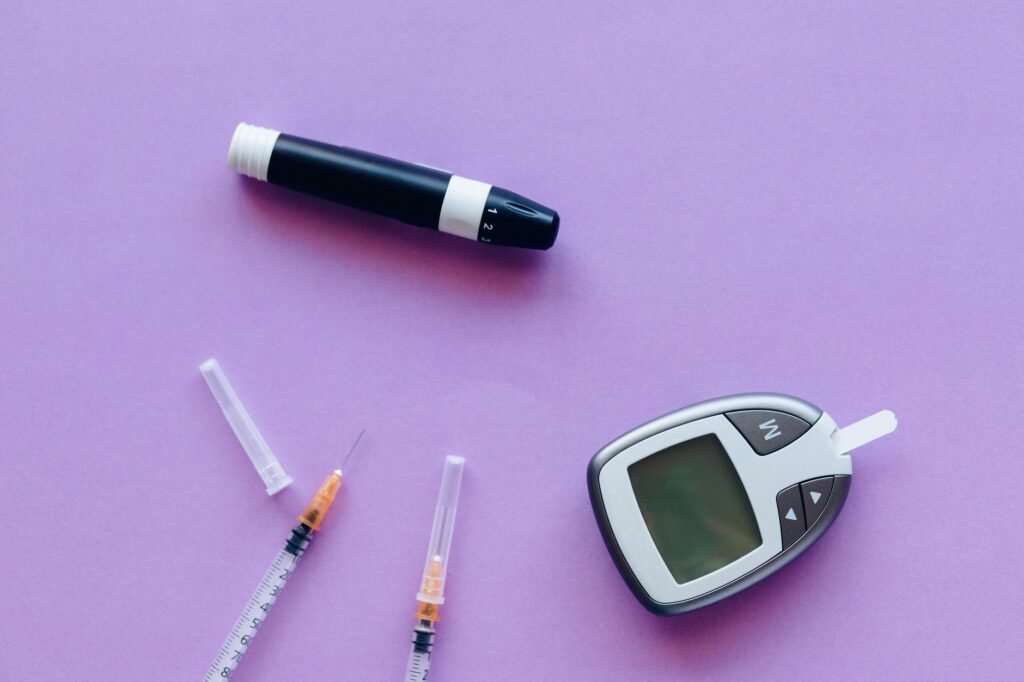
No. Home glucose meters can help monitor glucose patterns, but diagnosis is based on properly collected blood tests interpreted by a healthcare professional.
Which blood tests help tell type 1 from type 2 diabetes?
Islet autoantibodies and C-peptide are commonly used when the type of diabetes is uncertain. Autoantibodies support autoimmune diabetes, while C-peptide helps estimate how much insulin the body is still producing.
What tests are used for gestational diabetes?
Many practices use a glucose challenge test first, followed by a longer OGTT if the screening result is elevated. Some use a one-step OGTT approach. Pregnancy testing uses specific instructions and thresholds, so follow your prenatal team’s protocol.
Can anemia affect diabetes blood tests?
Anemia and other conditions that affect red blood cells can affect A1C accuracy. In those situations, fasting plasma glucose or OGTT may be preferred for diagnosis.
How often should diabetes screening be repeated?
When screening is normal, many guidelines suggest repeat testing at least every 3 years, with earlier testing if symptoms appear or risk changes. People with prediabetes, prior gestational diabetes, or other risk factors may need more frequent testing.
Source Notes
- American Diabetes Association. Diagnosis and Classification of Diabetes: Standards of Care in Diabetes—2026.
- National Institute of Diabetes and Digestive and Kidney Diseases. Diabetes Tests & Diagnosis.
- MedlinePlus — Blood Glucose Test
- MedlinePlus. Hemoglobin A1C (HbA1c) Test.
- CDC — Centers for Disease Control and Prevention. Gestational Diabetes.
- U.S. Preventive Services Task Force. Prediabetes and Type 2 Diabetes: Screening.
- NGSP. Factors that Interfere with HbA1c Test Results.
- Medicare.gov. Diabetes Screenings.