
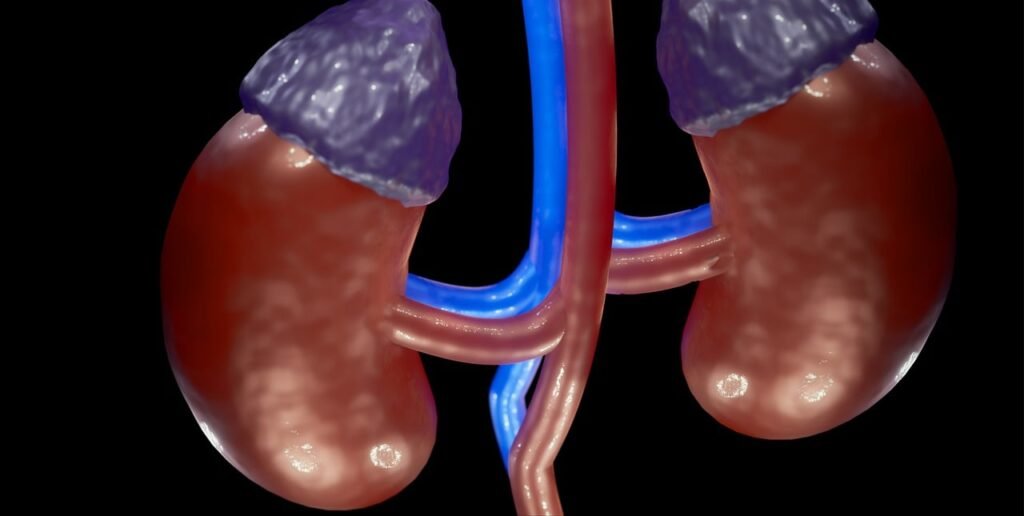
Adrenal Symptoms: Which Blood Tests Are Commonly Used?
Adrenal symptoms can point to low cortisol, high cortisol, excess aldosterone, or other hormone issues. Learn which adrenal blood tests are commonly used and how results are interpreted.
Adrenal symptoms can point to low cortisol, high cortisol, excess aldosterone, or other hormone issues. Learn which adrenal blood tests are commonly used and how results are interpreted.

Blood tests do not diagnose hypertension, but they are a key part of the workup. Learn which labs are commonly ordered for high blood pressure and how they help assess kidney function, electrolytes, diabetes risk, cholesterol, thyroid disease, and secondary causes.

Blood tests for dehydration usually include a BMP or CMP, electrolytes, BUN, creatinine, and sometimes serum osmolality. Learn what results can and cannot show.

Frequent infections can have many causes. Learn which blood tests clinicians commonly use, from CBC and cultures to immunoglobulins, HIV testing, A1C, and immune panels.
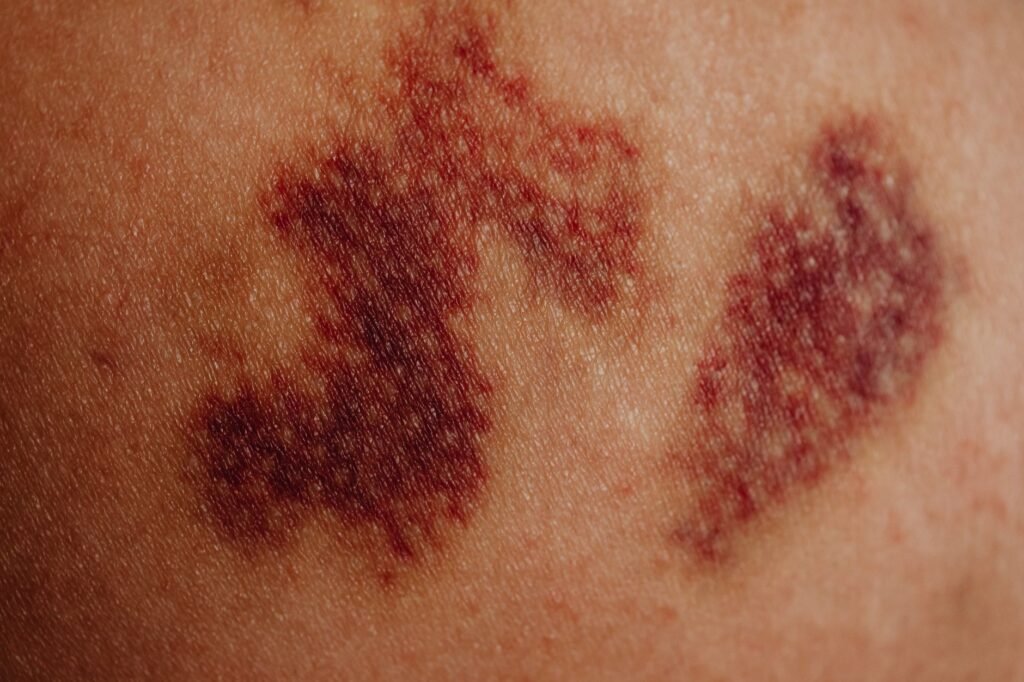
Easy bruising is often harmless, but frequent or unexplained bruises may lead clinicians to check CBC, platelet count, PT/INR, aPTT, von Willebrand tests, liver tests, and other labs.
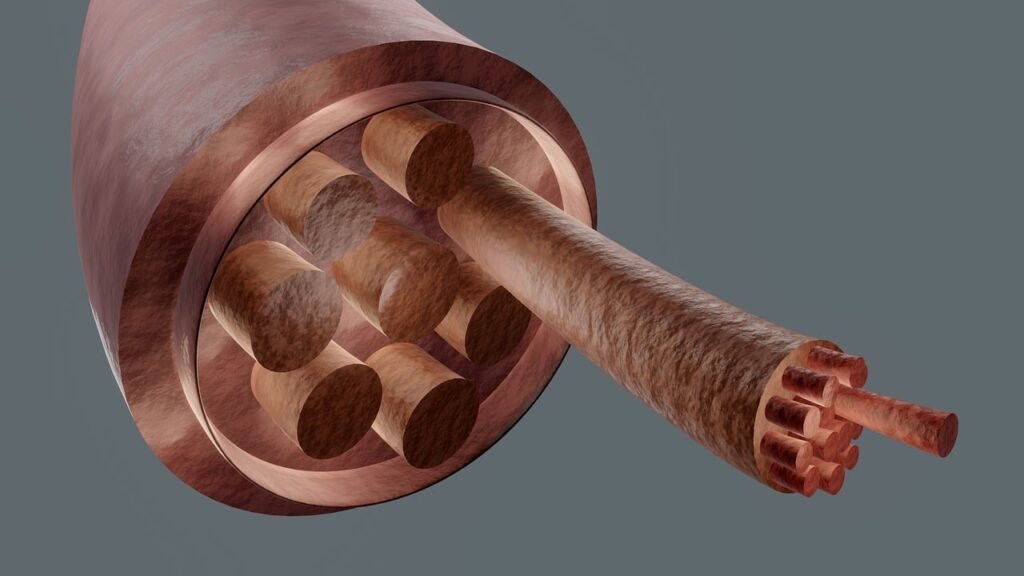
Muscle weakness can come from muscle, nerve, thyroid, electrolyte, autoimmune, medication, or systemic causes. Learn which blood tests are commonly used and what results may mean.

Joint pain blood tests can help identify inflammation, autoimmune disease, gout, Lyme disease, and other causes—but no single test diagnoses arthritis. Learn what common labs mean and what to ask next.
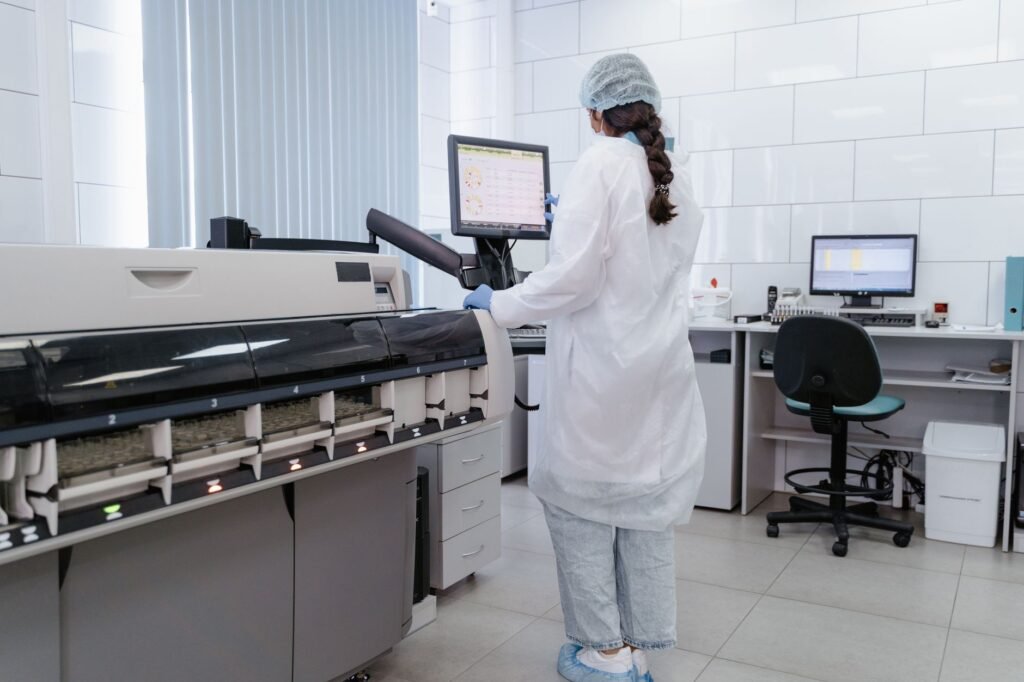
Autoimmune blood testing is not one-size-fits-all. Learn how ANA, ESR, CRP, RF, anti-CCP, thyroid antibodies, celiac antibodies, ENA, dsDNA, complement, ANCA, and other labs are used and interpreted.

CRP and ESR are the most common blood tests for inflammation, but CBC, ferritin, procalcitonin, ANA, RF, and anti-CCP may help answer specific clinical questions.
Liver function blood tests usually include ALT, AST, ALP, bilirubin, albumin and total protein, with GGT or PT/INR added when needed. Here’s how common liver tests are used and interpreted.