

Vegan Diet: Which Blood Tests Are Commonly Used?
Vegans commonly discuss tests such as CBC, ferritin, vitamin B12, methylmalonic acid, vitamin D, TSH, CMP, lipid panel, and A1c. Learn what each test can show—and what it cannot.
Vegans commonly discuss tests such as CBC, ferritin, vitamin B12, methylmalonic acid, vitamin D, TSH, CMP, lipid panel, and A1c. Learn what each test can show—and what it cannot.

STI blood tests commonly screen for HIV, syphilis, hepatitis B, hepatitis C, and sometimes herpes—but they do not detect every STI. Learn what each test means, when to test, and when urine or swabs are needed.

Blood tests can help evaluate malnutrition risk, nutrient deficiencies, anemia, electrolyte problems, inflammation, and refeeding safety—but no single lab value diagnoses malnutrition.

Blood tests can help uncover vitamin D deficiency, calcium and parathyroid problems, thyroid disease, kidney issues, malabsorption, and bone turnover patterns—but they do not replace DXA for osteoporosis evaluation.
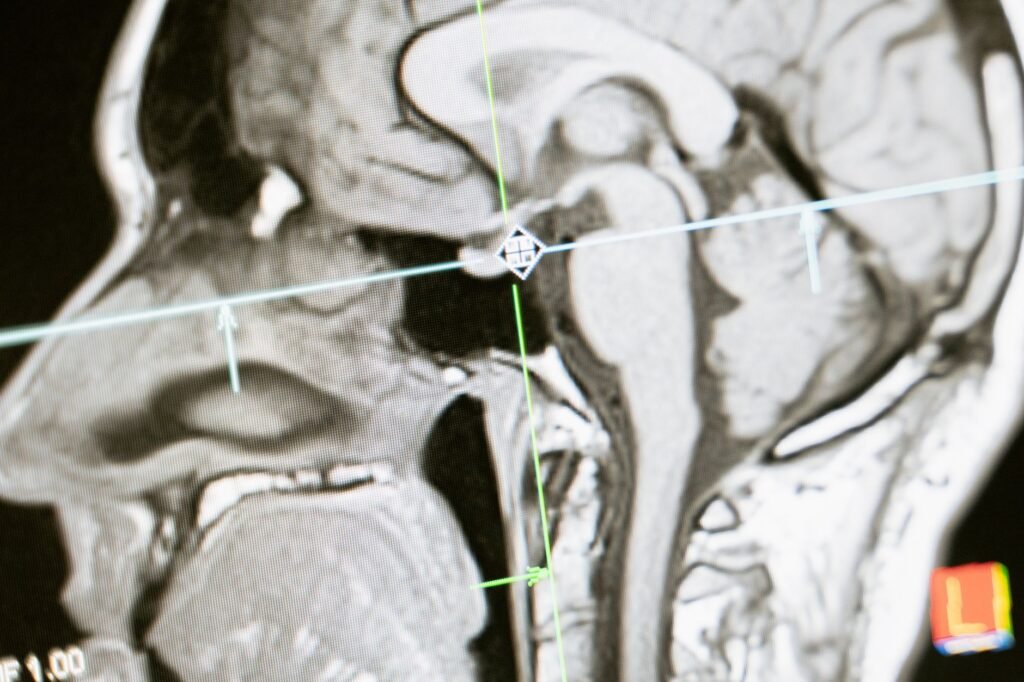
Pituitary blood tests help evaluate hormone excess, hormone deficiency, and pituitary-target gland feedback patterns. Learn which tests are commonly used and what results can mean.
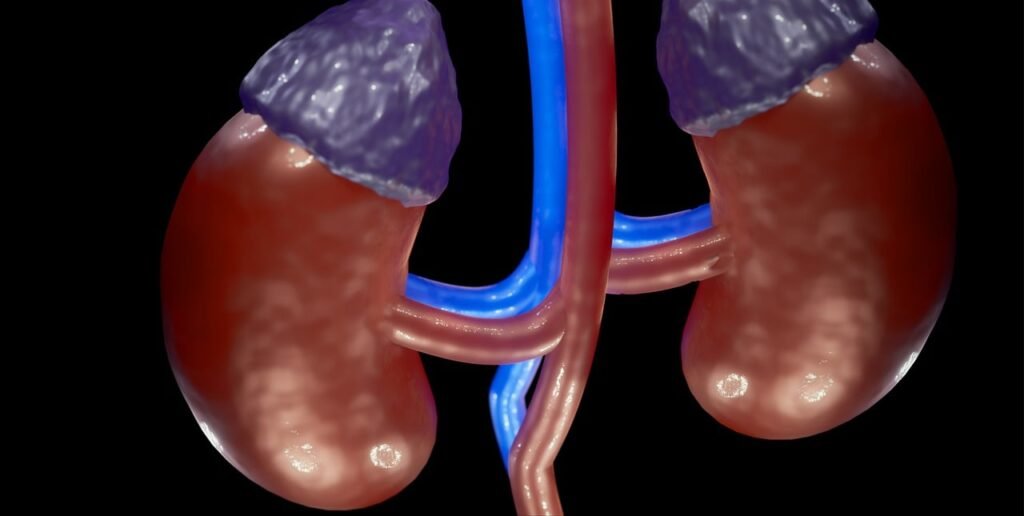
Adrenal symptoms can point to low cortisol, high cortisol, excess aldosterone, or other hormone issues. Learn which adrenal blood tests are commonly used and how results are interpreted.

Blood tests do not diagnose hypertension, but they are a key part of the workup. Learn which labs are commonly ordered for high blood pressure and how they help assess kidney function, electrolytes, diabetes risk, cholesterol, thyroid disease, and secondary causes.

Blood tests for dehydration usually include a BMP or CMP, electrolytes, BUN, creatinine, and sometimes serum osmolality. Learn what results can and cannot show.
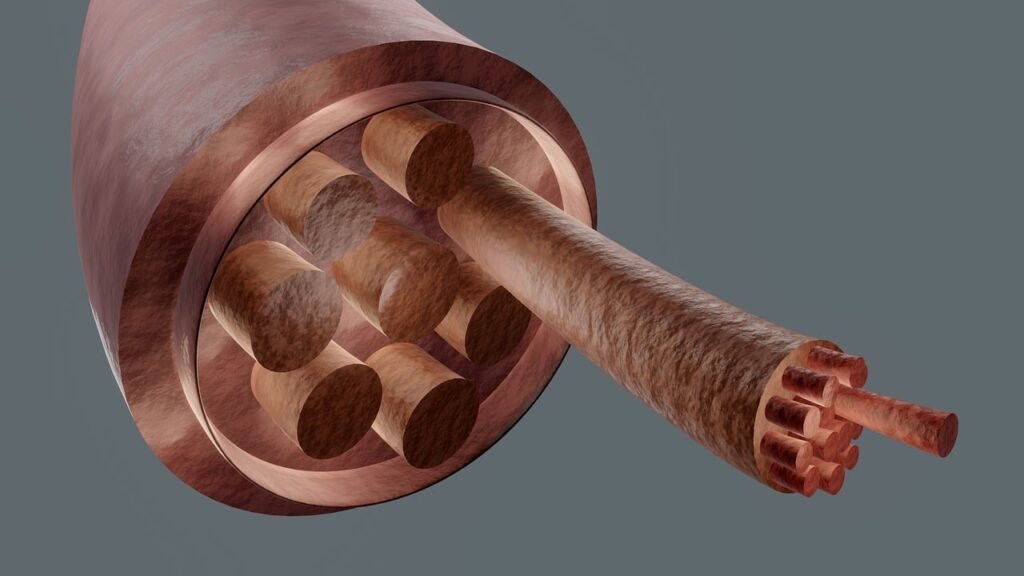
Muscle weakness can come from muscle, nerve, thyroid, electrolyte, autoimmune, medication, or systemic causes. Learn which blood tests are commonly used and what results may mean.

CRP and ESR are the most common blood tests for inflammation, but CBC, ferritin, procalcitonin, ANA, RF, and anti-CCP may help answer specific clinical questions.