
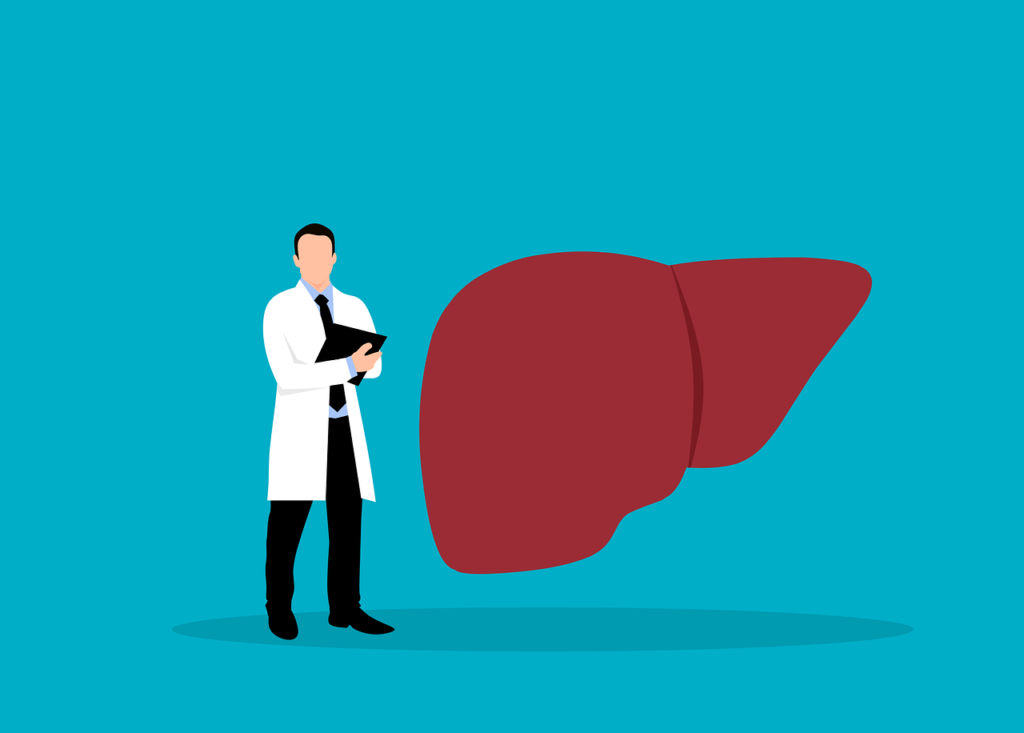
Liver Function: Which Blood Tests Are Commonly Used?
Liver function blood tests usually include ALT, AST, ALP, bilirubin, albumin and total protein, with GGT or PT/INR added when needed. Here’s how common liver tests are used and interpreted.
Liver function blood tests usually include ALT, AST, ALP, bilirubin, albumin and total protein, with GGT or PT/INR added when needed. Here’s how common liver tests are used and interpreted.
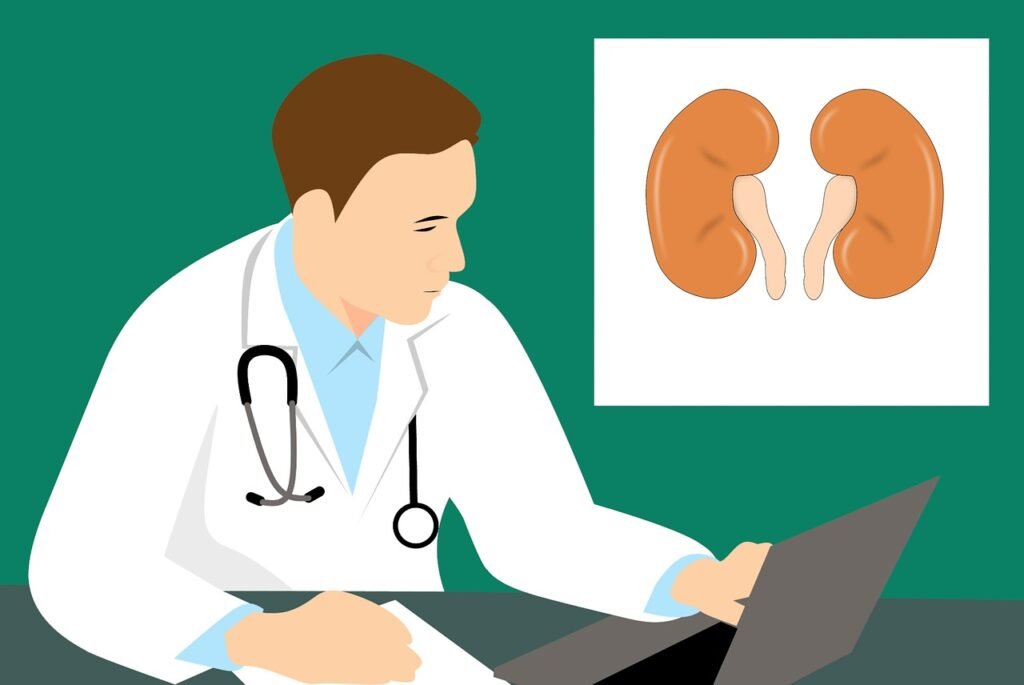
Kidney function blood tests usually include creatinine with eGFR, BUN, electrolytes, and sometimes cystatin C. Learn what each test can show, what it can miss, and why urine albumin testing is often paired with blood work.

The most common blood tests for vitamin deficiency include 25-hydroxyvitamin D, vitamin B12 with MMA when needed, folate testing, and targeted tests for vitamins A, E, K, B1, B6, and C in higher-risk situations.
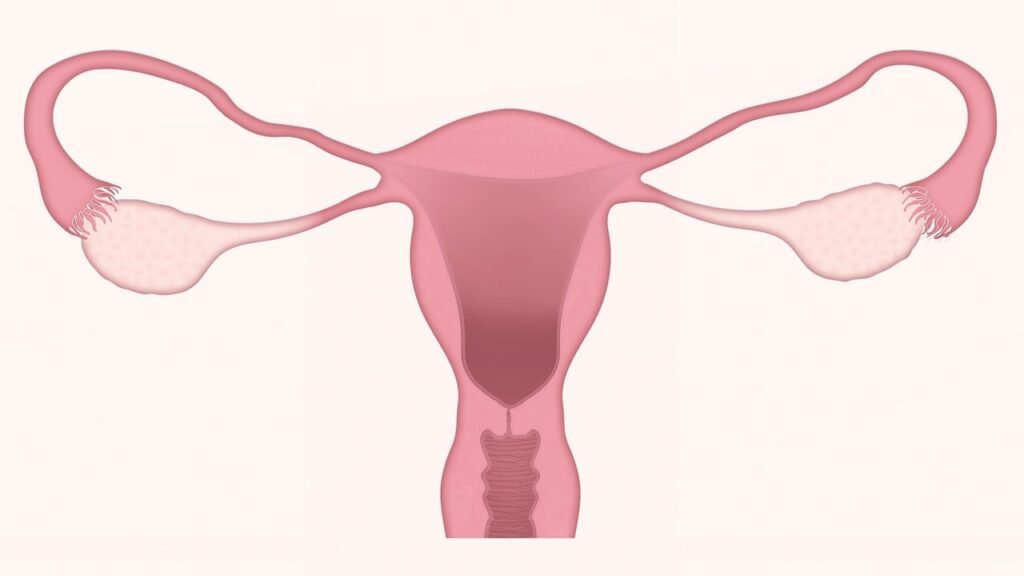
Blood tests can help in selected menopause questions, but most people do not need a hormone panel to confirm perimenopause. Learn when FSH, estradiol, TSH, prolactin, CBC, and other tests are useful—and what results can and cannot tell you.

Unexplained weight gain can have many causes. Learn which blood tests are commonly used, what they can and cannot show, how to prepare, and what to ask after results.

Thyroid symptoms can overlap with many conditions. Learn which blood tests are commonly used, how TSH, free T4, T3, and thyroid antibodies fit together, what results may mean, and what to ask before testing.
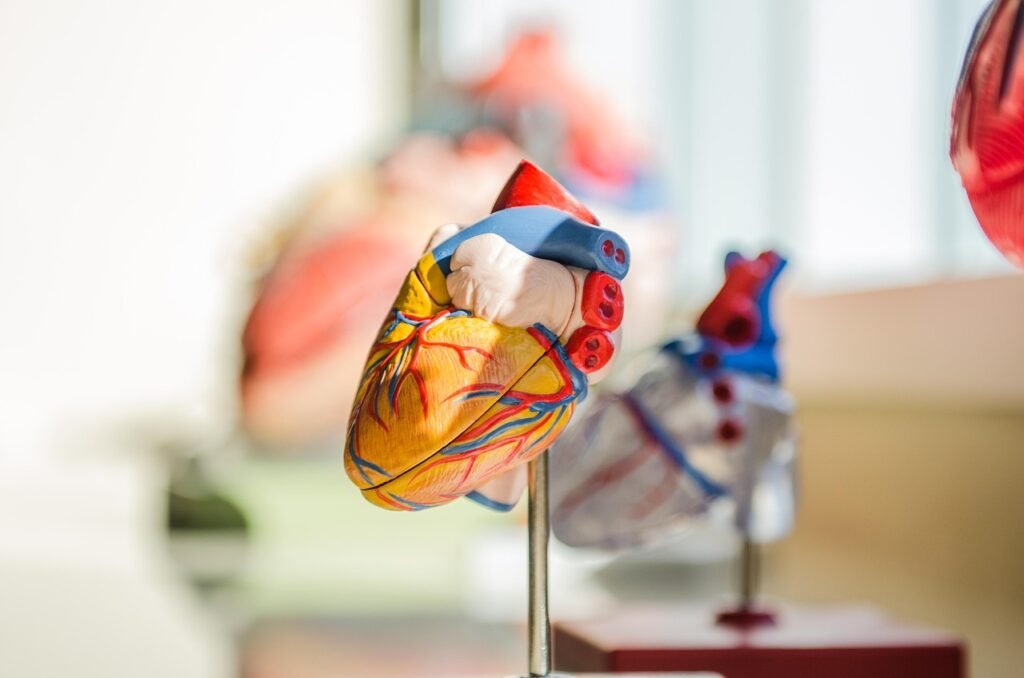
The most common blood test for high cholesterol is a lipid panel, but LDL, HDL, triglycerides, non-HDL cholesterol, ApoB and Lp(a) each answer different questions.
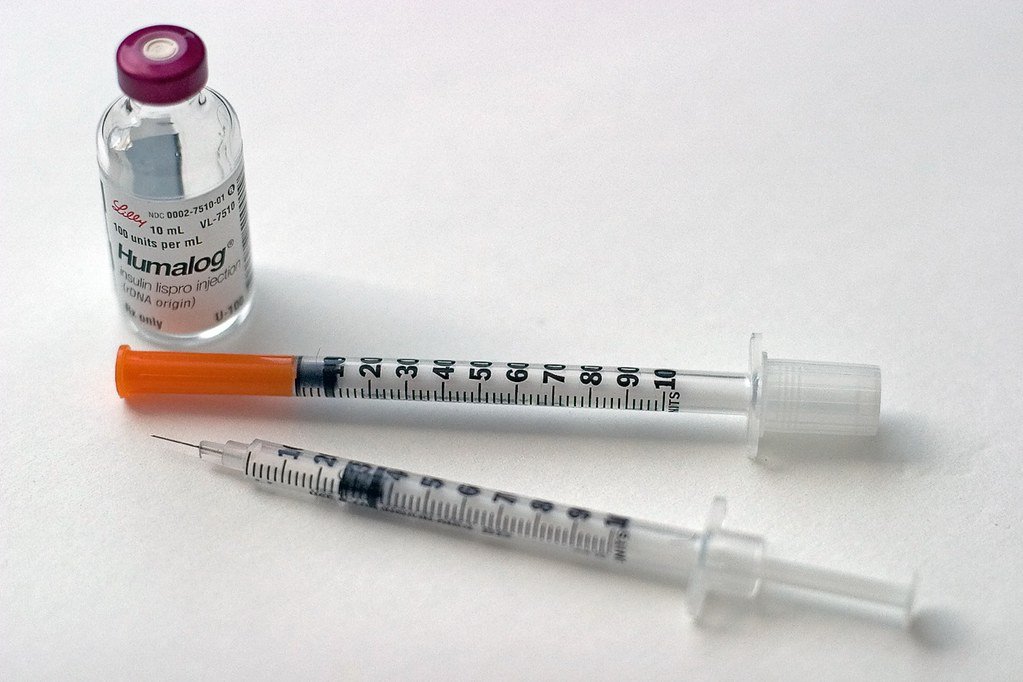
Common blood tests for insulin resistance include A1C, fasting glucose, OGTT, fasting insulin, HOMA-IR, lipids, and related metabolic labs. Learn what each test can and cannot tell you.
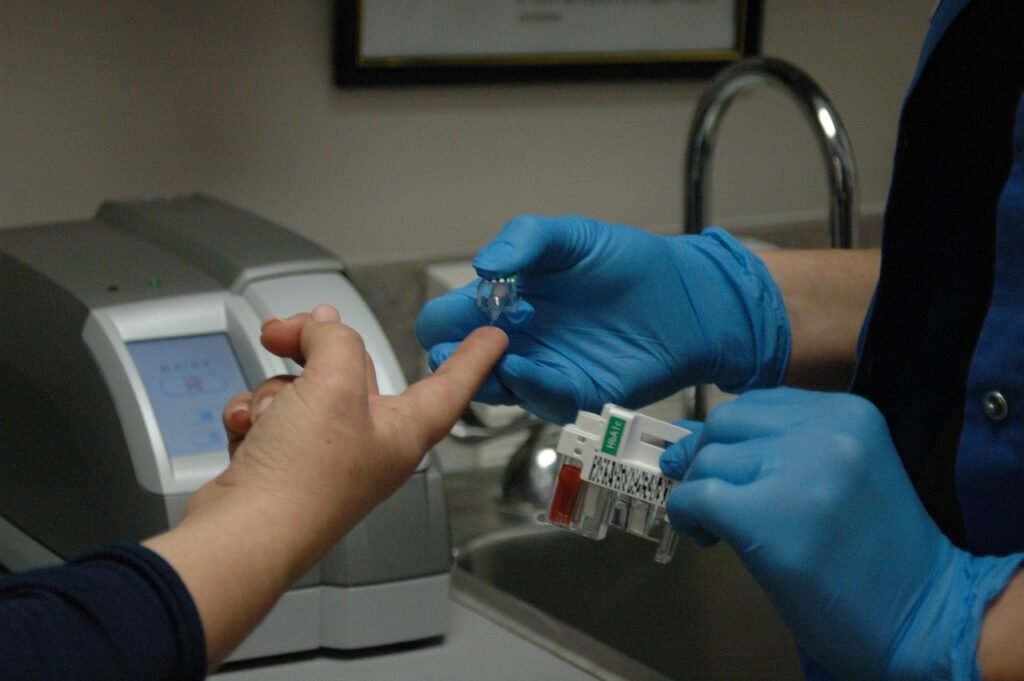
The main blood tests for prediabetes are A1C, fasting plasma glucose, and the 2-hour oral glucose tolerance test. Here is how they differ and what results may mean.
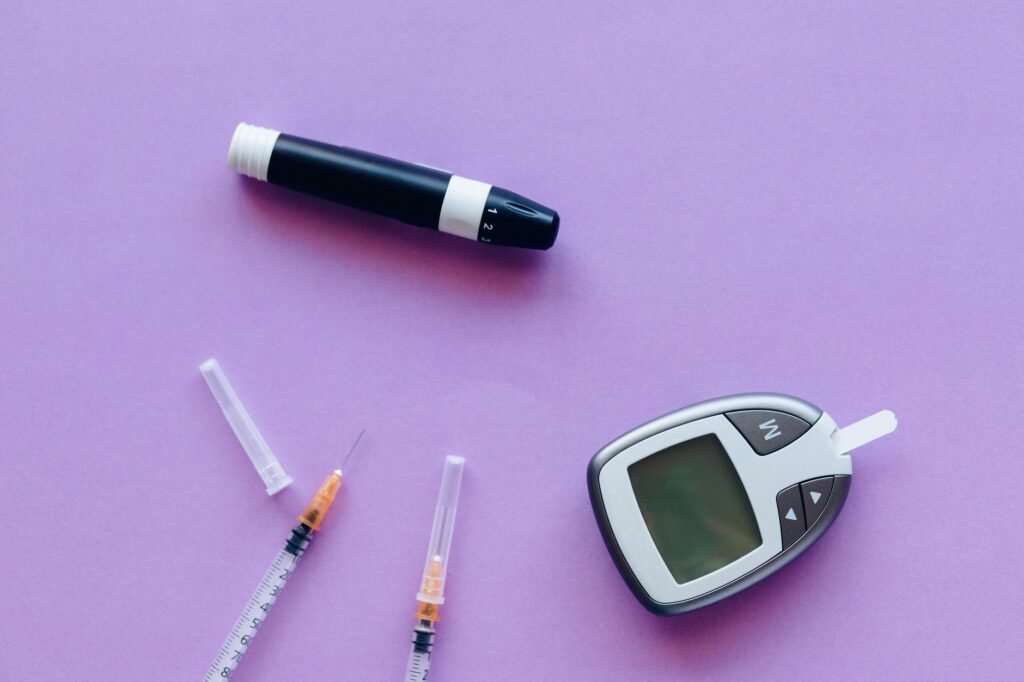
A clear guide to the blood tests commonly used for diabetes screening, diagnosis, monitoring, and type clarification, with result ranges and preparation tips.